South America

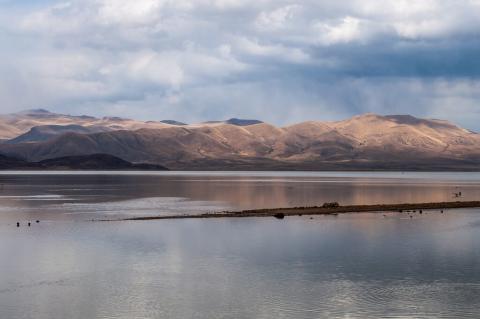
Bolivia's Lakes Poopó & Uru Uru: Vanishing Waters

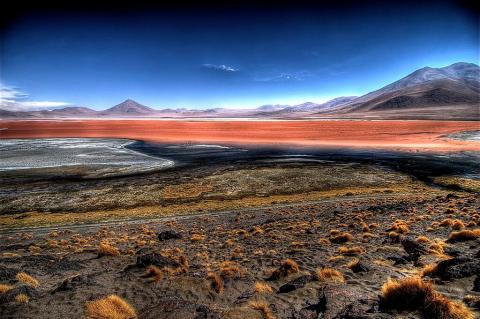
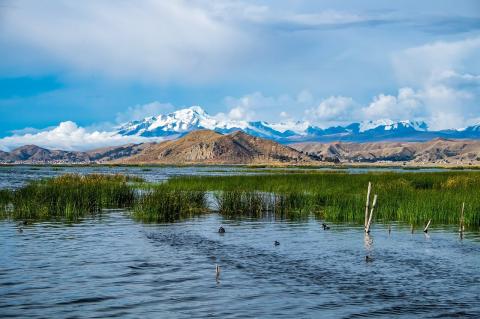
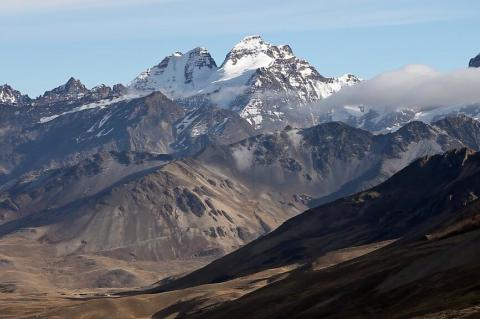
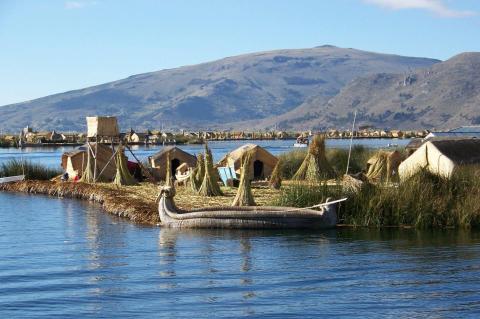
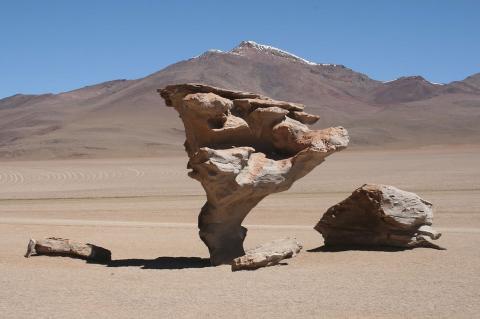
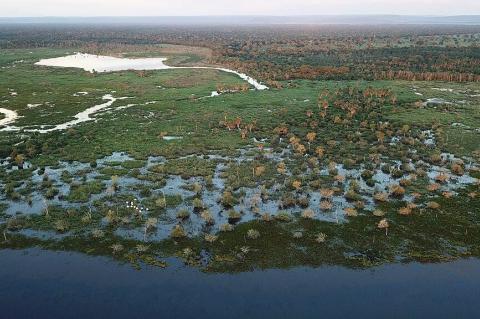
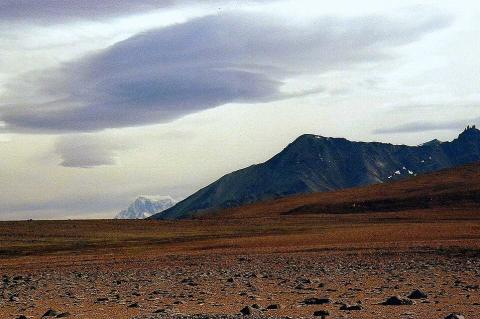
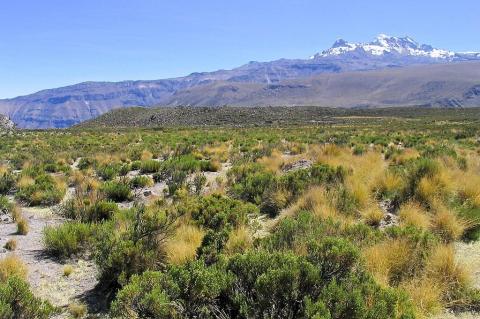
Bolivia's Altiplano, a vast highland plateau surrounded by the towering Andes, was once home to a network of important water bodies that sustained ecosystems and communities. Among these were Lake Poopó and Lake Uru Uru, two saline lakes that formed part of an interconnected hydrological system fed by the Desaguadero River. However, recent environmental changes have caused these lakes to shrink or disappear entirely, leaving a landscape marked by ecological decline.

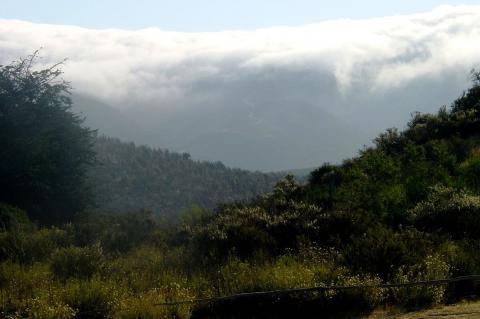
Bosque de Fray Jorge National Park: Oasis of Biodiversity and Natural Beauty

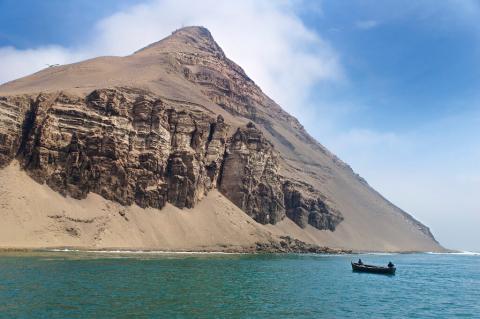
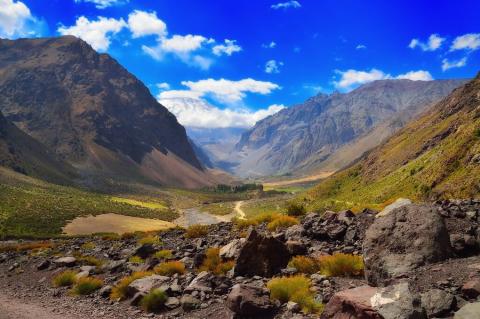
Nestled amidst the arid landscapes of the Atacama Desert, Bosque de Fray Jorge National Park emerges as a verdant oasis of biodiversity and natural beauty within the Cordillera de Talinay, part of the Chilean Coastal Range. Situated approximately 100 kilometers south of La Serena on the Pacific Ocean, this national park is a testament to the resilience of life in the face of challenging environmental conditions.

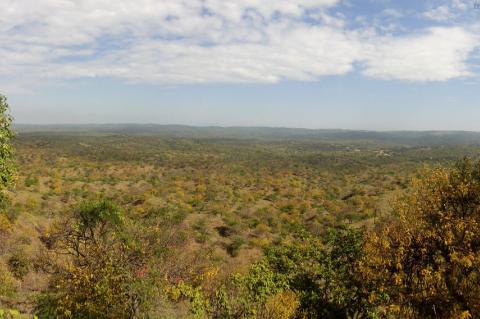
Bosque Seco Biosphere Reserve: Natural Splendor Meets Cultural Heritage

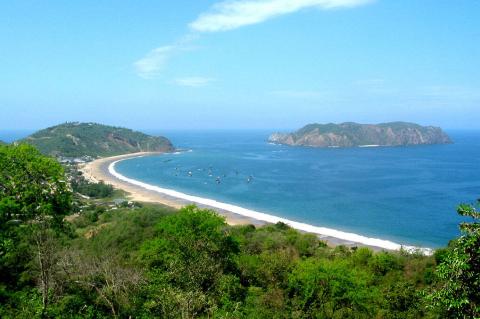
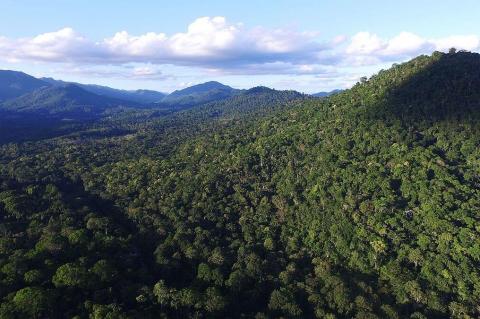
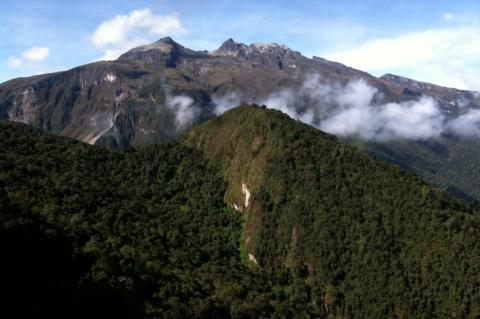
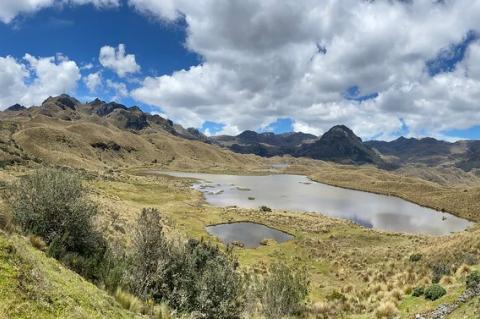
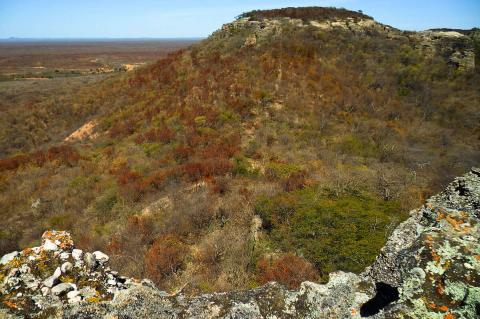
The Bosque Seco Biosphere Reserve is a biodiverse haven with diverse landscapes, from mountains to plains, providing vital climate regulation and water services. Home to Ecuador's best-preserved dry forests, the reserve boasts rich flora and fauna. Collaborating with Peru, it became part of the Bosques de Paz Transboundary Biosphere Reserve, showcasing the nexus of nature and culture.

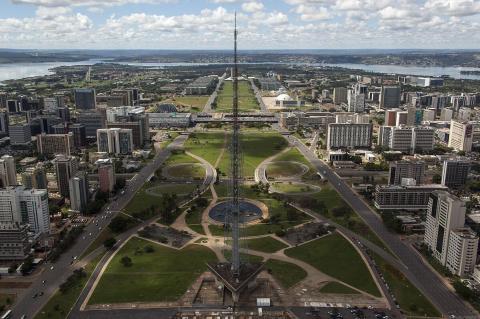
Brasília: A Modernist Utopia in the Heart of Brazil

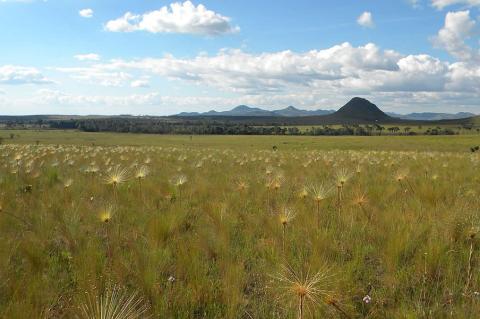
Nestled within the Brazilian Highlands in the country's central-west region, Brasília is a testament to human ambition and architectural innovation. This planned city, founded in 1960, serves as the Federal Capital of Brazil and the seat of government for the Federal District. More than just a political center, Brasília represents a bold experiment in urban planning and modernist design, earning recognition as a UNESCO World Heritage Site and, more recently, the title of "City of Design" within UNESCO's Creative Cities Network.

Brazil's Eastern Frontier: Exploring the Atlantic Coastal Lowlands

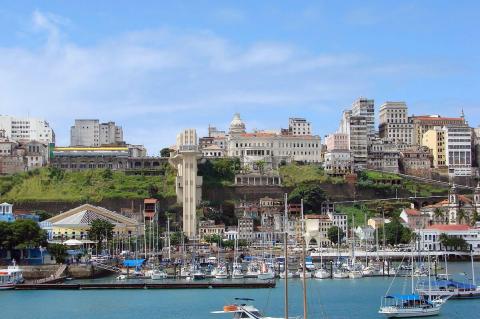
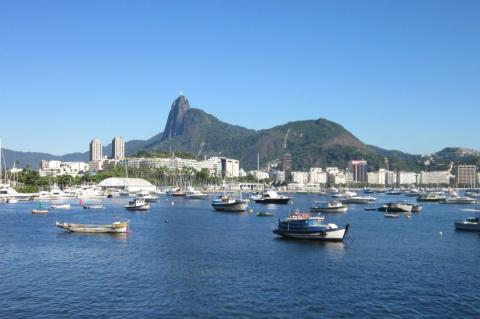
The Atlantic Coastal Lowlands extend along Brazil's eastern coastline, from Amapá to Rio Grande do Sul, bordering the Atlantic Ocean. This region is characterized by sandy beaches, lagoons, and mangrove swamps, with flat plains that gradually rise inland toward the Brazilian Highlands. It holds historical and economic significance, containing some of Brazil's largest cities and essential ecosystems supporting biodiversity.

Brazil's Emerald Necklace: A Journey into the Serra do Mar Coastal Forests

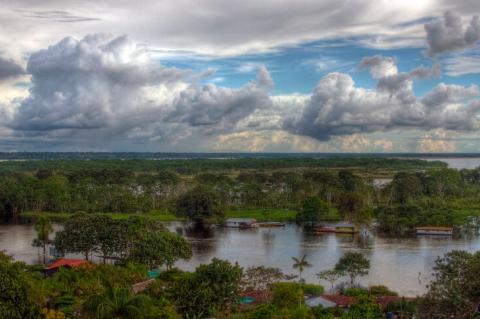
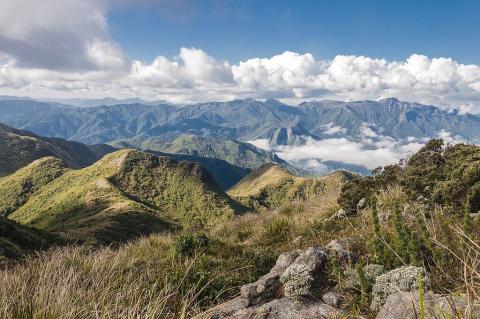
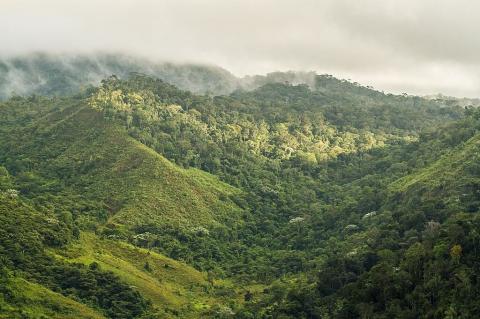
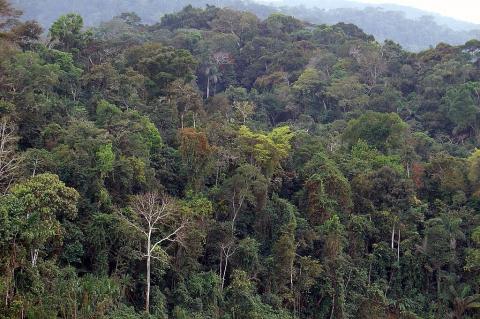
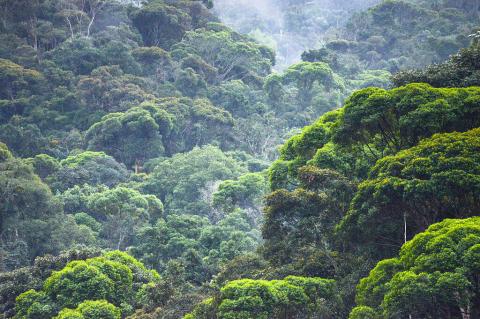
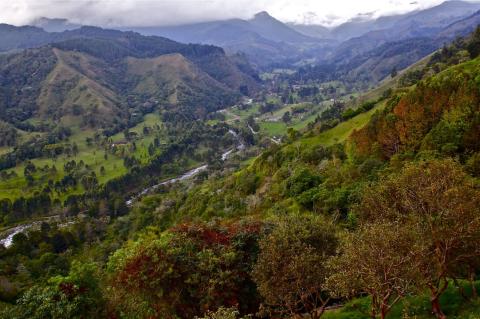
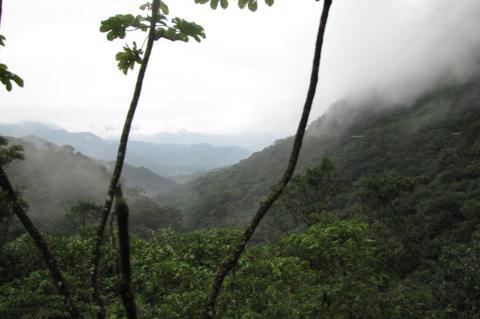
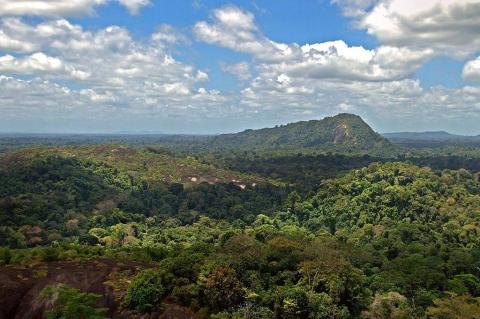
The Serra do Mar Coastal Forests, an ecoregion nestled along the southeastern coast of Brazil, stand as a bastion of biodiversity and ecological richness within the Atlantic Forest biome. This ecoregion encompasses a mosaic of montane forests, high summits, and lush valleys, creating a haven for many plant and animal species. These forests remain a vital stronghold for conservation efforts, harboring endemic species and a critical center of endemism in South America.

Brazilian Atlantic Islands: A UNESCO World Heritage Site

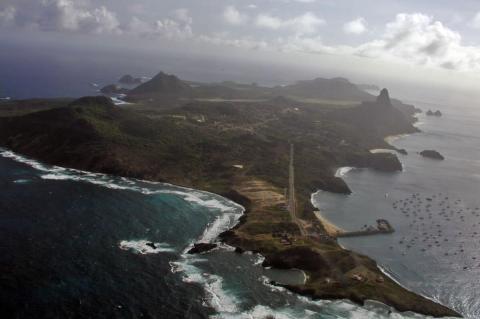
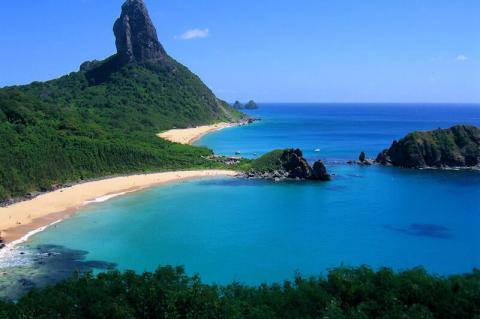
The Brazilian Atlantic Islands, comprising the Fernando de Noronha Marine National Park and the Atol das Rocas Biological Reserve, form an exceptional UNESCO World Heritage Site recognized for their unique biodiversity, stunning landscapes, and significant ecological roles in the South Atlantic. The archipelago of Fernando de Noronha, located off the northeastern coast of Brazil, plays a critical role in maintaining the ecological balance of the South Atlantic.

Bridging Civilizations: The Enduring Legacy of Argentina's Quebrada de Humahuaca

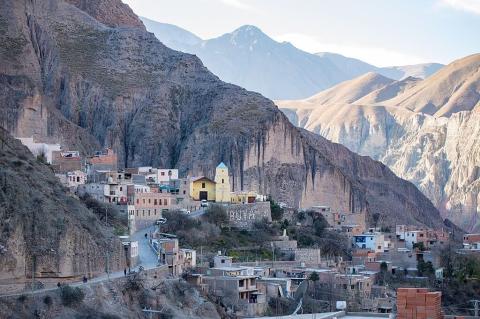
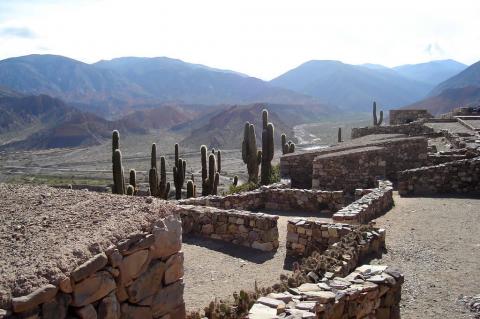
Nestled in the heart of Argentina's Jujuy Province, the Quebrada de Humahuaca stands as a testament to the enduring relationship between human civilization and the natural world. This narrow, arid valley, stretching along the Río Grande, has been a crucial passageway for people, goods, and ideas for over 10,000 years. Recognized as a UNESCO Site, the Quebrada de Humahuaca offers visitors a unique blend of stunning landscapes, rich cultural heritage, and a living history that continues to shape the region today.
Buenos Aires: The Soul of Argentina

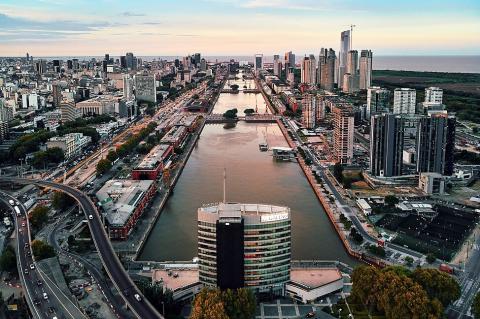
Buenos Aires, Argentina's capital and largest city, is a vibrant metropolis known for its unique blend of European architectural styles and Latin American spirit. Located on the western shore of the Río de la Plata, it serves as the nation's political, cultural, and economic center. With a history dating back to the early colonial period, Buenos Aires has grown into a bustling hub of nearly 3 million inhabitants in the city proper and more than 15 million in its metropolitan area.

Caatinga Biosphere Reserve: Embracing the White Forest

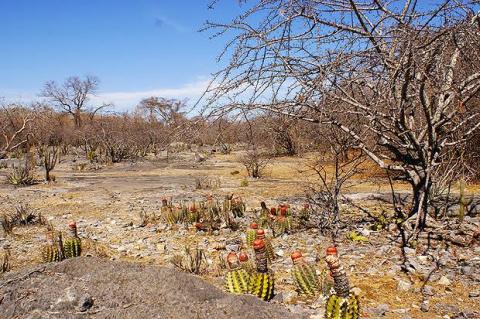
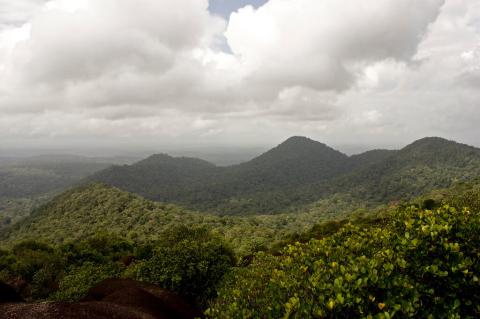
The Caatinga Biosphere Reserve in Northeast Brazil is a vast semiarid region known for its distinctive Caatinga vegetation. Spanning six units, the reserve hosts diverse ecosystems, from high forests to gallery forests. With a strategic focus on research, environmental education, and sustainable development, the Caatinga Biosphere Reserve is a resilient model in arid ecological conditions.