
Argentine Patagonia: Land of Endless Horizons
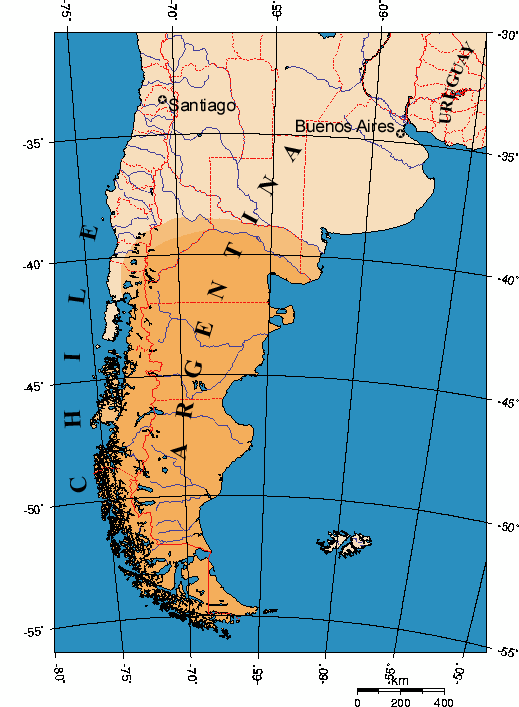
Stretching across the southern cone of South America, Argentine Patagonia is one of Earth's last great wilderness frontiers. It extends from the Colorado River to the Drake Passage, yielding a diverse and dramatic landscape that has captivated explorers and adventurers for centuries.
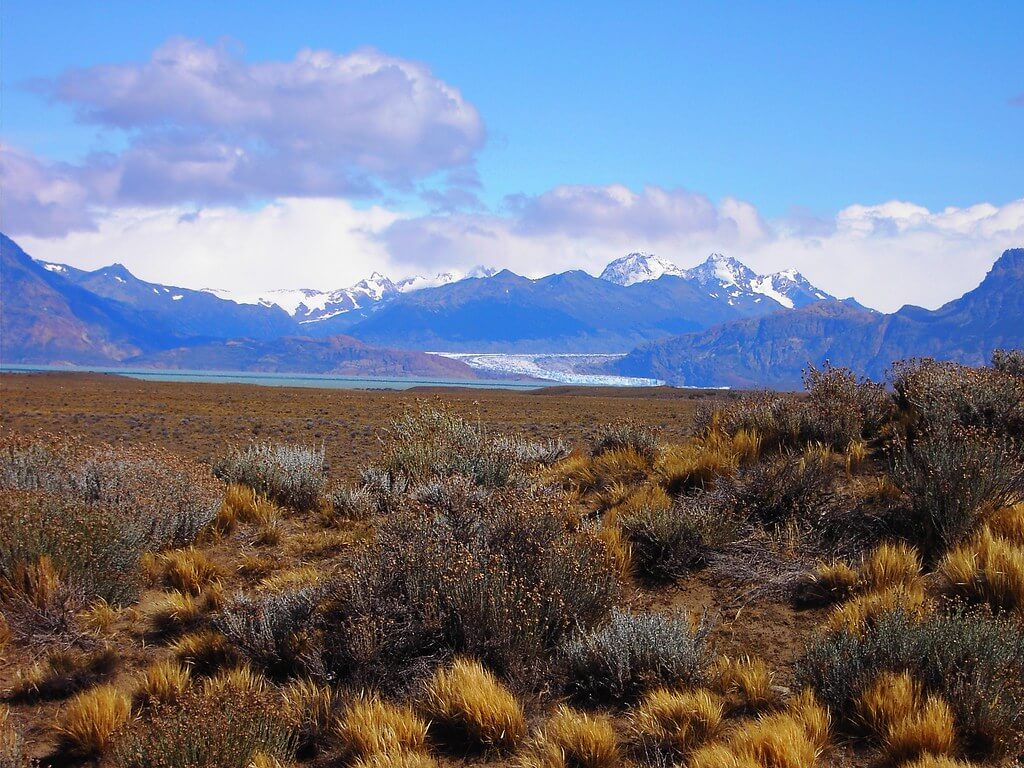
Between Ice and Fire: The Geographic Diversity of Argentine Patagonia
Stretching across the southern cone of South America like a vast natural amphitheater, Argentine Patagonia represents one of Earth's last great wilderness frontiers. Encompassing nearly 673,000 sq km (260,000 sq mi) of the Argentine mainland and home to roughly 2.3 million people, the region extends from the Colorado River in the north to the Drake Passage in the south, forming a landscape so diverse and dramatic that it has captivated explorers, scientists, and adventurers for centuries. From the ice-carved peaks of the Andes to the windswept Atlantic coast, Patagonia offers an unparalleled tapestry of natural wonders that continues to define Argentina's identity as a nation of extraordinary geographical diversity.
Geographic Foundations and Boundaries
Argentine Patagonia occupies the southern third of Argentina, bounded by the Colorado River to the north and extending southward to Cape Horn and the Beagle Channel. The region encompasses five provinces: Neuquén, Río Negro, Chubut, Santa Cruz, and Tierra del Fuego, Antártida e Islas del Atlántico Sur. The Andes Mountains form the western spine of the region, creating a natural border with Chilean Patagonia, while the Atlantic Ocean defines the eastern boundary across more than 2,000 km (1,240 mi) of coastline.
The continental divide runs along the Andean crest, creating distinct climatic and ecological zones. West of the mountains, the landscape receives abundant precipitation from Pacific weather systems, supporting temperate rainforests and glacial valleys. East of the divide, the rain shadow effect creates the characteristic steppe environment that dominates much of Patagonian geography, where annual precipitation rarely exceeds 200-300 mm (8-12 in).
Diverse Landscapes and Geological Heritage
The vast Patagonian plateau, or meseta, stretches eastward from the Andean foothills to the Atlantic coast, covering approximately 600,000 sq km (232,000 sq mi). These ancient basaltic plateaus, formed by volcanic activity millions of years ago, rise between 200 and 2,000 m (656 and 6,562 ft) above sea level. The steppe landscape appears deceptively monotonous to casual observers, yet it supports remarkable biodiversity adapted to harsh climatic conditions.
Volcanic activity has left distinctive geological signatures across the region. The Somuncurá Plateau in northern Patagonia contains numerous volcanic cones and lava fields, while the Deseado Massif in Santa Cruz Province preserves some of South America's oldest rock formations, dating back over 1.8 billion years. These geological foundations have created unique ecosystems and fossil deposits that provide crucial insights into Earth's prehistoric past.
The Patagonian Andes represent the southern terminus of the world's longest mountain range, extending approximately 1,500 km (932 mi) from north to south within Argentine territory. Peak elevations reach their maximum at Cerro Aconcagua in Mendoza Province at 6,961 m (22,838 ft), though within core Patagonia, mountains typically range between 1,500-3,500 m (4,921-11,483 ft).
The Southern Patagonian Ice Field, shared between Argentina and Chile, constitutes the third-largest ice mass outside the polar regions. This glacial system feeds numerous outlet glaciers, including the famous Perito Moreno Glacier in Los Glaciares National Park. The glacier, measuring approximately 30 km (19 mi) in length and 5 km (3 mi) in width, represents one of the few advancing glaciers in the region, creating spectacular calving events that attract visitors from around the world.
The Patagonian Atlantic coast extends for over 2,000 km (1,240 mi) and features dramatic cliffs, extensive beaches, and numerous gulfs and bays. Peninsula Valdés, a UNESCO World Heritage site, exemplifies the region's coastal diversity with its twin gulfs, Golfo Nuevo and Golfo San José, which create protected marine environments essential for wildlife reproduction and feeding. The continental shelf extends far into the Atlantic, creating rich fishing grounds that support both marine ecosystems and human economic activities. The confluence of warm Brazil Current waters and cold Malvinas Current creates nutrient-rich upwelling zones that sustain abundant marine life, from microscopic plankton to massive southern right whales.
Map of Patagonia.
Climate Patterns and Environmental Conditions
Patagonian climate reflects the region's vast latitudinal range and diverse topography. The northern provinces experience a semi-arid climate with hot summers and mild winters, while the southern regions endure subpolar conditions with persistent westerly winds and temperatures that rarely exceed 20°C (68°F) even in summer.
The notorious Patagonian winds result from the region's position in the path of persistent westerlies known as the "Roaring Forties" and "Furious Fifties." These wind systems, unimpeded by significant landmasses across the South Pacific, strike the Andes with tremendous force, creating the rain shadow effect that defines eastern Patagonia's arid character. Wind speeds regularly exceed 100 km/h (62 mph), with gusts recorded over 200 km/h (124 mph) in some locations.
Seasonal temperature variations reflect the continental nature of the climate. Summer temperatures in northern Patagonia can reach 35°C (95°F), while winter lows may drop to -20°C (-4°F). Southern regions experience more moderate temperature ranges but face persistent cloud cover and precipitation, particularly along the Andean slopes, where annual rainfall can exceed 3,000 mm (118 in).
Biodiversity and Endemic Species
Patagonian ecosystems support remarkable biodiversity despite harsh environmental conditions. The Patagonian steppe ecosystem, characterized by its dominance of grasses, shrubs, and cushion plants, has developed unique adaptations to withstand extreme winds, temperature fluctuations, and limited precipitation. Native grass species such as coirón (Festuca spp.) and neneo (Mulinum spinosum) form the foundation of terrestrial food webs, supporting herbivorous species and their predators.
Large mammalian fauna includes the guanaco (Lama guanicoe), a wild relative of the domestic llama that roams the steppes in herds numbering in the thousands. The endangered huemul, or South Andean deer (Hippocamelus bisulcus), inhabits remote Andean valleys, while the puma (Puma concolor) represents the region's apex predator. The Patagonian mara (Dolichotis patagonum), a large rodent resembling a small deer, and Darwin's rhea (Rhea pennata), a flightless bird known locally as the choique, round out the steppe's most characteristic large fauna.
The Patagonian coast serves as a critical habitat for numerous marine mammal species. Southern right whales (Eubalaena australis) migrate annually to Peninsula Valdés to breed and nurse their young in the protected waters of Golfo Nuevo and Golfo San José. These magnificent creatures, measuring up to 18 m (59 ft) in length, create one of the world's premier whale-watching experiences from June through December.
Southern elephant seals (Mirounga leonina) establish massive breeding colonies along the coast, with dominant males weighing up to 4,000 kg (8,818 lb). The beaches of Peninsula Valdés host thousands of these marine giants during the breeding season, creating dramatic displays of natural behavior rarely witnessed elsewhere. Orcas (Orcinus orca) demonstrate unique hunting techniques along the Patagonian coast, including intentional beaching to capture seal pups in shallow waters.
Seabird diversity reaches extraordinary levels, with species ranging from tiny storm petrels to massive wandering albatrosses with wingspans exceeding 3 m (10 ft). Magellanic penguins (Spheniscus magellanicus) establish colonies numbering in the hundreds of thousands, particularly at Punta Tombo, which hosts the largest continental penguin colony in South America.
Cultural Heritage and Human History
Patagonia's human history spans thousands of years, beginning with Indigenous groups who adapted to the region's challenging environment long before European contact. The Tehuelche people dominated the northern steppes, developing a nomadic lifestyle centered on guanaco hunting and seasonal migrations. Archaeological evidence suggests human presence dating back at least 13,000 years, with the handprint cave paintings at Cueva de las Manos in Santa Cruz Province, some dating back roughly 9,000 years and now a UNESCO World Heritage Site, providing remarkable insight into prehistoric life on the steppe.
The Selk'nam and Yaghan peoples inhabited Tierra del Fuego and the southern archipelago, developing sophisticated maritime cultures well-adapted to the harsh subantarctic environment. These groups constructed temporary shelters, crafted specialized hunting tools, and maintained complex social structures despite the challenging conditions. European contact in the 16th and 17th centuries dramatically altered Indigenous populations through disease, displacement, and cultural disruption.
Ferdinand Magellan's voyage through the strait that bears his name in 1520 marked the beginning of European exploration in Patagonia. However, systematic colonization did not begin until the late 19th century, when the Argentine government launched campaigns to establish sovereignty over the vast southern territories. The "Conquest of the Desert" campaigns between 1878 and 1885 resulted in the displacement of Indigenous populations and the establishment of European settlements throughout the region.
Welsh immigration to Chubut Province, beginning in 1865, created unique cultural enclaves that persist to this day. The Welsh settlements of Gaiman, Trelew, and Puerto Madryn maintained their language, customs, and architectural traditions while adapting to Patagonian conditions, establishing successful agricultural enterprises and creating distinctive cultural landscapes that blend European traditions with South American influences.
Economic Activities and Natural Resources
Sheep ranching became the dominant economic activity throughout much of Patagonia by the early 20th century. The region's vast grasslands proved ideal for extensive sheep grazing, with some estancias covering areas larger than entire European countries. At its peak, Patagonia supported over 20 million sheep, producing high-quality wool that supplied international markets.
Cattle ranching developed in northern Patagonia, where climate conditions support more intensive agricultural activities. The fertile valleys of the Neuquén and Río Negro provinces produce world-renowned beef, wine, and fruit. The Alto Valle region has become Argentina's primary apple and pear production area, with modern irrigation systems transforming desert landscapes into productive agricultural zones.
Patagonia contains substantial energy resources that have become increasingly central to Argentina's economy. The Neuquén Basin holds the Vaca Muerta formation, one of the largest unconventional oil and gas reservoirs in the world; by 2026, Vaca Muerta accounted for roughly 60% of Argentina's total crude oil production and around 70% of its natural gas output, transforming Neuquén into the country's highest-paying province for private-sector work and drawing large-scale foreign investment, even as environmental groups raise concerns about the formation's carbon footprint and its compatibility with the region's conservation ambitions.
Wind energy development has accelerated rapidly in Patagonia due to its exceptional wind resources. The region's persistent westerly winds provide ideal conditions for large-scale wind power generation, with several major wind farms already operational and additional projects under development. Hydroelectric potential along Patagonian rivers remains largely untapped, though environmental concerns have limited dam construction in sensitive areas.
Tourism has emerged as a major economic sector, driven by Patagonia's spectacular natural attractions and growing international recognition. Los Glaciares National Park, Península Valdés, and Tierra del Fuego National Park attract hundreds of thousands of visitors annually, generating significant revenue for local communities while raising awareness about conservation needs. Adventure tourism, encompassing trekking, mountaineering, fishing, and wildlife viewing, has generated new economic opportunities in remote areas through eco-lodges, specialized tour operators, and outdoor recreation services.
Environmental Challenges and Conservation Efforts
Climate change poses significant threats to Patagonian ecosystems and human communities. Rising temperatures have accelerated glacial retreat throughout the Andes, with some glaciers losing substantial mass over the past few decades. The Southern Patagonian Ice Field has experienced measurable shrinkage, contributing to global sea level rise while altering regional hydrology. Changing precipitation patterns affect both natural ecosystems and agricultural activities, and the increased frequency of extreme weather events, including severe droughts and intense storms, challenges traditional land management practices and threatens biodiversity. Marine ecosystems face additional pressures from ocean acidification and changing current patterns that affect nutrient distribution and species migration.
Large-scale conservation efforts have gained momentum throughout Argentine Patagonia, with both government agencies and private organizations working to protect critical habitats, and international cooperation agreements address transboundary conservation challenges shared with Chile. The most significant private conservation initiative is Parque Patagonia, a national park in Santa Cruz Province created through land acquisitions and donations led by Rewilding Argentina and Tompkins Conservation beginning in 2011, following the same model that produced the Route of Parks across the border in Chile. The park was chosen in part because the shores of Lake Buenos Aires host one of the last known breeding populations of the hooded grebe (Podiceps gallardoi), a critically endangered diving bird with fewer than 800 individuals remaining. Rewilding work inside the park now focuses on monitoring and recovering the huemul and the puma, both of which disappeared regionally or were pushed into marginal habitat by decades of sheep ranching, alongside the guanaco, Darwin's rhea, and the Andean condor (Vultur gryphus), with early monitoring data suggesting pumas here prey on livestock far less often than ranchers historically assumed—a finding that may help ease the long-standing conflict between conservation and grazing interests in the area.
Future Prospects and Sustainable Development
Argentine Patagonia faces complex challenges as it balances economic development with environmental protection. The region's vast natural resources offer opportunities for sustainable growth, while its pristine landscapes require careful stewardship to preserve their ecological integrity for future generations. Sustainable tourism development presents perhaps the greatest opportunity for economic growth that aligns with conservation objectives, and the expansion of responsible tourism infrastructure, combined with community-based conservation programs, could provide long-term economic benefits while protecting the natural and cultural heritage that makes Patagonia unique. Energy development must proceed carefully to minimize environmental impacts while contributing to Argentina's energy security. The integration of renewable energy sources, particularly wind power, offers a pathway to sustainable development that capitalizes on Patagonia's exceptional natural resources without compromising the integrity of its ecosystems—a balance made more urgent, not less, by the scale of Vaca Muerta's growth.
Conclusion
Argentine Patagonia represents one of the world's most remarkable geographical regions, combining vast wilderness areas, extraordinary biodiversity, and unique cultural heritage within a landscape of unparalleled natural beauty. The region's diverse ecosystems, from glaciated Andean peaks to windswept Atlantic coasts, support endemic species and provide critical habitat for numerous threatened and endangered animals. Human history in Patagonia reflects the resilience and adaptability required to thrive in challenging environments, from Indigenous peoples who developed sophisticated survival strategies to modern communities that balance traditional livelihoods with contemporary economic opportunities. The future of Argentine Patagonia depends on integrating economic development with environmental stewardship, ensuring that the region's extraordinary natural and cultural resources remain intact for future generations while providing sustainable livelihoods for current inhabitants.