
La Selva Unveiled: The Peruvian Amazon as Earth's Greatest Living Laboratory
The Peruvian Amazon, or "La Selva," is a vast and awe-inspiring jungle region that spans from the Andes to the borders of Ecuador, Colombia, Brazil, and Bolivia. Peru's share of the Amazon rainforest is the second largest after Brazil's. La Selva is one of the three main geographic regions in Peru.
Where Rivers Breathe Life: Exploring the Untamed Biodiversity of the Peruvian Amazon
The Peruvian Amazon, known locally as "La Selva" (The Jungle), represents one of Earth's most extraordinary natural treasures—a living cathedral of biodiversity that has evolved over millions of years. This vast green expanse spans 782,880 square kilometers (302,273 square miles) from the eastern foothills of the Andes Mountains to Peru's borders with Ecuador, Colombia, Brazil, and Bolivia, encompassing the country's largest share of the Amazon rainforest, which is the second-largest in total area after Brazil's. For Peruvians, La Selva constitutes one of their nation's three fundamental geographic regions, alongside the arid Pacific coast (La Costa) and the towering Andean highlands (La Sierra).
This immense region represents more than mere geography; it embodies a complex mosaic of ecosystems that have remained largely unchanged since the Pleistocene epoch. The Amazon Basin itself began forming approximately 100 million years ago during the Cretaceous period, but the modern rainforest ecosystem established itself roughly 55 million years ago. Today, La Selva stands as a testament to evolutionary processes that have created the most biodiverse terrestrial ecosystem on Earth.
A Landscape of Dramatic Transitions and Geological Marvels
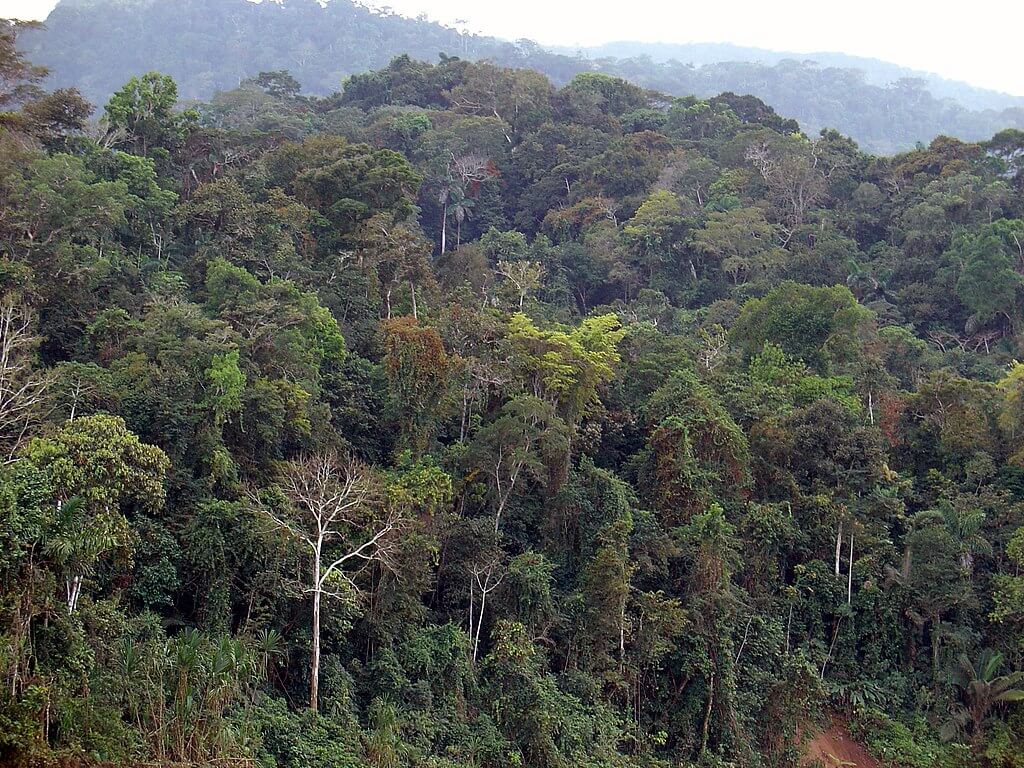
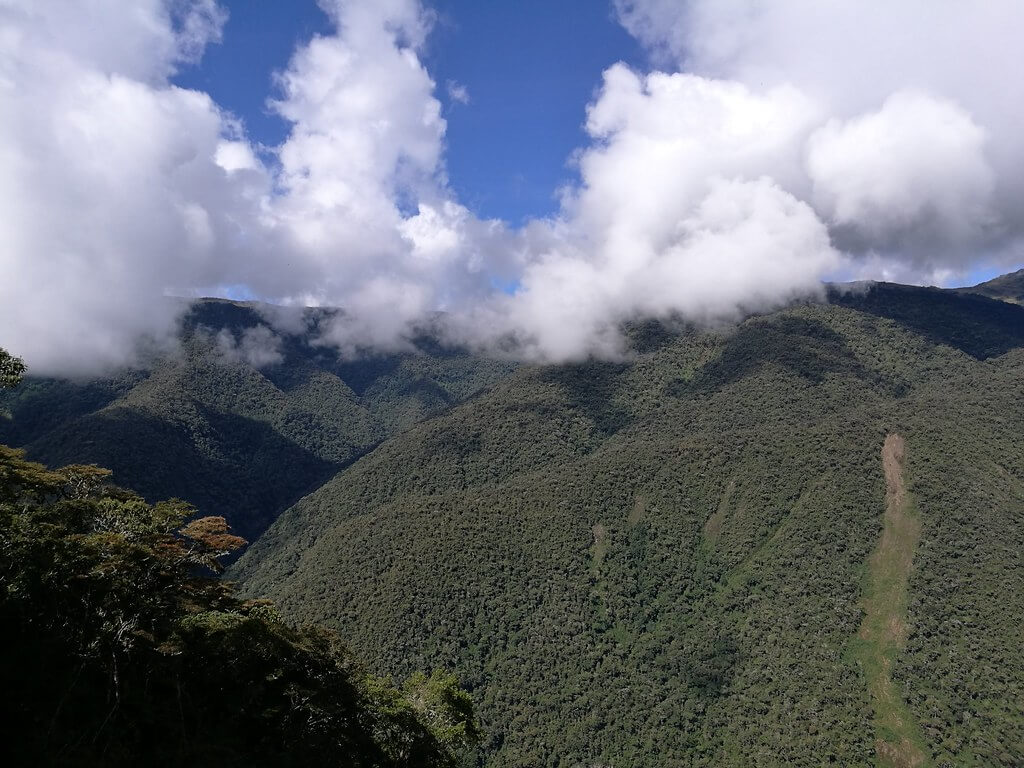
The Peruvian Amazon presents a breathtaking fusion of contrasting ecosystems shaped by complex geological forces. The region begins where mist-shrouded cloud forests, locally known as "bosques nubosos," cling to the precipitous eastern slopes of the Peruvian Andes at elevations ranging from 1,500 to 3,500 meters (4,921 to 11,483 feet). These montane cloud forests exist in a perpetual state of moisture, receiving between 2,000 and 6,000 millimeters (79 to 236 inches) of rainfall annually, creating unique microclimates that support extraordinary endemic species.
As elevation decreases, the landscape gradually transitions through distinct ecological zones: the "selva alta" (high jungle) between 400 and 1,000 meters (1,312 to 3,281 feet), characterized by steep terrain and rapid-flowing rivers; the "selva baja" (low jungle) below 400 meters (1,312 feet), featuring the classic lowland rainforest with its towering emergent trees and complex canopy structure; and the seasonally flooded "várzea" forests along major rivers, which experience annual inundation cycles that can raise water levels by 10 to 15 meters (33 to 49 feet).
This transitional zone creates a biodiversity hotspot where unique species have adapted to specialized elevations and microclimates. Scientists have identified distinct "elevational bands" of species distribution, with many organisms showing remarkable adaptations to specific altitudinal ranges. The phenomenon of "altitudinal migration" is particularly pronounced here, where species such as the Andean cock-of-the-rock (Rupicola peruvianus) move seasonally between elevations in response to fruit availability and breeding cycles.
La Selva's immense scale is staggering, covering approximately 60% of Peru's total land area while supporting only 5% of the national population, roughly 1.6 million people. This remarkable disparity underscores the region's pristine, largely untouched character and highlights the formidable challenges of navigating its dense wilderness, where tree density can exceed 600 trees per hectare (243 trees per acre).
The Birthplace of a Legendary River: Hydrological Complexity
At the heart of the Peruvian Amazon lies one of geography's greatest marvels: the intricate river system that gives birth to the mighty Amazon River. The Amazon's true source has been debated for centuries, but modern GPS technology has confirmed that the Mantaro River, flowing from Peru's central highlands, represents the most distant source of the Amazon system, traveling approximately 6,992 kilometers (4,345 miles) to reach the Atlantic Ocean.
The confluence of the Marañón and Ucayali rivers near the city of Nauta creates the official beginning of the Amazon River proper. The Marañón, Peru's longest river at 1,737 kilometers (1,079 miles), drains the northern Peruvian Andes and carries massive amounts of sediment—up to 100 million tons annually—giving it a characteristic brown color. The Ucayali, stretching 1,771 kilometers (1,100 miles), originates in the Peruvian Andes and maintains clearer waters due to its passage through less erosive terrain.
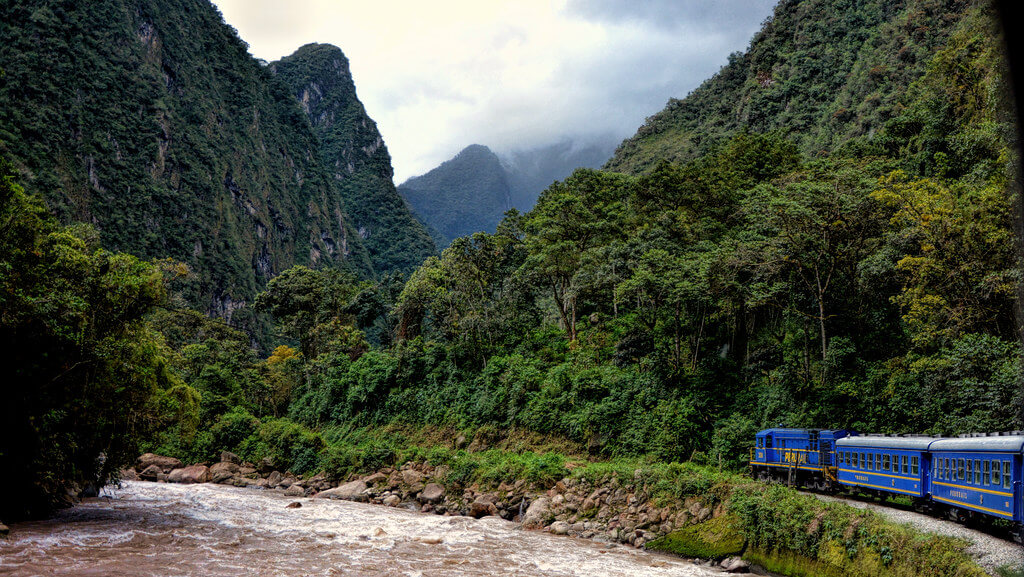
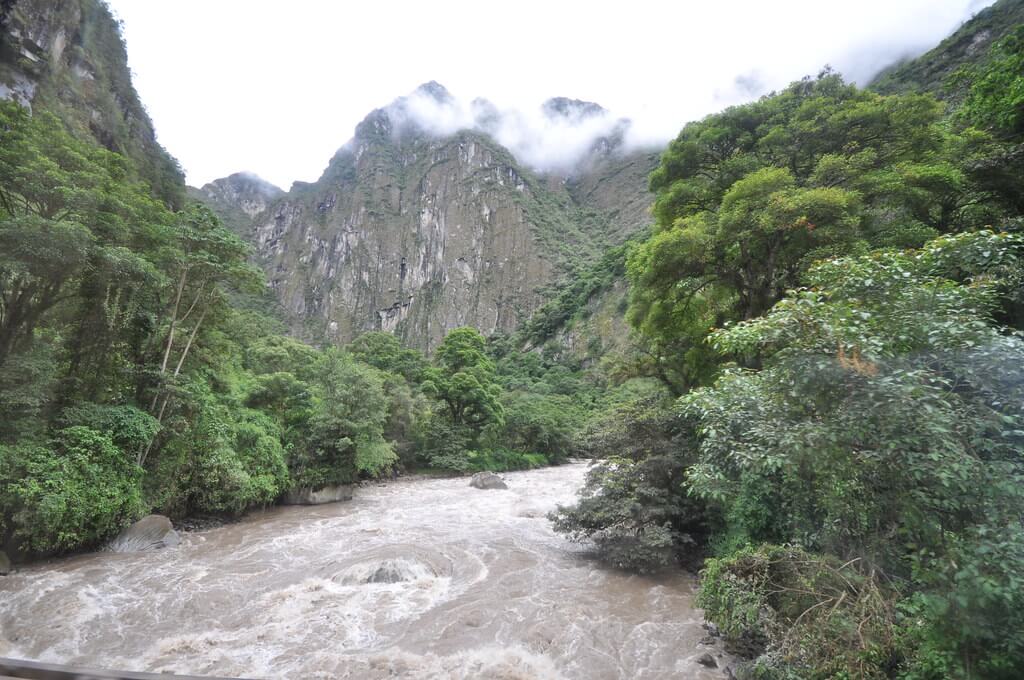
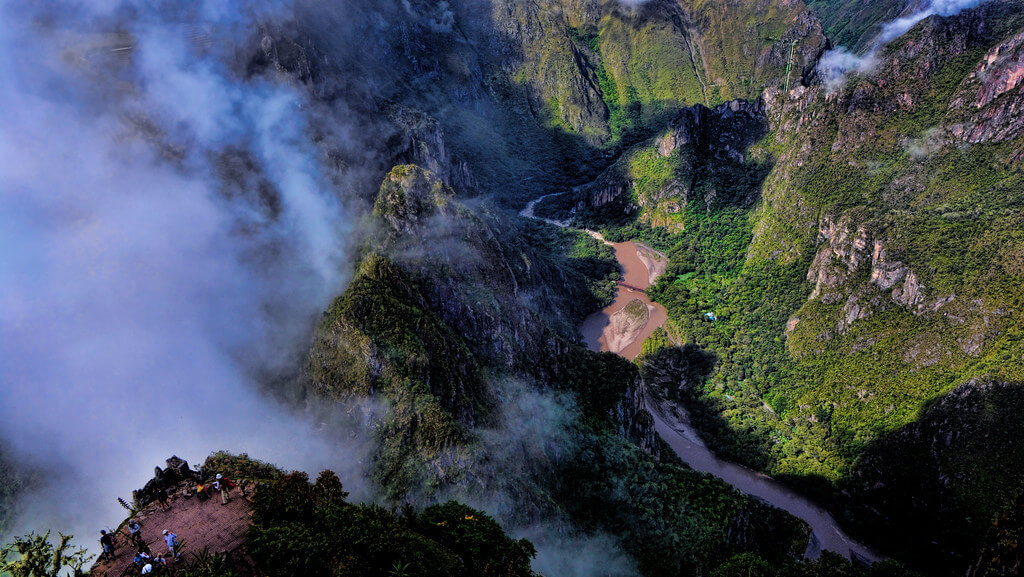
The Urubamba River, celebrated for flowing past iconic sites like Machu Picchu and through the Sacred Valley, represents another crucial component of this system. This river, known to the Incas as "Willkanuta" (House of the Sun), carries both historical significance and ecological importance as it contributes approximately 15,000 cubic meters per second (529,720 cubic feet per second) to the Ucayali system during peak flow periods.
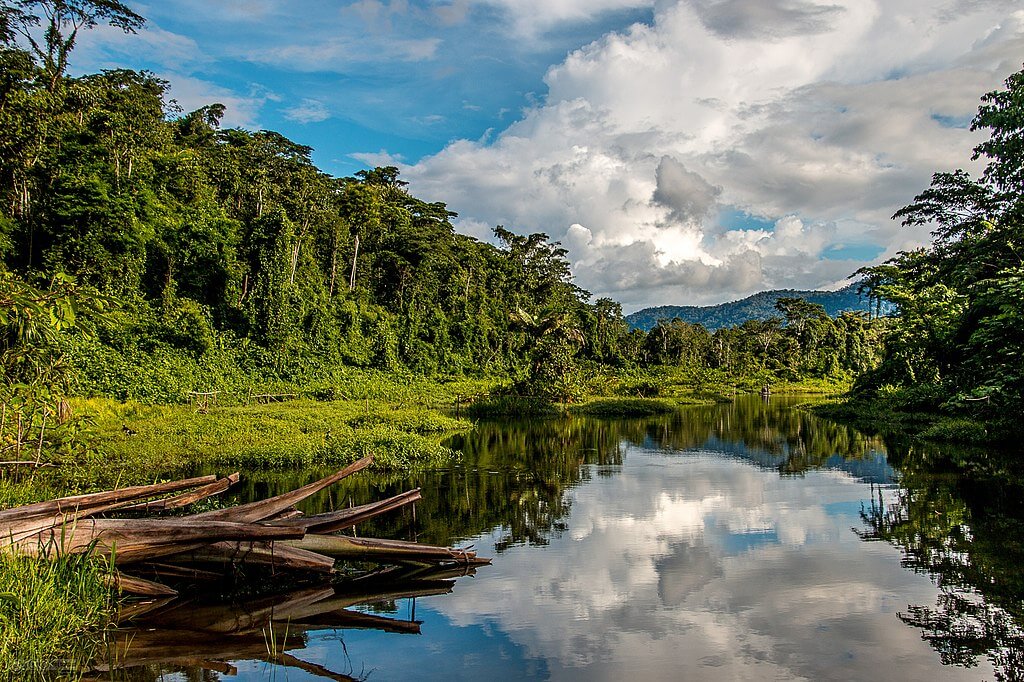
These rivers serve as more than mere waterways; they function as the circulatory system of La Selva, creating a complex network of over 3,000 tributaries within Peru alone. The annual flood cycle, known locally as "creciente" (rising waters) and "vaciante" (falling waters), dictates the rhythm of life throughout the region. During peak flooding, typically between December and May, water levels can rise 10 to 15 meters (33 to 49 feet), inundating up to 20% of the forest floor and creating temporary aquatic highways for both wildlife and human communities.
A Living Mosaic of Cultures: Indigenous Wisdom and Traditional Knowledge
The Peruvian Amazon stands as both a global epicenter of biodiversity and a vibrant cradle of human cultural diversity, home to approximately 65 distinct Indigenous groups speaking languages from 16 different linguistic families. This cultural richness represents one of the highest concentrations of linguistic diversity on the planet, with many languages belonging to unique families found nowhere else.
Among the most prominent Indigenous nations, the Aguaruna (Awajún) people number approximately 70,000 individuals and inhabit the northern regions along the Marañón River. Renowned for their historical resistance against both Inca and Spanish colonization, the Aguaruna maintain sophisticated knowledge of forest pharmacology, utilizing over 500 medicinal plants in their traditional healing practices. Their worldview, centered on the concept of "ajutap" (life force), emphasizes the interconnectedness of all living beings and has influenced modern conservation approaches.
The Cocama-Cocamilla people, numbering approximately 15,000, are renowned as master navigators of the river systems. Historically known as the "river people," they developed sophisticated aquaculture techniques, constructing elaborate fish weirs and practicing sustainable fishing methods that maintain fish populations while providing community sustenance. Their traditional ecological knowledge includes a detailed understanding of over 200 fish species and their behavioral patterns, information that has proven invaluable to modern ichthyological research.
The Urarina, with approximately 3,000 members, inhabit the remote Chambira River basin and maintain one of the region's most distinctive cultural traditions. Their language, Urarina, represents an isolated linguistic family with no known relatives, suggesting ancient origins. The Urarina practice a sophisticated form of rotational agriculture, maintaining forest gardens that can support families for generations while preserving forest cover and biodiversity.
Many communities practice "chakras"—traditional agroforestry systems that integrate crops like plantain, cassava, and cacao with forest trees, creating sustainable food production systems that mimic natural forest structure. These systems can support population densities of 5-10 people per square kilometer (13-26 people per square mile) while maintaining 90% forest cover, demonstrating the possibility of human habitation that enhances rather than degrades ecosystem health.
Scattered throughout this vast wilderness, urban centers offer crucial infrastructure and serve as cultural hubs. Iquitos, with a population of approximately 437,000, serves as Peru's largest inland city and the world's largest city accessible only by river. Founded during the rubber boom of the late 19th century, Iquitos maintains architectural remnants of its wealthy past, including buildings decorated with azulejos (Portuguese tiles) imported during the height of the rubber trade.
Pucallpa, Peru's second-largest Amazonian city with 310,000 inhabitants, maintains vital road connections to the highlands via the historic Carretera Central. This city serves as a crucial commercial hub where Andean products meet Amazonian goods, creating a unique cultural fusion. Other significant settlements—including Puerto Maldonado (population 85,000), the gateway to Tambopata National Reserve; Moyobamba (47,000), known for its orchid diversity; Tarapoto (120,000), a rapidly growing ecotourism center; and Tingo María (55,000), famous for its cave systems—each contribute unique character to the region's urban landscape.
An Unparalleled Biological Treasury: Evolutionary Masterpiece
The Peruvian Amazon unequivocally ranks among the most biologically diverse regions on Earth, representing what scientists call a "museum of evolution"—a place where ancient lineages have persisted and diversified over millions of years. Peru boasts 1,857 confirmed bird species—more than any other country worldwide—and ranks third globally in mammal diversity with 559 recorded species. Within La Selva's boundaries, an astounding 44% of all bird species and 63% of all mammal species recorded in Peru find sanctuary, creating population densities that can exceed 400 bird species and 100 mammal species per square kilometer in optimal habitats.
Flora: A Vertical Universe of Plant Life
The forest structure itself represents a marvel of evolutionary architecture. Towering emergent trees, including giants like the Brazil nut tree (Bertholletia excelsa) and the cecropia (Cecropia species), reach heights of 60 meters (197 feet) and can live for over 500 years. These titans create a complex vertical ecosystem with distinct layers: the emergent layer above 45 meters (148 feet), the continuous canopy between 30-45 meters (98-148 feet), the understory from 5-30 meters (16-98 feet), and the forest floor below 5 meters (16 feet).
Each layer supports distinct communities of life. The canopy alone hosts an estimated 50% of all terrestrial species, with some trees supporting over 100 species of epiphytes—plants that grow on other plants without parasitizing them. Peru's Amazon contains over 3,000 orchid species, many of which are found nowhere else on Earth. These include the spectacular Psychopsis papilio (butterfly orchid) and the diminutive Platystele stenostachya, whose flowers measure less than 3 millimeters (0.12 inches) across.
The forest floor, receiving less than 2% of sunlight, supports specialized communities adapted to low-light conditions. Here, massive buttressed trees, such as the lupuna (Ceiba pentandra), create natural amphitheaters, while the forest floor remains relatively clear due to the rapid decomposition of organic matter. The average temperature stays constant at 24-26°C (75-79°F) year-round, with humidity levels consistently above 80%.
Fauna: Masters of Adaptation
The region's mammalian diversity showcases remarkable evolutionary adaptations. The Amazon's apex predator, the jaguar (Panthera onca), reaches its largest size here, with individuals weighing up to 120 kilograms (265 pounds). These powerful cats demonstrate extraordinary swimming ability, regularly crossing rivers several kilometers wide and hunting caimans, giant river otters, and even anacondas.
The Amazon's primate diversity is exceptional, with Peru hosting 32 species, including the endangered yellow-tailed woolly monkey (Oreonax flavicauda), found only in Peru's cloud forests. The red howler monkey (Alouatta juara) produces calls that can be heard over 5 kilometers (3.1 miles) away, serving as territorial markers in the dense forest where visual communication is limited.
Aquatic life reaches extraordinary diversity in the Amazon's waters. The region hosts over 3,000 fish species—more than the entire Atlantic Ocean. This includes giants like the arapaima (Arapaima gigas), which can reach lengths of 3 meters (9.8 feet) and weights of 200 kilograms (441 pounds), as well as the infamous piranha species, most of which are actually omnivorous and play crucial roles in nutrient cycling.
The insect diversity defies comprehension. Scientists estimate that a single hectare (2.47 acres) of Amazon Rainforest may contain over 50,000 insect species. The region hosts the world's largest butterfly, the Queen Alexandra's birdwing, with a wingspan reaching 25 centimeters (9.8 inches), alongside countless species of beetles, ants, and other invertebrates that form the foundation of the forest's food webs.
Ecological Processes: The Engine of Life
The Amazon's ecological processes operate on scales both vast and minute. The forest generates approximately 50% of its rainfall through evapotranspiration, creating "flying rivers" that transport water vapor across the continent. A single large tree can release 400 liters (106 gallons) of water per day into the atmosphere, collectively contributing to weather patterns that influence the climate across South America.
Nutrient cycling occurs with remarkable efficiency. The rapid decomposition of the forest floor, facilitated by fungi and bacteria, ensures that nutrients are quickly returned to the ecosystem. Most trees have shallow root systems that extend only 1-2 meters (3.3-6.6 feet) deep, with extensive mycorrhizal networks that can extend for hundreds of meters, creating a "wood wide web" that connects forest plants and facilitates the exchange of nutrients and information.
Guardians of Green: Conservation Efforts and Protected Areas
Peru has demonstrated a remarkable commitment to preserving its Amazonian heritage through extensive protected areas covering over 20 million hectares (49.4 million acres)—an area larger than the United Kingdom. These conservation efforts represent one of the most ambitious biodiversity protection programs in the developing world.
Manú National Park: A Biodiverse Sanctuary
Manú National Park, a UNESCO World Heritage site spanning 15,328 square kilometers (5,917 square miles), serves as an unparalleled meeting point between the Tropical Andes and Amazon Basin ecosystems. Established in 1973, the park protects an extraordinary altitudinal gradient, ranging from cloud forests at 3,500 meters (11,483 feet) to lowland rainforests at 200 meters (656 feet) in elevation.
The park's biodiversity records are staggering: over 1,000 bird species (more than the entire United States and Canada combined), 200 mammal species, 1,200 butterfly species, and an estimated 15,000 plant species. The park's strict protection zones remain completely off-limits to tourism, with access restricted to scientific research and Indigenous communities who have inhabited the region for millennia.
Manú's unique zonation system comprises a core zone (81% of the park), where no human activities are permitted except for the traditional practices of Indigenous communities, a buffer zone allowing limited scientific research, and a cultural zone where sustainable tourism operates under strict guidelines. This management approach has proven highly successful, with virtually no deforestation within park boundaries over the past five decades.
Tambopata National Reserve: Research and Conservation
The Tambopata National Reserve, covering 2,747 square kilometers (1,061 square miles), exemplifies Peru's commitment to integrating conservation with scientific research and sustainable development. The reserve protects one of the world's most important clay licks, where hundreds of macaws, parrots, and other wildlife gather daily to consume mineral-rich clay that neutralizes toxins in their diet.
The reserve hosts three of the world's premier biological research stations: the Tambopata Research Center, which has operated continuously since 1989; the Los Amigos Biological Station, focusing on long-term ecological monitoring; and the Cocha Cashu Biological Station, renowned for its primate research. These facilities have produced over 1,000 peer-reviewed scientific publications, making a significant contribution to our understanding of tropical ecology.
Indigenous Protected Areas and Community Conservation
Beyond formal protected areas, Peru has recognized Indigenous territories covering over 13 million hectares (32.1 million acres) as crucial conservation zones. Studies consistently show that Indigenous-managed lands maintain forest cover as effectively as national parks, with deforestation rates often below 0.1% annually.
The Ese Eja people of the Tambopata region have developed innovative ecotourism programs that generate sustainable income while maintaining traditional practices. Their "ethno-tourism" model allows visitors to experience authentic Indigenous culture while providing economic incentives for forest conservation. Similar programs among the Matsés, Shipibo, and other groups demonstrate how Indigenous knowledge and conservation can create mutually beneficial relationships.
Threats and Conservation Challenges
Despite these conservation successes, the Peruvian Amazon faces unprecedented challenges. Illegal gold mining, particularly in the Madre de Dios region, has contaminated over 650 kilometers (404 miles) of rivers with mercury and destroyed approximately 95,000 hectares (235,000 acres) of forest. The mining operations release an estimated 40 tons of mercury annually into the ecosystem, resulting in health crises for both wildlife and human communities.
Deforestation rates, while lower than in neighboring countries, still average 150,000 hectares (371,000 acres) annually, primarily due to agricultural expansion, cattle ranching, and infrastructure development. The proposed construction of new roads and hydroelectric dams threatens to fragment remaining wilderness areas and disrupt river ecosystems.
Climate change poses additional threats, with temperatures in the Amazon rising 0.7°C (1.3°F) over the past century and rainfall patterns becoming increasingly unpredictable. Scientists project that 20-30% of the Amazon could transition to savanna if current trends continue, representing a catastrophic loss of biodiversity and ecosystem services.
Conclusion: A Global Imperative
The Peruvian Amazon represents far more than a geographical region; it embodies a living testament to the intricate relationships between human cultures and natural ecosystems that have evolved over thousands of years. As the source of the world's greatest river system and home to unparalleled biodiversity, La Selva serves as a global treasure requiring urgent and sustained protection.
The region's Indigenous communities, with their deep ecological knowledge and sustainable practices accumulated over thousands of years, offer invaluable lessons for conservation efforts worldwide. Their traditional management systems demonstrate that human habitation and biodiversity conservation are not only compatible but can be mutually reinforcing when based on respect for natural processes and long-term thinking.
However, this enchanting realm faces unprecedented challenges in the 21st century. The combined pressures of illegal resource extraction, agricultural expansion, infrastructure development, and climate change threaten to unravel millions of years of evolutionary history within a matter of decades. The loss of Amazon biodiversity would represent an irreversible catastrophe not only for Peru but for global climate stability, pharmaceutical discovery, and the intrinsic value of life itself.
The future of the Peruvian Amazon depends on our collective commitment to supporting Indigenous rights, sustainable development alternatives, and international cooperation in conservation efforts. Recent initiatives, including debt-for-nature swaps, payments for ecosystem services, and sustainable eco-tourism, offer promising models for conservation financing that can compete with destructive economic activities.
As we face the global biodiversity crisis, the Peruvian Amazon stands as both a beacon of hope and a call to action. Its preservation requires not just government policies and international agreements, but a fundamental recognition that the health of La Selva—where rivers truly breathe life into the world—is inseparable from the health of our planet and the well-being of future generations.
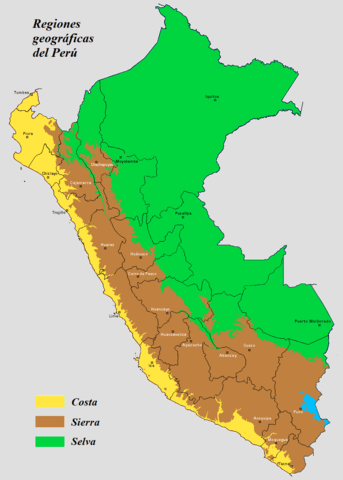
Map depicting the geographical regions of Peru, including La Selva, in green.