
Latin America's Web of Life: Continental-Scale Connectivity Corridors
Latin America's natural corridors form a continental wildlife system that links rainforests, cities, mountain peaks, and oceans across borders, supporting biodiversity in one of the world's most diverse regions. These corridors are both a conservation challenge and a success.

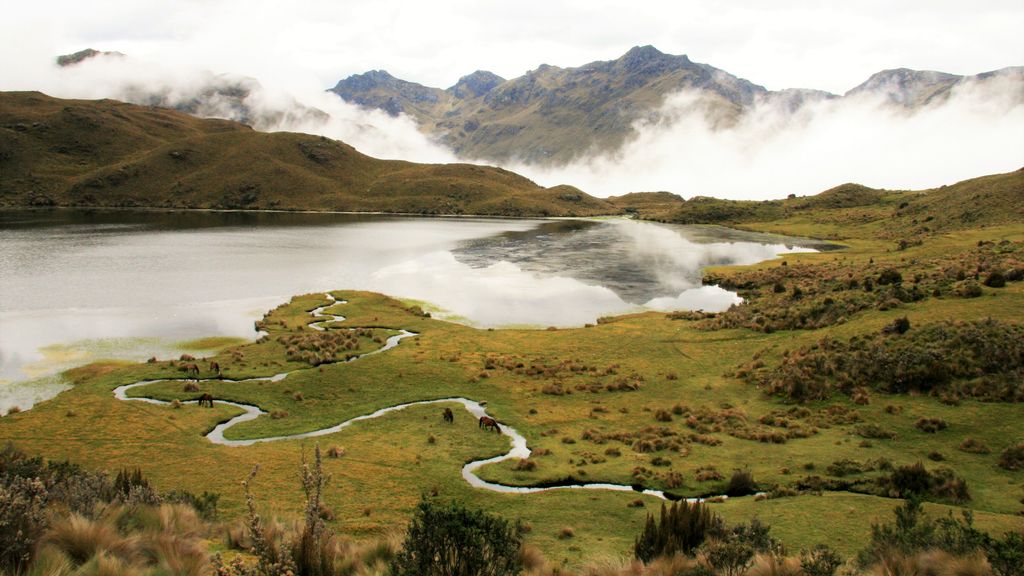
From Mexico to Patagonia: Latin America's Natural Highway System
From the tropical forests of Mexico to the windswept grasslands of Patagonia, Latin America is connected by an intricate network of natural corridors that function like a continental circulatory system for wildlife. These connectivity corridors, stretching across 20 million square kilometers (7.7 million square miles) of diverse landscapes, represent one of the world's most ambitious conservation challenges and greatest success stories. They connect ancient rainforests with modern cities, link mountain peaks with ocean shores, and bridge national boundaries to create pathways that support the movement of millions of species across the most biodiverse region on Earth.
Latin America contains approximately 60% of the world's remaining tropical rainforests, 25% of its total forests, and harbors more species than any other region. Yet this incredible biodiversity faces unprecedented threats from habitat fragmentation, climate change, and human development. Connectivity corridors have emerged as nature's answer to these challenges, allowing ecosystems to function as integrated networks rather than isolated islands of life.
What Makes Latin American Corridors Unique?
Unlike corridors in other parts of the world, Latin America's connectivity networks operate on a truly continental scale. They span multiple countries, cross diverse climate zones, and connect ecosystems that exist nowhere else on the planet. These corridors must accommodate everything from tiny poison dart frogs that can barely cross a road to jaguars (Panthera onca) that roam territories spanning hundreds of square kilometers.
The region's corridors also serve multiple functions simultaneously. A single corridor might provide migration routes for birds, genetic connections for forest trees, seasonal pathways for mammals, and critical ecosystem services, such as watershed protection, for human communities. This multi-functional approach makes Latin American corridors some of the most complex and ecologically important in the world.
Perhaps most importantly, many of these corridors incorporate Indigenous territories and traditional lands, where local communities have maintained forest cover and wildlife populations for centuries. This creates a unique model where conservation and cultural preservation work hand in hand.
The Mesoamerican Biological Corridor: A Continental Bridge
The Mesoamerican Biological Corridor represents the world's most ambitious multinational conservation project. Stretching 1,000 kilometers (620 miles) from Mexico's Yucatan Peninsula to Panama's Darien Province, this massive corridor connects tropical forests across eight countries and protects over 100 million hectares (247 million acres) of critical habitat.
Within this broader system, the Maya Forest and Marine Corridors create vital connections between terrestrial forests and coastal ecosystems across Mexico, Belize, and Guatemala. These corridors protect both the cultural heritage of Maya communities and critical habitats for species such as the West Indian manatee (Trichechus manatus) and the hawksbill sea turtle (Eretmochelys imbricata), which depend on both forest and marine environments.
Mexico's Pantanos de Centla corridor protects extensive coastal wetlands in Tabasco, connecting freshwater swamps with marine ecosystems in the Gulf of Mexico. This corridor supports over 300 bird species and serves as a critical stopover for migratory waterfowl traveling between North and South America.
This broader corridor system serves as a bridge between North and South America for countless migrating species. Over 200 species of birds utilize it during their annual migrations, while mammals such as tapirs (Tapirus bairdii), jaguars, and howler monkeys (Alouatta species) rely on it for genetic connectivity between populations. The corridor also protects the headwaters of major rivers and provides ecosystem services to over 50 million people.
What makes this corridor remarkable is its integration of protected areas, sustainable-use zones, and community-managed forests. Rather than excluding human activity, it demonstrates how conservation and development can coexist when properly planned and managed.
Brazil's Atlantic Forest: Rebuilding a Shattered Ecosystem
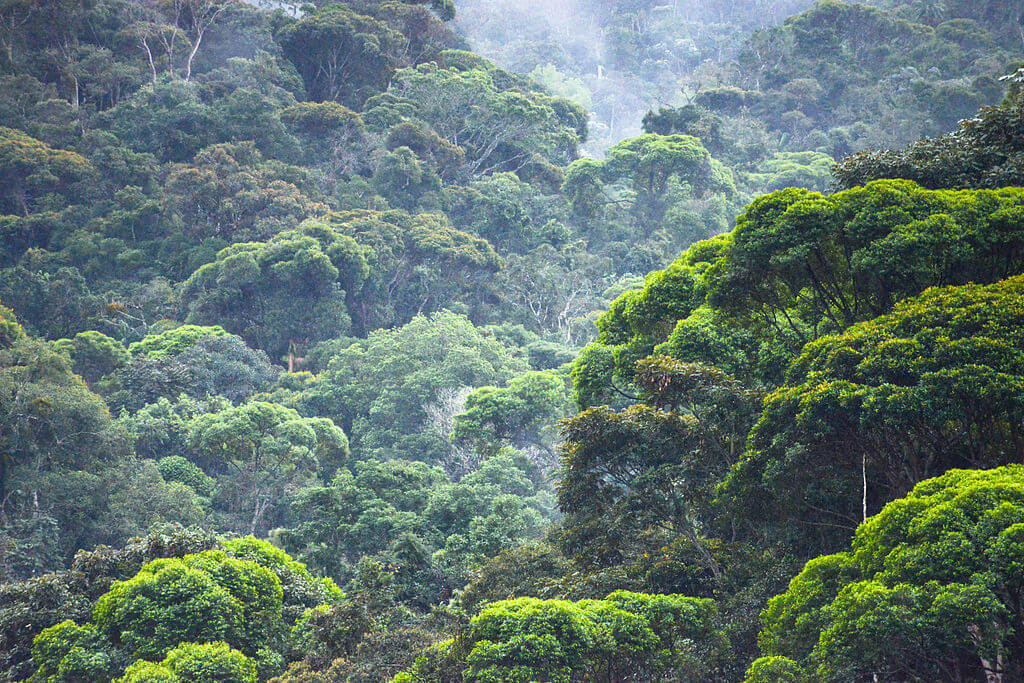
Once covering 150 million hectares (370 million acres) along Brazil's Atlantic coast, the Atlantic Forest (Mata Atlântica) has been reduced to just 12% of its original extent. Yet this remnant still harbors over 20,000 plant species—more than the entire North American continent—and 60% of Brazil's threatened species.
The Central Atlantic Forest Ecological Corridor (CAFEC) represents the largest and most ambitious restoration effort within this ecosystem. Covering over 8 million hectares (20 million acres) across multiple Brazilian states, CAFEC connects existing forest fragments through strategic restoration plantings and sustainable land management practices.
Recognizing that isolated forest fragments cannot sustain this incredible biodiversity, conservationists have created an ambitious network of corridors to reconnect the scattered remains. The Atlantic Forest Restoration Pact aims to restore 15 million hectares (37 million acres) by 2050, primarily through strategic corridor plantings that link existing forest patches.
These corridors benefit species like the golden lion tamarin (Leontopithecus rosalia), which was nearly extinct with just 200 individuals in the 1970s but has recovered to over 3,000 thanks to corridor restoration efforts. The corridors also protect water sources for major cities like São Paulo and Rio de Janeiro, demonstrating how biodiversity conservation directly benefits human populations.
Patagonian Grassland Corridors: Connecting the Southern Cone
The vast Patagonian steppes create different corridor challenges than tropical forests. Here, wildlife movements occur across open grasslands, following river valleys and avoiding mountain barriers. These corridors support the migration of guanacos (Lama guanicoe), the movement of pumas (Puma concolor), and the seasonal flights of millions of shorebirds.
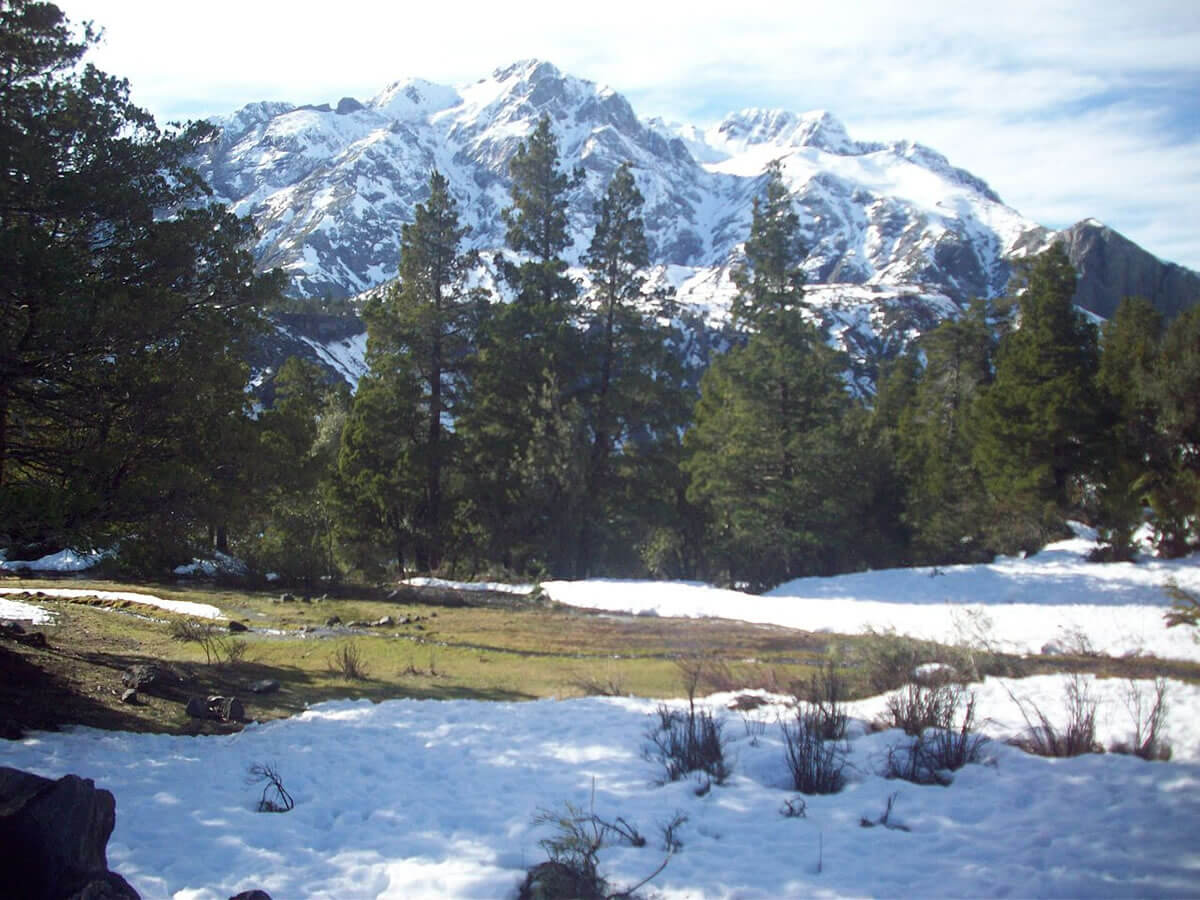
In Chile's central Andes, the Corredor Biológico Nevados de Chillán - Laguna del Laja connects high-altitude volcanic landscapes with temperate forests, protecting critical habitat for the endangered Chilean huemul (Hippocamelus bisulcus) and providing corridors for Andean condors (Vultur gryphus) moving between feeding and roosting areas.
The Patagonian corridors cross the Argentina-Chile border, requiring international cooperation to maintain connectivity. They also integrate with marine corridors along both Atlantic and Pacific coasts, where southern right whales (Eubalaena australis) and elephant seals (Mirounga species) complete the land-sea connection.
Grassland corridors face unique threats from livestock overgrazing and conversion to agriculture, but they also offer opportunities for sustainable ranching practices that maintain habitat connectivity while supporting local economies.
Amazon Basin Corridors: The World's Largest River Network
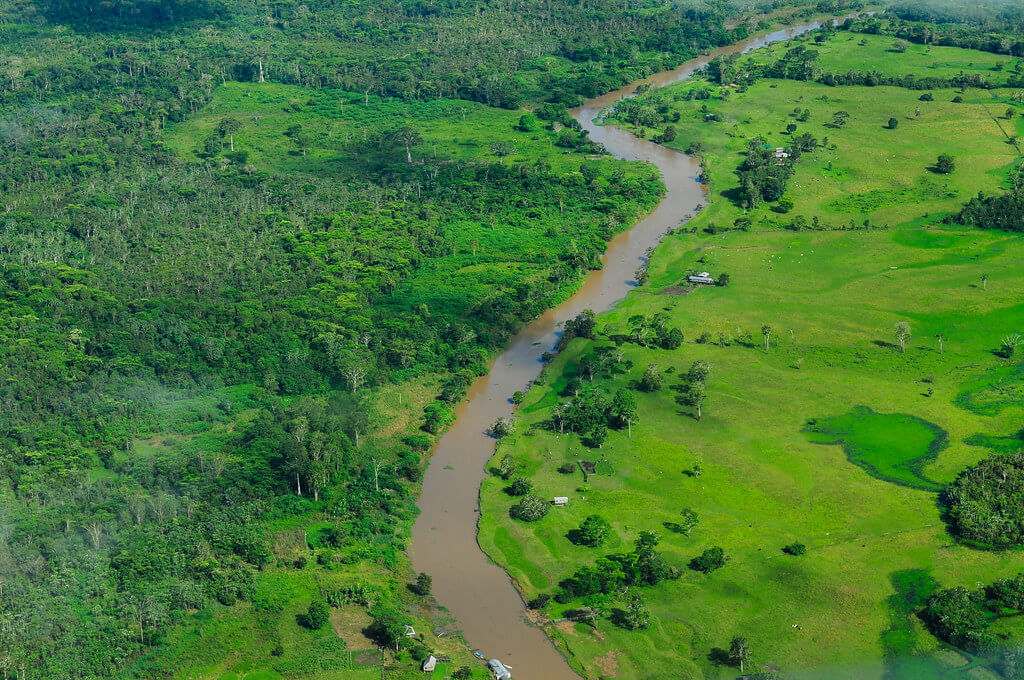
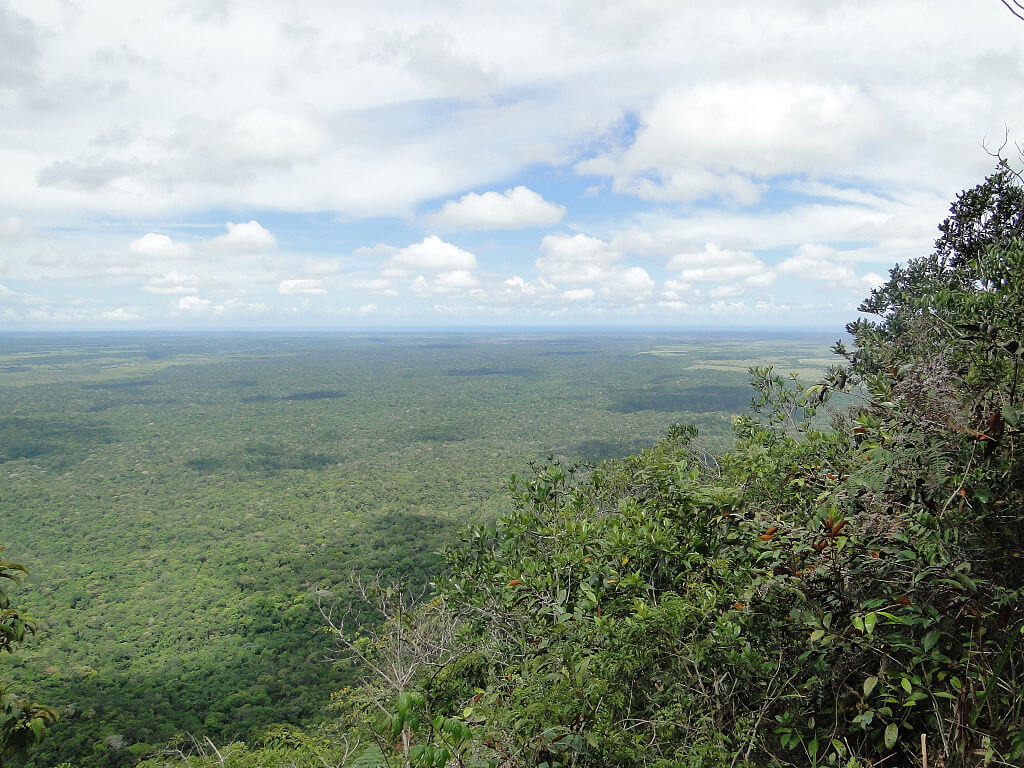
The Amazon Basin is home to the world's most extensive river corridor network, with waterways serving as natural highways for numerous species. The Central Amazon Ecological Corridor (CAEC) protects over 52 million hectares (128 million acres) of continuous rainforest, making it one of the largest protected corridor systems on Earth.
This massive corridor encompasses multiple national parks and reserves, maintaining connectivity for wide-ranging species, such as jaguars, that require territories spanning hundreds of square kilometers. River dolphins (Inia geoffrensis) use the waterways as liquid highways, while countless bird species follow river corridors during seasonal movements.
In Brazil's northern Amazon, the Amapá Biodiversity Corridor creates crucial connectivity between Brazil, French Guiana, and Suriname. This corridor protects some of the Amazon's most pristine forests while maintaining the traditional territories of Indigenous peoples who have managed these ecosystems sustainably for millennia.
The Pantanal-Cerrado Connection: Where Water Shapes Corridors
The world's largest tropical wetland, the Pantanal, connects to Brazil's vast Cerrado savannas through a complex network of seasonal and permanent corridors. During flood season, water creates temporary pathways that allow fish, caimans, and aquatic birds to move across vast areas. As waters recede, terrestrial corridors become active, allowing mammals to follow traditional routes between feeding and breeding areas.
This system supports over 3,500 plant species, 650 bird species, 400 fish species, 190 mammal species, and 120 reptile species. Jaguars here achieve some of their highest population densities in the world, while giant otters (Pteronura brasiliensis) use the waterways as liquid highways between different hunting territories.
The Pantanal-Cerrado corridors illustrate how seasonal flooding can create dynamic connectivity that fluctuates throughout the year, necessitating flexible conservation approaches that adapt to natural cycles.
Marine and Coastal Corridors: Ocean Highways
Latin America's coastlines host some of the world's most important marine corridors. The Pacific coast serves as a superhighway for migrating whales, with humpback whales (Megaptera novaeangliae) traveling over 8,000 kilometers (5,000 miles) between feeding areas in Antarctica and breeding grounds in Ecuador and Colombia.
Sea turtle corridors connect nesting beaches across multiple countries with feeding areas thousands of kilometers away. Leatherback turtles (Dermochelys coriacea) nest on Caribbean beaches but feed in the cold waters off Chile and Argentina, requiring corridor protection across entire ocean basins.
Coastal corridors also connect terrestrial and marine ecosystems, allowing species like marine iguanas in the Galápagos and seabirds throughout the region to move between land and sea habitats.
Urban Corridors: Nature in the City
Latin America's rapidly growing cities have created innovative urban corridor networks. Medellín, Colombia, has developed "green corridors" that connect forest patches within the city while providing recreation areas for residents. São Paulo has created linear parks along rivers that serve as wildlife corridors through the urban landscape.
These urban corridors support surprising biodiversity, including over 200 bird species in São Paulo and numerous mammals in Mexico City's urban parks. They also provide essential ecosystem services, such as air purification, temperature regulation, and flood control.
Indigenous Territories: Traditional Corridors
Indigenous territories cover 23% of Latin America's land surface and often serve as crucial links in corridor networks. The Kayapo territory in Brazil connects different parts of the Amazon Basin, while Indigenous lands in Colombia link Andean and Amazonian ecosystems.
These territories represent some of the best-preserved habitats in Latin America, which have been maintained through traditional management practices that have sustained biodiversity for thousands of years. They demonstrate how human communities can be integral parts of functional corridor networks.
Climate Change and Corridor Evolution
Climate change is reshaping the needs of Latin America's corridors. As temperatures rise, many species need to move toward cooler areas, often requiring new corridor routes. Mountain species are moving upslope, while lowland species may need access to higher elevations for the first time.
Corridors are being designed with climate change in mind, creating pathways that allow species to track suitable habitat as conditions change. This includes connecting current habitat with areas that models predict will become suitable in the future.
Challenges and Threats
Latin America's corridors face numerous challenges. Road construction fragments habitats and creates barriers to movement. Agricultural expansion eliminates corridor habitat, while urban growth creates impermeable barriers. Mining and logging can destroy critical corridor links.
Political instability and limited resources make corridor maintenance difficult, especially for corridors that cross national boundaries. Different countries may have conflicting priorities or management approaches that complicate the conservation of corridors.
Success Stories and Conservation Innovation
Despite these challenges, Latin America has achieved remarkable successes in corridor conservation. The Mesoamerican Biological Corridor has maintained forest connectivity across eight countries for over two decades. Brazil's Atlantic Forest restoration efforts have reconnected previously isolated forest fragments, thereby reconnecting them. Costa Rica has increased its forest cover from 17% to over 50% through corridor-focused conservation.
Payment for ecosystem services programs compensates landowners for maintaining corridor habitat. Sustainable certification systems support corridor-friendly agriculture and forestry. Ecotourism provides economic incentives for corridor conservation.
The Future of Continental Connectivity
Latin America's corridor networks continue to evolve and expand. New corridors are being established to mitigate the impacts of climate change and address urban growth. Technology improvements, including satellite monitoring and genetic analysis, help identify where corridors are most needed and how well they're functioning.
International cooperation is increasing, with more countries recognizing that biodiversity conservation requires landscape-scale approaches that cross political boundaries. The success of existing corridor networks demonstrates that continental-scale preservation is not only possible but essential for maintaining Latin America's incredible biological diversity.
Conclusion
Latin America's connectivity corridors represent one of conservation's greatest achievements and ongoing challenges. These continental-scale networks demonstrate that it's possible to maintain biodiversity and ecosystem function across vast, diverse landscapes while supporting human communities and economic development.
As climate change and human pressures intensify, these corridors become increasingly important as lifelines for millions of species. Their continued success depends on sustained international cooperation, innovative financing mechanisms, and recognition that healthy ecosystems are essential for human wellbeing.
The web of life that connects Latin America's diverse landscapes offers hope that we can maintain the planet's biodiversity while meeting human needs. These corridors demonstrate that conservation is most effective when it operates at the same scale as the natural processes it seeks to protect - connecting mountains to oceans, forests to grasslands, and nations to one another in service of our shared natural heritage.