
Brazil's Islands and Archipelagos: Atlantic Jewels and River Giants
Along Brazil's coast and rivers, many islands and archipelagos highlight the country's natural diversity and maritime heritage. From volcanic peaks in the Atlantic to Amazon river islands, these ecosystems host endemic species, ancient cultures, and protected marine environments.
Brazil's Maritime Treasures: Islands and Archipelagos of the Atlantic Paradise
Along Brazil's expansive 7,491-kilometer (4,655-mile) coastline and within its vast river systems, a remarkable collection of islands and archipelagos reveals the country's extraordinary natural diversity and rich maritime heritage. From volcanic peaks rising from the deep Atlantic to lush river islands nestled within the Amazon Basin, these scattered jewels offer glimpses into unique ecosystems where endemic species thrive, ancient cultures flourish, and conservation efforts protect some of South America's most pristine marine environments. These islands serve as both natural sanctuaries and cultural crossroads, where Portuguese colonial history mingles with Indigenous traditions, and where modern Brazil's commitment to environmental protection takes tangible form in UNESCO World Heritage sites and carefully managed marine reserves.
Atlantic Ocean Archipelagos: Volcanic Wonders and Marine Sanctuaries
Fernando de Noronha Archipelago: Brazil's Oceanic Crown Jewel
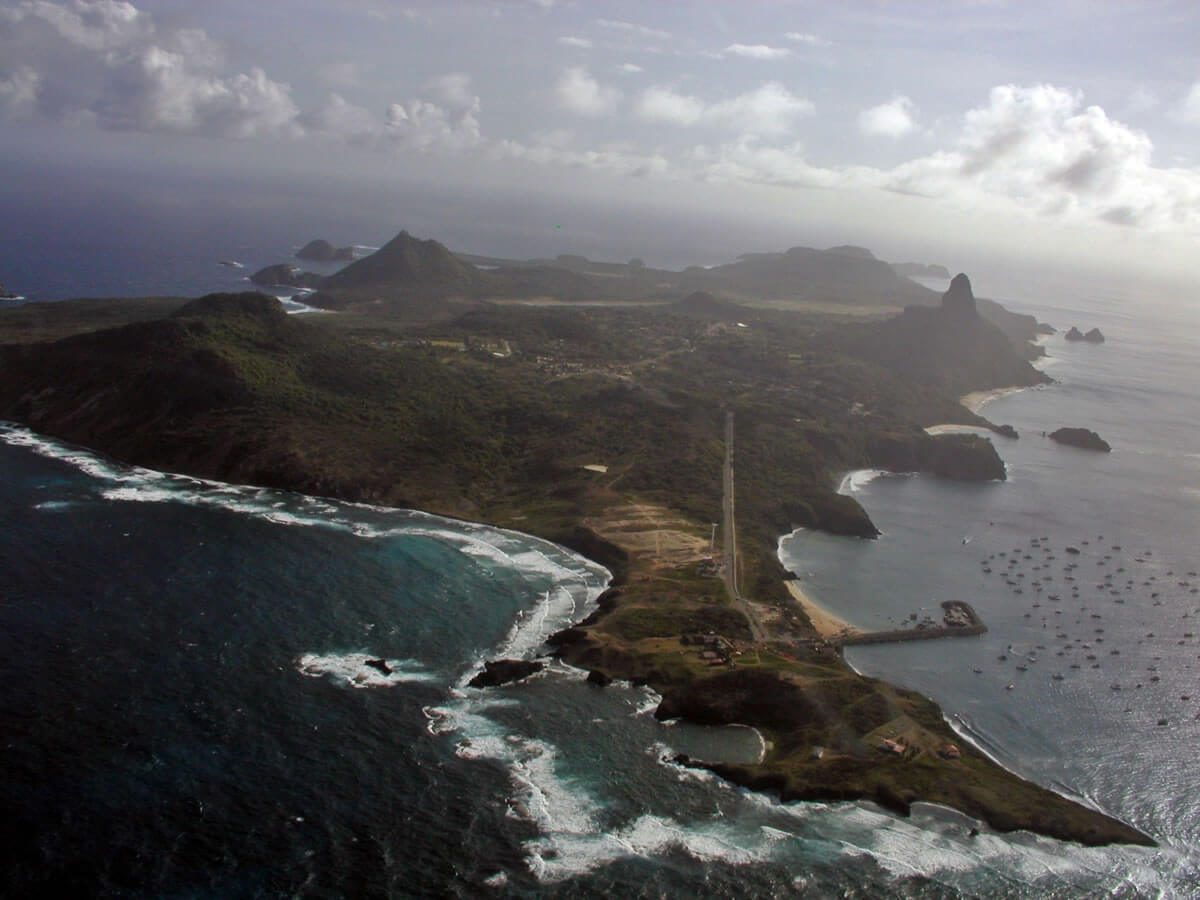
Rising dramatically from the depths of the South Atlantic Ocean, approximately 350 kilometers (217 miles) northeast of Brazil's coast, the Fernando de Noronha Archipelago stands as one of the world's most pristine marine sanctuaries. This remarkable volcanic archipelago, designated a UNESCO World Heritage Site in 2001 alongside the nearby Atol das Rocas, encompasses 21 islands and islets covering a total area of just 26 square kilometers (10 square miles).
The main island of Fernando de Noronha, with its distinctive jagged peaks and dramatic cliff faces, bears witness to ancient volcanic activity that created this isolated paradise millions of years ago. The island's highest point, Pico do Francês, towers 321 meters (1,053 feet) above the crystal-clear waters, offering spectacular panoramic views across the archipelago. The surrounding waters, protected within a 115-square-kilometer (44-square-mile) marine national park established in 1988, harbor extraordinary biodiversity that has made Fernando de Noronha a world-renowned destination for marine research and ecotourism.
The archipelago's isolation has created unique evolutionary pressures, resulting in a remarkable number of endemic species. The Noronha skink (Trachylepis atlantica) exists nowhere else on Earth, while the islands serve as critical breeding grounds for seabirds, including the magnificent frigatebird (Fregata magnificens) and the red-billed tropicbird (Phaethon aethereus). The warm, clear waters surrounding the islands support healthy populations of sea turtles, rays, dolphins, and reef sharks, creating an underwater paradise that attracts divers from around the globe.
Strict environmental controls limit the number of visitors to the archipelago, ensuring that tourism remains sustainable while providing crucial funding for conservation efforts. The islands' beaches, including the famous Baía do Sancho, which is repeatedly ranked among the world's best, showcase pristine white sand meeting impossibly blue waters, while dramatic rock formations create natural pools perfect for snorkeling and marine observation.
Atol das Rocas: Brazil's Only True Atoll
Located 260 kilometers (160 miles) west of Fernando de Noronha and 370 kilometers (230 miles) off Brazil's northeastern coast, Atol das Rocas represents Brazil's only true atoll formation. This oval coral atoll measures 3.7 kilometers (2.3 miles) long and 2.5 kilometers (1.6 miles) wide, with a central lagoon reaching depths of up to 6 meters (20 feet) and covering an area of 7.1 square kilometers (2.7 square miles).
The atoll's remote location and protected status as part of the Fernando de Noronha and Atol das Rocas UNESCO World Heritage designation have preserved one of the South Atlantic's most important seabird nesting sites. During breeding season, the tiny sandy islands within the atoll host massive colonies of masked boobies (Sula dactylatra), brown boobies (Sula leucogaster), and sooty terns (Onychoprion fuscatus), creating one of the most spectacular wildlife displays in the tropical Atlantic.
Saint Peter and Saint Paul Archipelago: Remote Rocky Sentinels
Perhaps the most isolated of Brazil's oceanic territories, the Saint Peter and Saint Paul Archipelago lies approximately 1,100 kilometers (680 miles) off the northeastern coast, positioned almost exactly on the equator. This cluster of 15 small rocky islets, with a total area of just 0.17 square kilometers (0.07 square miles), represents the exposed peaks of a massive underwater mountain range that rises from depths exceeding 4,000 meters (13,100 feet).
The archipelago's strategic location makes it a crucial research station for studying oceanic processes and marine biology. Despite their barren appearance above water, the surrounding seas teem with life, including significant populations of tuna, sharks, and other pelagic species. The islands serve as an important stopover for migratory seabirds crossing the Atlantic, while the surrounding waters provide critical habitat for species that depend on the unique oceanographic conditions created by the meeting of major ocean currents.
Trindade and Martim Vaz Archipelago: Brazil's Easternmost Frontier
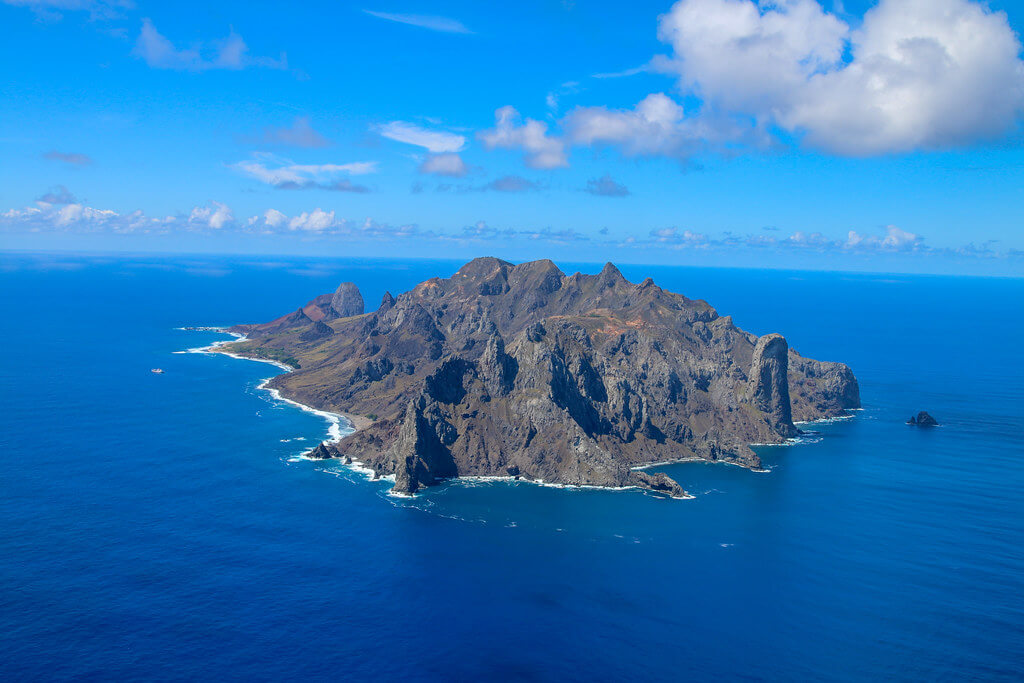
Marking Brazil's easternmost point, the Trindade and Martim Vaz Archipelago lies approximately 1,200 kilometers (750 miles) off the coast of Espírito Santo. This remote volcanic archipelago, consisting of five main islands and several smaller rocks, represents one of the most isolated pieces of Brazilian territory, surrounded by some of the deepest waters in the South Atlantic.
Trindade Island, the largest of the group at 10.4 square kilometers (4.0 square miles), rises to a maximum elevation of 620 meters (2,034 feet) above sea level. The island's volcanic origins are evident in its dramatic landscape of rugged peaks, deep valleys, and black sand beaches. Despite its harsh appearance, Trindade supports unique endemic species that have evolved in isolation, including the Trindade petrel (Pterodroma arminjoniana) and several endemic plant species found nowhere else on Earth.
Coastal Islands: Cultural Heritage and Natural Beauty
Ilha Grande: From Prison Island to Paradise
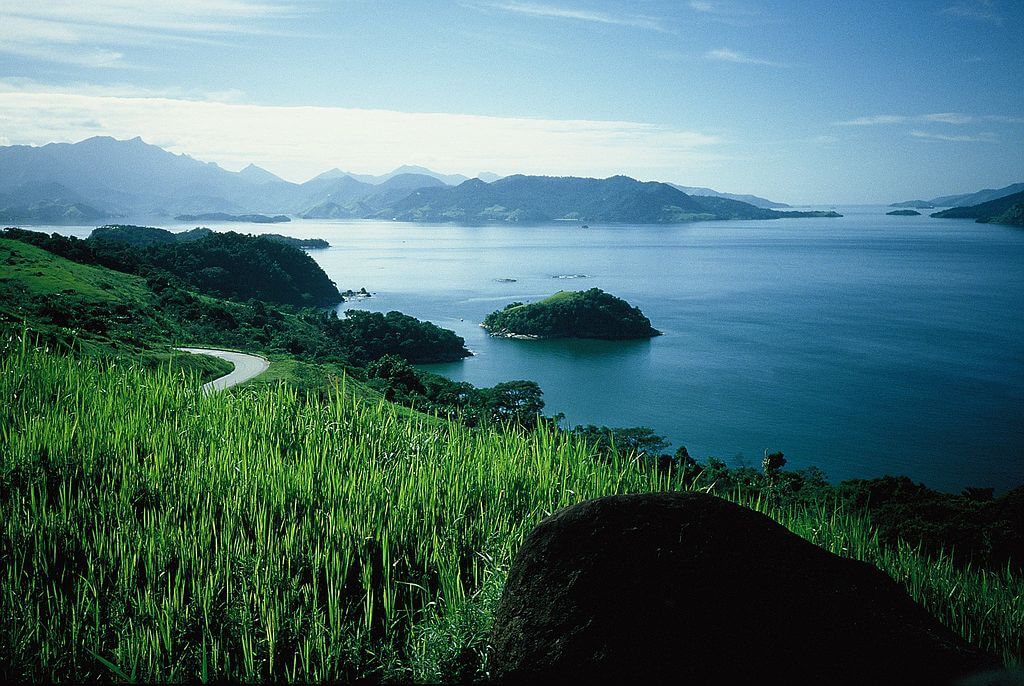
Off the coast of Rio de Janeiro state, Ilha Grande spans 193 square kilometers (75 square miles) of pristine Atlantic rainforest, dramatic beaches, and fascinating history. Once the site of a notorious prison that housed political prisoners during Brazil's military dictatorship, the island has been transformed into a protected paradise where no cars are permitted and development remains strictly controlled.
The island's interior harbors remnants of Atlantic Forest (Mata Atlântica) that once covered much of Brazil's coast, providing habitat for endangered species, including the brown howler monkey (Alouatta guariba) and numerous endemic bird species. The surrounding waters protect important coral reefs and serve as nursery areas for marine life, while the island's 86 beaches offer everything from gentle swimming spots to world-class surfing breaks.
Ilhabela: The Beautiful Island
Located off the coast of São Paulo state, Ilhabela lives up to its name as "Beautiful Island," covering 348 square kilometers (134 square miles) of mountainous terrain blanketed in Atlantic Forest. The island's dramatic topography includes over 300 waterfalls, with some cascading directly onto pristine beaches, creating unique freshwater-saltwater ecosystems.
The island serves as a crucial refuge for Atlantic Forest biodiversity, harboring populations of endangered species such as the muriqui monkey (Brachyteles arachnoides) and the maned sloth (Bradypus torquatus). The surrounding waters, protected within a state park, support healthy coral reefs and serve as important breeding areas for green sea turtles (Chelonia mydas) and hawksbill turtles (Eretmochelys imbricata).
Santa Catarina Island: Urban Island Paradise
Home to the vibrant city of Florianópolis, Santa Catarina Island demonstrates how urban development and natural preservation can coexist successfully. The island's 436 square kilometers (168 square miles) encompass bustling metropolitan areas, traditional fishing communities, pristine beaches, and protected natural areas that harbor remnants of Atlantic Forest and important coastal ecosystems.
The island's 42 beaches cater to every taste, from the famous Praia Mole with its consistent surf breaks to the tranquil lagoons of Lagoa da Conceição. The island's unique position, connected to the mainland by two bridges, allows it to serve as both a major urban center and a gateway to some of southern Brazil's most spectacular coastal scenery.
River Islands: Amazonian Giants and Wetland Wonders
Marajó Archipelago: Where Rivers Meet the Sea
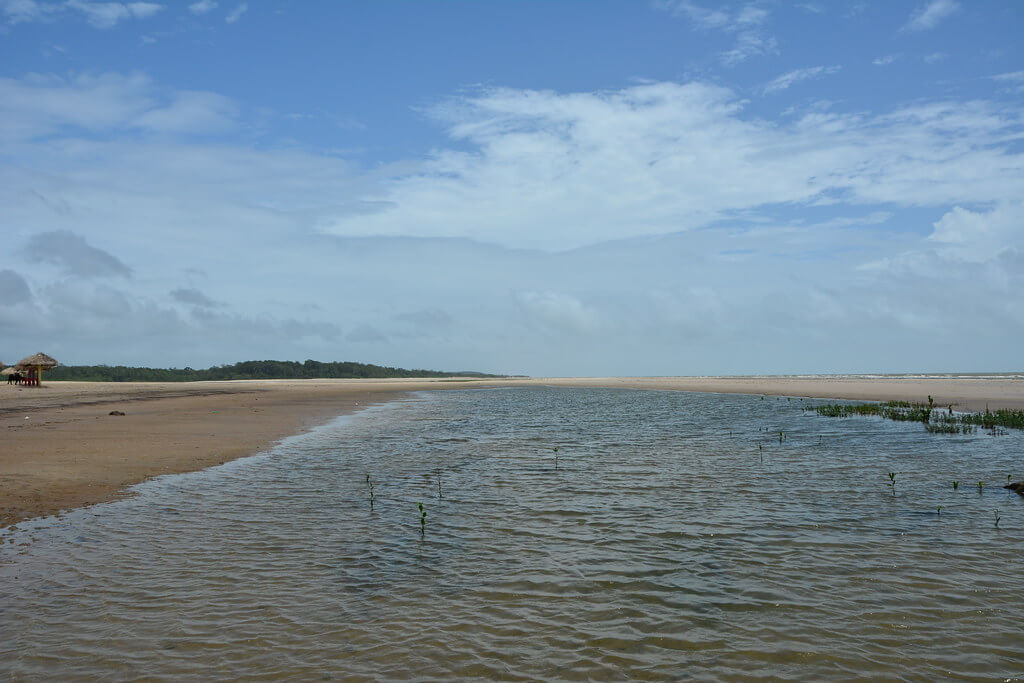
At the mouth of the Amazon River, the Marajó Archipelago represents one of the world's most remarkable fluvial-maritime formations. While often referred to simply as "Marajó Island" due to the dominance of its main island, this is actually an archipelago comprising several islands, with the principal Marajó Island covering 40,100 square kilometers (15,500 square miles) and measuring 295 kilometers (183 miles) long by 200 kilometers (124 miles) wide, making it the world's largest fluvial island within the world's largest river delta archipelago.
The archipelago's vast wetlands, known as várzeas, flood seasonally, creating one of the world's most extensive freshwater marsh systems. These wetlands support extraordinary biodiversity, including the world's largest population of water buffalo, introduced by Portuguese colonizers in the 18th century and now numbering over 450,000. The archipelago's unique ecosystem also supports over 300 bird species, including the magnificent jabiru stork (Jabiru mycteria) and the endangered Amazonian manatee (Trichechus inunguis).
Marajó's cultural heritage reflects its position at the crossroads of Indigenous, Portuguese, and African influences. The island's archaeological sites reveal sophisticated pre-Columbian civilizations, while its contemporary communities maintain traditional practices including buffalo ranching, fishing, and artisanal ceramics production.
Ilha do Bananal: The World's Largest River Island
Deep in Brazil's interior, where the Araguaia River splits and rejoins, lies Ilha do Bananal, the world's second-largest river island and the largest without an ocean coastline, stretching 350 kilometers (220 miles) long and 55 kilometers (34 miles) wide across 19,162 square kilometers (7,399 square miles). Despite some sources claiming it as the world's largest river island, recent geographical studies place it second to Marajó Island, though it remains the largest interior river island.
The island became Araguaia National Park in 1959 and serves as habitat for babassu palms, tropical birds, and freshwater fish, while providing a home to Indigenous Suyá communities. The island's position at the transition zone between the Amazon Rainforest and the Cerrado savanna creates unique ecological conditions that support extraordinary biodiversity, including jaguars (Panthera onca), giant otters (Pteronura brasiliensis), and over 300 bird species.
The island's wetlands, recognized as a Ramsar site for their international importance, flood annually during the rainy season, creating vast temporary lakes that serve as critical habitat for millions of waterfowl and wading birds. This seasonal flooding also supports traditional Indigenous fishing practices that have sustained local communities for centuries.
Conservation Success Stories and Challenges
Brazil's islands represent both conservation triumphs and ongoing challenges in the 21st century. The UNESCO World Heritage designations for Fernando de Noronha and Atol das Rocas demonstrate Brazil's commitment to protecting its marine heritage, while strict visitor controls and research programs ensure these ecosystems remain pristine for future generations.
However, many of Brazil's coastal islands face mounting pressure from development, tourism, and climate change. Rising sea levels threaten low-lying islands, while increasing ocean temperatures stress coral reef ecosystems. The challenge lies in striking a balance between the economic benefits of tourism and the imperative to preserve these fragile environments.
The success of islands like Ilha Grande, transformed from a prison island to a protected paradise, demonstrates that rehabilitation and conservation can succeed when supported by appropriate policies and community engagement. These islands serve as models for sustainable tourism, providing economic benefits while maintaining ecological integrity.
Scientific Research and Discovery
Brazil's islands continue to yield important scientific discoveries, from new species endemic to isolated ecosystems to insights into climate change impacts on marine environments. The remote oceanic islands serve as natural laboratories where researchers study evolution, adaptation, and ecosystem dynamics without the complications of continental influences.
Research stations on islands like Saint Peter and Saint Paul provide crucial data on oceanographic processes, while long-term monitoring programs track changes in marine ecosystems and bird populations. This research contributes not only to Brazilian conservation efforts but to global understanding of island biogeography and marine ecology.
Brazil's islands and archipelagos represent an extraordinary natural heritage that encompasses the full spectrum of the country's biodiversity and cultural richness. From the volcanic peaks of Fernando de Noronha rising from Atlantic depths to the vast wetlands of Marajó Island at the Amazon's mouth, these islands serve as sanctuaries for endangered species, laboratories for scientific research, and bridges connecting Brazil's terrestrial and marine environments. As guardians of these remarkable territories, Brazil continues to demonstrate that economic development and environmental conservation can coexist, ensuring that these island paradises remain protected for generations to come while providing sustainable benefits to the communities that call them home.
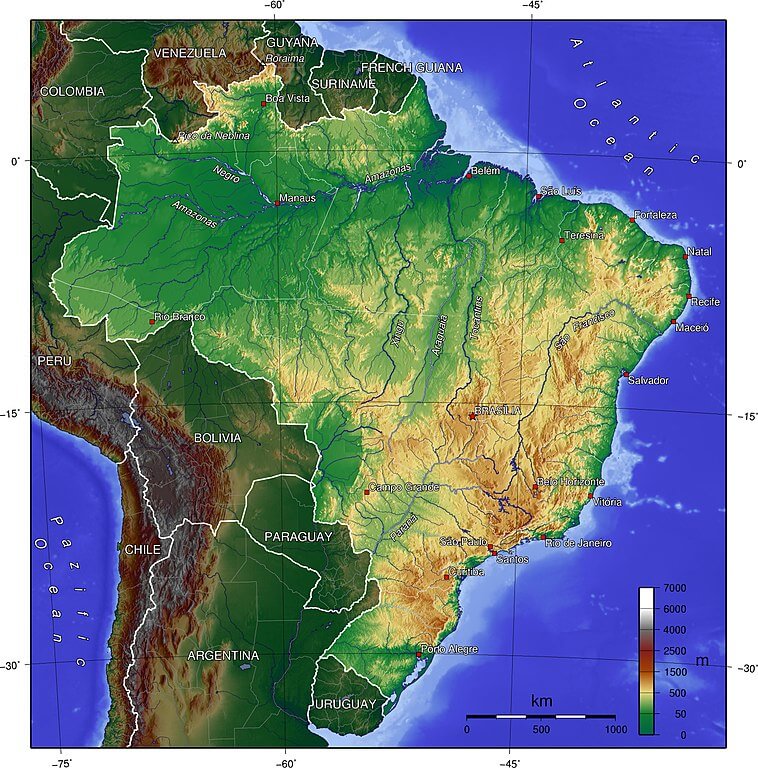
Topographical map of Brazil.