
Amazônia Unveiled: A Journey Through Nature's Crown Jewel
Amazônia, encompassing the Amazon rainforest, biome, basin, and river system, is Earth's most vital tropical ecosystem. It boasts unmatched biodiversity and is a key climate regulator. Often called "the lungs of the Earth," it forms a self-sustaining ecosystem that has evolved over millions of years.
The Amazon Complex: Earth's Vital Life-Support System
Amazônia—encompassing the Amazon rainforest, biome, basin, and river system—represents Earth's most magnificent and ecologically vital tropical region. This interconnected complex spans 6.7 million sq km (2.6 million sq mi) across nine South American countries, harboring unparalleled biodiversity while serving as a critical regulator of global climate and weather patterns.
Often called "the lungs of the Earth," this vast biogeographic region produces approximately 20% of the world's oxygen and stores 10-15% of global terrestrial carbon, making its preservation essential for planetary climate stability. The intricate relationships between its four major components create a self-sustaining system that has evolved over millions of years into nature's most complex and productive terrestrial region.
The Four Pillars of Amazônia
The Amazon Basin forms the geographical foundation of this vast ecosystem, encompassing all lands drained by the Amazon River and its tributaries. Covering 6.3 million sq km (2.4 million sq mi), this immense watershed includes territories in Brazil (60%), Peru (13%), Colombia (10%), and six other nations. The basin's gently sloping plains, rarely exceeding 200 m (650 ft) in elevation, create ideal conditions for the world's most extensive river network.
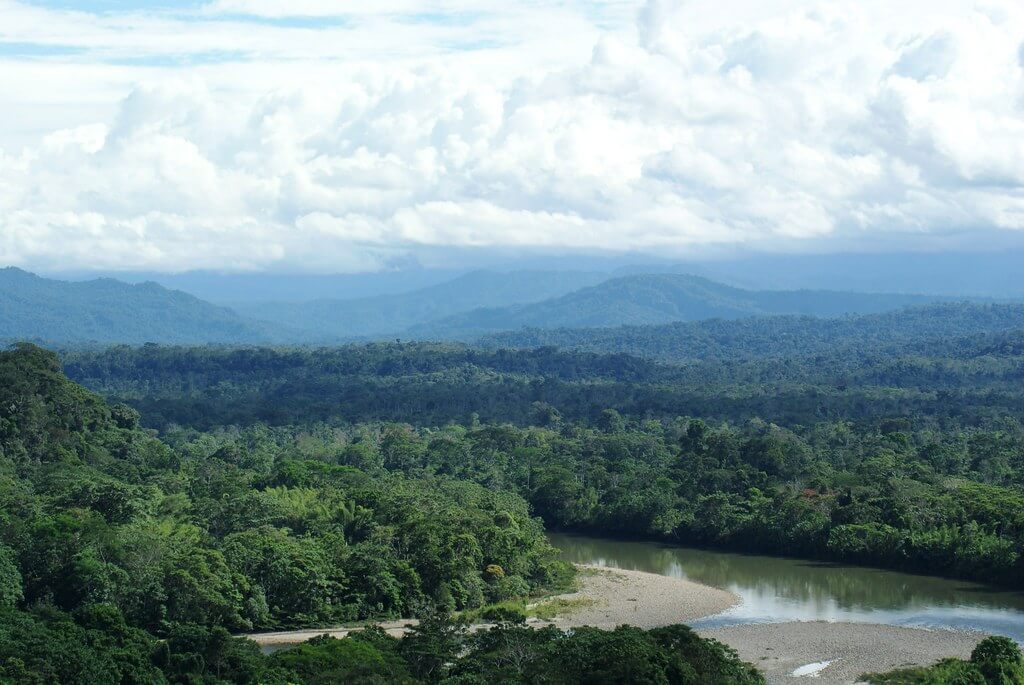
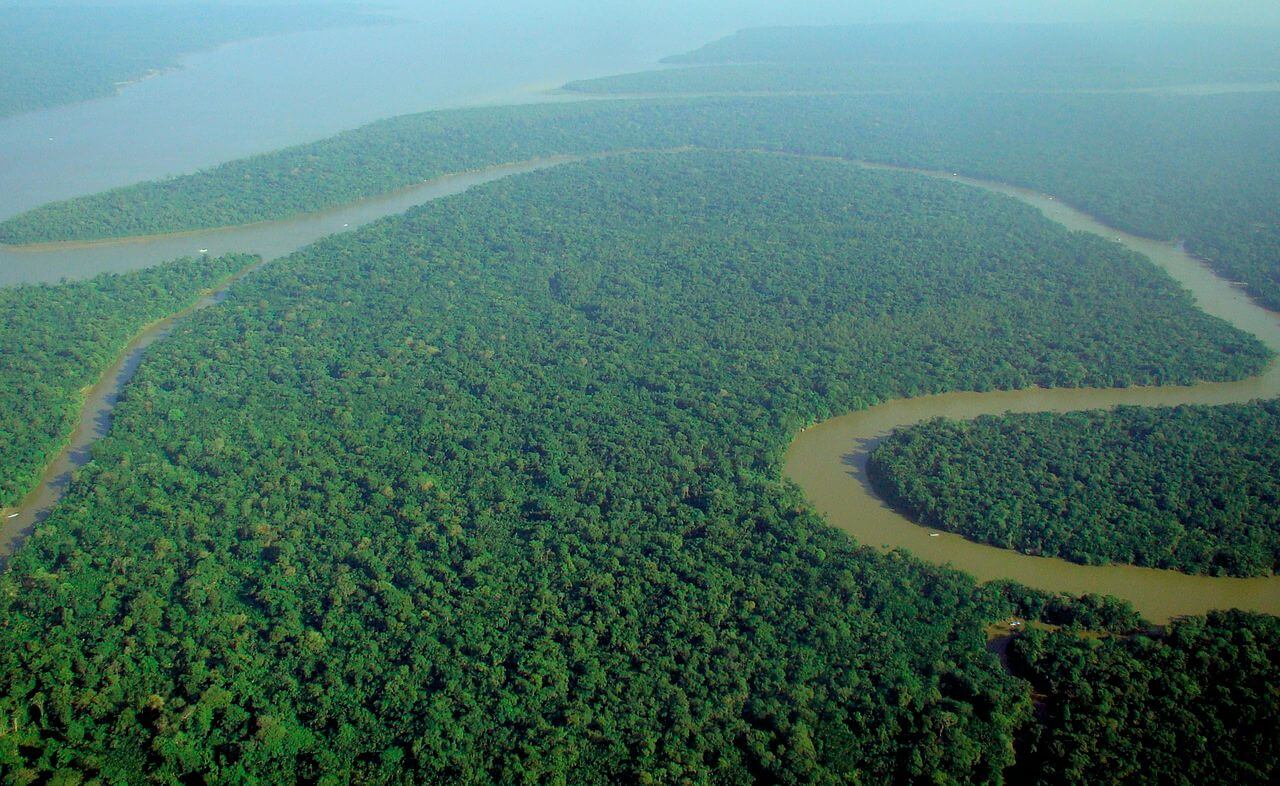
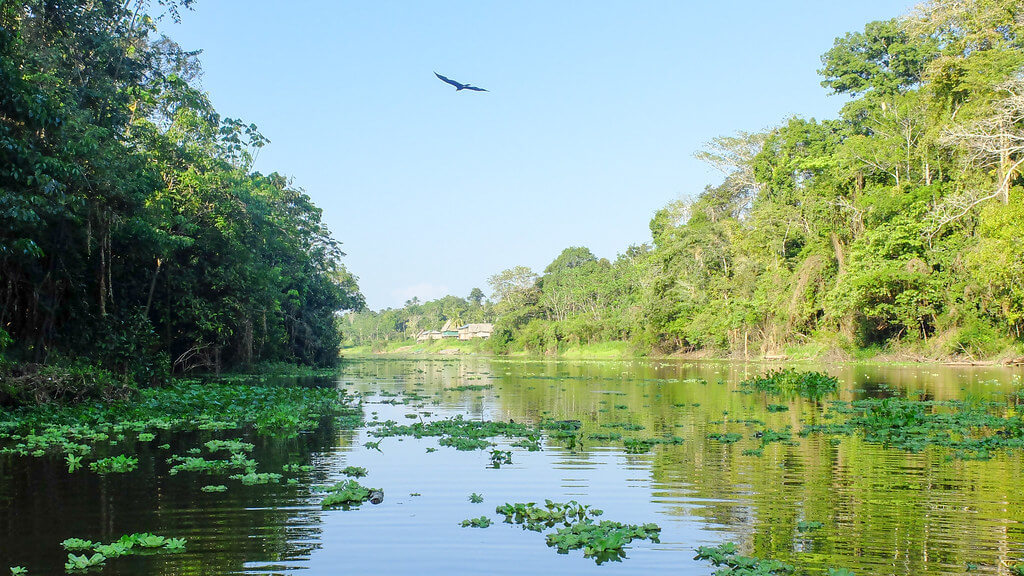
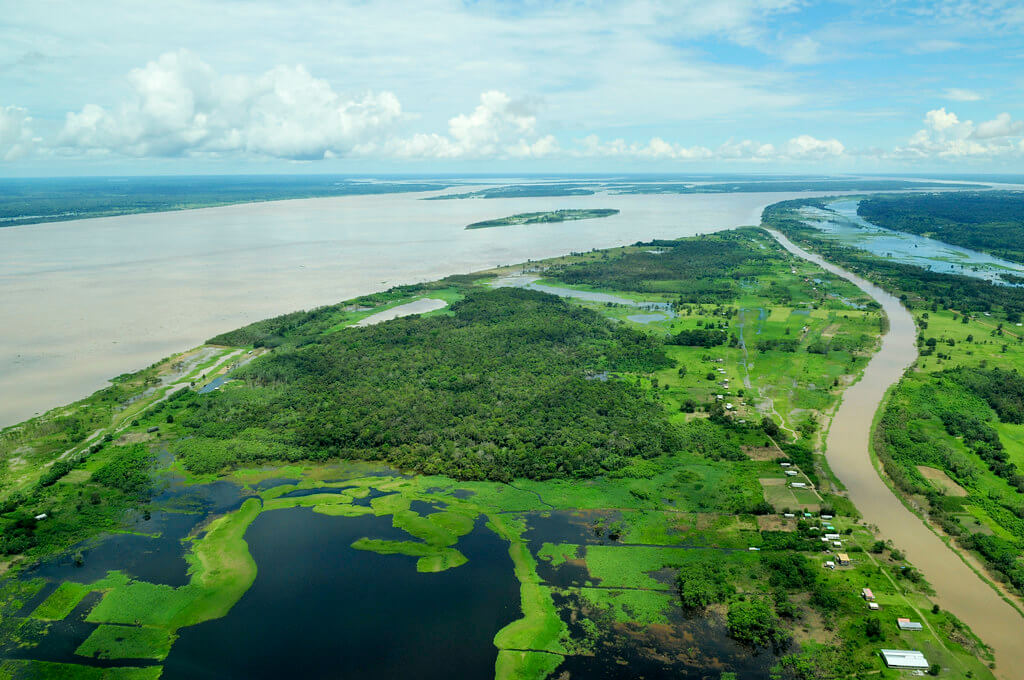
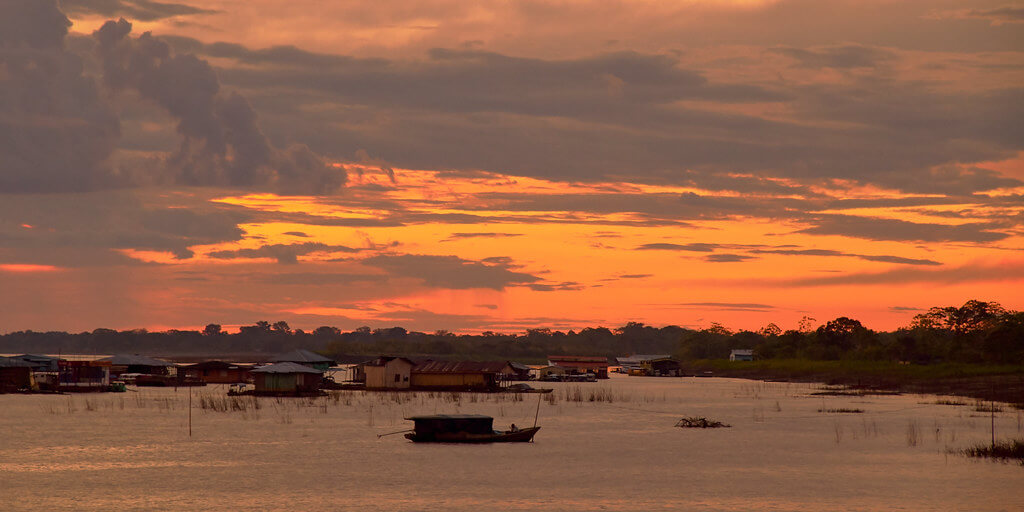
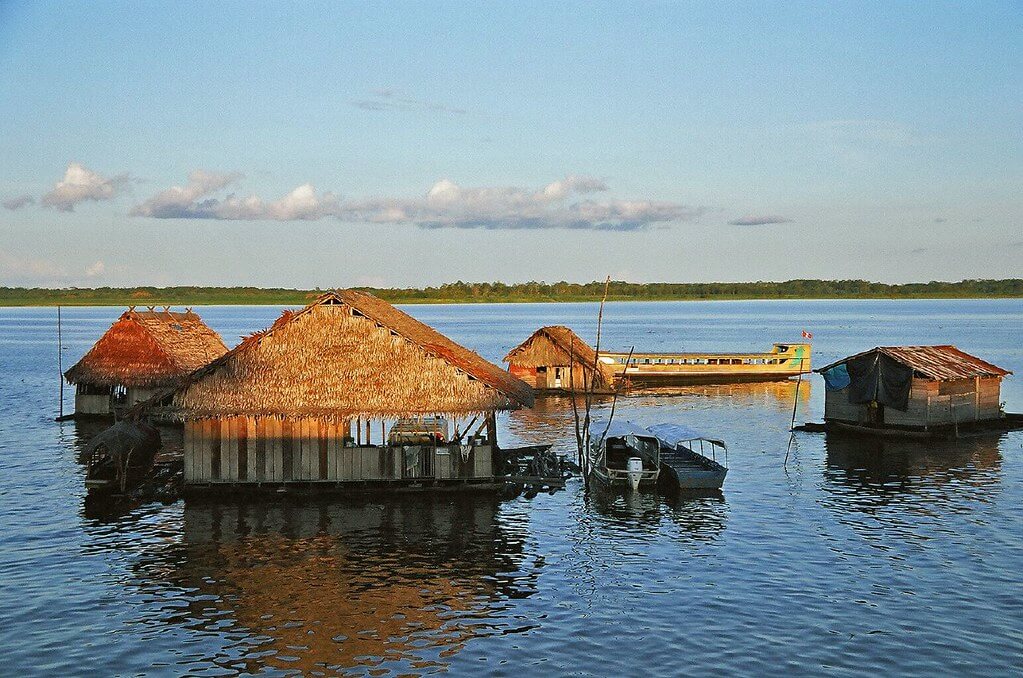
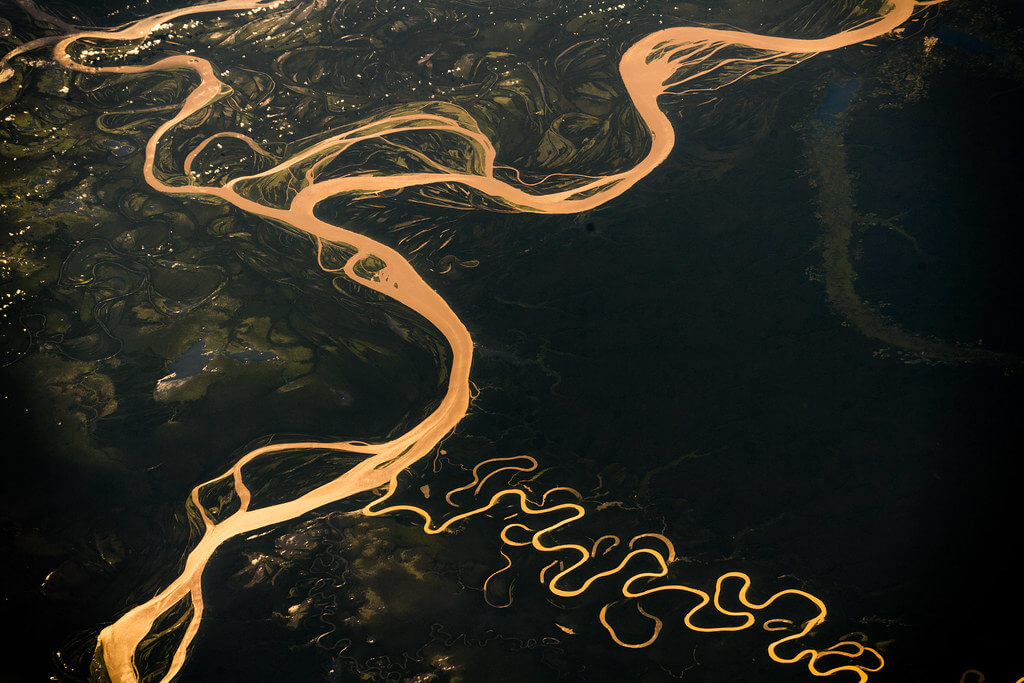
At the heart of Amazônia flows the Amazon River—Earth's largest river by discharge volume. Stretching 6,400 km (4,000 mi) from its Andean headwaters, fed in large part by the Marañón and Ucayali rivers of Peru, to the Atlantic Ocean, this mighty waterway carries 209,000 cubic meters of water per second to the sea, representing 20% of all freshwater entering the world's oceans. More than 1,100 tributaries feed this system, among them the blackwater Río Negro, which meets the Amazon's sediment-laden waters at Manaus in the famous "meeting of the waters," along with major arteries such as the Madeira, Xingu, Tapajós, and Purus rivers, creating an intricate network that serves as highways for nutrients, wildlife, and human communities.
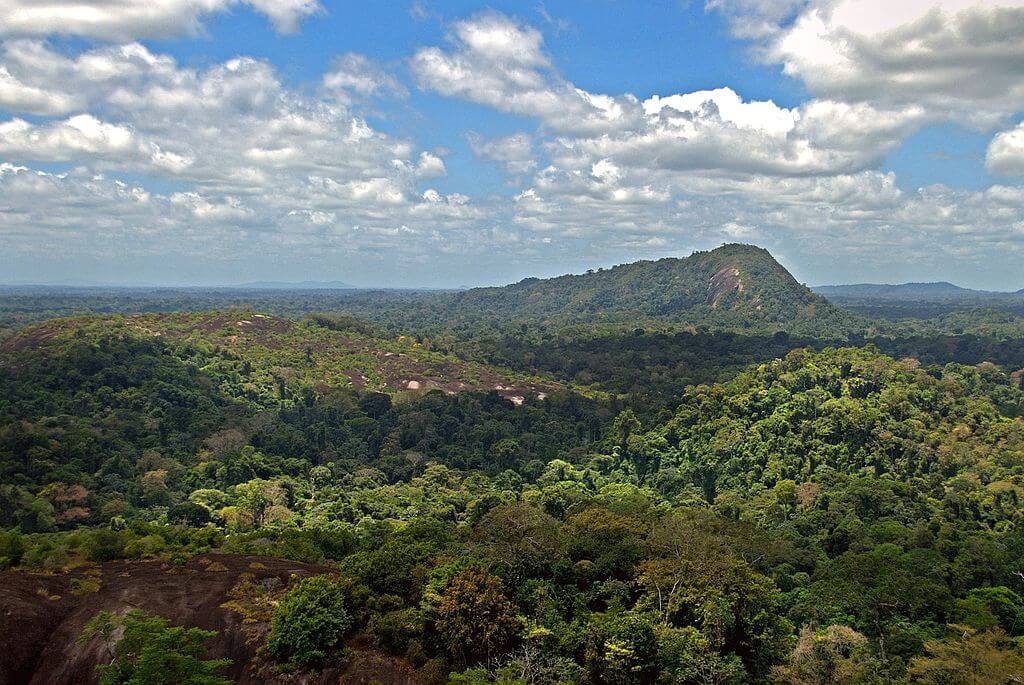
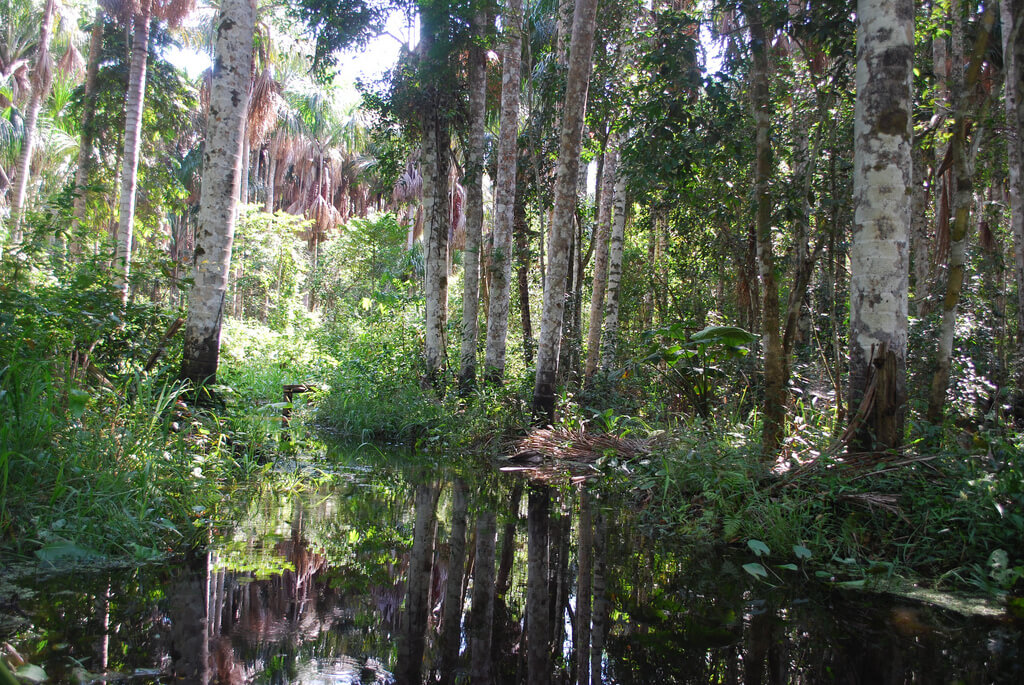
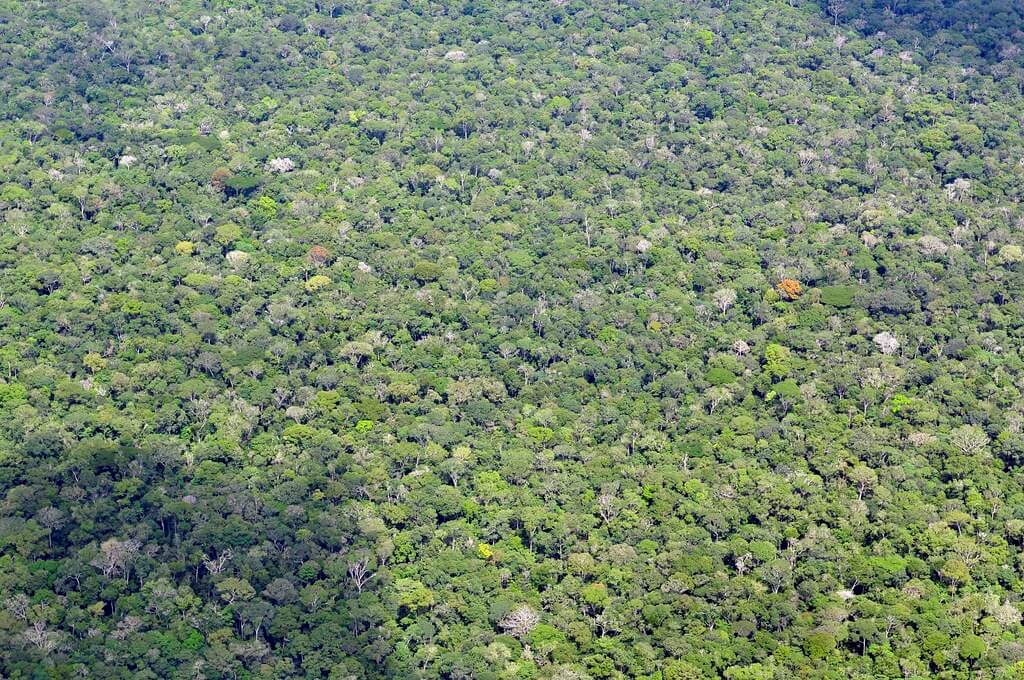
Within this vast basin thrives the Amazon Rainforest, covering 5.5 million sq km (2.1 million sq mi) of dense tropical forest. This living canopy, reaching heights of 50-80 m (164-262 ft), creates its own weather systems through massive evapotranspiration, recycling approximately half of the region's rainfall. The forest operates on a closed nutrient cycle, with rapid decomposition and mycorrhizal networks efficiently redistributing scarce soil nutrients.
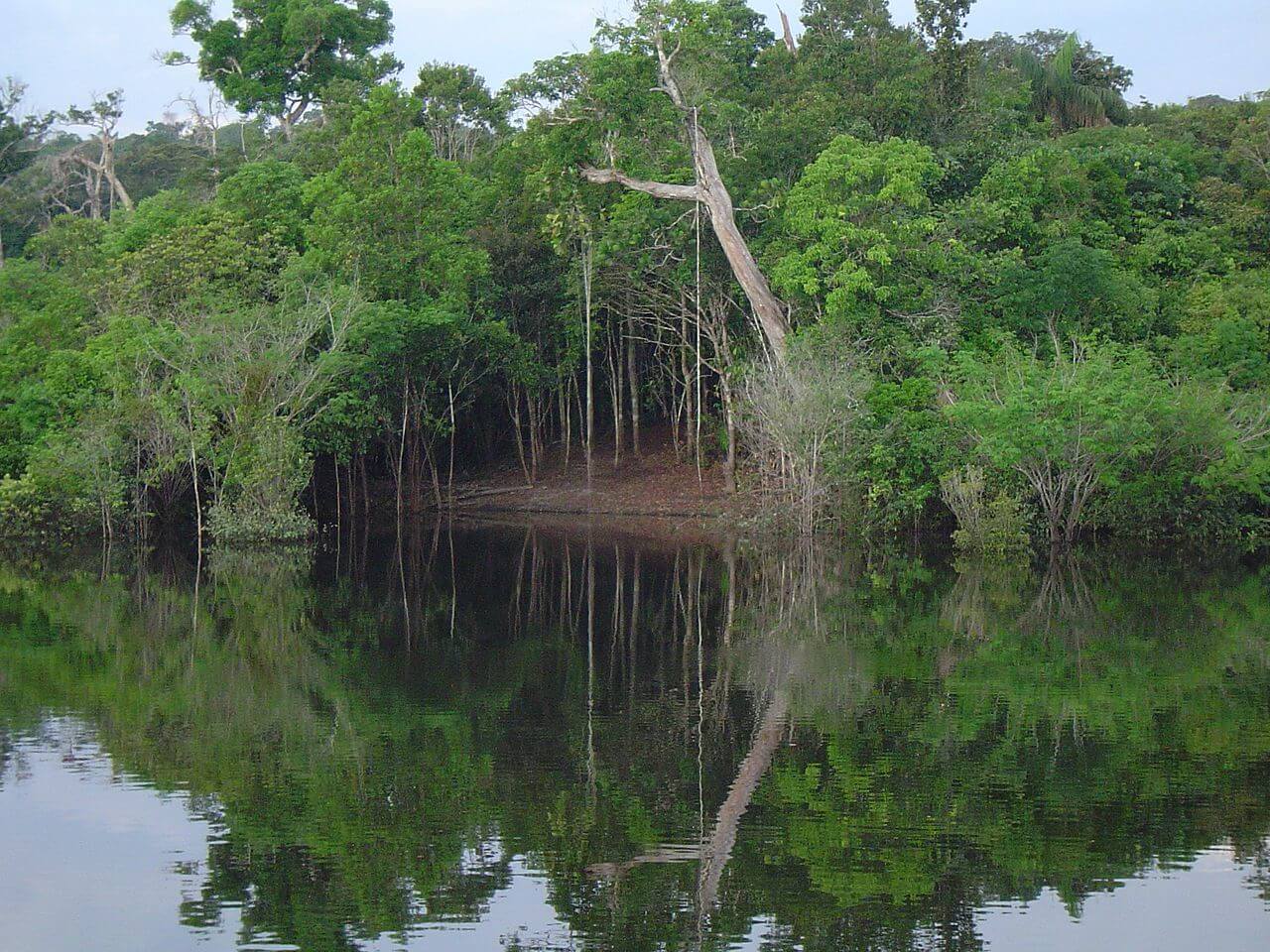
The Amazon biome extends beyond the rainforest proper, encompassing 6.7 million sq km (2.6 million sq mi) of diverse ecosystems. This complex includes 53 distinct ecosystem types: 34 forest systems (78% of the biome), seasonally flooded plains such as the várzea forests (5.83%), savannas including Bolivia's Beni Savanna (12.75%), Andean environments (1.5%), and tropical steppes (1.89%). Each ecosystem supports specialized communities of plants and animals adapted to unique environmental conditions.
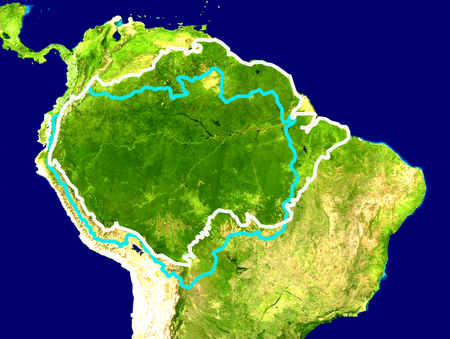
Outline map depicting the extent of the Amazon biome (white outline) and Amazon Basin (blue outline).
Biodiversity: Nature's Greatest Treasury
Amazônia houses an estimated 10% of Earth's known biodiversity within its boundaries. Scientists have cataloged over 40,000 plant species and roughly 390 billion individual trees representing 16,000 species, alongside a vertebrate diversity unmatched anywhere else on the planet. More than 1,300 bird species range from tiny hummingbirds to the powerful harpy eagle (Harpia harpyja), while over 430 mammal species include jaguars (Panthera onca), Amazon river dolphins (Inia geoffrensis), and three-toed sloths (Bradypus tridactylus). The river system itself harbors more than 3,000 freshwater fish species, more than any other river system on Earth, and the forest floor and canopy together support 378 reptile species and over 400 amphibian species, including poison dart frogs (Phyllobates spp.) and black caimans (Melanosuchus niger). Beneath all of this sits an invertebrate fauna numbering in the millions of species, most still undescribed, forming the foundation of the region's complex food webs.
Global Climate Regulation
Amazônia functions as Earth's climate regulator through several interlocking mechanisms. The system stores an estimated 150-200 billion tons of carbon in its vegetation and soils, representing one of the world's largest terrestrial carbon sinks, while photosynthesis across the forest generates approximately 20% of Earth's atmospheric oxygen. Through evapotranspiration, the rainforest also creates so-called "flying rivers"—atmospheric moisture streams that influence precipitation patterns across South America and beyond, carrying more water than the Amazon River itself and sustaining rainfall as far away as the agricultural regions of central Argentina. The forest's vast canopy moderates regional temperatures as well, while its carbon storage helps stabilize the global climate more broadly.
Indigenous Heritage and Cultural Significance
For over 11,000 years, Amazônia has been home to diverse Indigenous cultures. Today, approximately 350 ethnic groups comprising roughly one million people inhabit the region, maintaining deep connections to the forest through sophisticated traditional knowledge systems refined over many generations of hunting, fishing, and forest agriculture. These range from large, well-documented nations such as the Yanomami of the Brazil-Venezuela border region and the Kayapó of the Xingu basin, to some of the last uncontacted peoples on Earth, several dozen of whom are believed to live in voluntary isolation in the remote Javari Valley of western Brazil and adjacent parts of Peru.
Indigenous territories consistently demonstrate lower deforestation rates than other land-use categories nearby, a pattern borne out repeatedly in satellite monitoring data and one of the strongest empirical arguments for the effectiveness of traditional stewardship as a conservation strategy in its own right, not merely a cultural or humanitarian consideration.
Environmental Challenges and Threats
Despite its vastness, Amazônia faces unprecedented pressure on multiple fronts simultaneously. Approximately 17% of the Amazon Rainforest has been cleared since the 1970s, driven overwhelmingly by cattle ranching, which accounts for roughly 80% of cleared land, with soybean cultivation a significant secondary driver. Large-scale infrastructure compounds this pressure: roads, urban expansion, and hydroelectric projects such as the Belo Monte Dam on the Xingu River, one of the largest and most contested dam projects in Amazonian history, fragment habitat and alter the flow regimes on which downstream ecosystems and communities depend. Legal and illegal mining, logging, and oil extraction further degrade forest and pollute waterways across large sections of the basin.
Climate change compounds all of these pressures. Rising temperatures and altered precipitation patterns threaten to push portions of the ecosystem beyond critical tipping points, potentially triggering an irreversible transition from rainforest to degraded savanna across large areas. This is not a distant hypothetical: the severe droughts of 2023 and 2024 pushed river levels at several major Amazonian ports to their lowest levels on modern record, stranding riverine communities that depend on the rivers for transport and food, and triggering widespread wildfires across areas of forest that would rarely burn under normal conditions.
Conservation Efforts and Hope for the Future
Recognizing Amazônia's global importance, extensive conservation initiatives are underway across the basin. Approximately 20% of the region now benefits from legal protection through national parks, Indigenous reserves, and sustainable-use areas, a patchwork that includes major strongholds such as Brazil's Central Amazon Conservation Complex and Tumucumaque Mountains National Park, Peru's Manú National Park, Ecuador's Yasuní National Park, Bolivia's Madidi and Noel Kempff Mercado national parks, and Colombia's Amacayacu National Natural Park.
International cooperation has also gained real momentum in recent years. The Amazon Cooperation Treaty Organization (ACTO) continues to coordinate multinational conservation policy among the region's nine countries, and in November 2025 Brazil hosted COP30, the United Nations climate conference, in the Amazonian city of Belém—explicitly billed as the first "Amazon COP." The summit fell short of securing a binding global roadmap to end deforestation, a disappointment for many Indigenous and environmental delegations present, but it did launch the Tropical Forests Forever Facility, a new long-term finance mechanism intended to make standing forests more economically valuable than cleared land, with an initial $6.7 billion pledged by Brazil, Indonesia, France, Germany, and Norway toward a $25 billion target. Alongside this state-level diplomacy, programs promoting agroforestry, ecotourism, and non-timber forest products continue to offer smallholders economic alternatives to forest clearing, while satellite monitoring, AI-assisted deforestation detection, and ground-based sensor networks now allow near real-time tracking of forest loss across the basin, giving enforcement agencies a speed of response that was simply unavailable a decade ago.
The Path Forward
Amazônia represents far more than a regional ecosystem—it is a global commons essential for planetary stability. Its preservation requires unprecedented international cooperation, recognizing that this natural wonder belongs not just to the nine countries within its borders, but to all humanity. The choices made regarding its future will profoundly shape global climate stability, biodiversity conservation, and human well-being for generations to come.
By understanding the interconnected nature of its four components—basin, river system, rainforest, and biome—and the rivers, reserves, and Indigenous territories that give that structure its living detail, it becomes possible to appreciate both the complexity of this remarkable system and the urgency of protecting it. Amazônia continues to reveal new secrets about life's diversity and resilience; ensuring it continues to do so, while sustaining the intricate web of life and the essential climate services it provides the planet, remains one of the defining environmental responsibilities of this century.
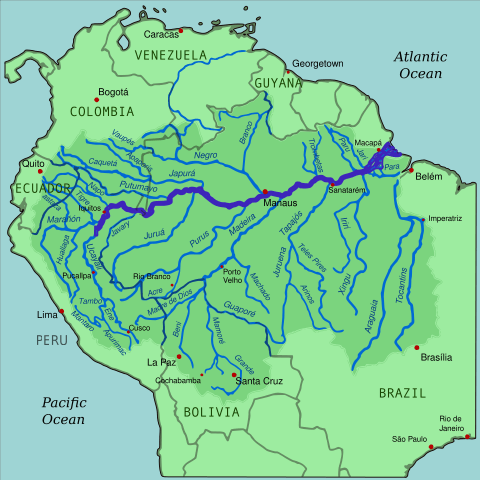
Map depicting the Amazon River drainage basin with the Amazon River highlighted.