South America

Chavín de Huántar: A Sacred Center of Early Andean Civilization

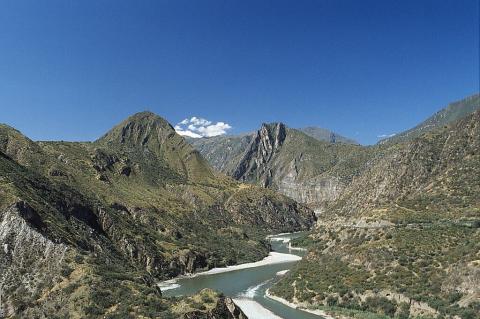
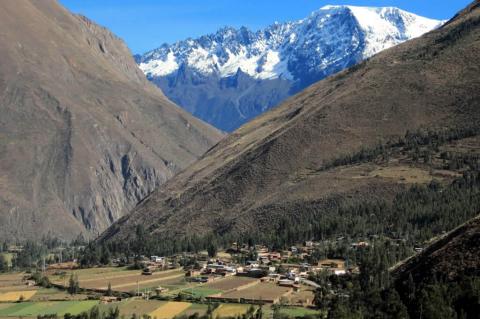
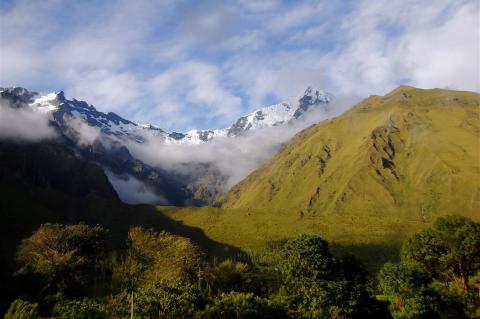
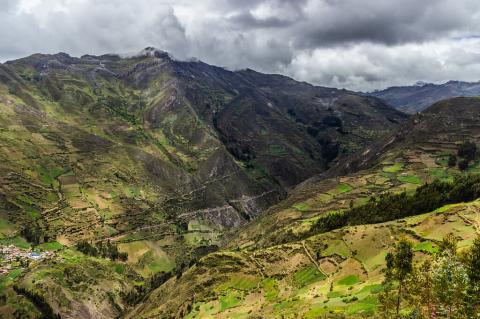
Chavín de Huántar, an archaeological site in the Ancash Region of Peru, is one of South America's most significant pre-Columbian cultural centers. Nestled above the Conchucos Valley, east of the Cordillera Blanca, this ancient site played a pivotal role in early Andean civilizations' religious and cultural life. Recognized as a UNESCO World Heritage Site, Chavín de Huántar showcases a unique combination of ceremonial, architectural, and artistic achievements from one of the earliest complex societies in the Americas.

Chavín: The Dawn of Andean Civilization

The Chavín culture, one of the earliest and most influential civilizations in the Andes, flourished between approximately 900 and 200 BCE. Centered in the northern highlands of present-day Peru, the Chavín civilization laid the groundwork for many artistic, religious, and political traditions that would shape later Andean societies. Known for its impressive ceremonial centers, sophisticated art, and far-reaching cultural influence, Chavín represents a critical moment in the development of pre-Columbian civilization in South America.

Chile's Lake District: Nature's Paradise and Cultural Gem

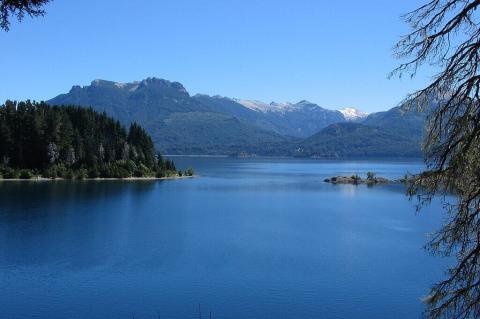
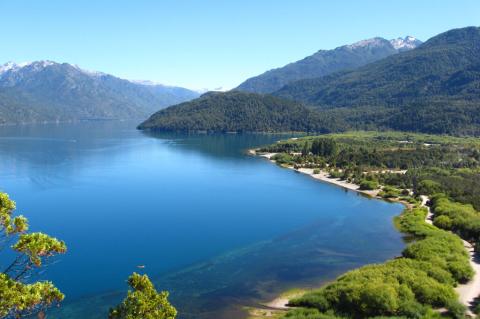
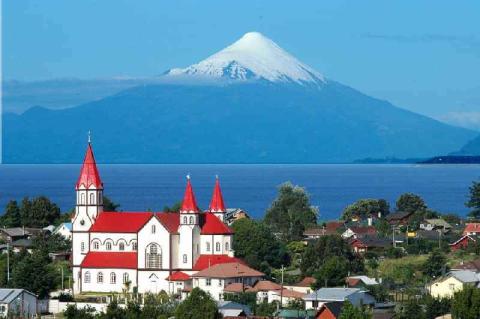
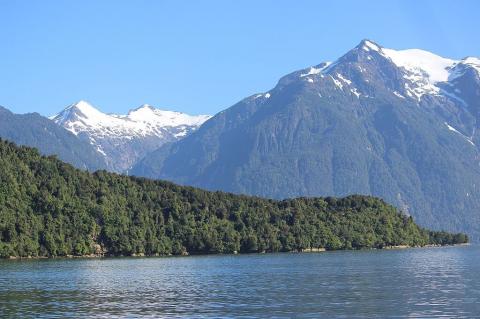
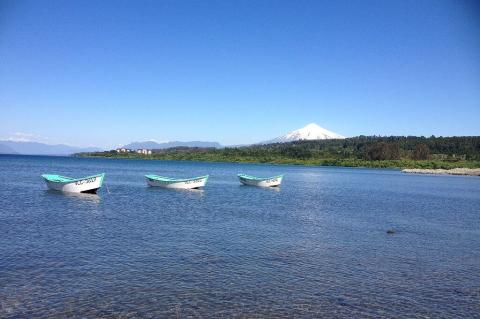
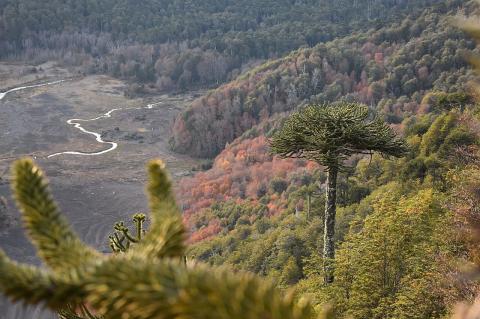
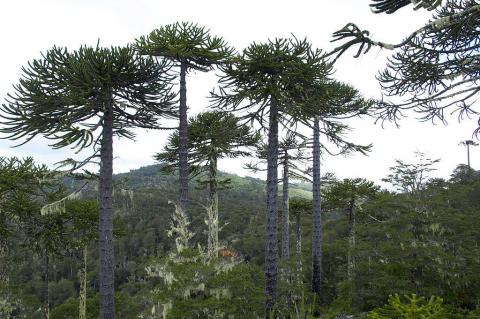
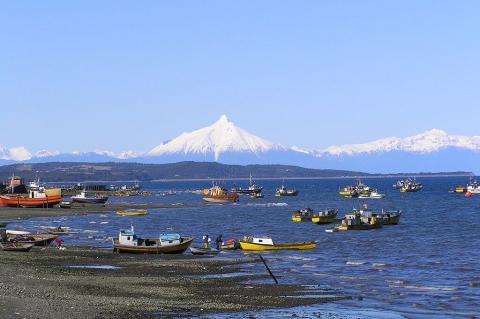
Nestled between the Andes Mountains and the Pacific Ocean, Chile's Lake District is a breathtaking region renowned for its pristine lakes, snow-capped volcanoes, lush forests, and vibrant cultural heritage. This picturesque area in southern Chile stretches from Temuco to Puerto Montt, offering visitors a captivating blend of outdoor adventure, serene landscapes, and cultural immersion. The region's enchanting beauty and rich history make it a treasure trove for those seeking a connection to Chile's natural and cultural identity.

Chile's Maipo Valley: A Journey Through the Heart of Chilean Wine Culture

Nestled amidst the dramatic landscapes of Chile, the Maipo Valley stands as a beacon of viticultural excellence, earning its place as one of South America's most esteemed wine-producing regions. Revered as the "Bordeaux of South America," this historic valley traces its winemaking roots back to the very birth of Chile's wine industry, serving as the cradle of viticulture in the country.

Chiloé Island and Archipelago: A Mystical Realm of Nature and Culture in Southern Chile

Nestled in the pristine waters of southern Chile, the Chiloé Archipelago stands as a mystical realm where nature's grandeur intertwines seamlessly with a rich tapestry of cultural enchantment. This breathtaking collection of more than forty islands, separated from the mainland by the narrow Chacao Channel to the north and the vast Sea of Chiloé to the east, beckons travelers to discover a world where ancient traditions, distinctive architecture, and culinary excellence coexist with extraordinary biodiversity.

Chiloé National Park: Biodiversity and Beauty on Chiloé Island

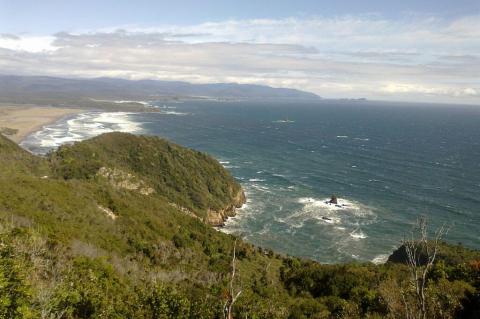
Chiloé National Park, located on the western coast of Chiloé Island in the Los Lagos Region of southern Chile, is a sanctuary of remarkable biodiversity and natural beauty. The park showcases diverse ecosystems, from temperate rainforests and swamps to rugged coastlines and sandy dunes. Exploring the park's geography, climate, flora, fauna, and recreational opportunities reveals the significance of one of Chile's most enchanting natural reserves.

Chingaza: The Heart of Colombia's Andean Wilderness

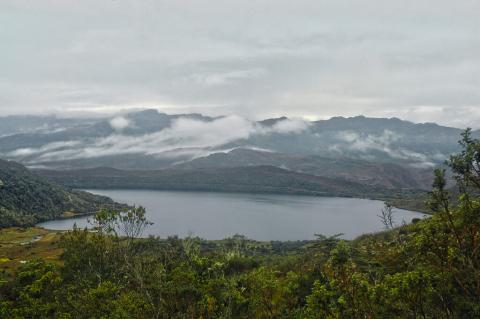
Chingaza National Natural Park, nestled in the Andean Natural Region of Colombia, is a stunning testament to the country's rich biodiversity and cultural heritage. Located in the Cordillera Occidental of the Colombian Andes, this park is a vital ecological haven and is a crucial water source for Bogotá. From its diverse ecosystems and unique flora and fauna to its historical significance, Chingaza National Natural Park offers a comprehensive glimpse into Colombia's natural and cultural wealth.

Chiquitos Missions: A Legacy of Cultural Fusion

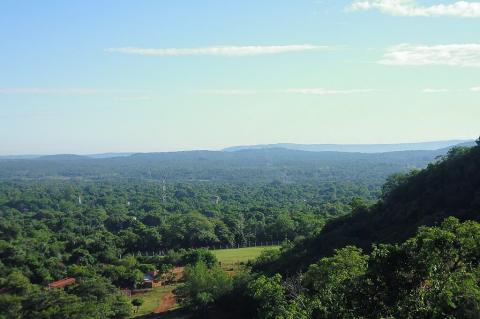
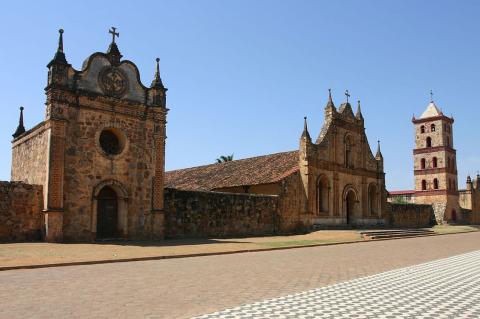
The Jesuit Missions of the Chiquitos in the Santa Cruz Department of eastern Bolivia are remarkable testaments to a unique cultural fusion. The Jesuits established these missions in the late 17th and 18th centuries with the primary goal of converting the local Chiquitano tribes to Christianity. Blending European and Amerindian influences, they represent a religious and artistic legacy that continues to resonate through their surviving architecture and cultural heritage.

Chiribiquete: Where Ancient Stone Embraces a National Sanctuary

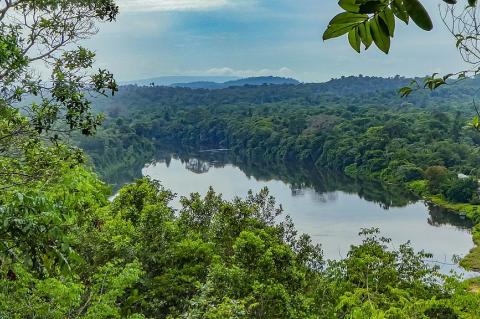
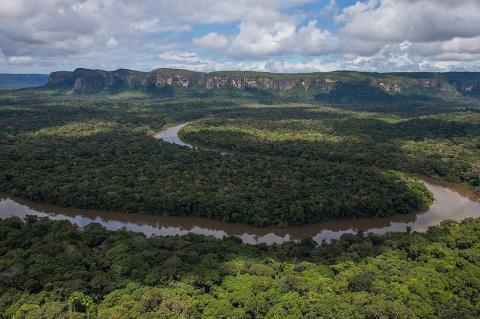
Rising from the Colombian Amazon, the Serranía de Chiribiquete is a breathtaking sandstone plateau, sculpted by nature over millions of years. This rugged mountain range forms the core of Chiribiquete National Natural Park, a protected area of immense ecological and cultural significance. The park is intrinsically linked to the serranía, serving as a vital sanctuary for its unparalleled biodiversity and remarkable archaeological secrets etched onto its rock faces.
Choquequirao Archaeological Park: An Incan Legacy

Nestled in the Vilcabamba mountains of southern Peru, Choquequirao Archaeological Park is a testament to the ingenuity and resilience of the Inca civilization. Often compared to the more famous Machu Picchu, Choquequirao offers a unique glimpse into Incan history and architecture. Its historical significance, architectural marvels, and ongoing conservation efforts highlight its importance as a cultural and historical landmark.