
CONAF to Sernafor: Chile's Conservation Agency Enters a New Era
For over five decades, Chile's CONAF has guarded forests, protected areas, and heritage. Managing one of South America's most extensive protected systems, it faces wildfire threats from climate change. In 2025, it became the public National Forestry Service (Sernafor), marking a new chapter in conservation.
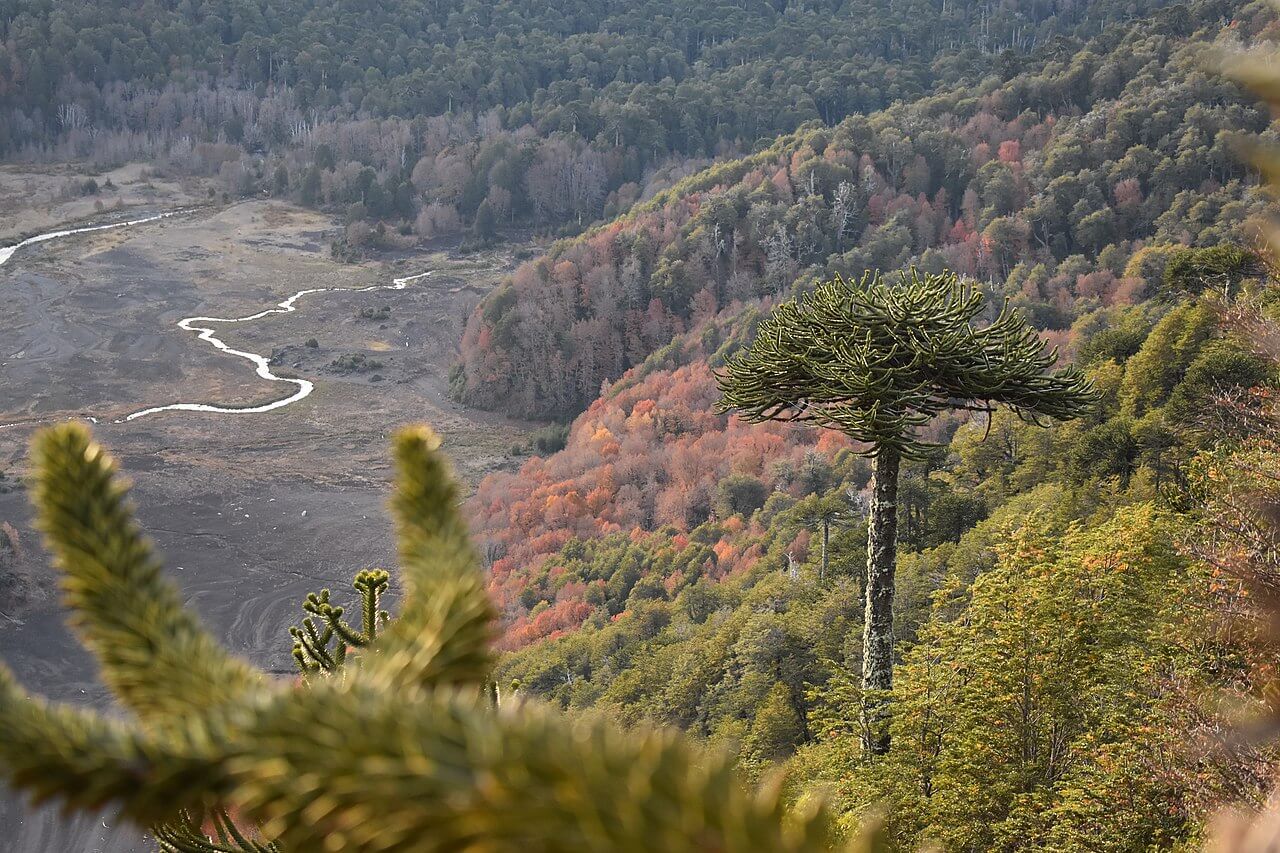
Chile's National Forest Corporation: Managing Wilderness in an Age of Fire
For over five decades, Chile's National Forest Corporation—known as CONAF (Corporación Nacional Forestal)—has stood as the principal guardian of the nation's forests, protected areas, and natural heritage. Established in 1973, CONAF manages one of South America's most extensive protected area systems while confronting increasingly severe wildfire threats amid climate change. In 2025, this unique institution underwent a historic transformation, transitioning from a private law corporation to a fully public agency—the National Forestry Service (Sernafor)—marking a new chapter in Chilean conservation.
An Unusual Structure: Private Corporation, Public Mission
CONAF's legal status has long been anomalous among government conservation agencies. Created as a "private law corporation" (corporación de derecho privado)—essentially a nonprofit juridical person—CONAF operated for over 50 years under the Ministry of Agriculture while performing functions typically reserved for government agencies. Though wholly dependent on government funding and oversight, this hybrid structure gave CONAF operational flexibility while raising questions about accountability and authority.
The corporation was headed by an Executive Director appointed by Chile's president and guided by a Directive Council. With more than 135 offices throughout Chile and approximately 1,900 employees—including 450 highly qualified park rangers—CONAF developed into a professional conservation organization despite its peculiar legal status. This structure persisted despite legislative attempts in 1984 and 2012 to convert CONAF into a fully governmental agency, efforts that failed amid political debates about the organization's future.
The Mandate: Forests, Fire, and Conservation
CONAF's mission encompassed an extraordinarily broad range of responsibilities that extended far beyond typical forest service duties. The organization worked to contribute to Chile's development through sustainable management of forest ecosystems, to promote native forest conservation and sustainable exploitation, to coordinate wildfire prevention and suppression programs nationwide, and to administer the National System of State Protected Wild Areas (SNASPE), encompassing national parks, national reserves, and natural monuments.
Managing Chile's Protected Areas
CONAF administered SNASPE (Sistema Nacional de Áreas Silvestres Protegidas del Estado), Chile's comprehensive system of state-protected wilderness areas. As of 2024, this system included 42 national parks, 46 national reserves, and 18 natural monuments, covering more than 14.7 million hectares (36.3 million acres, or approximately 56,750 square miles)—roughly 19% of Chile's total territory. An astonishing 86.5% of this protected land lies in Chilean Patagonia, making it one of the largest concentrations of protected wilderness in the Southern Hemisphere.
These protected areas encompass extraordinary ecological diversity. From the hyper-arid Atacama Desert in the north—where some weather stations have never recorded rainfall—through temperate rainforests harboring ancient alerce trees that can live 3,600 years, to the windswept islands and massive ice fields of Patagonia, CONAF's jurisdiction spanned nearly every terrestrial ecosystem type found in South America. The system protects habitat for endangered species, including huemul deer, Andean condors, pumas, and countless endemic plants and animals found nowhere else on Earth.
Managing this vast system presented enormous challenges. Many protected areas operated with minimal budgets, lacked comprehensive management plans, and struggled with insufficient ranger staffing. The physical remoteness of many Patagonian parks complicated enforcement and monitoring. Despite these constraints, CONAF worked to improve protected area management through ranger training programs, implementation of the Open Standards for Conservation, and partnerships with international organizations, including The Pew Charitable Trusts and the International Union for Conservation of Nature (IUCN).
In 2021, CONAF and IUCN launched a pioneering effort to certify Chilean protected areas under the IUCN Green List standard—the first such initiative in the southern cone of South America. This internationally recognized certification promotes professionalism in protected area management using transparent criteria for governance, planning, and effective management to achieve conservation results. The Green List process represented CONAF's commitment to raising Chilean protected areas to international standards.
The Wildfire Challenge
Perhaps no responsibility weighed more heavily on CONAF than wildfire management. Chile has experienced a dramatic increase in wildfire severity over the past decade. Since 2014, six of the country's seven most destructive fire seasons have occurred, with climate change, extended drought, and increasing temperatures creating conditions unprecedented in Chile's modern history.
The February 2024 wildfires in the Valparaíso Region became Chile's deadliest disaster since the 2010 earthquake, killing 131 people and destroying more than 6,600 homes. Over 43,000 hectares (106,250 acres) burned as temperatures exceeded 40°C (104°F), driven by El Niño conditions and a decade-long megadrought. CONAF mobilized hundreds of firefighters, dozens of helicopters and aircraft, and coordinated with volunteer fire departments, military units, and private forestry companies, but the fires' unprecedented speed and intensity overwhelmed response capabilities.
The January 2026 wildfires further demonstrated the escalating threat. In the Biobío and Ñuble regions, fires burned more than 30,000 hectares (74,000 acres), prompting the evacuation of 50,000 people and destroying over 300 homes. Gusty winds and temperatures exceeding 38°C (100°F) fanned flames that moved faster than firefighters could respond.
CONAF's wildfire management program evolved from primarily reactive firefighting toward integrated fire management, incorporating prevention, pre-suppression, and suppression. The organization conducted community education programs, implemented prescribed fire programs in appropriate contexts, coordinated with private forestry companies, and adopted advanced technologies for fire detection and monitoring. International collaboration became increasingly important, with CONAF participating in knowledge exchanges with the European Union, the United States, Canada, and other nations facing similar wildfire challenges.
The causes of Chile's fires are overwhelmingly human-related, with nearly 100% of ignitions attributed to human activities. Carelessness accounts for over 40% of fires—people passing near forest areas, using fire in agricultural activities, or conducting recreational activities. Intentional fires represent approximately 36%, while children playing with fire and unknown causes account for the remainder. This human causation made community engagement and education central to CONAF's prevention strategy.
Native Forest Conservation
CONAF played a crucial role in implementing Chile's Native Forest Law (Ley de Bosque Nativo), approved in 2007 after 15 years of development. This legislation regulates native forest use, promotes sustainable forest management, provides incentives for conservation, and supports small- to medium-sized landowners. CONAF administered programs that balanced forest productivity with conservation, recognizing that Chile's native forests—including globally rare temperate rainforests—provide both ecological services and economic value.
The organization promoted sustainable forestry practices, including selective logging under approved management plans, reforestation with native species, forest restoration in degraded areas, and protection of watersheds critical for water supply. While commercial forestry companies managed their own lands, CONAF protected small forest owners lacking resources for fire protection and worked to discourage the uncontrolled use of fire in forestry and agricultural practices.
Transformation to Sernafor: A New Era
On May 23, 2025, Chile's Ministry of Agriculture published the establishment of the National Forestry Service (Sernafor) in the Official Gazette, officially replacing CONAF. This transformation represented the culmination of decades of discussion about CONAF's legal status and the appropriate structure for managing Chile's forests and protected areas.
Sernafor operates as a decentralized public body under the Ministry of Agriculture, inheriting all of CONAF's legal functions, assets, and staff. Approximately 80% of CONAF employees transitioned into the new agency. The transformation clarified Sernafor's authority and responsibilities while maintaining continuity in conservation and fire management programs.
Expanded Authorities and Responsibilities
As a public agency, Sernafor gained authorities unavailable to CONAF's private corporation structure. During wildfire emergencies, Sernafor can access private properties to extract water by the fastest available means for firefighting aircraft and equipment, with law enforcement support available to enforce these access rights if necessary. This authority addresses a critical limitation that sometimes hampers firefighting efforts when private property owners deny access.
Sernafor coordinates Chile's National Plan for Forest Fire Risk Reduction, which is mandatory for all agencies involved in wildfire response and disaster risk planning. This coordinating authority aims to improve interagency cooperation and ensure consistent approaches to fire prevention and suppression. Field officials have ministerial status when conducting inspections and documenting violations, strengthening enforcement capabilities.
The new agency maintains responsibility for compiling a national catalogue of tree and shrub species most suitable to Chile's varied climates and soils, supporting reforestation and urban forestry initiatives. Sernafor works to maintain and restore forests, control land degradation, support climate change adaptation, and promote a sustainable timber industry as part of Chile's productive economy and carbon capture commitments.
Geographic Scope and Regional Presence
Chile's extreme geography—stretching more than 4,300 kilometers (2,670 miles) from north to south while averaging only 177 kilometers (110 miles) wide—creates enormous management challenges. CONAF/Sernafor's 135 offices and nearly 2,000 employees must cover this vast distance, from the Peruvian border in the Atacama Desert to Cape Horn at the continent's southern tip.
Chilean Patagonia, where 86.5% of SNASPE territory is located, presents particular challenges. The region features extreme weather, difficult access requiring boats or aircraft for many areas, and a sparse human population that limits local support infrastructure. Yet this remoteness has preserved Patagonia's wilderness character, making effective management essential to prevent the degradation that has affected more accessible regions.
Challenges Past, Present, and Future
Despite significant accomplishments, CONAF faced persistent challenges that Sernafor inherited. Chronic underfunding limited ranger numbers, constrained management planning, and prevented adequate infrastructure maintenance in many protected areas. Low budgets meant some parks had minimal or non-existent management plans, insufficient enforcement capacity, and limited community engagement.
Climate change amplifies existing challenges while creating new ones. Rising temperatures and changing precipitation patterns increase fire risk, shift species distributions, accelerate glacier retreat, and stress ecosystems. The megadrought affecting central Chile since 2010 demonstrates how climate change can fundamentally alter landscapes, making forests more vulnerable to fire while reducing water availability for both ecosystems and firefighting.
Human encroachment remains a constant pressure. Illegal settlements, often built with flammable materials in fire-prone areas, create both fire risks and humanitarian challenges. Inadequate forest management, trash accumulation, and dense vegetation near settlements create conditions where entire communities can burn in minutes—as the 2024 Valparaíso fires tragically demonstrated.
Tourism to Chile's protected areas has grown substantially, creating both opportunities and challenges. Visitor revenues support conservation and local economies, but increased visitation requires infrastructure investment, environmental education, and careful management to prevent degradation. Iconic parks like Torres del Paine face pressures from hundreds of thousands of annual visitors, requiring sophisticated management to balance access with protection.
International Cooperation and Recognition
CONAF developed strong international partnerships that strengthened Chile's conservation capacity. Collaborations with organizations including The Pew Charitable Trusts, Conservation Coaches Network, Pau Costa Foundation, and numerous academic institutions brought additional resources, technical expertise, and best practices to Chilean conservation.
The IUCN Green List initiative represented international recognition of Chile's conservation achievements and commitment to improvement. Participation in European Union civil protection mechanisms allowed Chilean firefighters to gain experience with international fire management systems while contributing Chilean expertise to global efforts. These partnerships positioned Chile as a conservation leader in South America and globally.
The Route of Parks and Private Donations
CONAF's most visible success emerged from unprecedented private philanthropy. The Tompkins Conservation donation of approximately 407,625 hectares (1,007,000 acres) in 2017—the largest private land donation in history—combined with Chilean government commitments to create or expand several national parks. This donation created the Route of Parks of Patagonia, connecting 17 national parks across 2,800 kilometers (1,740 miles) and encompassing more than 11 million hectares (27 million acres).
CONAF's willingness to incorporate private lands into the public protected area system, work collaboratively with conservation-minded philanthropists, and embrace landscape-scale conservation demonstrated institutional flexibility despite the agency's structural limitations. The Route of Parks now stands as a globally recognized conservation achievement, attracting increasing international attention and tourism while protecting some of Earth's last great wilderness areas.
Community Engagement and Environmental Education
CONAF increasingly recognized that conservation succeeds only with community support. The organization developed environmental education programs targeting schools, communities, and visitors. Fire prevention campaigns used sports activities, painting festivals, traditional music and dance presentations, and workshops with neighborhood committees to engage communities in fire safety.
"Gateway communities"—towns and villages serving as access points to protected areas—received particular attention. CONAF worked to ensure these communities benefited from nature-based tourism while contributing to sustainable use and biodiversity conservation. This approach recognized that residents who derive economic benefits from protected areas become conservation allies rather than adversaries.
Indigenous community engagement presented both challenges and opportunities. Some protected areas encompass or adjoin Indigenous territories, requiring collaborative management approaches that respect Indigenous rights and traditional knowledge while achieving conservation objectives. When done well, such partnerships strengthen both cultural preservation and biodiversity protection.
Technology and Innovation
CONAF embraced technological innovation to improve management effectiveness. Satellite monitoring systems tracked fire ignitions in real time, enabling rapid response. Advanced fire behavior modeling helped predict fire spread, informing evacuation decisions and resource deployment. Geographic information systems integrated diverse data layers, supporting landscape-scale planning.
The organization participated in international wildfire management networks, sharing Chile's fire monitoring technology and learning from other nations' experiences. Collaboration with the European Union's Emergency Response Coordination Centre and participation in the Union Civil Protection Mechanism provided access to cutting-edge fire management tools and international response capacity.
For protected area management, CONAF implemented the Open Standards for Conservation—a systematic approach to planning, implementing, and evaluating conservation projects. This framework helped standardize management across SNASPE's diverse units while allowing adaptation to local conditions.
Looking Forward: Sernafor's Mission
As Sernafor assumes CONAF's mantle, the challenges remain formidable, but the institutional foundation is strong. The transition to public agency status clarifies authority, potentially improves funding stability, and strengthens enforcement capabilities. Yet the transformation of legal structure alone cannot solve the fundamental challenges of managing vast wilderness areas with limited resources while confronting escalating wildfire threats in an era of climate change.
Success will require sustained political commitment to conservation, adequate funding for the vastly expanded protected area system created through the Route of Parks initiative, continued innovation in fire management as climate change makes extreme fire behavior more common, effective community engagement that makes conservation economically beneficial for residents, and international cooperation to address transboundary challenges including migratory species conservation and shared fire management challenges with Argentina.
Conclusion: A Legacy of Conservation
From CONAF's founding in 1973 through its transformation to Sernafor in 2025, Chile has built one of South America's most comprehensive systems for forest and protected area management. Despite operating within a peculiar legal structure for five decades, CONAF achieved remarkable conservation outcomes: expanding protected areas to encompass nearly one-fifth of Chile's territory, creating partnerships that produced the globally significant Route of Parks, developing professional ranger corps capable of managing remote wilderness areas, and building wildfire management capacity that, while sometimes overwhelmed by extreme events, represents one of Latin America's most sophisticated fire programs.
The transition to Sernafor marks not an end but an evolution—a recognition that Chile's natural heritage warrants a fully governmental agency with clear authority, stable funding, and enhanced capabilities. The challenges ahead are substantial: climate change will continue to intensify fire seasons, human pressures on protected areas will likely increase, and funding will continue to compete with other government priorities.
Yet Chile's commitment to conservation, demonstrated through decades of investment in protected areas and the political will to accept massive private land donations for public benefit, suggests grounds for optimism. The wilderness areas protected by CONAF and now managed by Sernafor represent global treasures—ancient alerce forests that witnessed the rise and fall of civilizations, Patagonian ice fields that help regulate global climate, unique ecosystems found nowhere else on Earth, and landscapes that inspire and humble all who visit them.
These wild places endure because Chileans chose to protect them. After all, dedicated rangers work in remote and challenging conditions to safeguard biodiversity, because communities increasingly recognize that nature conservation supports rather than threatens their prosperity, and because an institution—first CONAF, now Sernafor—has carried forward the conservation mission through changing political climates and evolving challenges.
The forests, parks, and wilderness areas of Chile face an uncertain future amid rapid environmental change. But they face that future protected by law, managed by professionals, supported by communities, and recognized as national treasures that define Chile's identity and contribution to global conservation. That is CONAF's enduring legacy and Sernafor's ongoing responsibility.