South America

Caracol Falls: A Natural Wonder of Southern Brazil

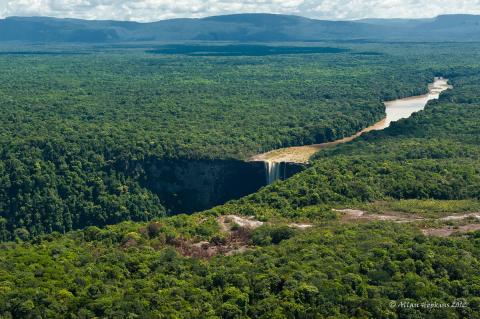
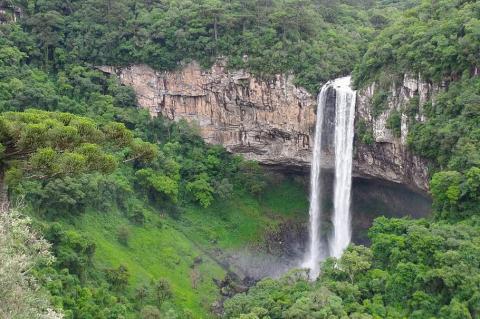
Caracol Falls, located near Canela in Rio Grande do Sul, Brazil, is one of the country's most iconic natural landmarks. Situated within Caracol State Park, this stunning waterfall plunges over basalt cliffs, showcasing the dramatic geological features of the Serra Geral mountain range. Caracol Falls has two main cascades, offering a breathtaking display of nature's power as the Caracol River flows into the Vale da Lageana. As Brazil's second most popular natural tourist attraction, it draws millions of visitors annually, captivated by its beauty and accessibility.

Caral-Supe: The Birthplace of Andean Civilization

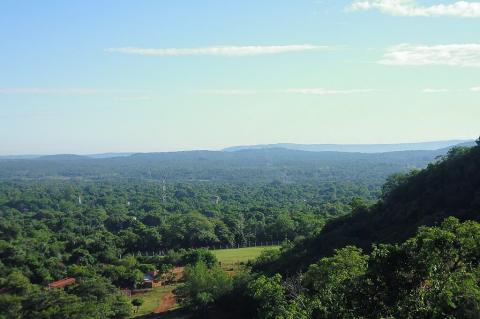
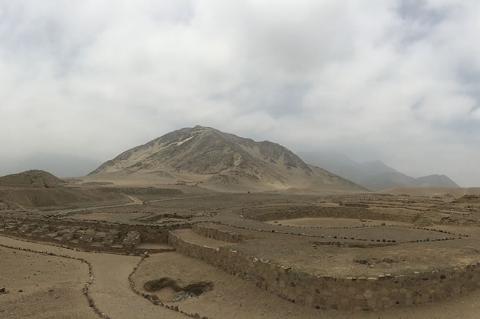
The Sacred City of Caral-Supe, commonly known as Caral, is an ancient archaeological marvel that offers profound insights into the origins of civilization in the Americas. Situated on a desert terrace overlooking Peru's lush Supe River Valley, this 5000-year-old site was declared a UNESCO World Heritage Site in 2009. Caral is celebrated not only for its antiquity but also for its advanced sociopolitical organization and architectural sophistication.

Carretera Austral: Chile's Remote Highway Through Patagonia

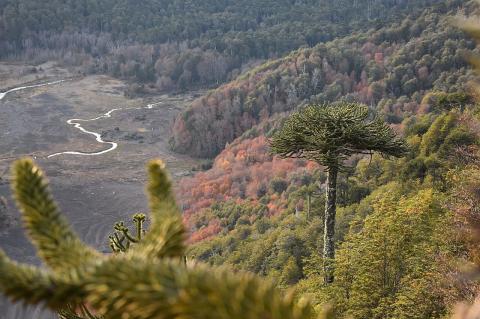
The Carretera Austral, Chile's iconic southern highway, winds through the remote and untamed landscapes of Patagonia, offering one of the most breathtaking and adventurous road trips in the world. Officially designated as Route 7, it stretches from Puerto Montt in the Los Lagos Region to Villa O'Higgins in the Aysén Region, traversing a landscape of towering mountains, glacial rivers, lush forests, and deep fjords.

Cartagena de Indias: The Enchanted Fortress of Colombia

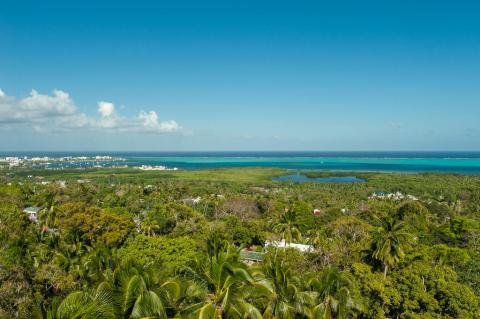
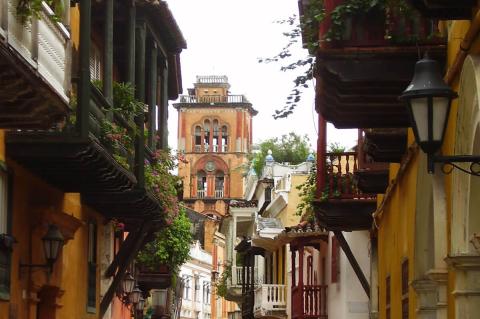
Cartagena de Indias, one of Latin America's most enchanting cities, is a testament to Colombia's historical, cultural, and natural wealth. Founded in the 16th century, it was a vital hub for Spanish colonial trade and defense. Today, Cartagena seamlessly blends its rich history with vibrant modern culture, offering visitors a multifaceted experience characterized by colonial charm, Afro-Caribbean heritage, and breathtaking coastal landscapes.

Cauca River, Canyon, and Valley: Colombia's Natural Treasures

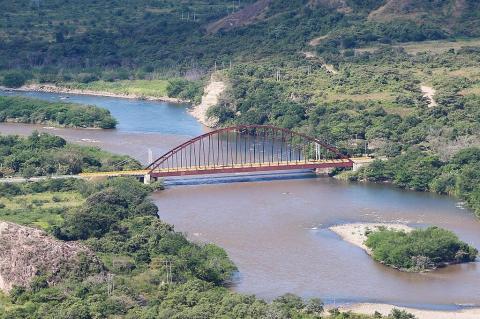
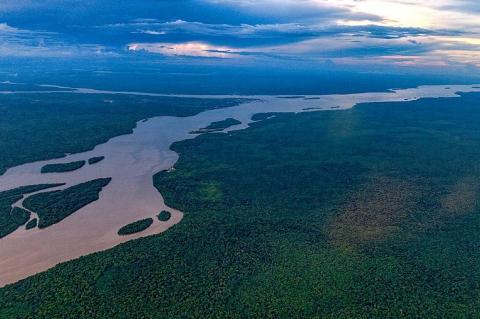
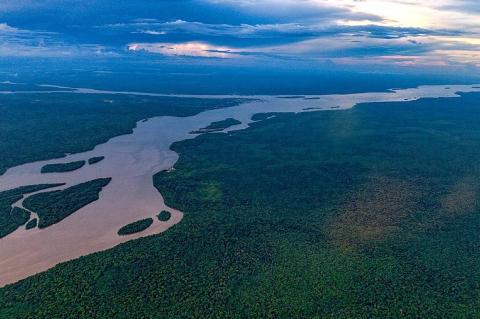
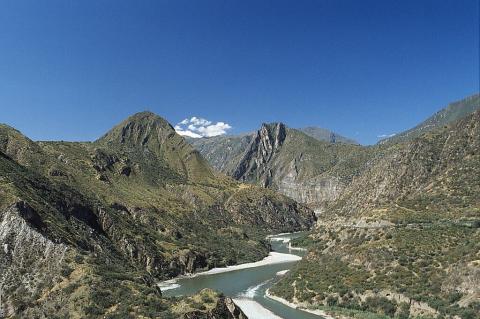
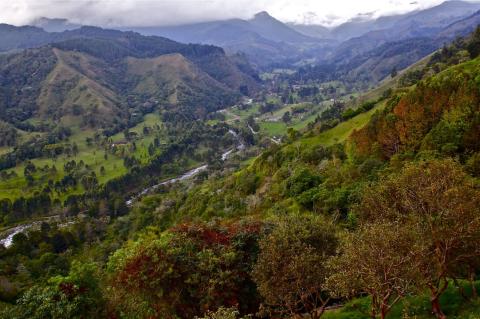
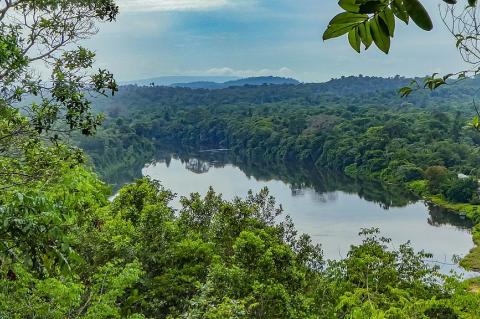
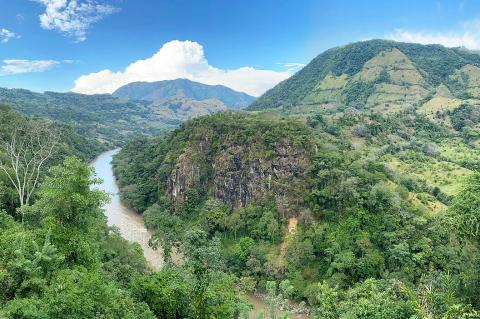
Nestled within the heart of Colombia's diverse landscape lies the Cauca River, a majestic waterway that winds through the rugged terrain of the Cauca Valley, carving out the spectacular Cauca Canyon along its course. This region, characterized by its breathtaking scenery, rich biodiversity, and cultural significance, is a testament to the country's natural heritage and the resilience of its people.

Cave Systems of Latin America: Subterranean Wonders from Mexico to Patagonia

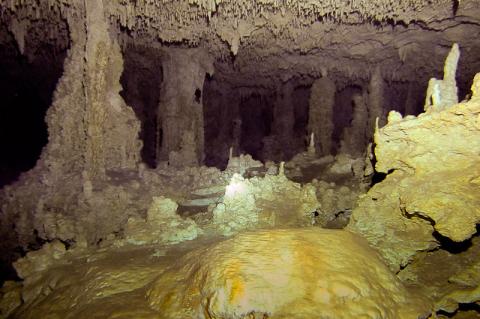
Beneath the jungles, deserts, and mountains of Latin America lies a hidden realm of extraordinary geological complexity and profound cultural significance. From the world's second-longest underwater cave network in Mexico's Yucatán Peninsula to the highest major caves in the world nestled in Peru's Andes, these underground passages tell stories spanning millions of years of geological transformation and thousands of years of human interaction with the earth's interior.

Cavernas do Peruaçu National Park: Exploring Brazil's Peruaçu River Canyon

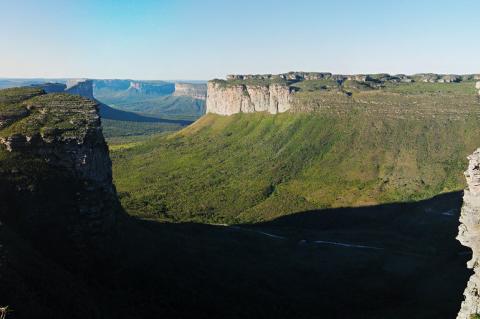
In northern Minas Gerais, Brazil, the Peruaçu River Canyon, a UNESCO World Heritage Site, is encompassed by Cavernas do Peruaçu National Park. This remarkable landscape showcases geological formations, biological diversity, and human history spanning millennia. Limestone formations have created an underground world with over 140 caves and prehistoric rock art dating back 12,000 years. The canyon exemplifies the interplay of geological, natural, and cultural development that has shaped this unique corner of Brazil.
Cayenne: The Heart of French Guiana's Cultural and Natural Heritage

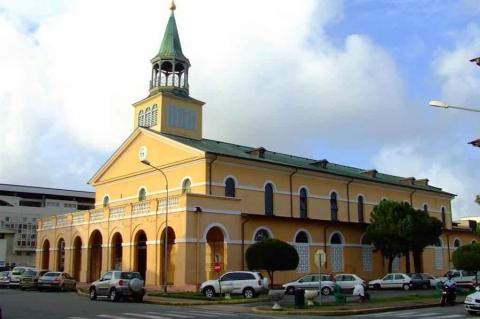
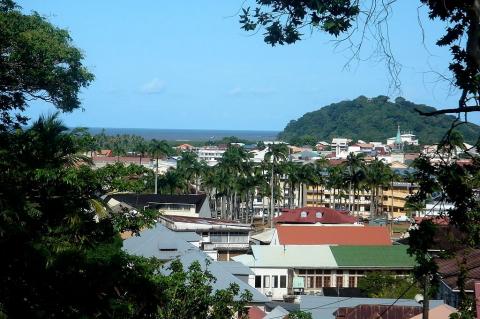
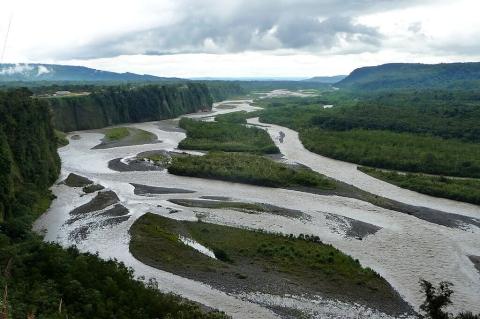
Cayenne, the capital of French Guiana on South America's northeastern coast, is a vibrant gateway to the region's rich culture and stunning nature. With its blend of Indigenous, French, African, and Creole influences, the city offers an authentic experience of the Guianas' diverse heritage. Surrounded by rainforests, rivers, and the Atlantic shoreline, Cayenne combines urban charm with natural beauty, making it a cultural and administrative hub.

Cerro Tronador: The Silent Giant of the Patagonian Andes

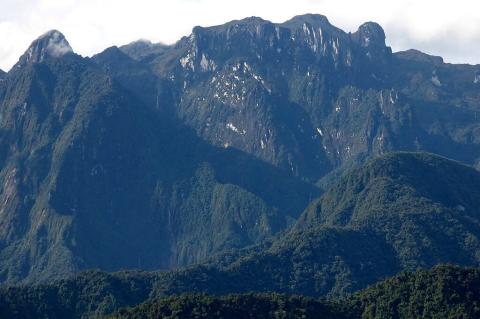
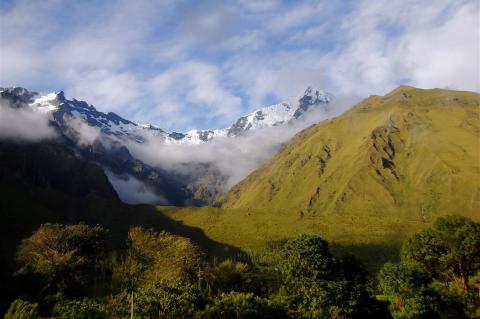
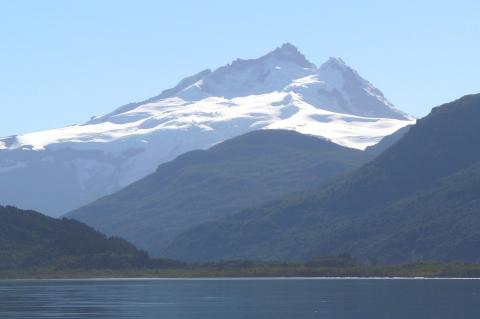
Cerro Tronador, an extinct stratovolcano straddling the border between Argentina and Chile, rises majestically above the surrounding landscape. Its prominence makes Tronador a popular destination for mountaineers and adventurers seeking to explore one of the region's most iconic natural landmarks. Located within two national parks, Nahuel Huapi in Argentina and Vicente Pérez Rosales in Chile, Cerro Tronador is also a vital part of the local ecosystem, featuring eight retreating glaciers and geothermal activity that reflects its volcanic origins.
Chan Chan: The Ancient Citadel of the Chimu Empire

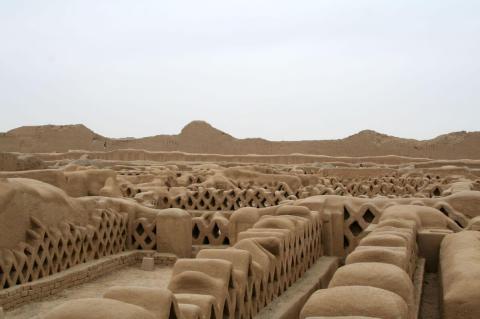
On the northern coast of Peru, in the Moche Valley, lies the sprawling adobe city of Chan Chan. Once the capital of the Chimu Empire, Chan Chan is a testament to the architectural prowess and cultural ingenuity of one of the most influential civilizations in pre-Columbian America. Chan Chan was the largest adobe city in the Americas and a major center of power on the northern Peruvian coast for centuries. Recognizing its historical importance, UNESCO declared Chan Chan a World Heritage Site.