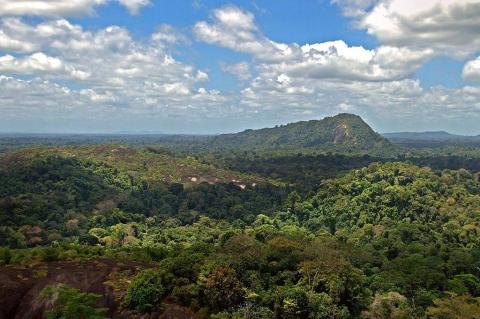
South America

Argentina's Cuyo Region: History, Wine, and Natural Wonders

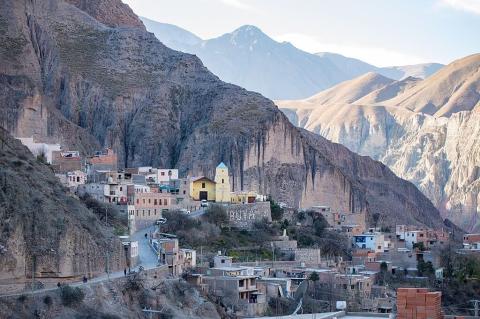
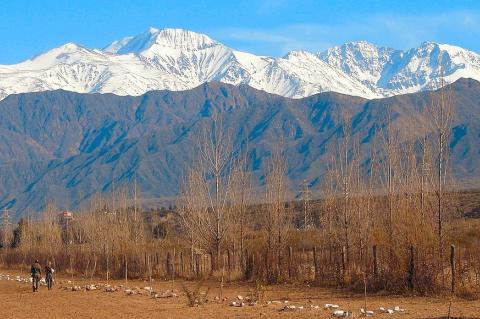
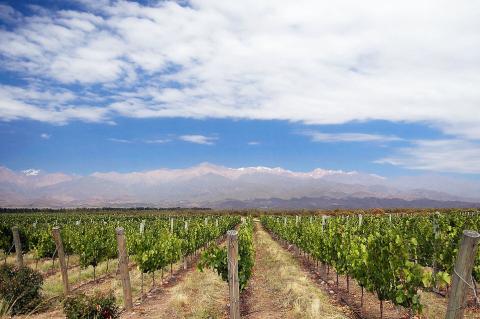
Nestled in the northwest corner of Argentina, the Cuyo region unfolds like a hidden gem. It is bordered by the majestic Andes Mountains to the west, the arid expanse of the Atacama Desert to the north, and the vast plains of the Pampas to the east. This historical region is characterized by its rugged landscapes and rich cultural heritage. It beckons with its captivating blend of history, wine production, and natural wonders.
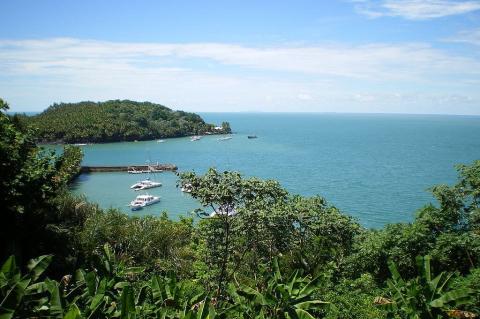
Argentina's High Monte: Life in the Arid Highlands

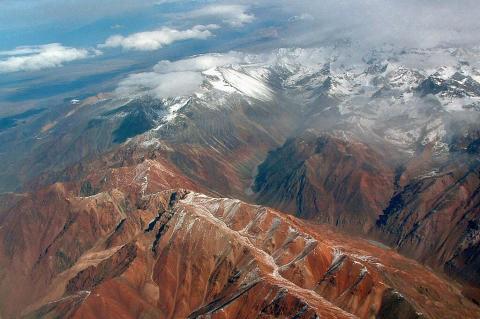
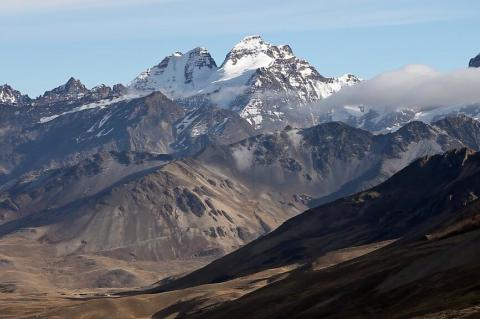
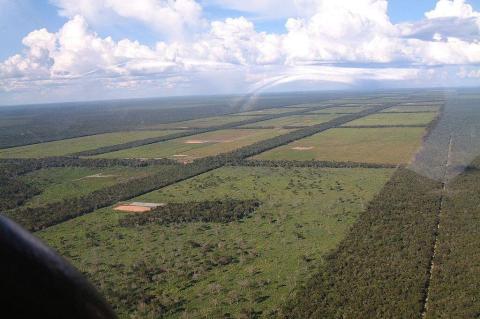
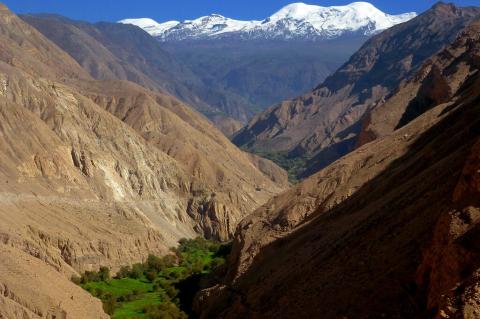
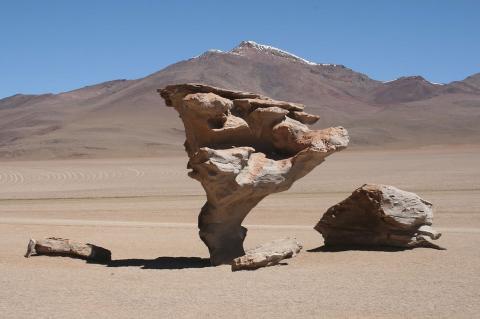
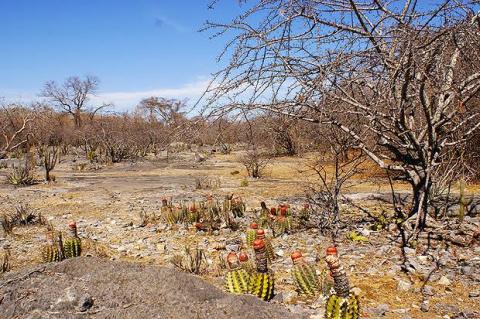
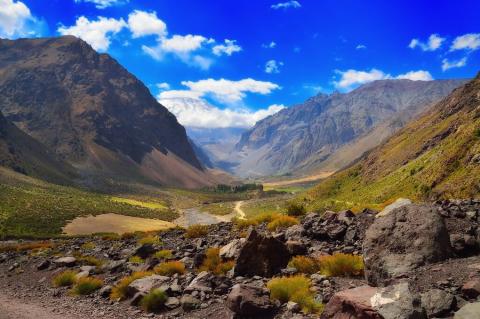
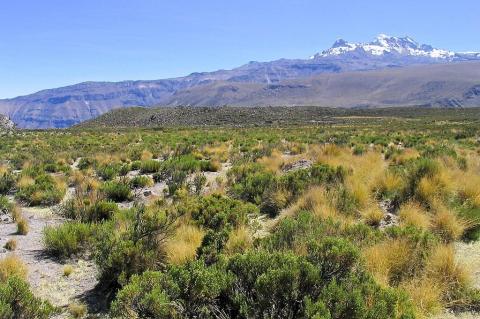
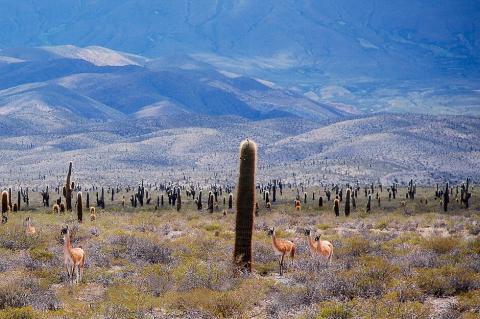
The High Monte ecoregion, extending along the eastern Andean slopes of northwestern Argentina, encompasses montane arid landscapes. Characterized by a temperate arid climate with rainfall concentrated in summer months, the region supports diverse vegetation communities dominated by xerophytic shrubs, Prosopis woodlands, and spectacular cactus assemblages. Despite harsh conditions, the High Monte harbors exceptional biodiversity. The region faces conservation challenges from overgrazing, deforestation, and climate change.
Asunción: The Historic and Cultural Capital of Paraguay

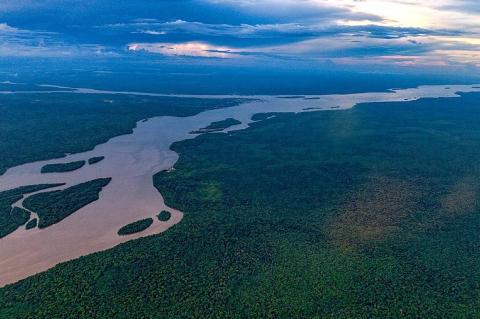
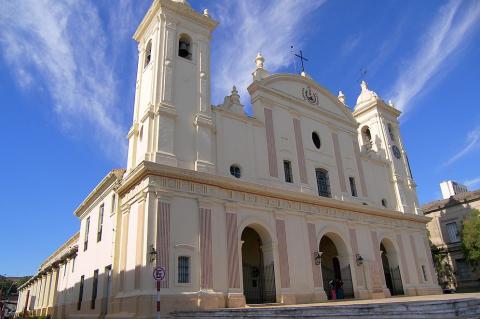
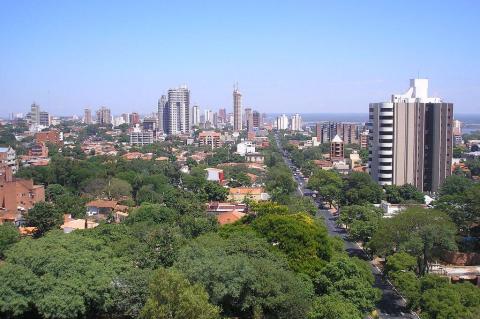
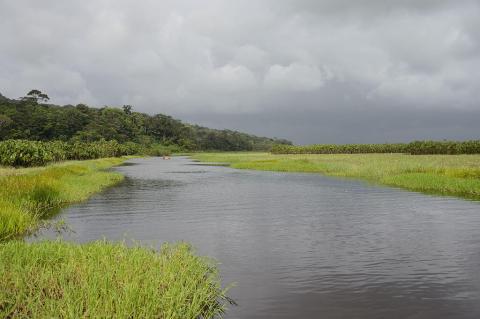
Asunción, the vibrant capital of Paraguay, serves as a gateway to a nation rich in cultural heritage and natural beauty. Perched on the eastern bank of the Paraguay River, Asunción boasts a unique blend of Spanish colonial history, indigenous Guaraní influences, and modern South American dynamism. One of South America's oldest capitals, this dynamic city harmoniously blends its historical roots with a rapidly evolving modern urban landscape, making it a focal point for those interested in exploring Paraguay's history, cultural heritage, and future ambitions.
At the World's End: The Yahgan People of Tierra del Fuego

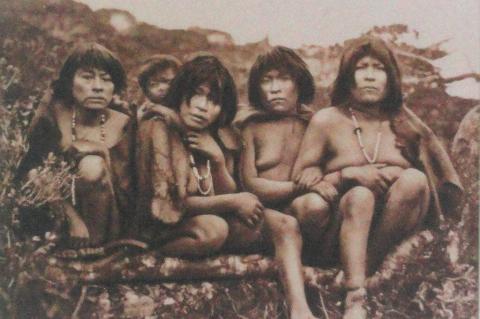
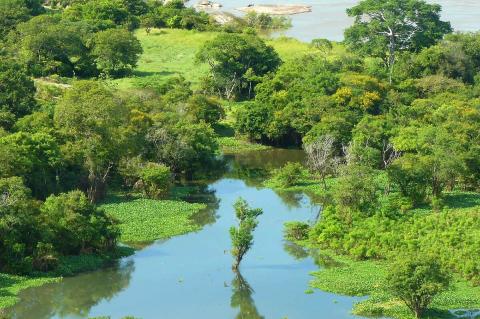
Amidst the labyrinthine channels and windswept islands of Tierra del Fuego, lived the Yahgan (also known as Yámana) people, the world's southernmost Indigenous population. For thousands of years, these remarkable hunter-gatherers, masters of the sea and intimately connected to their harsh environment, thrived in what Europeans later called the "Land of Fire." Their story is one of extraordinary adaptation, profound cultural depth, and, tragically, a near-complete decimation at the hands of colonialism and disease.
Avireri-Vraem Biosphere Reserve: A Sanctuary of Ecological and Cultural Diversity

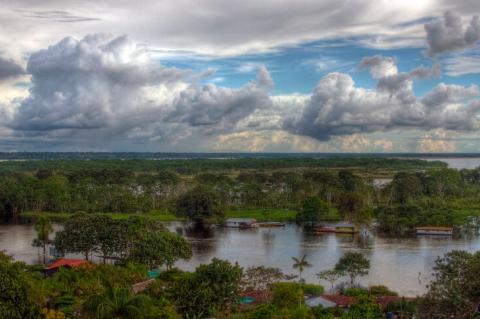
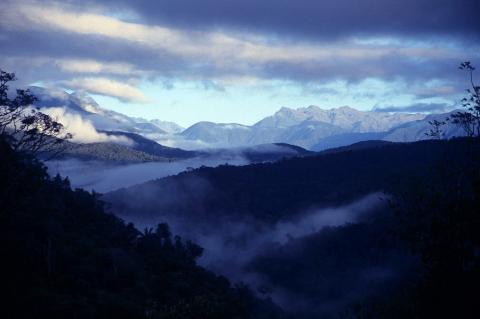
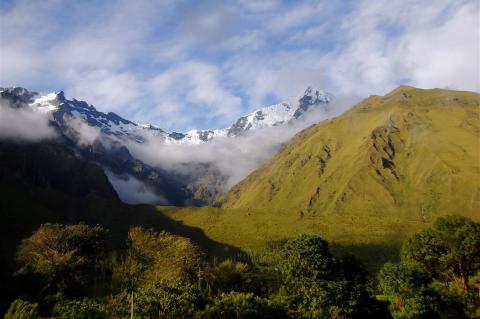
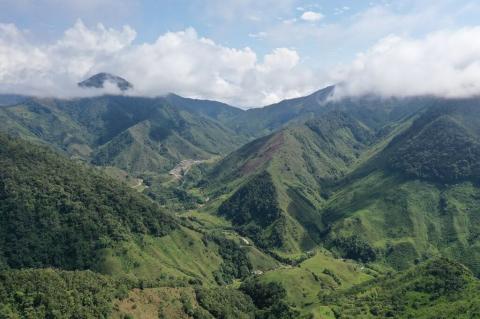
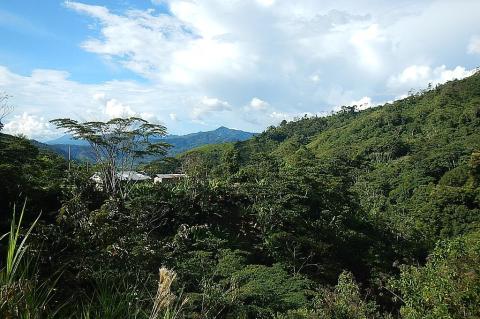
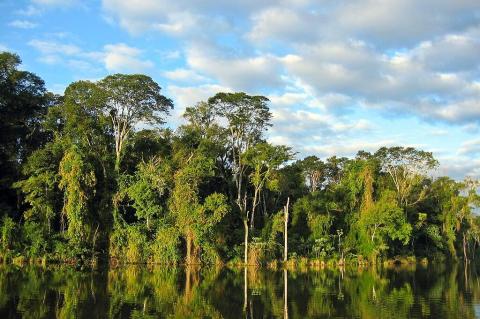
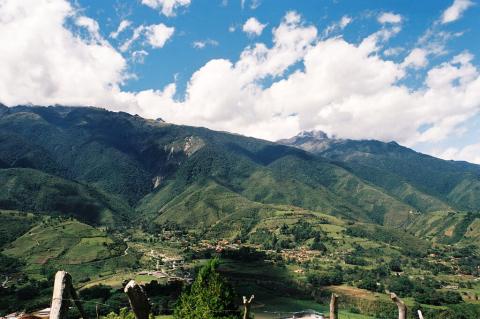
The Avireri-Vraem Biosphere Reserve is a testament to Peru's commitment to preserving its natural and cultural heritage. Its unique landscape, which rises from lowland rainforests to towering Andean peaks, harbors an astonishing array of ecosystems, species, and human communities. In addition to safeguarding Peru's extraordinary biodiversity, this vast reserve also preserves the traditional lifestyles and cultural heritage of the Indigenous people who have lived in harmony with nature for centuries.

Bahía Portete - Kaurrele National Natural Park: A Coastal Eden at the Edge of Colombia

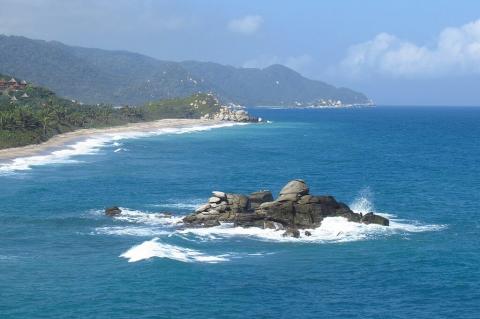
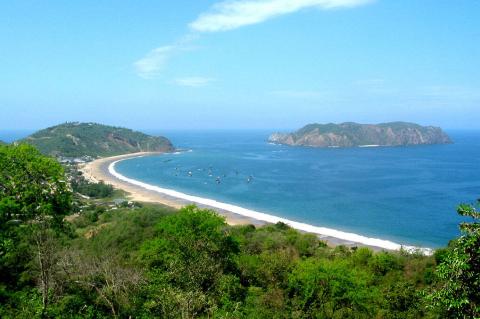
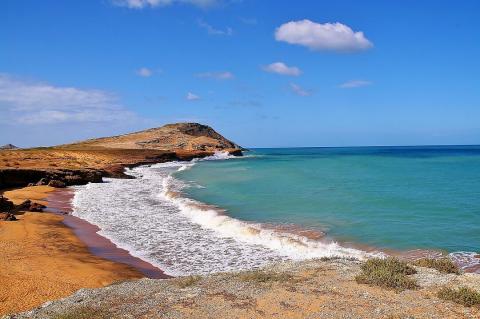
Located on the La Guajira Peninsula, at the northernmost tip of Colombia, the Bahía Portete - Kaurrele National Natural Park boasts a stunning coastline. It sits between Cabo de la Vela and Punta Gallinas and is known as the northernmost National Park in South America. This sanctuary is where the Caribbean Sea meets the arid La Guajira Desert, creating a unique and beautiful natural landscape.

Bahia's Treasure: The Wonders of Todos os Santos Bay

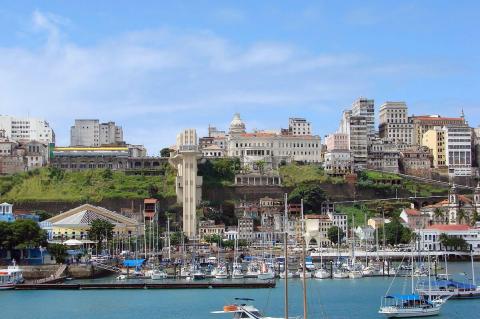
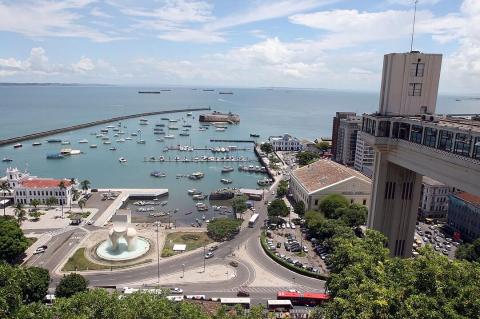
Nestled along Brazil's eastern coast, Todos os Santos Bay, also known as All Saints Bay, is a captivating natural harbor that has played a pivotal role in the history and development of the region. As the largest bay in Brazil, it envelops the vibrant city of Salvador de Bahia, the capital of the state of Bahia. It serves as both a geographical landmark and a cultural icon. With its deep historical roots and rich ecological diversity, this expansive bay continues to be a central feature of Bahia's coastal landscape.

Bahuaja-Sonene National Park: A Peruvian Amazon Jewel

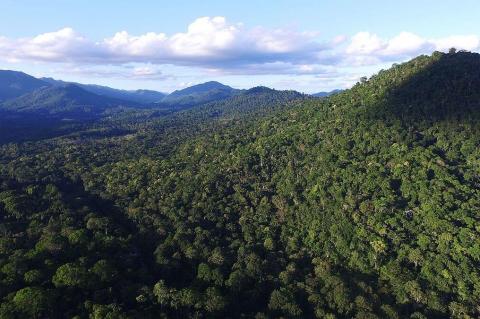
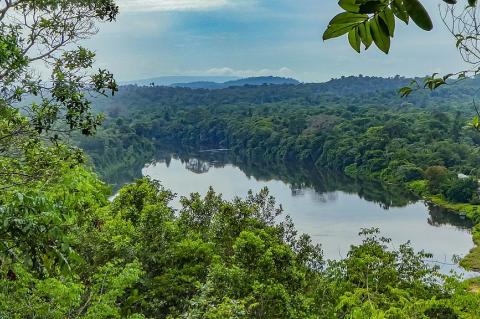
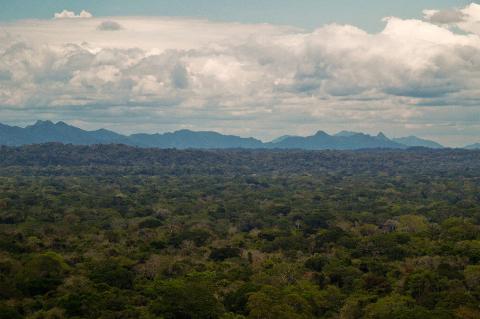
Deep within the heart of the Peruvian Amazon, nestled in the departments of Madre de Dios and Puno, lies the breathtaking Bahuaja-Sonene National Park, a protected area that has captured the imagination of nature lovers and conservationists alike. This vast expanse harbors some of the world's wildest and least-impacted habitats, a true testament to the region's remarkable biodiversity and ecological significance of the area.

Balancing Biodiversity and Development: The Itaipu Biosphere Reserve

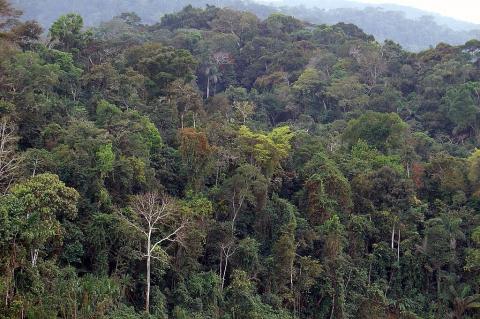
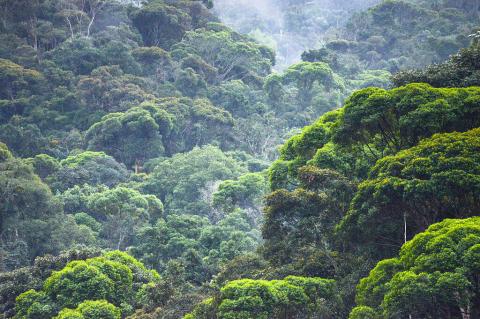
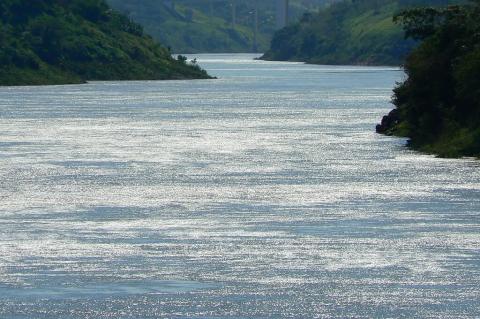
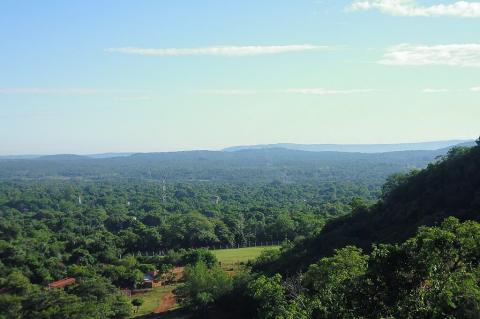
The Itaipu Biosphere Reserve, located in eastern Paraguay, is a striking example of the successful integration of biodiversity conservation and sustainable human development. This reserve encompasses the semi-deciduous subtropical Upper Paraná Atlantic Forest, a critical ecosystem. Managed by Itaipu Binacional, a bi-national entity established by Paraguay and Brazil, the Itaipu Biosphere Reserve showcases how collaboration, innovative management, and education can harmonize human activity with nature's preservation.

Ballestas Islands: Peru's Marine Wildlife Sanctuary

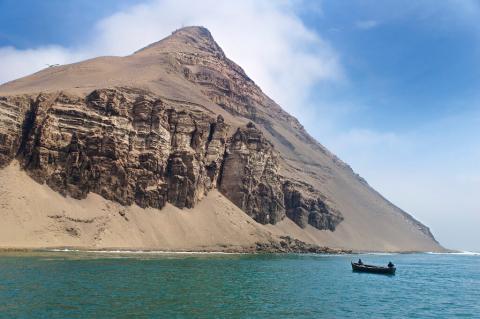
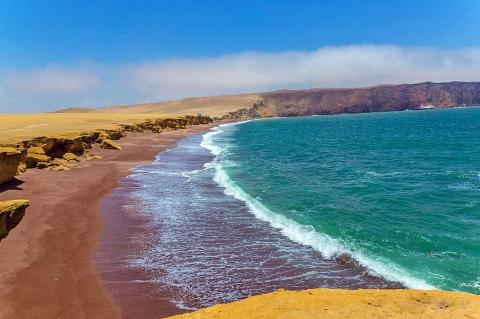
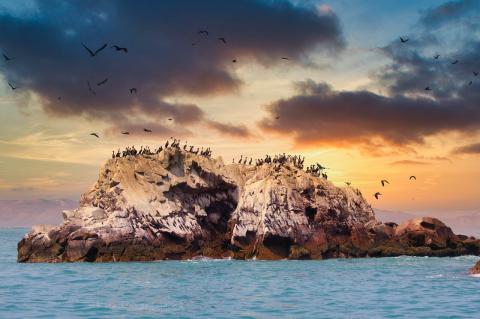
The Ballestas Islands, located off the southern coast of Peru near the town of Pisco, are a group of uninhabited rocky islets renowned for their remarkable biodiversity and ecological importance. They are part of the Guano Islands, Islets, and Capes National Reserve System. This expansive network stretches along the Peruvian coastline and is critical in conserving the region's marine life and maintaining the balance of the Humboldt Current ecosystem.