The Tumbes-Chocó-Magdalena Biodiversity Hotspot: Nature's Last Stand on South America's Pacific Coast

The Tumbes-Chocó-Magdalena Biodiversity Hotspot: Nature's Last Stand on South America's Pacific Coast

Posted in:

Along South America's Pacific coast from Panama to northern Peru lies the Tumbes-Chocó-Magdalena Biodiversity Hotspot, an endangered natural treasure. It’s a vital site for biodiversity, a refuge for endemic species, and a living laboratory, beyond just a conservation priority.

From Panama to Peru: Understanding the Tumbes-Chocó-Magdalena Biodiversity Crisis

Along the Pacific coast of South America, stretching like a verdant ribbon from southern Panama to northern Peru, lies one of Earth's most extraordinary and endangered natural treasures: the Tumbes-Chocó-Magdalena Biodiversity Hotspot. This remarkable region, encompassing nearly 275,000 square kilometers (106,000 square miles), represents far more than just another conservation priority—it stands as a living laboratory of evolution, a refuge for countless endemic species, and a critical battleground in the global fight to preserve biodiversity.

The concept of biodiversity hotspots, first introduced by British ecologist Norman Myers in 1988, identifies regions that harbor exceptional concentrations of endemic species while simultaneously facing severe habitat loss and degradation. To qualify as a biodiversity hotspot, a region must contain at least 1,500 species of vascular plants found nowhere else on Earth and have lost at least 70% of its original habitat. The Tumbes-Chocó-Magdalena Hotspot not only meets these criteria but exceeds them dramatically, making it one of the most biologically significant—and most threatened—regions on our planet.

Historical Context and Scientific Recognition

The scientific recognition of this region's extraordinary biodiversity has undergone significant evolution over the past several decades. Originally designated as the Chocó-Darién-Western Ecuador hotspot, the area underwent a major taxonomic revision, leading to its current designation as the Tumbes-Chocó-Magdalena Hotspot. This expansion reflected growing scientific understanding of the biological connections between previously separated ecoregions, particularly the inclusion of Colombia's Magdalena Valley, which added crucial montane and lowland ecosystems to the hotspot's already impressive portfolio.

The region's biodiversity has captivated scientists since the early days of natural history exploration. Alexander von Humboldt, the renowned 19th-century naturalist, was among the first to document the extraordinary species richness of these Pacific coastal forests. Charles Darwin's visits to the Galápagos Islands, now included within the hotspot's boundaries, fundamentally changed our understanding of evolution and species adaptation. Today, modern conservation biology recognizes this region as irreplaceable—a designation reserved for areas where species loss would result in permanent, irreversible damage to global biodiversity.

Tumbes-Chocó-Magdalena Hotspot

Geographical Scope and Physical Characteristics

Regional Boundaries and Extent

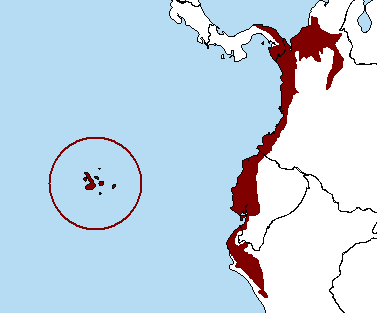
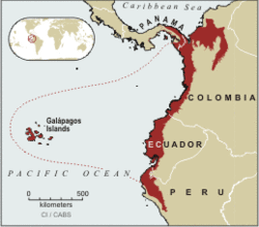
The Tumbes-Chocó-Magdalena Hotspot spans an impressive 1,500 kilometers (930 miles) along South America's Pacific coast, forming a biogeographical bridge between Central and South America. Its northern boundary begins near Panama's Canal Zone, while its southern limit extends into Peru's coastal desert regions. This vast expanse encompasses portions of five countries: Panama, Colombia, Ecuador, Peru, and the unique oceanic territories of the Galápagos Islands.

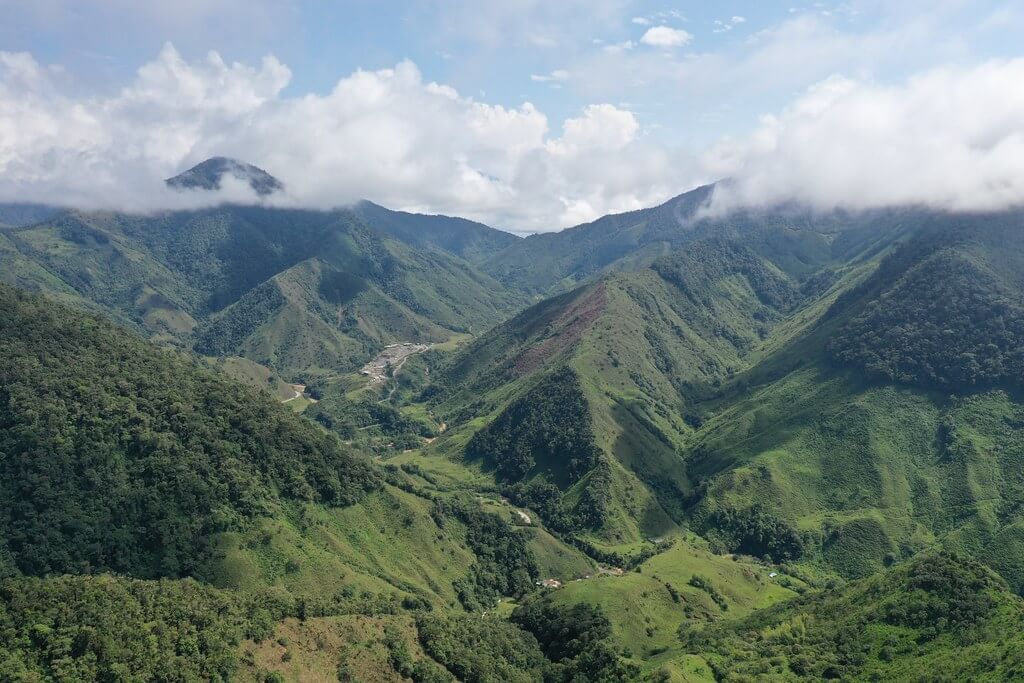
The hotspot's eastern boundary follows the western flanks of the Andes Mountains, creating a complex transition zone where coastal lowlands meet Andean foothills. This positioning, along one of the world's most dramatic topographical gradients—from sea level to over 3,000 meters in elevation, contributes significantly to the region's exceptional ecological diversity.

Topographical Diversity

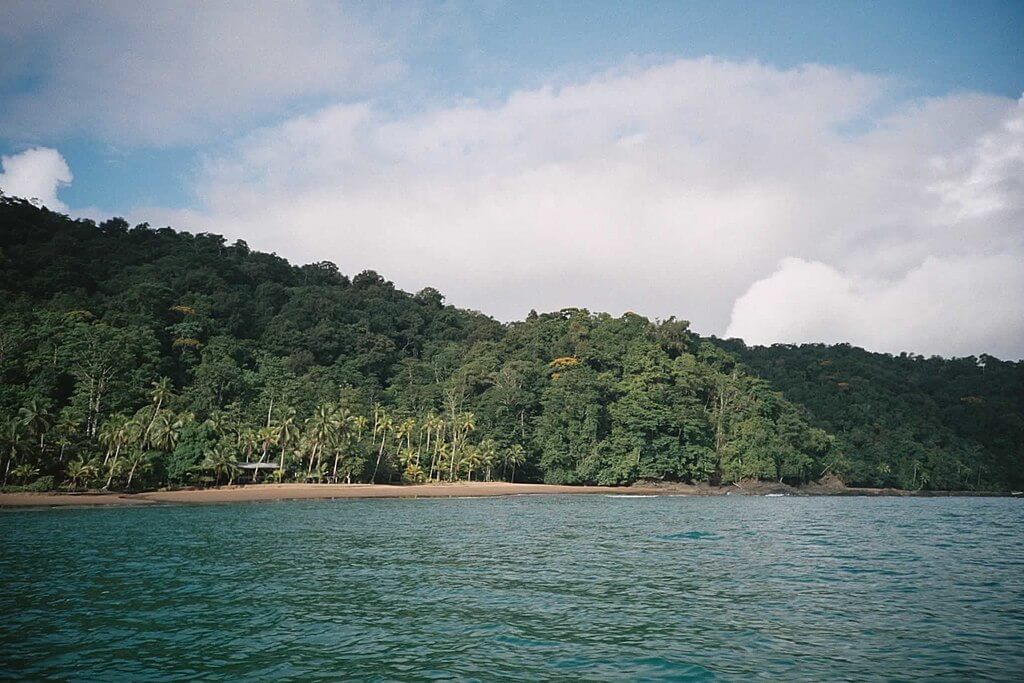
The physical landscape of the Tumbes-Chocó-Magdalena Hotspot presents a remarkable study in geographical contrasts. The region encompasses everything from mangrove-lined estuaries and pristine beaches to cloud-wrapped mountain slopes and isolated volcanic islands. The presence of the Andes Mountains creates a rain shadow effect that profoundly influences regional climate patterns, resulting in dramatic differences in precipitation across relatively short distances.

Along the coast, extensive river deltas and estuarine systems create some of the most productive ecosystems in the Western Hemisphere. The Magdalena River Valley in Colombia, the Guayas River system in Ecuador, and numerous smaller watersheds throughout the region support vast wetlands and floodplain forests that serve as critical wildlife corridors and breeding grounds.

Climate Patterns and Seasonal Variations

The hotspot's climate is primarily tropical and subtropical, but with significant regional variations influenced by elevation, proximity to the ocean, and the presence of major mountain ranges. The northern regions, particularly the Colombian Chocó, experience some of the highest rainfall levels in the Americas, with annual precipitation exceeding 10,000 millimeters (approximately 400 inches) in certain areas. This extraordinary precipitation creates conditions that support some of the world's most diverse rainforest ecosystems.

In contrast, the southern portions of the hotspot, particularly along the Peruvian coast, experience much drier conditions influenced by the cold Humboldt Current and the rain shadow effect of the Andes. This dramatic climatic gradient—from hyperhumid rainforests to arid scrublands—occurs over relatively short geographical distances and contributes to the region's exceptional ecosystem diversity.

The El Niño-Southern Oscillation (ENSO) significantly influences the region's climate patterns, creating periodic cycles of extreme weather that have shaped evolutionary adaptations and ecosystem dynamics over millennia. These natural climate cycles, combined with ongoing climate change, present both a historical context and contemporary challenges for conservation efforts.

Ecoregions: A Tapestry of Unique Habitats

The Tumbes-Chocó-Magdalena Hotspot encompasses fourteen distinct ecoregions, each characterized by unique combinations of climate, topography, and evolutionary history. Understanding these ecoregions is crucial for appreciating the hotspot's incredible ecological complexity and the specific conservation challenges that each area faces.

Northern Wet Forest Ecoregions

Chocó-Darién Moist Forests (Colombia, Ecuador, Panama)

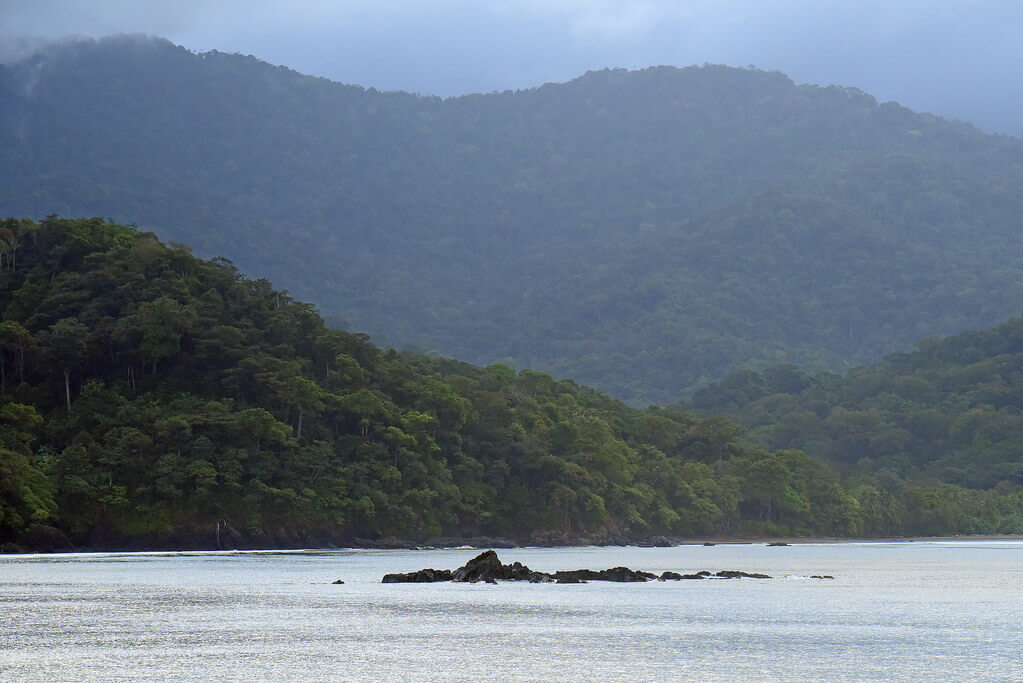
The Chocó-Darién moist forests represent one of the world's most biodiverse ecosystems, often referred to as the "Galápagos of plants" due to their extraordinary levels of endemism. These forests experience year-round high humidity and receive between 4,000 and 12,000 millimeters of annual rainfall. The region supports over 9,000 plant species, with endemism rates exceeding 25% in many taxonomic groups.

The forest structure is characterized by multiple canopy layers, with emergent trees reaching heights of 50 to 60 meters. The incredible moisture levels support extensive epiphyte communities, including hundreds of orchid, bromeliad, and fern species. Many trees are buttressed, and the forest floor remains relatively open due to the dense canopy that filters sunlight.

This ecoregion serves as a critical refuge for large mammals, including jaguars, tapirs, and several primate species. The region's palm diversity is unmatched globally, with over 300 documented species contributing to both ecosystem function and local human economies.

Eastern Panamanian Montane Forests (Panama, Colombia) 

These montane forests occur at elevations between 500 and 2,000 meters, creating unique cloud forest conditions that support distinct assemblages of plants and animals. The constant moisture from cloud immersion creates ideal conditions for epiphytes and contributes to high levels of endemism among amphibians and small mammals.

Dry Forest Ecoregions

Tumbes-Piura Dry Forests (Ecuador, Peru)

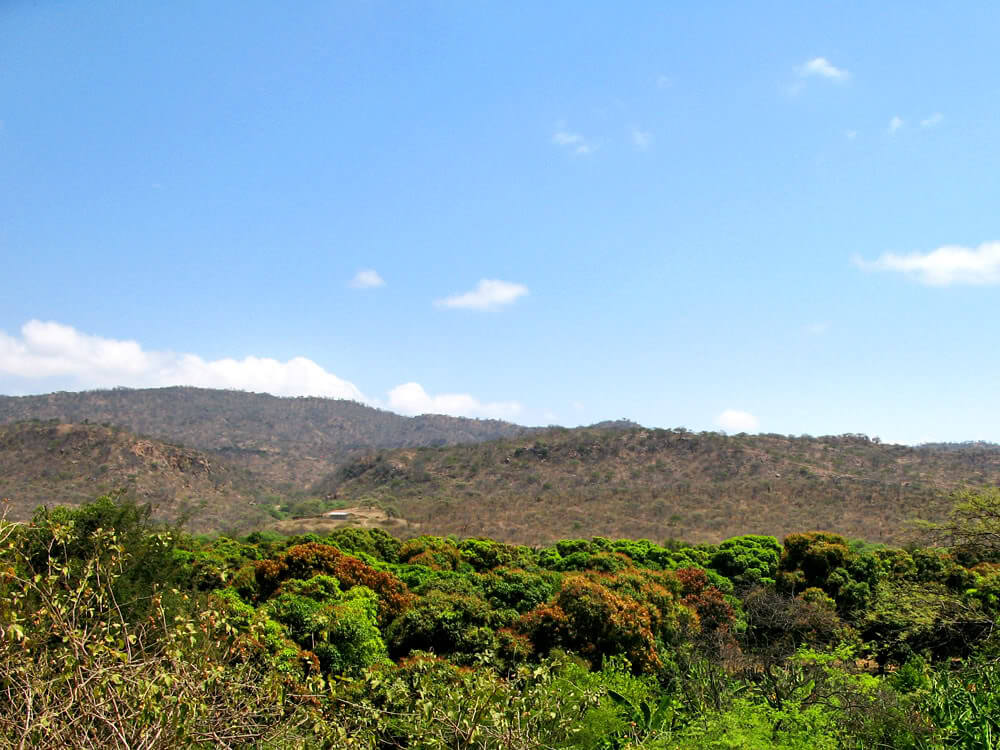
The Tumbes-Piura dry forests represent one of the most threatened forest types in the neotropics. These seasonally dry forests experience pronounced wet and dry seasons, creating unique adaptations among plant and animal communities. Many trees shed their leaves during the dry season, and the understory often becomes dense with thorny shrubs and cacti.

Despite their apparent simplicity, these dry forests support a remarkable biodiversity, including numerous endemic bird species and specialized plant communities that are adapted to water stress. The region's isolation from other dry forest areas has led to high levels of endemism, making the conservation of remaining fragments critically important.

Ecuadorian Dry Forests (Ecuador)

Located primarily in Ecuador's coastal plains, the Ecuadorian dry forests transition from moist conditions in the foothills to increasingly arid conditions as they approach the coast. The vegetation is dominated by drought-deciduous trees and shrubs, with significant cactus components in the driest areas.

Wetland and Coastal Ecoregions

Gulf of Guayaquil-Tumbes Mangroves (Ecuador, Peru) 

This extensive mangrove system represents one of the largest and most intact mangrove ecosystems on the Pacific coast of South America. The mangroves serve multiple critical ecological functions, including coastal protection, carbon sequestration, and providing nursery habitats for numerous marine species.

The region supports five mangrove species, each adapted to different salinity levels and tidal regimes. These ecosystems are incredibly productive, supporting both terrestrial wildlife and serving as the foundation for coastal fisheries that provide livelihoods for thousands of people.

Magdalena-Urabá Moist Forests (Colombia)

The Magdalena-Urabá moist forests in Colombia's Caribbean region represent transitional ecosystems between the hyperhumid Chocó and drier inland areas. The region supports significant populations of endemic birds and serves as an important corridor for wildlife movement between different forest types.

Unique Island Ecosystems

Galápagos Islands Ecoregions (Ecuador)

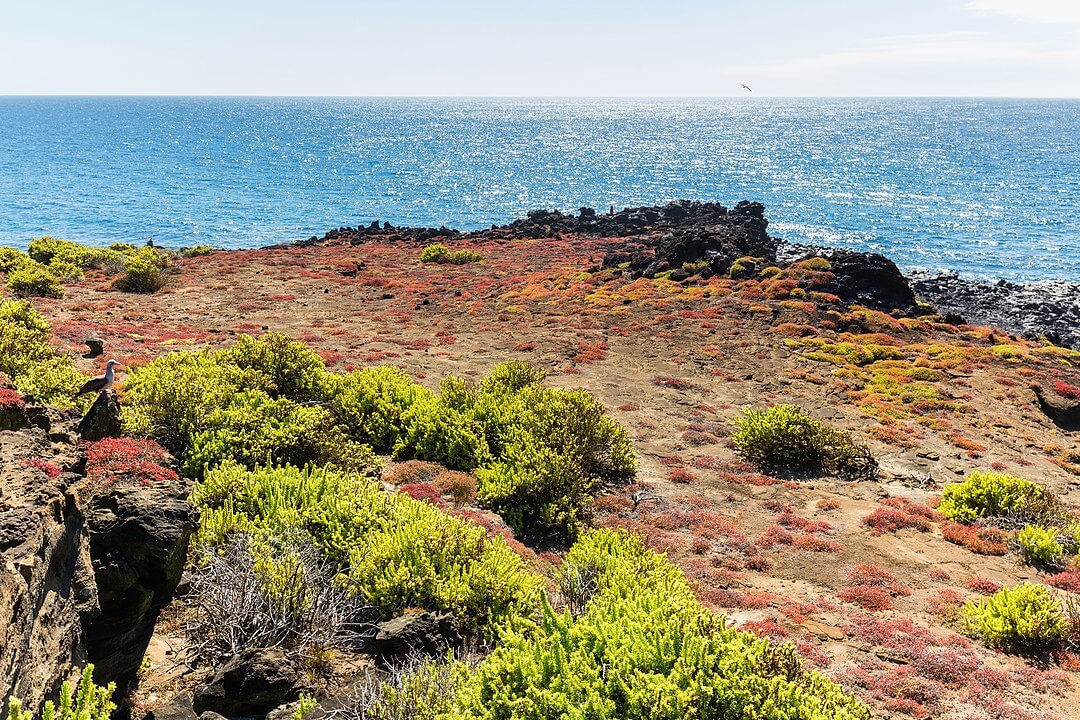
The Galápagos Islands encompass two distinct ecoregions—xeric scrub and scrubland mosaic—both characterized by unique evolutionary histories and extraordinary levels of endemism. These volcanic islands, which range in age from 3 to 5 million years, have served as natural laboratories for evolution and continue to provide crucial insights into the processes of speciation and adaptation.

The islands' isolation has resulted in the evolution of numerous endemic species, including the famous Darwin's finches, giant tortoises, marine iguanas, and hundreds of plant species found nowhere else on Earth. Each island presents slightly different environmental conditions, leading to additional subspeciation and local adaptation.

Biodiversity: A Global Treasure Trove

The Tumbes-Chocó-Magdalena Hotspot's biological richness is truly staggering, representing one of the highest concentrations of biodiversity on Earth. Current estimates suggest the region harbors over 11,000 species of vascular plants, making it one of the most floristically diverse areas outside of Amazônia. This plant diversity forms the foundation for equally impressive animal diversity, with documented species counts that continue to grow as scientific exploration intensifies.

Flora: The Foundation of Diversity

Vascular Plant Diversity

The hotspot's plant diversity reflects both its climatic variety and complex geological history. The region supports representatives from numerous plant families, with particularly high diversity among palms, orchids, bromeliads, and ferns. Endemism rates are exceptionally high, with some estimates suggesting that over 6,250 plant species—more than half of the total flora—are found nowhere else on Earth.

The palm family (Arecaceae) reaches its global diversity peak in this region, with the Colombian Chocó alone supporting over 300 species. These palms range from towering canopy trees to understory shrubs and climbing lianas, filling virtually every available ecological niche. Many Indigenous communities have developed sophisticated knowledge systems centered on the utilization of palms, utilizing different species for construction, food, medicine, and crafts.

Orchid diversity is equally impressive, with over 2,000 documented species representing approximately 10% of the world's orchid flora. These range from terrestrial forest floor species to elaborate epiphytes that festoon tree branches and trunks. The region's consistent moisture and complex forest structure provide ideal conditions for orchid diversification.

Endemic Plant Families and Genera

Several plant families reach their evolutionary peaks within the hotspot, including numerous genera that are entirely endemic to the region. The constant moisture and stable climate have allowed for the persistence of ancient plant lineages while simultaneously promoting rapid speciation in response to the region's topographical and climatic diversity.

Avian Diversity: A Birdwatcher's Paradise

The Tumbes-Chocó-Magdalena Hotspot supports nearly 900 bird species, representing approximately 9% of the world's avifauna in less than 2% of the Earth's land surface. This extraordinary bird diversity reflects the region's habitat complexity and its position along major migratory corridors.

Endemic Species and Evolutionary Radiations

Over 270 bird species are endemic to the hotspot, including numerous evolutionary radiations that demonstrate ongoing speciation processes. The region's varied elevational gradients and isolated mountain ranges have promoted the evolution of multiple closely related species, each adapted to specific elevational zones or habitat types.

Notable endemic groups include the antpittas (Grallariidae), with numerous species restricted to specific elevational bands in the Andean foothills. The region also supports significant populations of large, forest-dependent species, such as the harpy eagle, crested eagle, and various guans and curassows, which require extensive, intact forest habitats.

Threatened and Vulnerable Species

Seventeen bird species within the hotspot are currently listed as threatened by the International Union for Conservation of Nature (IUCN). These include the bare-necked umbrellabird (Cephalopterus glabricollis), whose populations have declined dramatically due to forest fragmentation, and the white-winged guan (Penelope albipennis), which was thought extinct until its rediscovery in 1977.

Many of these threatened species are dependent on specific habitat types that are disappearing rapidly. Coastal dry forests, in particular, support numerous endemic bird species that are found nowhere else but face severe pressure from agricultural conversion and urban development.

Mammalian Fauna: From Miniature to Magnificent

The hotspot supports over 285 mammal species, ranging from tiny shrews and bats to large predators and herbivores. This mammalian diversity includes representatives from most major tropical American families, with particularly high diversity among bats, primates, and small terrestrial mammals.

Large Mammal Communities 

Despite human pressure, the region still supports populations of most large Neotropical mammals, including jaguars, pumas, tapirs, and various deer species. These large mammals play crucial ecological roles as seed dispersers and predators, helping to maintain the integrity of forest ecosystems.

The Baird's tapir (Tapirus bairdii) represents the region's largest terrestrial mammal and serves as an important seed disperser for many plant species. Unfortunately, tapir populations have declined significantly throughout their range due to hunting pressure and habitat loss.

Primate Diversity

The hotspot supports numerous primate species, including several that are endemic to the region. These range from small nocturnal species, such as the night monkeys (Aotus), to larger diurnal species, including howler monkeys and spider monkeys. Many primate species play a crucial role as seed dispersers, particularly for large-seeded trees that rely on animal dispersal for regeneration.

Reptilian and Amphibian Richness

The region's reptilian diversity exceeds 320 species, while amphibian diversity is equally impressive with over 350 documented species. These numbers continue to grow as new species are discovered, particularly in remote montane areas that have received limited scientific attention.

Galápagos Reptilian Endemism

The Galápagos Islands contribute significantly to the region's reptilian diversity, with approximately 20 endemic species including the famous giant tortoises and marine iguanas. These species represent some of the most dramatic examples of evolutionary adaptation and have made significant contributions to our understanding of evolution and biogeography.

Amphibian Diversity and Endemism

The region's amphibian fauna includes numerous colorful poison dart frogs (Dendrobatidae), glass frogs (Centrolenidae), and a variety of salamanders and caecilians. Many amphibian species have extremely limited distributions, making them particularly vulnerable to habitat loss and climate change.

The consistent moisture in many parts of the hotspot creates ideal conditions for amphibian reproduction and development. However, this same moisture dependence makes many species extremely vulnerable to climate change and habitat fragmentation.

Marine and Freshwater Biodiversity

While often overlooked in terrestrial biodiversity assessments, the hotspot's marine and freshwater ecosystems support remarkable diversity. Coastal waters support important populations of marine mammals, sea turtles, and numerous fish species, many of which rely on coastal mangrove and estuarine ecosystems for breeding and nursery habitats.

The region's numerous rivers and streams support diverse freshwater fish communities, including many endemic species. These freshwater systems also serve as crucial corridors for wildlife movement and provide essential ecosystem services for human communities.

Ecosystem Services and Human Benefits

Beyond their intrinsic value, the ecosystems within the Tumbes-Chocó-Magdalena Hotspot provide numerous essential services that benefit both local communities and global society. Understanding these ecosystem services is crucial for developing effective conservation strategies and communicating the importance of biodiversity conservation to diverse stakeholders.

Climate Regulation and Carbon Storage

The hotspot's forests serve as massive carbon reservoirs, storing billions of tons of carbon in both above-ground biomass and soil organic matter. The region's role in global climate regulation extends beyond carbon storage to include influence on regional precipitation patterns and temperature moderation.

Mangrove ecosystems within the hotspot are particularly efficient at carbon sequestration, storing carbon at rates that exceed most terrestrial ecosystems. These "blue carbon" ecosystems represent crucial components of global carbon cycling and climate change mitigation strategies.

Water Cycle Regulation

The region's forests play a crucial role in regulating the water cycle, influencing both local and regional precipitation patterns. The extensive forest cover promotes evapotranspiration, which contributes to cloud formation and the recycling of precipitation. This process is particularly important in maintaining precipitation patterns that support both natural ecosystems and agricultural systems throughout the region.

Watershed protection represents another crucial service, with forested watersheds providing clean water supplies for millions of people throughout the region. Deforestation in upper watersheds frequently leads to increased erosion, flooding, and degradation of water quality in downstream areas.

Coastal Protection

Mangrove forests and other coastal ecosystems provide natural protection against storms, tsunamis, and sea-level rise. These ecosystems serve as natural breakwaters, reducing wave energy and preventing coastal erosion. The economic value of this coastal protection service has been estimated in the billions of dollars, far exceeding the costs of conservation.

Genetic Resources and Medicinal Plants

The hotspot's extraordinary plant diversity encompasses numerous species with actual or potential medicinal, agricultural, or industrial value. Many Indigenous communities have developed sophisticated traditional knowledge systems centered on plant use, representing invaluable repositories of information about sustainable resource utilization.

Numerous plant species within the region have contributed to modern pharmaceuticals, and many more remain uninvestigated for their potential medical applications. The ongoing loss of species represents the permanent loss of genetic resources that could contribute to future medical breakthroughs.

Indigenous Peoples and Traditional Knowledge

The Tumbes-Chocó-Magdalena Hotspot has been home to numerous Indigenous peoples for thousands of years, each developing unique cultural adaptations to their specific environments. These communities have developed sophisticated knowledge systems about local ecosystems and sustainable resource management practices, offering important insights for contemporary conservation efforts.

Cultural Diversity and Traditional Practices

The region supports dozens of Indigenous ethnic groups, each with distinct languages, cultural practices, and environmental knowledge systems. These communities have traditionally lived in close harmony with forest ecosystems, developing sustainable practices for hunting, fishing, agriculture, and resource extraction.

Traditional agroforestry systems developed by Indigenous communities often maintain higher biodiversity levels than surrounding natural forests, while providing a diverse range of products for subsistence and trade. These systems represent important models for sustainable development that could be adapted for broader application.

Traditional Ecological Knowledge

Indigenous communities possess detailed knowledge about local species, ecological relationships, and environmental changes that spans generations. This traditional ecological knowledge often complements scientific understanding and provides crucial insights for conservation planning and ecosystem management.

Many Indigenous communities serve as important guardians of remaining forest areas, with Indigenous territories often maintaining better forest cover than surrounding areas. Supporting Indigenous land rights and traditional management systems represents a crucial strategy for biodiversity conservation.

Contemporary Challenges and Opportunities

Indigenous communities face numerous contemporary challenges, including pressure from extractive industries, loss of traditional territories, and cultural assimilation. However, growing recognition of Indigenous rights and the value of traditional knowledge systems creates opportunities for collaborative conservation approaches that benefit both biodiversity conservation and Indigenous communities.

Threats to Biodiversity: A Crisis in Progress

Despite its extraordinary biological significance, the Tumbes-Chocó-Magdalena Hotspot faces severe and accelerating threats that have already resulted in the loss of over 70% of its original habitat. Understanding these threats and their interconnections is essential for developing effective conservation responses.

Deforestation and Habitat Loss

Habitat loss represents the most immediate and severe threat to the hotspot's biodiversity. Different regions face varying pressures from deforestation, but the overall pattern shows continued rapid forest loss throughout most of the hotspot.

Agricultural Expansion

Agricultural conversion represents the primary driver of deforestation throughout most of the region. Large-scale agriculture, including oil palm plantations, cattle ranching, and export crop production, has converted millions of hectares of forest to simplified agricultural systems that support only a fraction of original biodiversity.

Small-scale agriculture also contributes significantly to forest loss, particularly in areas with growing human populations and limited economic alternatives. Shifting cultivation practices, while traditionally sustainable at low population densities, become unsustainable when fallow periods are shortened due to land pressure.

Infrastructure Development

Road construction, urban expansion, and infrastructure development fragment remaining forests, facilitating access for further exploitation. The construction of new roads often triggers rapid deforestation as previously inaccessible areas become available for agricultural conversion or resource extraction.

Urban expansion, particularly along the coast, has led to the loss of many unique coastal ecosystems. Cities like Guayaquil and Cartagena, as well as numerous smaller coastal towns, have expanded rapidly, often without adequate environmental planning or protection for their remaining natural areas.

Logging and Resource Extraction

Both legal and illegal logging continue to degrade forest ecosystems throughout the region. While sustainable forestry practices can maintain some biodiversity values, current logging practices often target the largest and most valuable trees, fundamentally altering forest structure and ecosystem function.

Illegal logging represents a particularly severe threat, often operating without any environmental safeguards and targeting the most valuable and often rarest tree species. The economic incentives for unlawful logging remain strong due to weak enforcement and high market values for tropical timber.

Mining activities, including both large-scale operations and small-scale artisanal mining, cause severe local environmental damage while contributing to broader patterns of forest degradation. Gold mining, in particular, often involves mercury contamination that affects both terrestrial and aquatic ecosystems.

Hunting and Wildlife Trade

Overhunting has significantly reduced or eliminated populations of many large mammals and birds throughout the region. This hunting pressure affects not only the targeted species but also the ecosystem's function, as many hunted species play crucial roles as seed dispersers and ecological engineers.

The illegal wildlife trade continues to threaten numerous species, particularly birds, reptiles, and mammals, which are highly valued in international markets. Weak enforcement and high economic incentives continue to put pressure on many species despite their legal protection.

Climate Change Impacts

Climate change represents an emerging threat that may prove even more severe than current direct human impacts. Rising temperatures, changing precipitation patterns, and an increased frequency of extreme weather events all pose significant challenges for species and ecosystems that are adapted to current climate conditions.

Temperature and Precipitation Changes

Climate models predict significant warming throughout the region, with particularly severe impacts expected at higher elevations where many endemic species are already restricted to narrow temperature ranges. Changes in precipitation patterns may fundamentally alter ecosystem composition and function, particularly in seasonally dry areas.

Sea Level Rise

Coastal ecosystems, including mangroves and coastal dry forests, face direct threats from sea-level rise. While some coastal ecosystems can migrate inland in response to rising seas, urban development and agriculture often block such migration.

Extreme Weather Events

Increased frequency and intensity of storms, droughts, and floods associated with climate change pose additional stresses on already fragmented ecosystems. Small populations of endemic species may be particularly vulnerable to extinction during extreme weather events.

Pollution and Environmental Degradation

Agricultural runoff, urban pollution, and industrial contamination degrade both terrestrial and aquatic ecosystems throughout the region. Pesticide use in agricultural areas often affects non-target species and can accumulate in food webs, affecting predators and scavengers.

Water pollution from urban areas and industrial activities degrades aquatic ecosystems, affecting the many species that depend on clean water for breeding and survival. Coastal pollution, including plastic waste and chemical runoff, affects marine ecosystems that are crucial for many terrestrial species.

Conservation Efforts: Hope in Action

Despite the severe threats facing the Tumbes-Chocó-Magdalena Hotspot, numerous conservation initiatives offer hope for preserving the region's extraordinary biodiversity. These efforts range from local community-based projects to international conservation programs, representing diverse approaches to biodiversity conservation.

Protected Area Networks

The region encompasses numerous protected areas that safeguard important specimens of various ecosystems. These range from small municipal reserves to large national parks, encompassing both terrestrial and marine protected areas.

National Parks and Reserves

Major protected areas within the hotspot include Ecuador's Yasuní National Park, Colombia's Los Katíos National Park, and numerous smaller reserves throughout the region. These protected areas preserve important habitat samples but often lack adequate funding for effective management.

The Galápagos National Park represents one of the world's most famous and well-funded protected areas, serving as a model for conservation management and demonstrating the economic value of biodiversity conservation through ecotourism.

Private Reserves and Conservation Concessions

Private conservation initiatives play increasingly important roles in biodiversity conservation throughout the region. These include private reserves established by conservation organizations, research stations that combine scientific research with habitat protection, and conservation concessions that provide economic alternatives to deforestation.

Community-Based Conservation

Local communities play crucial roles in biodiversity conservation throughout the region. Community-based conservation projects often combine biodiversity protection with sustainable development, providing economic incentives for forest conservation while respecting local cultural values and practices.

Indigenous Territory Recognition

Recognition and support of Indigenous territorial rights represents one of the most effective conservation strategies in the region. Indigenous territories often maintain better forest cover than surrounding areas and provide crucial habitat corridors connecting formal protected areas.

Community Forest Management

Many local communities have developed sustainable forest management practices that maintain biodiversity while providing economic benefits. These community forestry initiatives often serve as models for broader application, demonstrating the compatibility of conservation and sustainable development.

Restoration and Rehabilitation Programs

Numerous projects throughout the region focus on restoring degraded habitats and reconnecting fragmented forest areas. These restoration efforts often involve local communities, providing both conservation benefits and economic opportunities.

Reforestation Projects

Large-scale reforestation projects using native species help restore forest cover and provide habitat for wildlife. These projects often focus on connecting existing forest fragments and restoring critical habitat corridors.

Mangrove Restoration

Coastal areas have seen numerous mangrove restoration projects that combine biodiversity conservation with coastal protection and sustainable fisheries management. These projects often involve local fishing communities, providing both environmental and economic benefits.

Research and Monitoring Programs

Scientific research continues to reveal new species and provide crucial information for conservation planning. Long-term monitoring programs track ecosystem changes and provide early warning of emerging threats.

Biodiversity Inventories

Ongoing biodiversity surveys continue to document new species and provide crucial information about species distributions and habitat requirements. These surveys often reveal that current protected areas inadequately represent regional biodiversity.

Ecological Research

Research on ecosystem function, species interactions, and conservation strategies provides crucial information for effective conservation planning. This research often involves collaboration between international scientists and local researchers and communities.

International Conservation Initiatives

Numerous international organizations support conservation efforts throughout the region. These initiatives provide funding, technical assistance, and coordination for conservation projects.

Conservation International and Other NGOs

Major conservation organizations have long-term commitments to biodiversity conservation in the region. These organizations provide funding for the management of protected areas, community-based conservation projects, and scientific research.

International Funding Mechanisms

International funding mechanisms, including debt-for-nature swaps, carbon credit programs, and biodiversity conservation funds, provide crucial financial resources for conservation efforts. These funding mechanisms often require long-term commitments and measurable conservation outcomes.

The Economic Case for Conservation

Biodiversity conservation in the Tumbes-Chocó-Magdalena Hotspot represents not only an environmental imperative but also an economic opportunity. Understanding the monetary values associated with biodiversity conservation helps build broader support for conservation efforts and demonstrates the financial benefits of sustainable development approaches.

Ecosystem Service Values

Economic analyses of ecosystem services provided by the hotspot's natural ecosystems reveal enormous economic values that far exceed the short-term financial gains from deforestation and development. These ecosystem service values include both direct benefits and indirect benefits that are often overlooked in conventional economic analyses.

Carbon Storage and Climate Regulation

The carbon storage value of the hotspot's forests represents billions of dollars in climate change mitigation benefits. As carbon markets develop and carbon prices increase, these values will become increasingly important for conservation financing.

Water Services and Flood Control

Watershed protection services provided by forested areas save millions of dollars in water treatment costs and flood damage prevention. These benefits accrue to both local communities and downstream urban areas.

Ecotourism Potential

The region's extraordinary biodiversity and unique ecosystems represent significant potential for sustainable tourism development. The Galápagos Islands demonstrate the enormous economic potential of well-managed ecotourism, generating hundreds of millions of dollars annually while supporting conservation efforts.

Expanding ecotourism throughout other parts of the hotspot could provide substantial economic incentives for conservation while creating employment opportunities for local communities. However, tourism development must be carefully planned to avoid negative environmental impacts.

Bioprospecting and Genetic Resources

The region's extraordinary biodiversity represents significant potential for pharmaceutical, agricultural, and industrial applications. While realizing this potential requires careful attention to intellectual property rights and benefit-sharing with local communities, sustainable bioprospecting could provide important economic incentives for conservation.

Sustainable Resource Use

Many forest resources can be harvested sustainably while maintaining biodiversity values. Sustainable forestry, non-timber forest product harvesting, and sustainable agriculture can provide economic alternatives to destructive land uses while maintaining ecosystem integrity.

Future Challenges and Opportunities

The future of the Tumbes-Chocó-Magdalena Hotspot depends on addressing current threats while developing resilient conservation strategies that can adapt to emerging challenges. Climate change, continued human population growth, and evolving economic pressures will necessitate innovative conservation approaches that integrate biodiversity protection with sustainable development.

Climate Change Adaptation

Helping species and ecosystems adapt to climate change will require landscape-scale conservation planning that maintains habitat connectivity and promotes the movement of species. This may involve establishing new protected areas, creating habitat corridors, and managing existing protected areas differently.

Assisted Migration and Species Translocation

Some species may require human assistance to reach suitable habitat as climate conditions change. These assisted migration programs require careful planning to avoid unintended ecological consequences while helping species survive climate change.

Ecosystem-Based Adaptation

Using natural ecosystems to help human communities adapt to climate change can provide both conservation and development benefits. For example, mangrove restoration provides both biodiversity habitat and coastal protection against sea-level rise and storms.

Technological Solutions

New technologies offer both opportunities and challenges for biodiversity conservation. Remote sensing technology enhances monitoring capabilities and facilitates the detection of illegal activities. Genetic technologies may help maintain small populations and even recover extinct species.

However, technological solutions must be combined with addressing underlying social and economic drivers of biodiversity loss. Technology alone cannot solve conservation challenges without addressing human behavior and financial incentives.

International Cooperation and Policy Reform

Effective conservation of the hotspot will require improved international cooperation and policy reform at multiple levels. This includes trade policies that discourage illegal resource extraction, agricultural policies that promote sustainable practices, and international agreements that provide adequate funding for conservation.

CITES and Wildlife Trade Regulation

Strengthening international regulations on wildlife trade and improving enforcement could significantly reduce pressure on threatened species. This requires cooperation between range countries and consumer countries.

Agricultural and Trade Policy Reform

Reforming agricultural subsidies and trade policies to account for environmental costs could reduce economic incentives for deforestation while promoting sustainable agriculture.

Innovative Financing Mechanisms

Developing new financing mechanisms for conservation will be crucial for scaling up conservation efforts to match the magnitude of threats. This includes expanding carbon markets, developing biodiversity credits, and creating innovative insurance mechanisms for conservation.

Payment for Ecosystem Services

Expanding payment for ecosystem services programs could provide direct economic incentives for forest conservation while recognizing the monetary value of ecosystem services.

Conservation Finance Innovation

New financial instruments, including green bonds, impact investments, and blended finance mechanisms, offer opportunities to mobilize private sector funding for conservation while generating financial returns.

Conclusion: A Call to Action

The Tumbes-Chocó-Magdalena Biodiversity Hotspot stands at a critical crossroads. This extraordinary region, which harbors some of Earth's most remarkable biodiversity, faces unprecedented threats that have already resulted in massive habitat loss and species extinctions. Yet this crisis also presents an opportunity—an opportunity to demonstrate that biodiversity conservation and sustainable development can coexist, providing benefits for both nature and human society.

The scientific evidence is clear: the biodiversity contained within this hotspot is irreplaceable. Once lost, the unique evolutionary experiments that have unfolded over millions of years can never be recreated. The endemic species that call this region home exist nowhere else on Earth, and their extinction would represent permanent losses to the global heritage of life.

However, the challenges facing the hotspot are not insurmountable. Throughout the region, dedicated conservationists, local communities, Indigenous peoples, researchers, and governments are working together to protect and restore critical habitats. These efforts have already achieved significant successes, demonstrating that effective conservation is possible when adequate resources and political will are mobilized.

The economic case for conservation continues to grow stronger each year as we gain a deeper understanding of the immense value of ecosystem services and the costs associated with environmental degradation. The hotspot's forests store billions of tons of carbon, regulate water cycles that support millions of people, protect coastlines from storms and erosion, and harbor genetic resources that could contribute to future medical breakthroughs. These services far exceed the short-term economic gains from deforestation and unsustainable development in value.

Perhaps most importantly, the hotspot represents hope—hope that we can learn to live sustainably with nature rather than against it. The traditional knowledge systems of Indigenous peoples, innovative conservation projects by local communities, and cutting-edge research by international scientists all point toward models of development that can meet human needs while preserving the natural world.

The future of the Tumbes-Chocó-Magdalena Hotspot will be determined by choices made today. These choices will affect not only the countless species that depend on this region's ecosystems but also the millions of people who rely on the services these ecosystems provide. The responsibility for making these choices rests not only with governments and conservation organizations but with all of us who share this planet.

Every individual can contribute to conservation efforts, whether through supporting organizations working in the region, making consumer choices that reduce demand for products that drive deforestation, or simply learning about and sharing knowledge of this remarkable region. Students and educators play particularly important roles in raising awareness and building the next generation of conservation leaders.

The Tumbes-Chocó-Magdalena Hotspot reminds us that we are part of nature, not separate from it. The health of this region's ecosystems has a direct impact on global climate stability, ocean health, and the overall resilience of the Earth's biosphere. In protecting this hotspot, we are ultimately protecting ourselves and future generations.

The story of the Tumbes-Chocó-Magdalena Hotspot is still being written. With dedicated effort, innovative approaches, and global cooperation, this story can have a happy ending—one where extraordinary biodiversity persists alongside thriving human communities, where sustainable development demonstrates that economic prosperity and environmental protection can go hand in hand, and where one of Earth's most remarkable regions continues to inspire wonder and provide crucial ecosystem services for generations to come.

The choice is ours. The time to act is now. The future of one of Earth's most precious natural treasures hangs in the balance, waiting for us to demonstrate that we are capable of being responsible stewards of the extraordinary biological heritage we have inherited. By saving the Tumbes-Chocó-Magdalena Hotspot, we have the opportunity to preserve a part of ourselves and leave a living legacy that will inspire and sustain future generations.

Map with the Tumbes-Chocó-Magdalena hotspot highlighted

Map with the Tumbes-Chocó-Magdalena hotspot highlighted.