South America

South Orkney Islands: A Nexus of Science and Sovereignty

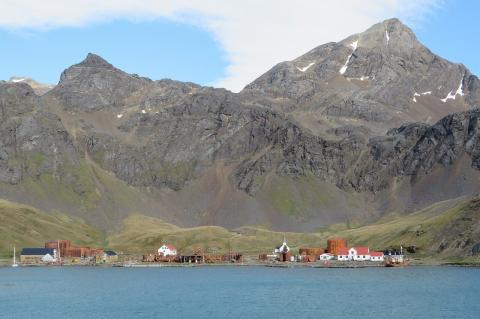
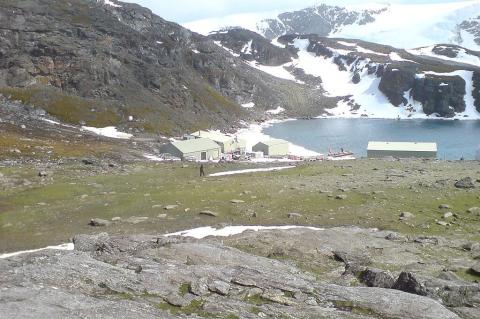
The South Orkney Islands are a remote archipelago in the Southern Ocean, significant for their ecology, historical exploration, scientific research, and international governance. They are located northeast of the Antarctic Peninsula and surrounded by biologically diverse and climatically important waters. Their glaciated landscapes, unique ecosystems, and pivotal place in global climate studies underscore their importance as more than just frozen outposts in the Southern Ocean.
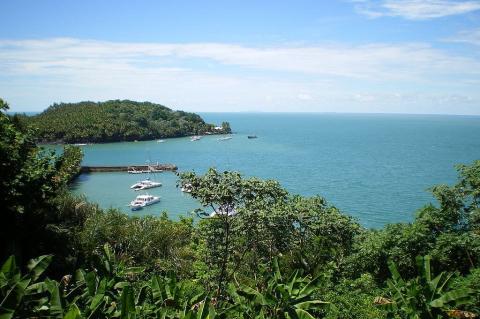
Stanley: Gateway to the Falklands' Rich History and Natural Beauty

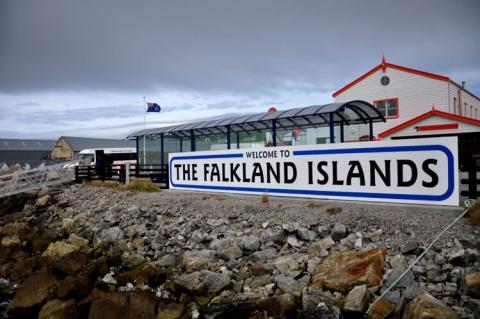
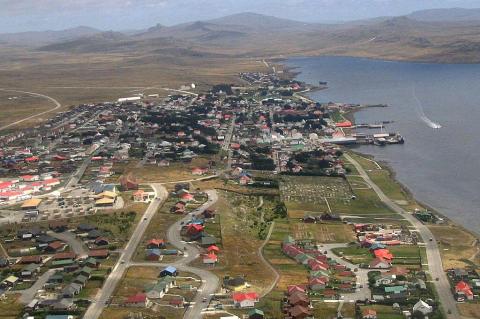
Stanley, nestled along the southern shore of Port William inlet on the northeast coast of East Falkland, serves as the vibrant capital of the Falkland Islands, also known as Islas Malvinas. This unique town is an administrative center and a cultural and historical hub. With a history of maritime significance, conflict, and modern development, Stanley offers a captivating blend of natural beauty, historical landmarks, and a thriving local community.
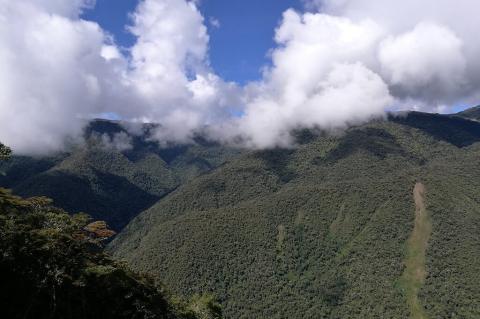
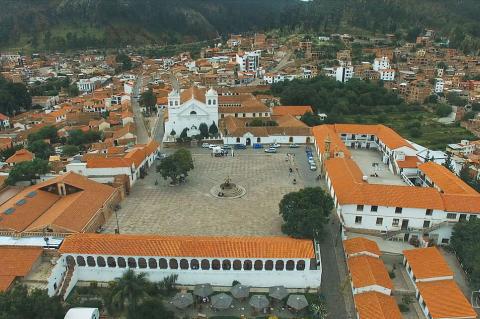
Sucre: Bolivia's Jewel of Colonial Grandeur and Architectural Fusion

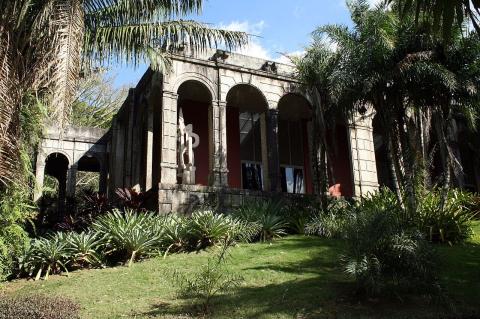
Nestled in the heart of Bolivia's south-central region, Sucre stands as a living testament to the country's rich colonial heritage and the harmonious fusion of indigenous and European architectural styles. Founded in 1538 by Spanish settlers, this historic city has undergone a remarkable transformation from its humble beginnings on the lands of the Yampara indigenous culture to its current status as Bolivia's constitutional capital and a UNESCO World Heritage Site.
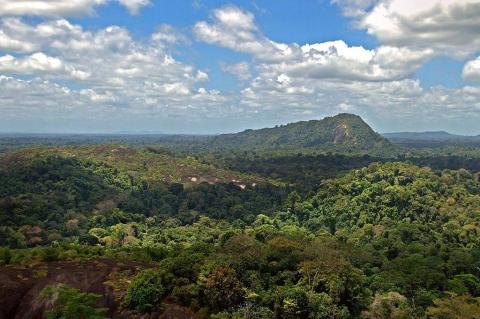
Sumaco Napo-Galeras: Ecuador's Ecological Treasure

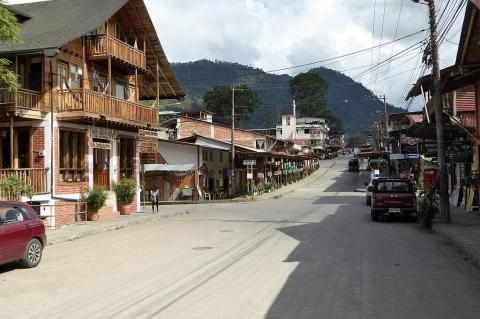
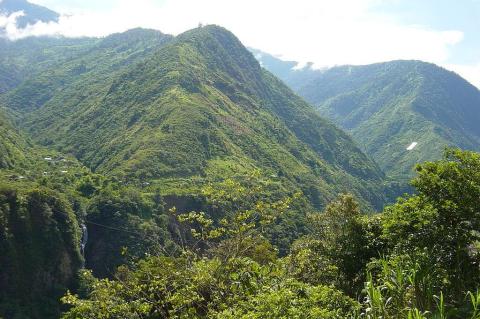
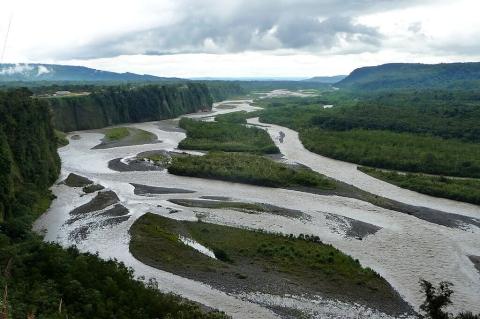
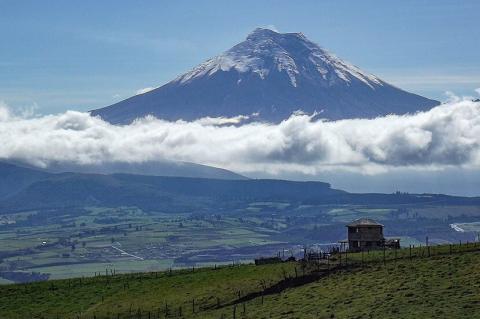
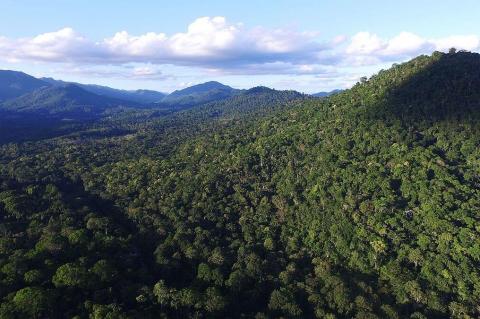
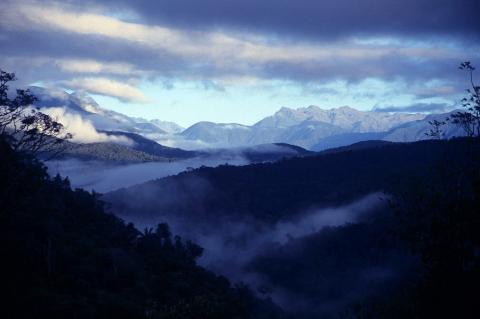
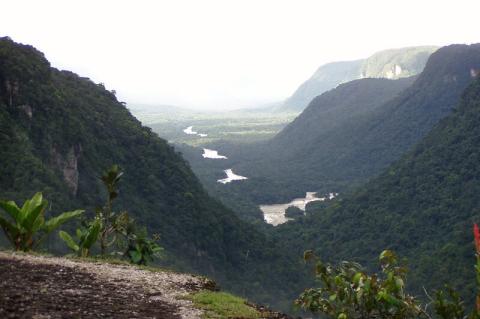
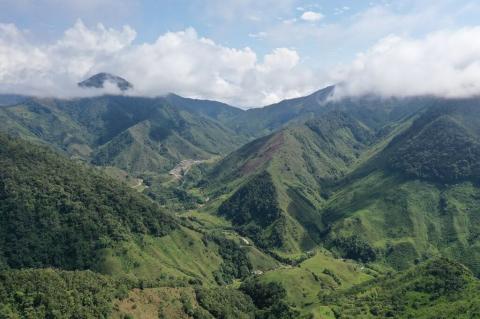
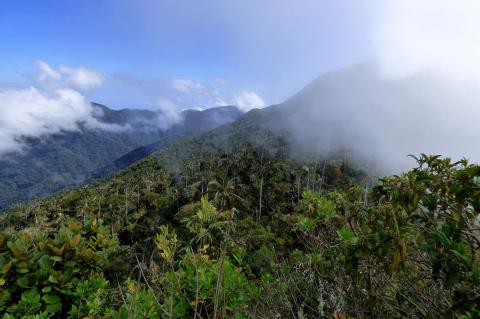
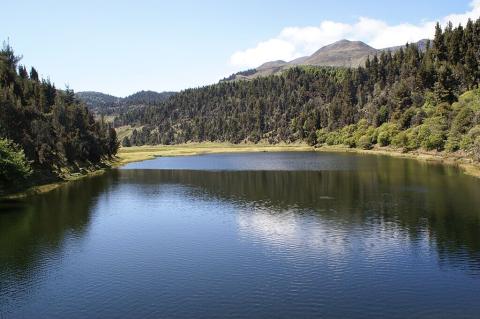
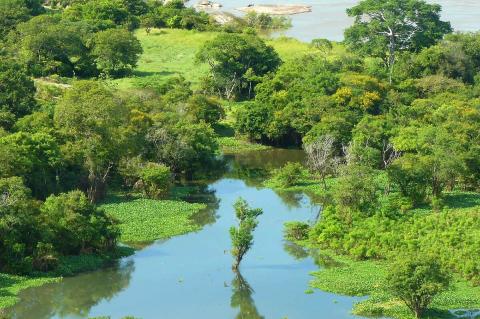
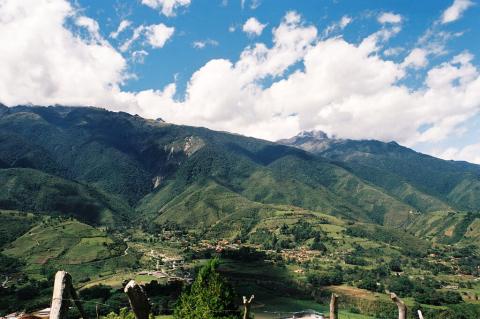
Sumaco Napo-Galeras National Park, located in northeastern Ecuador, is a remarkable protected area known for its diverse ecosystems and rich biodiversity. Situated southeast of Quito, the park encompasses a unique blend of volcanic peaks, lush forests, and pristine river basins. The park is a national treasure and a UNESCO Biosphere Reserve, reflecting its global ecological significance.

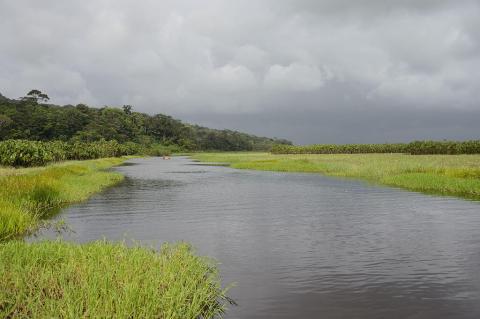
Tambopata National Reserve: A Biodiversity Hotspot in the Heart of the Peruvian Amazon

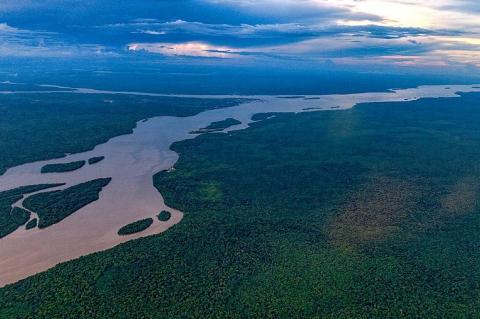
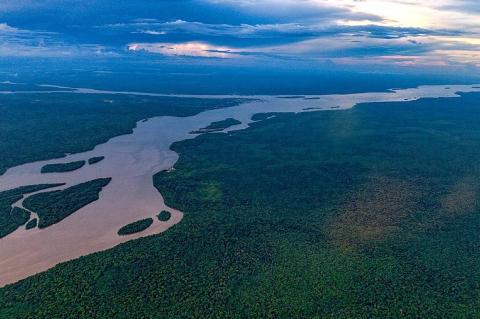
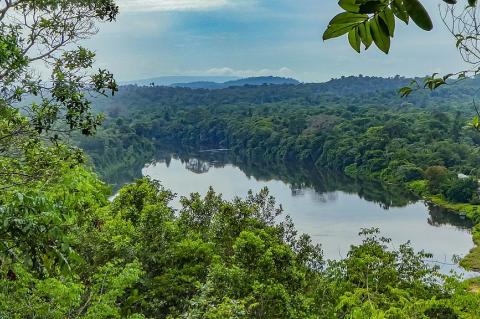
Nestled in the southeastern region of Peru, the Tambopata National Reserve is a remarkable testament to the earth's vast biodiversity. This enormous expanse of subtropical rainforest harbors an extraordinary array of ecosystems, from forested hills and swamps to meandering rivers and oxbow lakes. Established to safeguard the ecological richness of the region, the reserve has become a beacon of conservation, protecting not only the flora and fauna but also the indigenous cultures that have called this land home for generations.

Tatacoa Desert: A Journey into Colombia's Arid Wonderland

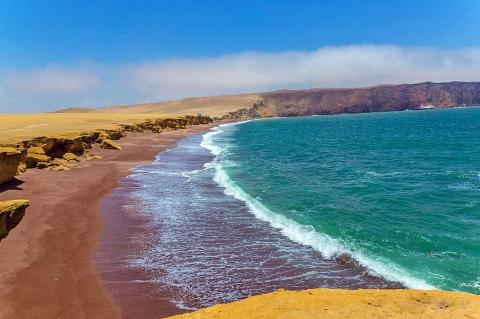
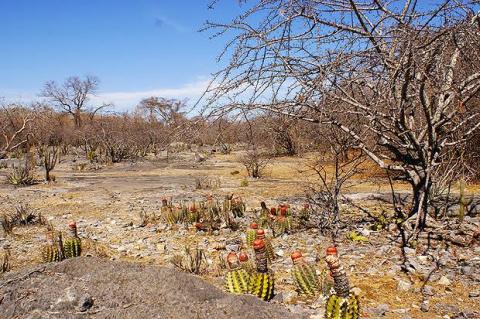
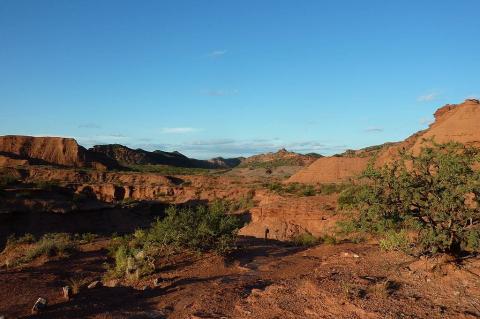
Nestled within the heart of central Colombia lies the Tatacoa Desert, a captivating expanse of dry tropical forest known for its otherworldly landscapes and rich paleontological heritage. Despite its name, Tatacoa is not a true desert but a unique ecosystem characterized by rocky canyons, labyrinthine gullies, and vibrant hues of red and grey. Situated in the northern part of the Huila Department, this arid region harbors a wealth of natural wonders and cultural significance.

Tayrona National Natural Park: A Symphony of Nature and History

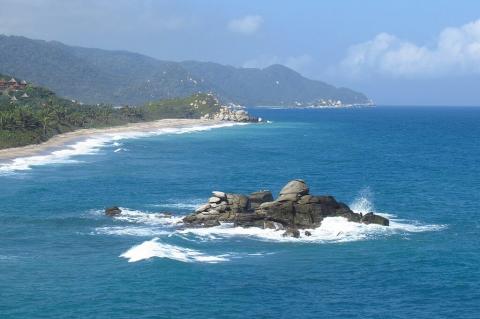
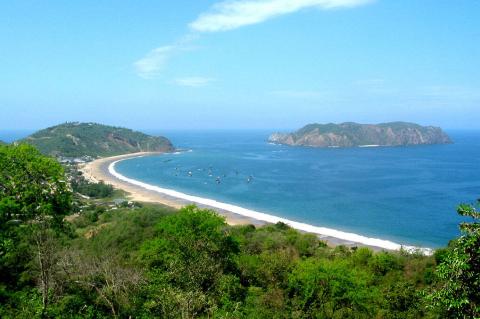
Situated along the captivating northern coast of Colombia, Tayrona National Natural Park emerges as a harmonious blend of pristine landscapes, rich biodiversity, and echoes from ancient civilizations. Drawing its name from the ancient Tairona people, this coastal sanctuary is cradled by the Sierra Nevada de Santa Marta and embraced by the Caribbean Sea.

Tepuis and Traditions: Exploring the Alto Orinoco-Casiquiare Biosphere

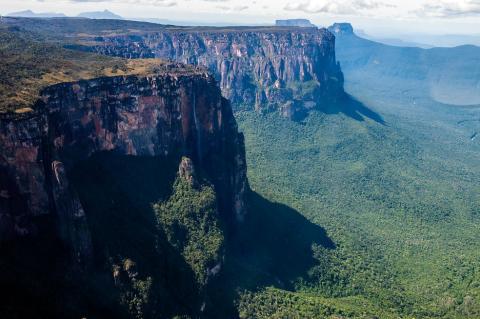
The Alto Orinoco-Casiquiare Biosphere Reserve is an expansive protected area located in the Venezuelan Amazon, encompassing three national parks—Duida-Marahuaca National Park, Serranía de la Neblina National Park, and Parima Tapirapecó National Park—each contributing to the ecological and cultural importance of the region. The reserve is characterized by its rich biodiversity, dramatic landscapes, and the presence of Indigenous communities, particularly the Yanomami and Ye'kwana peoples.

The Altiplano Cundiboyacense: Ancient Territory of the Muisca Civilization

The Altiplano Cundiboyacense is a high plateau in the Colombian Andes, spanning the departments of Cundinamarca and Boyacá. It is the birthplace of the Muisca civilization, whose influence on Colombian culture and the environment is still felt today. The region is renowned for its natural beauty and rich history, which continues to fascinate and inspire people worldwide.

The Altiplano—Puna Volcanic Complex: Unveiling Geological Marvels in South America

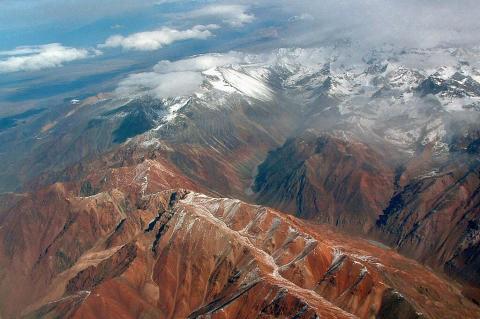
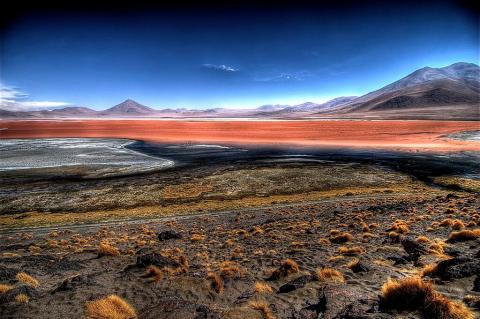
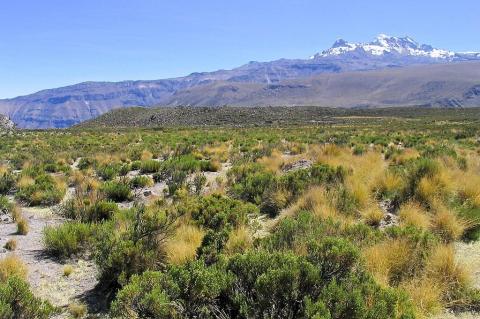
The Altiplano—Puna volcanic complex is a testament to the awe-inspiring geological processes shaping the southern portion of the Altiplano—Puna plateau in the central Andes. It spans Argentina, Bolivia, and Chile and was formed when the Nazca Plate subducted beneath the South American Plate. The complex boasts diverse volcanic features and is the largest active magma reservoir. Scientific exploration continues to unravel the region's geological history, revealing insights into subterranean processes.