
Sierra Nevada National Park: Venezuela's Alpine Sanctuary
Nestled among the rugged peaks of the Venezuelan Andes, Sierra Nevada National Park is one of South America's most important mountain protected areas. It covers the highest elevations in Venezuela, safeguarding vital Andean ecosystems and providing a refuge for many endemic species.
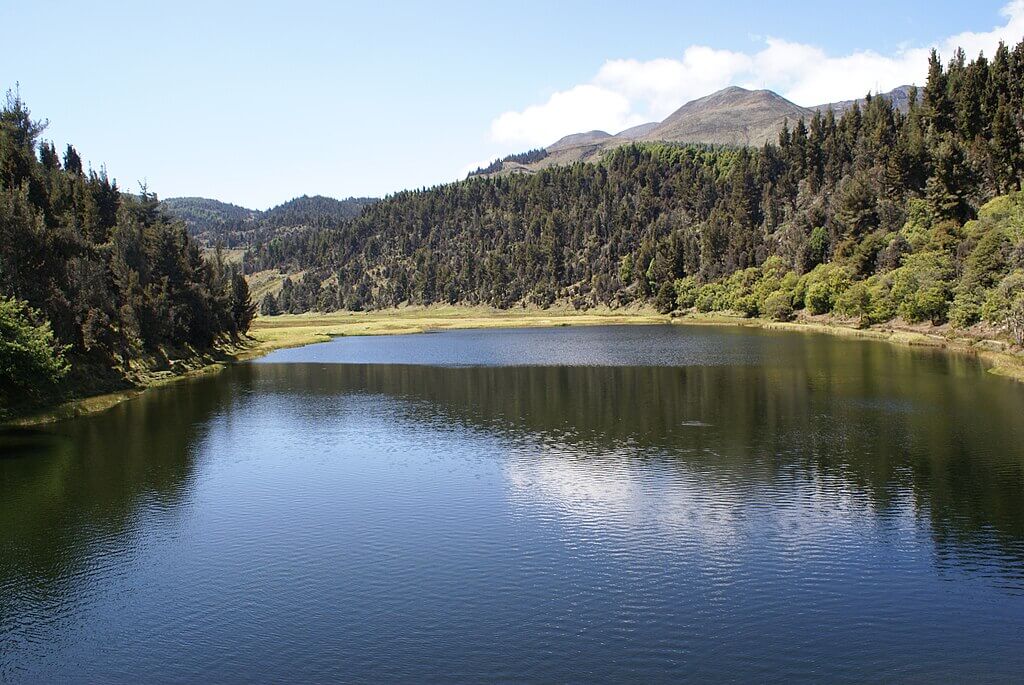
Guardian of the Venezuelan Andes: Sierra Nevada National Park
Nestled within the rugged peaks of the Venezuelan Andes, Sierra Nevada National Park stands as one of South America's most significant mountain protected areas. Established in 1952, this 2,764 square kilometer (1,067 square mile) sanctuary encompasses the highest elevations in Venezuela, protecting critical Andean ecosystems while serving as a refuge for numerous endemic species. The park's remarkable elevation range, from approximately 600 m (1,969 ft) to 5,007 m (16,427 ft), creates a natural laboratory where multiple ecological zones demonstrate the complex relationships between altitude, climate, and biodiversity.
Geographic Foundation and Historical Context
Sierra Nevada National Park was created on May 2, 1952, by decree of President Germán Suárez Flamerich, making it Venezuela's second national park after Henri Pittier National Park. The protected area spans portions of Mérida and Barinas states, encompassing the Sierra Nevada de Mérida mountain range, which lies within the northern terminus of the Andes Mountains.
Located between 8°30' and 8°52' North latitude and 70°48' and 71°18' West longitude, the park sits at the heart of the Cordillera de Mérida. This strategic position creates a unique biogeographical corridor that connects various South American ecosystems, supporting extraordinary levels of biodiversity and endemism.
Geological Structure and Peak Formation
The park contains Venezuela's five highest peaks, collectively known as the Five White Eagles. These impressive summits include Pico Bolívar at 5,007 m (16,427 ft), Pico Humboldt at 4,942 m (16,214 ft), Pico La Concha at 4,922 m (16,148 ft), Pico El Toro at 4,755 m (15,600 ft), and Pico El León at 4,740 m (15,551 ft). Among the park's 155 named peaks, these giants represent the geological complexity of the Venezuelan Andes.
The underlying geology consists primarily of Precambrian metamorphic rocks, including gneiss and schist formations that have been sculpted by millions of years of erosion and glacial activity. Quaternary glaciation has left distinctive marks on the landscape, creating cirques, moraines, and U-shaped valleys that characterize the park's dramatic topography. While glacial ice persists only on the highest peaks, its historical influence continues to shape the park's hydrology and ecosystems.
Climate Zones and Ecological Diversity
The park's extensive elevation gradient creates distinct climatic conditions that support five major ecological zones. Lower elevations experience tropical conditions with average temperatures of 24°C (75°F) and annual precipitation of 1,500-2,000 mm (59-79 inches). As elevation increases, temperatures decrease and precipitation patterns change, creating the diverse environmental conditions that support the park's remarkable biodiversity.
The Lower Montane Forests, ranging from 600 to 1,200 m (1,969 to 3,937 ft), support lush tropical vegetation, including areas where agricultural crops such as bananas and sugarcane are cultivated. Natural forests in this zone contain broadleaf evergreen species adapted to warm, humid conditions. Cloud Forests occupy the 1,200-2,400 m (3,937-7,874 ft) elevation range and are characterized by persistent cloud cover and high humidity. These forests harbor exceptional biodiversity, with epiphytic communities including numerous bromeliads, orchids, and ferns that create complex vertical ecosystems within the forest canopy.
The Elfin Woodland zone, located between 2,400-3,000 m (7,874-9,843 ft), exhibits increasingly stunted vegetation due to cooler temperatures and increased exposure to wind. Bamboo species and tree ferns dominate this transitional zone, creating dense thickets that provide habitat for specialized wildlife. The Páramo, extending from 3,000 to 4,200 m (9,843 to 13,780 ft), represents one of the world's most unique ecosystems. Characterized by extreme temperature fluctuations, high UV radiation, and strong winds, the páramo supports specialized plant communities including the iconic Espeletia (frailejones) and hardy bunch grasses.
Finally, the Alpine Zone, located above 4,200 m (13,780 ft), supports limited vegetation adapted to harsh conditions and thin atmospheric conditions. Cushion plants and sparse grasses represent the hardiest species capable of surviving in these extreme environments where oxygen levels are significantly reduced and weather conditions are most severe.
Wildlife and Endemic Species
Sierra Nevada National Park serves as a crucial refuge for Andean wildlife, supporting approximately 3,000 plant species and over 200 bird species. The park's diverse habitats create numerous ecological niches, with endemism rates increasing significantly at higher elevations.
Large mammals include impressive predators such as jaguars and pumas in lower elevations, while the endangered Andean bear represents the park's most significant large mammal in higher zones. The park also supports white-tailed deer, mountain coatis, and the specialized páramo rabbit, each of which is adapted to specific elevation ranges and habitat types.
The park's avian diversity includes the magnificent Andean condor, South America's largest flying bird, as well as numerous endemic and range-restricted species, particularly abundant in the páramo and cloud forest zones. These bird communities play crucial roles in ecosystem function, from pollination to seed dispersal across the park's varied habitats.
Water Resources and Watershed Function
The park functions as a critical watershed for the region, supplying fresh water to communities in both Mérida and Barinas states. Major river systems originating within the park include tributaries of the Chama River system and streams feeding the Orinoco River basin, demonstrating the park's importance for regional water security.
The páramo ecosystems serve as natural water storage systems, featuring specialized vegetation and soils that are capable of absorbing and gradually releasing precipitation. While glacial melt historically contributed to water supplies, reduced ice coverage has shifted greater importance to these páramo water retention systems.
Conservation Challenges and Management
Climate change poses significant threats to the park's ecosystems, particularly affecting high-altitude species and glacial systems. Temperature increases have resulted in the upward migration of species and habitat loss for cold-adapted organisms. Complete glacial ice loss is projected within decades, fundamentally altering the park's hydrological systems.
Human pressures include agricultural encroachment at lower elevations, tourism impacts, and infrastructure development. The park's location adjacent to populated areas presents ongoing management challenges that necessitate a careful balance between conservation and human needs.
Research and Scientific Significance
The park serves as an invaluable natural laboratory for studying tropical alpine ecosystems and the impacts of climate change. Venezuelan universities and international research institutions conduct studies on glaciology, ecology, and biodiversity within the park, thereby contributing to a broader understanding of the responses of mountain ecosystems to environmental change.
Long-term monitoring programs track changes in vegetation, wildlife populations, and glacial coverage, providing essential data for conservation planning and climate change research. The park's role extends beyond national boundaries, contributing to global scientific understanding of tropical mountain ecosystems.
Visitor Access and Recreation
Sierra Nevada National Park offers a diverse range of recreational opportunities while upholding its conservation mission. A cable car system provides access to elevations up to 4,765 m (15,633 ft), allowing visitors to experience high-altitude environments without technical climbing skills. This infrastructure makes the park's unique ecosystems accessible to a broader range of visitors while supporting local economic development.
The park's trail systems offer access to various ecological zones, although many routes require permits and guides due to their challenging terrain and unpredictable weather conditions. Mountain climbing opportunities range from day hikes through cloud forests to technical ascents of Venezuela's highest peaks, attracting outdoor enthusiasts from around the world.
Wildlife observation and photography attract nature enthusiasts who seek to document the park's diverse fauna and flora. The varied habitats offer excellent opportunities to experience the transition from tropical forests to alpine environments within a single visit.
Management and Protection Status
Sierra Nevada National Park operates under Venezuelan national park legislation administered by INPARQUES, which prohibits extractive activities and limits human activities to research, education, and low-impact recreation. Despite resource limitations affecting enforcement capacity, the park maintains ranger stations and monitoring programs essential for ecosystem protection.
International recognition includes designation as part of the Tropical Andes biodiversity hotspot, acknowledging its global conservation significance. The park participates in regional conservation networks and international research collaborations that enhance its protection and scientific value.
Summary
Sierra Nevada National Park protects 2,764 square kilometers of Venezuelan Andean ecosystems, encompassing a remarkable elevation range that supports five distinct ecological zones and exceptional biodiversity. Established in 1952, the park encompasses Venezuela's highest peaks and most diverse mountain ecosystems, serving as a critical watershed and providing habitat for approximately 3,000 plant species and over 200 bird species. The park's significance extends beyond its biological value, supporting scientific research, water resources, and sustainable tourism while facing ongoing challenges from climate change and human pressures. As Venezuela's premier mountain protected area, Sierra Nevada National Park demonstrates the importance of preserving high-altitude ecosystems and continues to serve as a model for Andean conservation efforts throughout South America.