
Stanley: Gateway to the Falklands' Rich History and Natural Beauty
Stanley, the capital of the Falkland Islands, formally became a city in 2022 and sits beside the world's largest successful landmine clearance operation, completed at nearby Gypsy Cove just two years earlier.

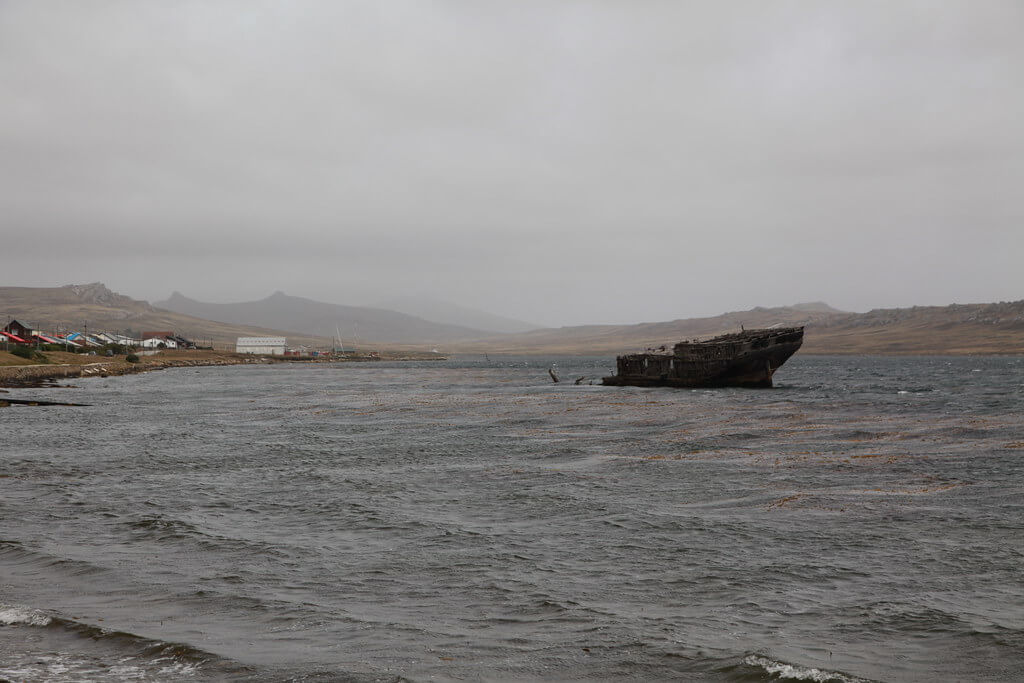
Stanley: A City Built on Shipwrecks, War, and a Cleared Minefield
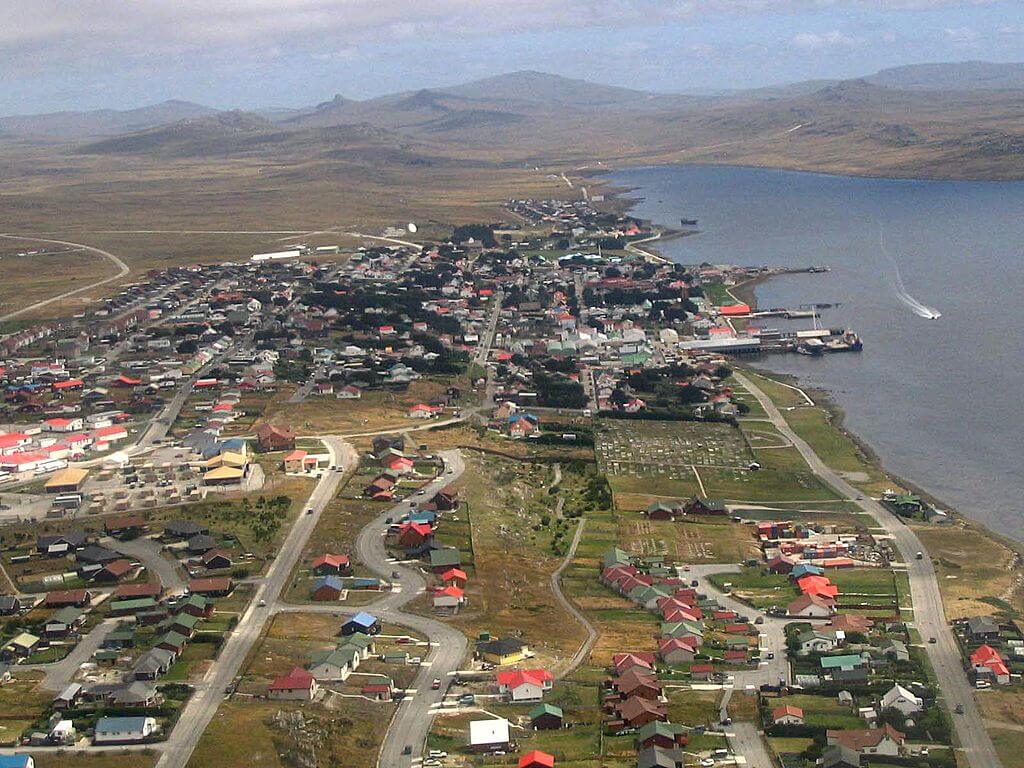
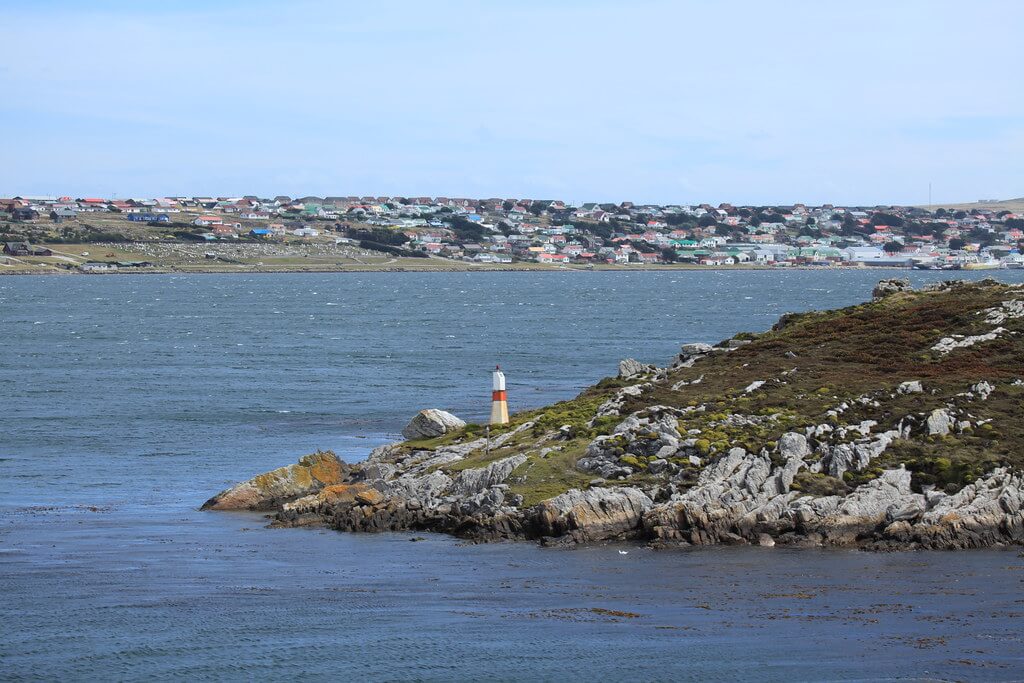
Stanley, nestled along the southern shore of Port William Inlet on the northeast coast of East Falkland, serves as the vibrant capital of the Falkland Islands, also known as Islas Malvinas. This unique town is the administrative center and a cultural and historical hub, reflecting the islanders' rich heritage and resilient spirit. With a history of maritime significance, conflict, and modern development, Stanley offers a captivating blend of natural beauty, historical landmarks, and a thriving local community. Visitors and residents alike find themselves immersed in the charm and complexity of this remarkable town.
Historical Foundations
Founded in 1843 as Port Stanley and made the Falklands' capital in July 1845, the town's establishment marked a pivotal moment in the development of the Falklands. Stanley quickly evolved into a crucial stop for ships navigating the treacherous waters near the Straits of Magellan before the construction of the Panama Canal. The perilous journey around the southern tip of South America often necessitated repairs, making Stanley Harbour a vital maritime repair hub and often an unwilling final resting place for damaged vessels: the harbor today holds numerous 19th-century shipwrecks, including the Jhelum, a merchant sailing ship launched in 1849 that limped into Stanley Harbour after being damaged beyond repair while attempting to round Cape Horn, and was subsequently abandoned there, its remains still visible along the waterfront more than 170 years later. This maritime industry laid the foundation for the town's economy, further bolstered by support for Antarctic sealing and whaling expeditions in subsequent years.
Stanley Harbor also played a role in one of the earliest major naval engagements of the First World War: in December 1914, a British squadron used the harbor as a coaling base shortly before decisively defeating a German squadron nearby in the Battle of the Falkland Islands, an event still commemorated locally each December 8th.
Modern Economy and Employment
Today, Stanley remains the largest settlement in the Falklands, home to roughly 2,974 residents according to the 2021 census, an increase of over 500 people since 2016 and representing approximately 81% of the entire territory's population of 3,662. On June 14, 2022, as part of Queen Elizabeth II's Platinum Jubilee civic honors, Stanley was formally granted city status, a recognition of its growth and significance as the administrative and economic heart of the Falklands. The town has transitioned from its maritime roots to a more diversified economy: the government is the primary employer, reflecting Stanley's status as the administrative center, while tourism has emerged as a significant economic driver. On days when multiple cruise ships dock, tourists can outnumber residents, highlighting the town's role as a gateway for visitors exploring the unique natural and historical attractions of the Falklands.
Key Attractions
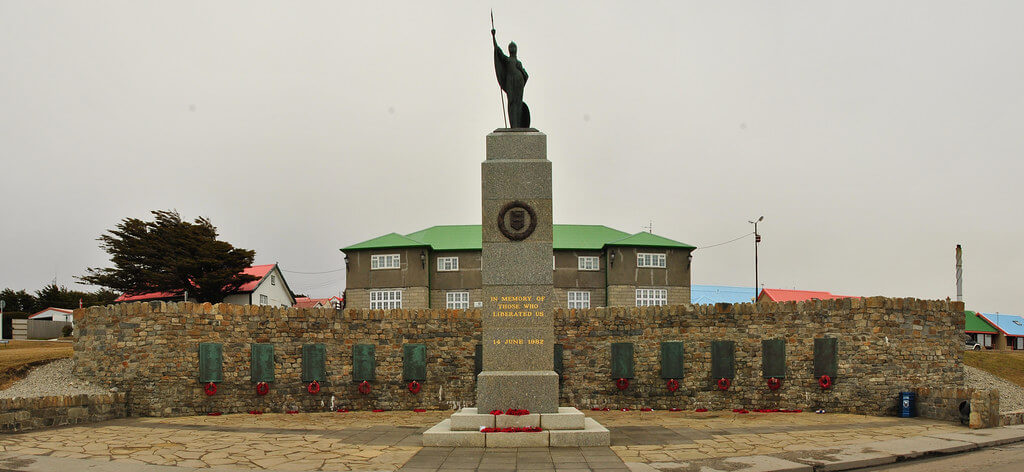
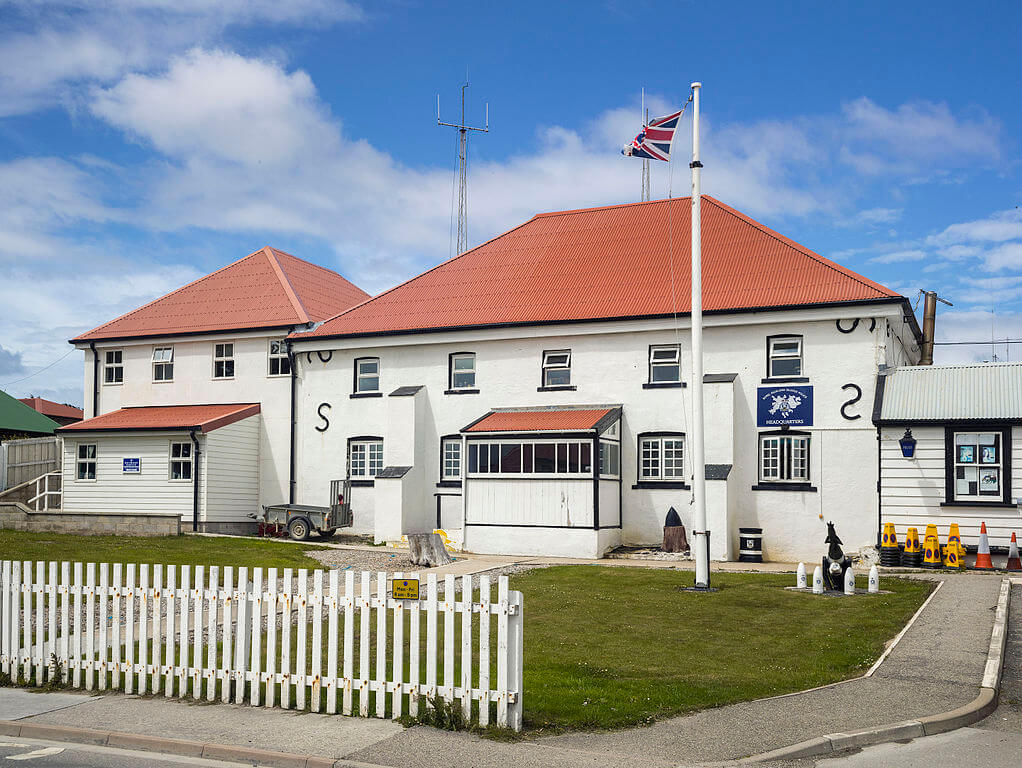
Stanley boasts a variety of attractions that reflect its rich history and natural beauty. The Falkland Islands Museum offers a deep dive into the local heritage, while the Government House, built in 1845, serves as the residence of the Governor of the Falkland Islands. Other notable landmarks include a golf course, the iconic whale-bone arch, a totem pole, and several war memorials. The harbor tells tales of the past, with shipwrecks like the Jhelum adding a poignant touch to the coastal landscape.
Climate and Geography
Stanley's climate is classified as subpolar oceanic (Cfc), characterized by mild winters and cooler summers. Despite its proximity to a tundra climate, the region supports vegetation uncommon in such cold environments, thanks to its temperate conditions. This unique climate supports diverse wildlife, including the famous Magellanic penguins (Spheniscus magellanicus) at Gypsy Cove, a short distance from Stanley. Cape Pembroke, the easternmost point of the Falklands, is another nearby natural highlight.
Gypsy Cove, also known as Yorke Bay, carries a significant recent history of its own: fenced off since the 1982 war due to Argentine landmines laid along the beach, it remained off-limits to visitors, though not to its resident penguins, too light to trigger the pressure-activated mines, for nearly four decades. Following a decade-long, internationally supported clearance operation, Yorke Bay was declared safe and reopened to the public in 2020, part of the wider effort that saw the entire Falkland Islands officially declared free of landmines on November 14 of that year.
The Falklands War Legacy
Sovereignty over the Falkland Islands remains a contentious issue between Argentina and the United Kingdom. This dispute erupted into conflict in 1982 when Argentina invaded, leading to the Falklands War. During the ten-week occupation, Argentine forces renamed Stanley "Puerto Argentino," a change that the islanders largely rejected. The town endured significant damage from both the occupation and the subsequent British naval bombardment, which tragically resulted in civilian casualties.
Stanley significantly transformed after the war. The burgeoning fishing and tourism industries benefited the economy, and the town experienced substantial residential development. Modern Stanley is considerably larger and more developed than in 1982, a testament to its community's resilience and growth, a resilience further underscored by the successful, decades-long effort to finally clear the minefields the war left behind.
Conclusion
Stanley reflects the enduring spirit and rich history of the Falkland Islands. From its early days as a maritime repair hub and the site of a decisive First World War naval battle, through the trauma of 1982 and the patient work of clearing its aftermath, to its formal recognition as a city in 2022, Stanley encapsulates the unique blend of natural beauty, historical significance, and cultural resilience that defines the Falklands as a whole. As the heart of the Falklands, it continues to thrive, welcoming visitors from around the world and offering a window into the life and legacy of this remarkable archipelago.