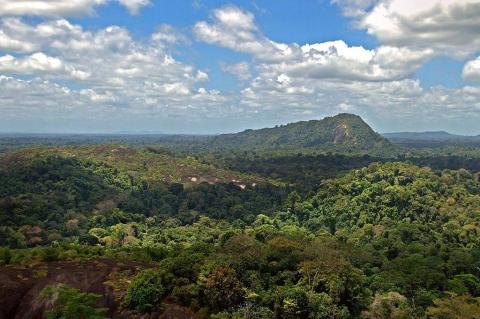
South America

Rio de Janeiro: Urban Splendor Between Mountain and Sea

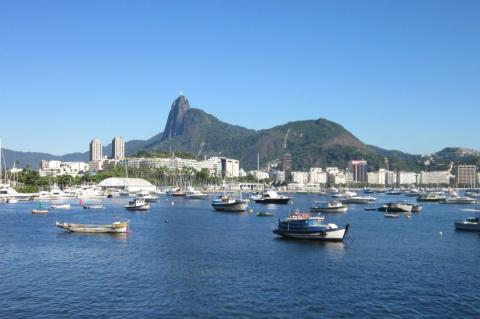
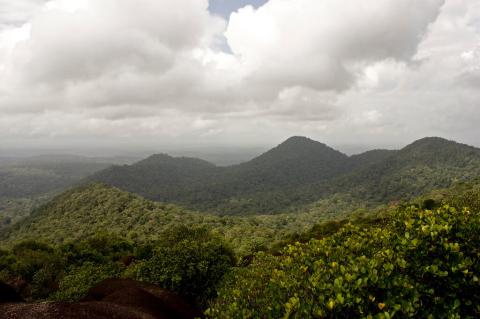
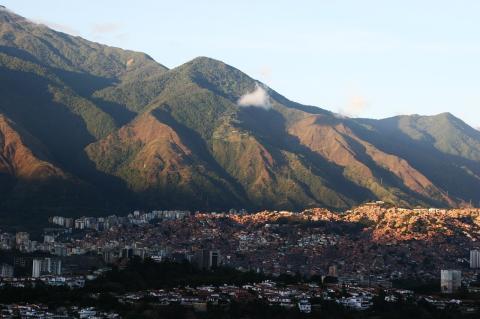
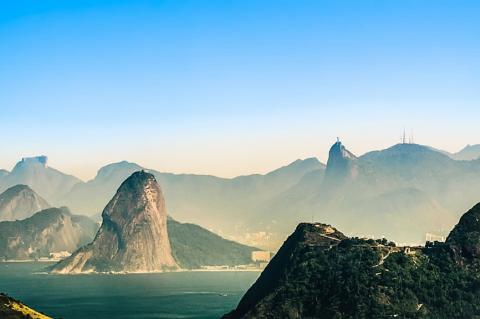
Known worldwide as the Cidade Maravilhosa—the Marvelous City—Rio de Janeiro stands as one of the most visually spectacular urban centers on Earth. Brazil's second-largest city sprawls across a landscape so extraordinarily beautiful that UNESCO designated it a World Heritage Site. From the iconic Christ the Redeemer statue atop Corcovado Mountain to the sweeping beaches of Copacabana and Ipanema, from the world's largest urban rainforest in Tijuca National Park to the colonial architecture of its historic center, Rio represents a unique synthesis of nature and urbanity that continues to captivate millions of visitors annually.

Río Pilcomayo National Park: A Riverine Sanctuary in Northern Argentina

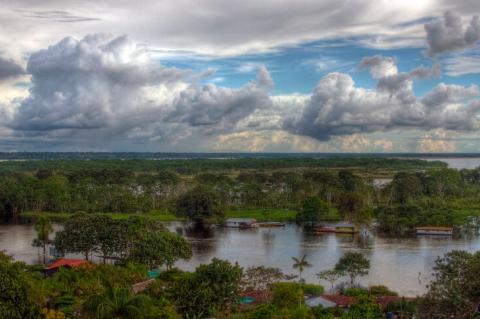
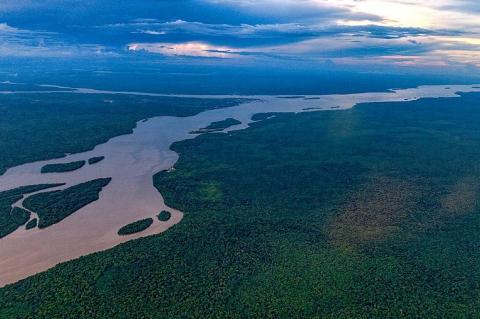
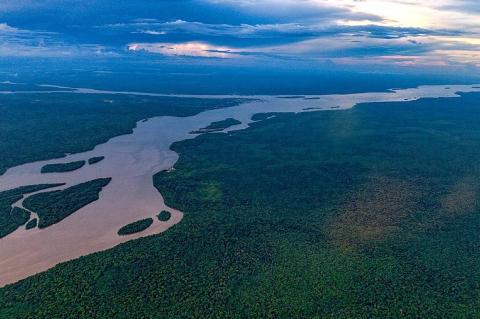
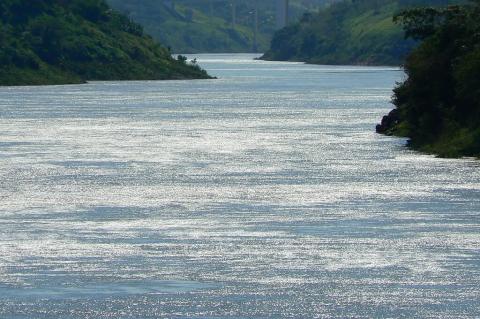
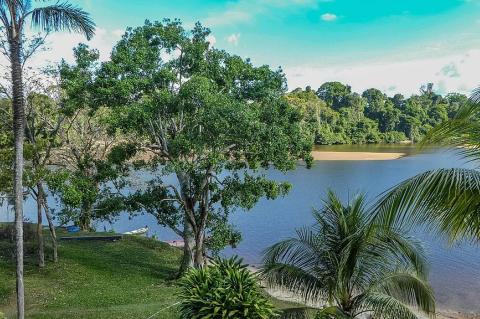
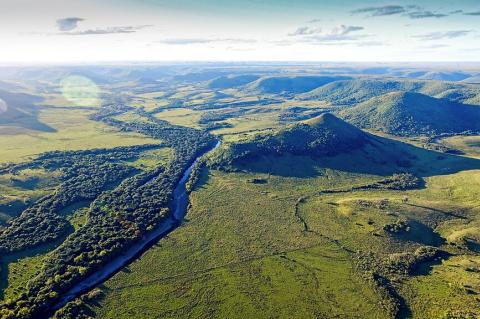
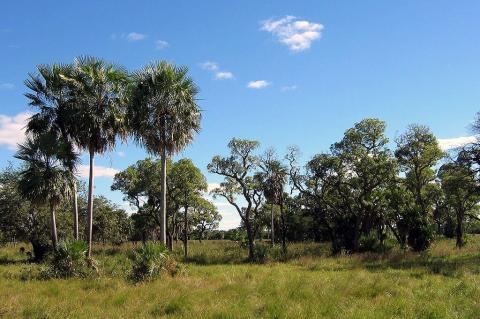
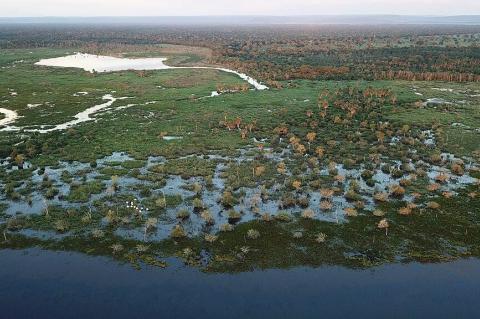
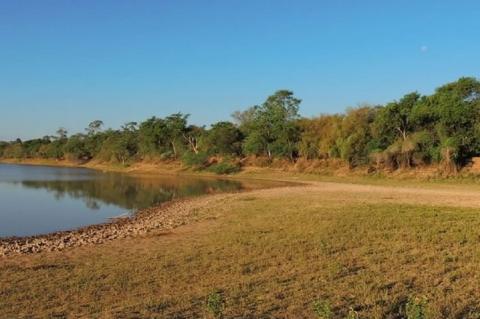
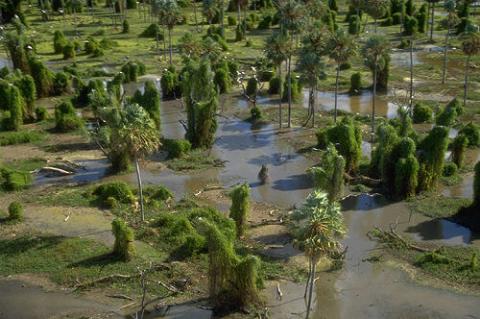
Nestled in the northeastern province of Formosa, Argentina, near the border with Paraguay, the Río Pilcomayo National Park stands as a testament to the country's commitment to preserving its rich natural heritage. This protected area of diverse ecosystems boasts a varied topography and showcases the unique beauty and biodiversity of the Pilcomayo River, a vital watercourse that weaves through the region.

Rosario, Argentina: A Cultural and Historical Journey Along the Paraná River

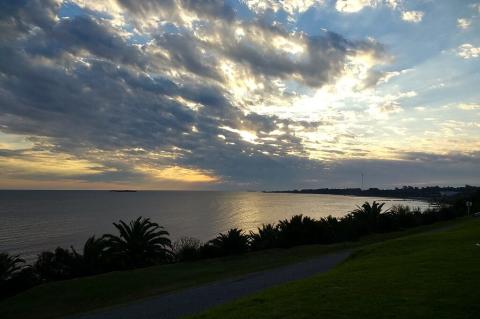
Nestled along the Paraná River, Rosario is one of Argentina's most vibrant and historically rich cities. It is famed for its dynamic cultural contributions, strong political heritage, and scenic beauty. As the birthplace of revolutionary Che Guevara and soccer legend Lionel Messi, Rosario's influence spans well beyond Argentina's borders. With its blend of colonial and modern influences, Rosario offers a glimpse into Argentina's past, present, and future.
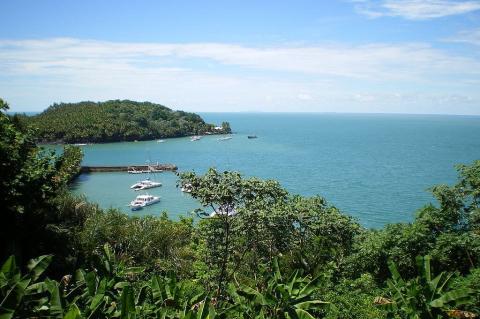
Safeguarding Paraguay’s Natural Heritage: The Bosque Mbaracayú Biosphere Reserve

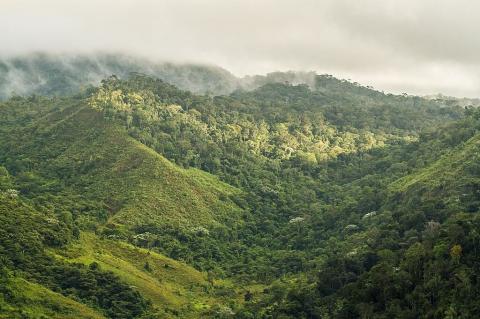
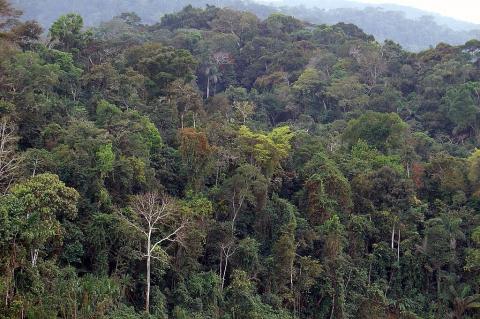
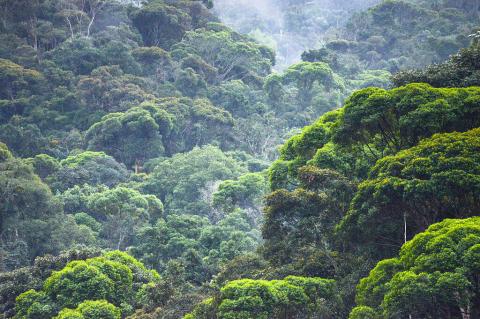
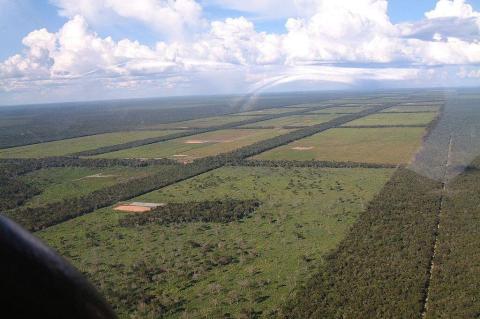
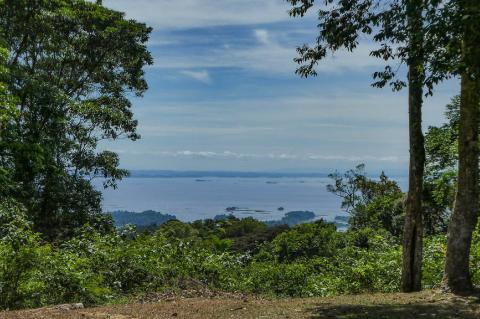
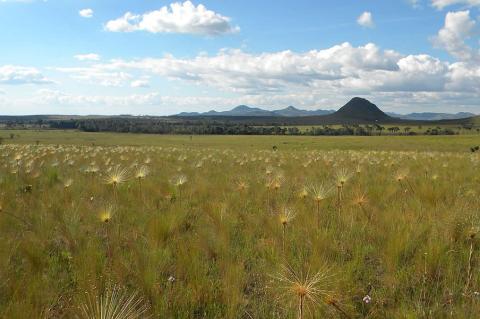
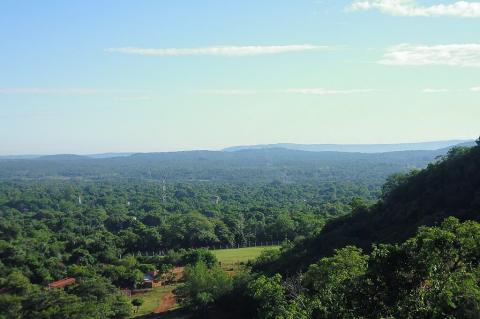
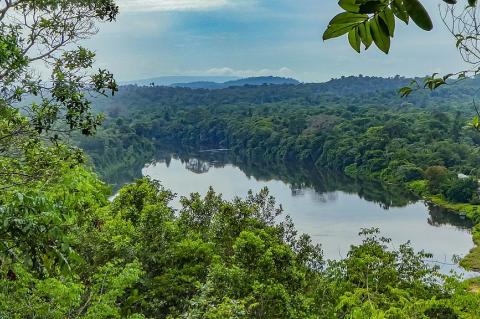
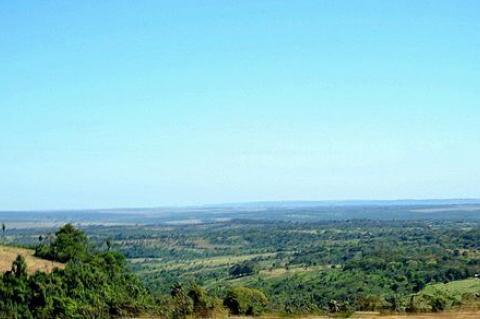
Spanning northeastern Paraguay, the Bosque Mbaracayú Biosphere Reserve is a vital stronghold for biodiversity and sustainable development. Located in the upper Jejuí River basin near the Brazilian border, this UNESCO-designated reserve protects a mosaic of ecosystems, including the endangered Upper Paraná Atlantic Forest, Chaco savannahs, and dry forests. At the heart of this biosphere reserve lies the Mbaracayú Forest Natural Reserve, a pristine area that safeguards one of the last remnants of Paraguay's Atlantic Forest.
Salar de Uyuni: A Mesmerizing Salt Expanse in the Heart of Bolivia

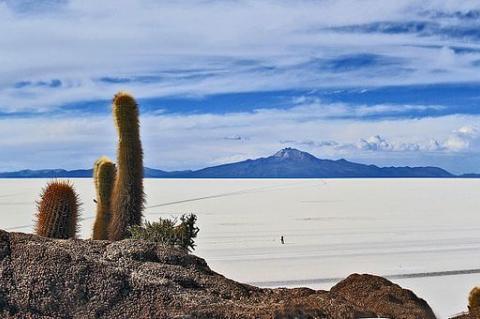
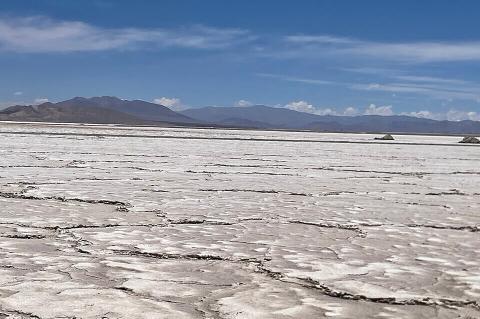
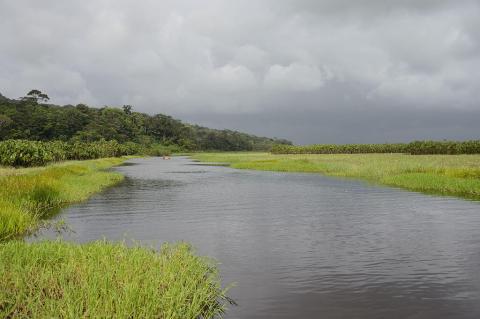
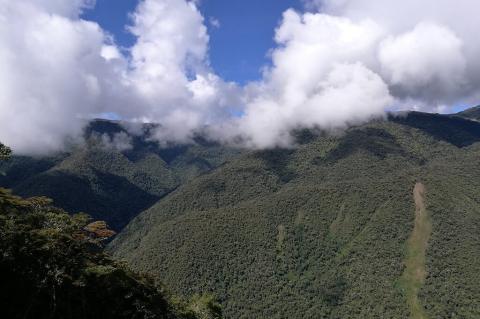
Located in the southwestern corner of Bolivia, the Salar de Uyuni is one of the most remarkable and captivating natural wonders on Earth. This salt flat is the largest in the world and is a testament to the incredible geological and climatic forces that have shaped the Andean region over millennia. The vast expanse of the Salar de Uyuni is home to Isla Incahuasi. This hilly and rocky outcrop was once a fully submerged island during the area's prehistoric lake period.

Salvador de Bahia: From Colonial Capital to Cultural Beacon

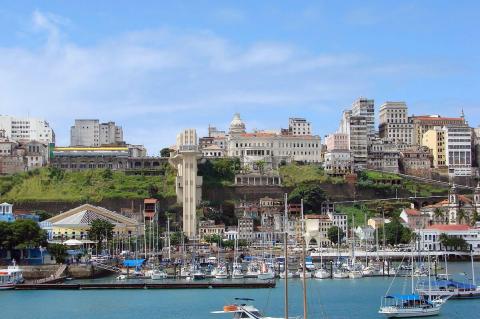
Salvador de Bahia, officially known as São Salvador da Bahia de Todos os Santos, is the capital of the Brazilian state of Bahia. Renowned for its rich cultural heritage, vibrant music, dance, and distinctive cuisine, Salvador is a testament to Brazil's dynamic history. Founded in 1549 as the first capital of Brazil, the city's significance is beautifully encapsulated in its Historic Center, known as Pelourinho, a UNESCO World Heritage site.

San Agustín Archaeological Park: Gateway to Ancient Marvels in Colombia

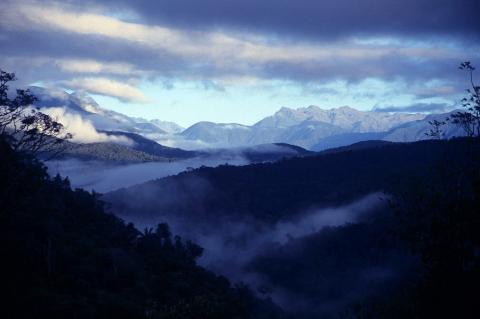
The San Agustín Archaeological Park is located near the town of San Agustín in the Huila Department of Colombia. It represents the cultural and artistic achievements of a civilization that existed from the 1st to the 8th century in the northern Andean region. The park consists of three separate properties known as San Agustín, Alto de los Ídolos, and Alto de Las Piedras. It is home to South America's most extensive collection of religious monuments and megalithic sculptures.
San Carlos de Bariloche and Nahuel Huapi: Exploring Patagonia’s Scenic Heart

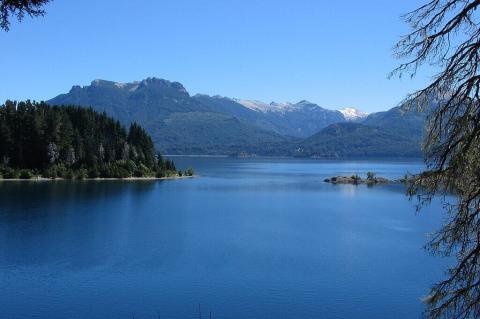
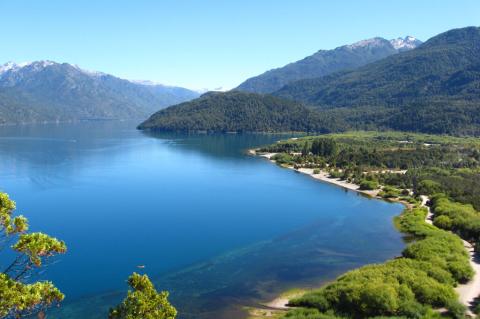
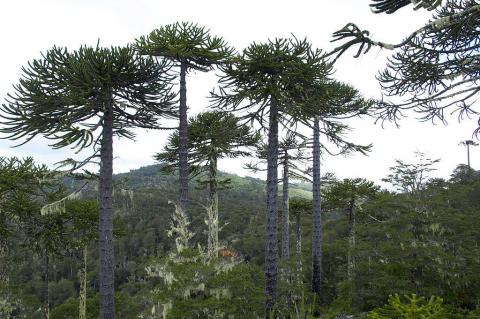
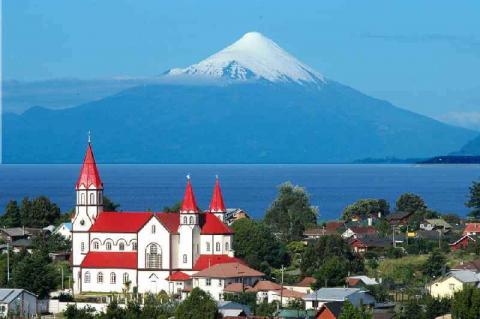
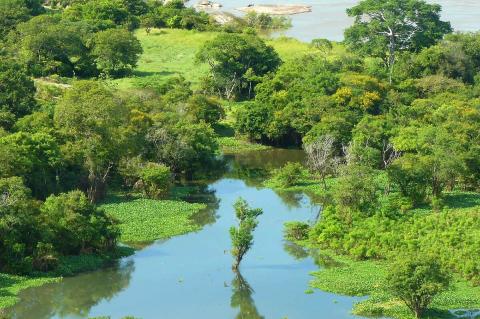
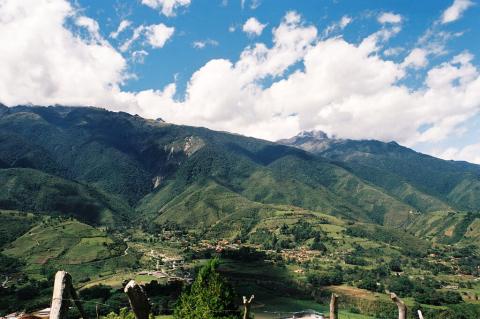
Situated in the foothills of the Argentine Andes, San Carlos de Bariloche offers a striking combination of natural beauty and cultural richness. Located on the clear shores of Lake Nahuel Huapi, Bariloche is surrounded by some of Patagonia's most breathtaking mountains and lakes. As part of the more expansive Nahuel Huapi National Park, the region attracts visitors worldwide, offering a unique blend of outdoor activities, historical landmarks, and distinct architectural charm.

San Guillermo National Park and Biosphere Reserve: A Majestic Andean Sanctuary

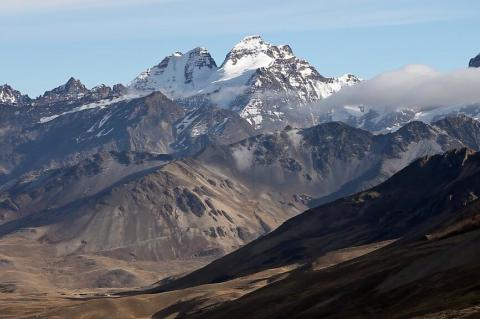
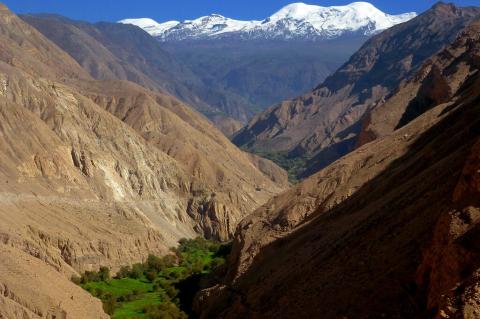
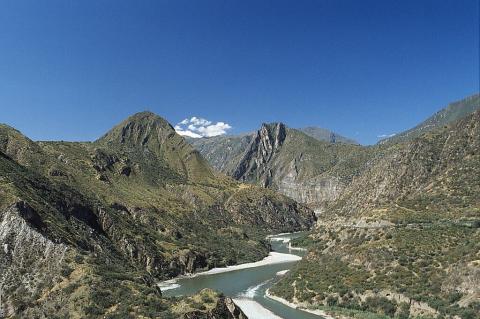
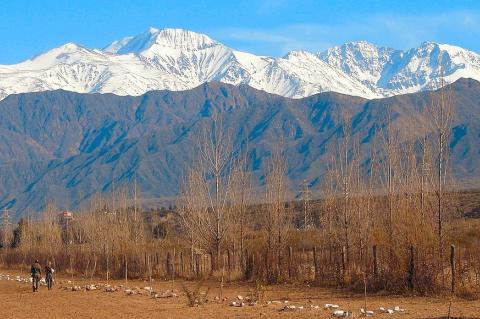
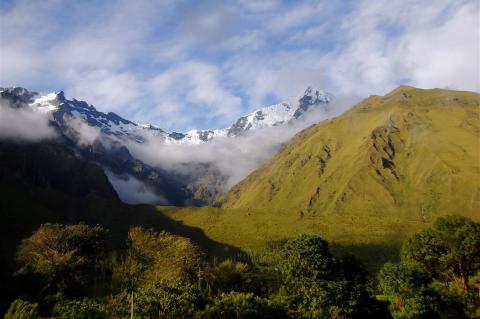
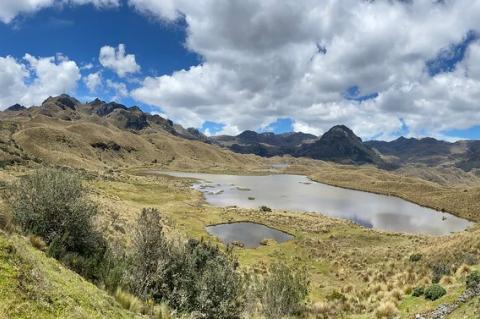
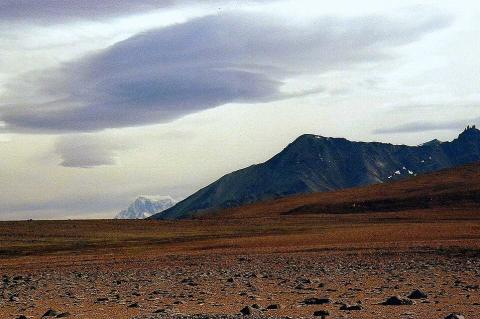
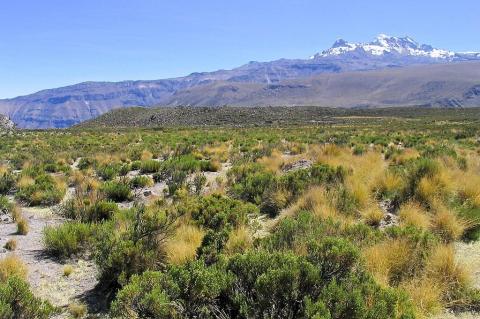
Nestled within the rugged folds of Argentina's San Juan Province, the San Guillermo National Park and Biosphere Reserve stand as a testament to the remarkable biodiversity and cultural heritage of the high Andes. This vast protected area encompasses a mosaic of mountain systems, highland grasslands, and arid landscapes, offering a unique glimpse into the delicate balance between nature and human communities.

San Pedro de Atacama: Gateway to Chile's Ancient and Natural Wonders

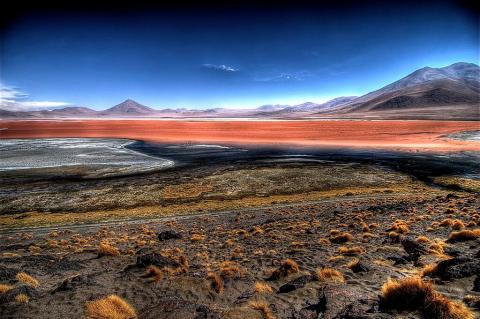
San Pedro de Atacama, a small town in northern Chile, serves as the heart of one of the most extreme and breathtaking landscapes on Earth. Nestled in the Atacama Desert, the driest non-polar desert in the world, this town is surrounded by surreal geological formations, salt flats, high-altitude lagoons, and ancient ruins. Rich in history and culture, San Pedro de Atacama has been a crossroads for Indigenous cultures for centuries and continues to be a hub for travelers seeking adventure, nature, and history.