
Ballestas Islands: Peru's Marine Wildlife Sanctuary
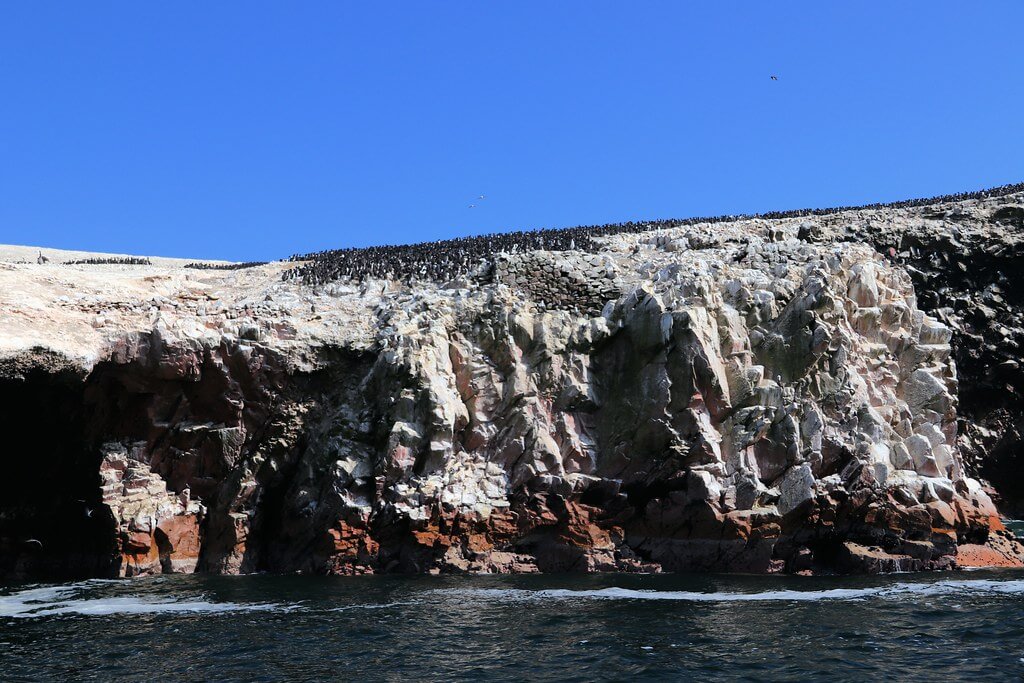
The Ballestas Islands, located off the southern coast of Peru near the town of Pisco, are a group of uninhabited rocky islets renowned for their remarkable biodiversity and ecological importance. They are part of the Guano Islands, Islets, and Capes National Reserve System.

Exploring the Ballestas Islands: Peru's Mini Galápagos
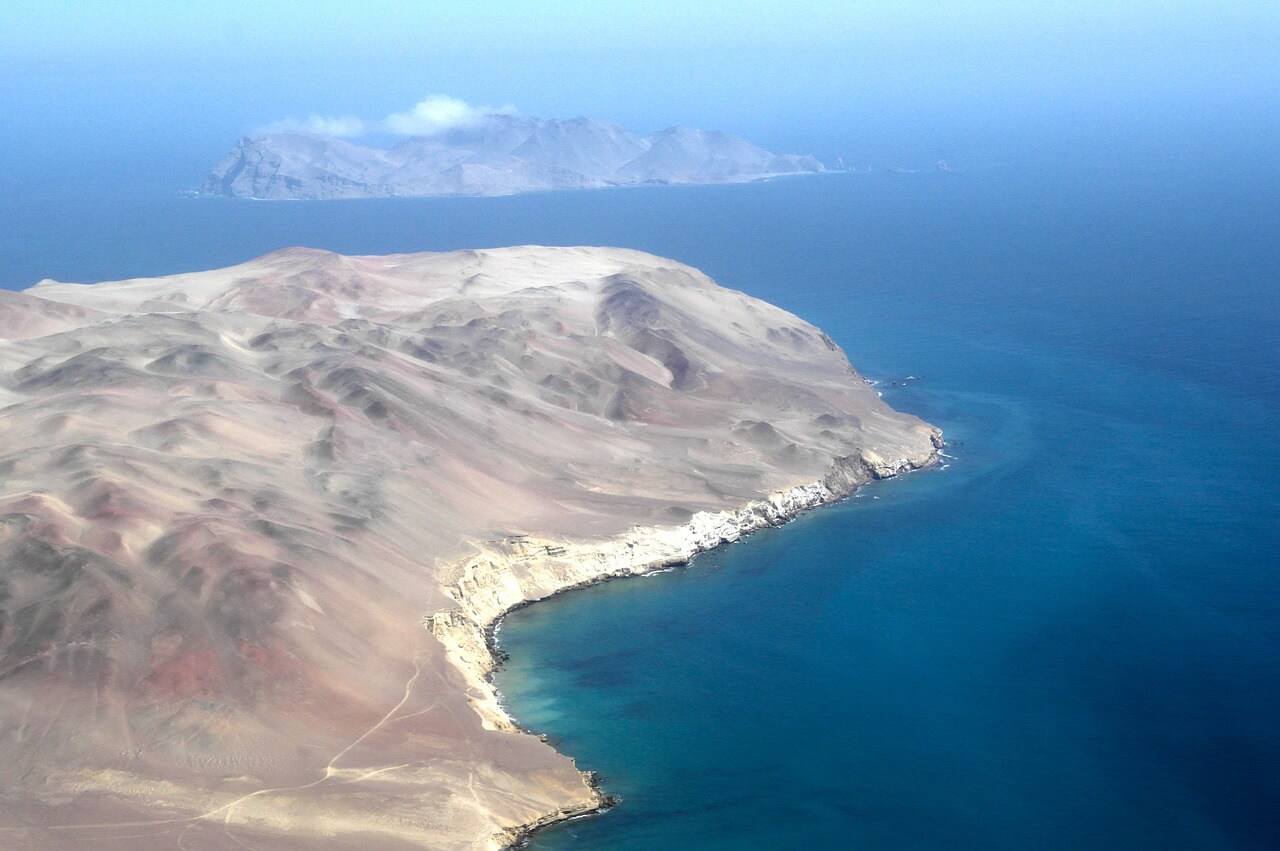
The Ballestas Islands, located off the southern coast of Peru near the town of Pisco, are a group of uninhabited rocky islets renowned for their remarkable biodiversity and ecological importance. Though often associated with the nearby Paracas National Reserve, the Ballestas Islands are part of the Guano Islands, Islets, and Capes National Reserve System. This expansive network stretches along the Peruvian coastline and is critical in conserving the region's marine life and maintaining the balance of the Humboldt Current ecosystem.
The islands are a popular destination for ecotourism due to their unique wildlife, particularly the large colonies of seabirds and marine mammals that thrive in this protected environment. They are often referred to as the "Poor Man's Galápagos," the Ballestas Islands offer visitors a chance to observe a wide variety of species, from Humboldt penguins to sea lions, in their natural habitat.
Ecological Importance of the Ballestas Islands
The Influence of the Humboldt Current
The Ballestas Islands' rich marine ecosystem owes much of its abundance to the Humboldt Current. This cold ocean current flows from the southern Pacific along the western coast of South America. This current brings nutrient-rich water from the deep sea to the surface, creating ideal conditions for plankton growth, which forms the base of the marine food chain.
The upwelling of nutrients supports large fish populations, including anchoveta, sardines, and mackerel. These fish, in turn, attract seabirds, marine mammals, and larger predators. The productive waters of the Humboldt Current make the Ballestas Islands a critical feeding and breeding ground for diverse species.
Birdlife
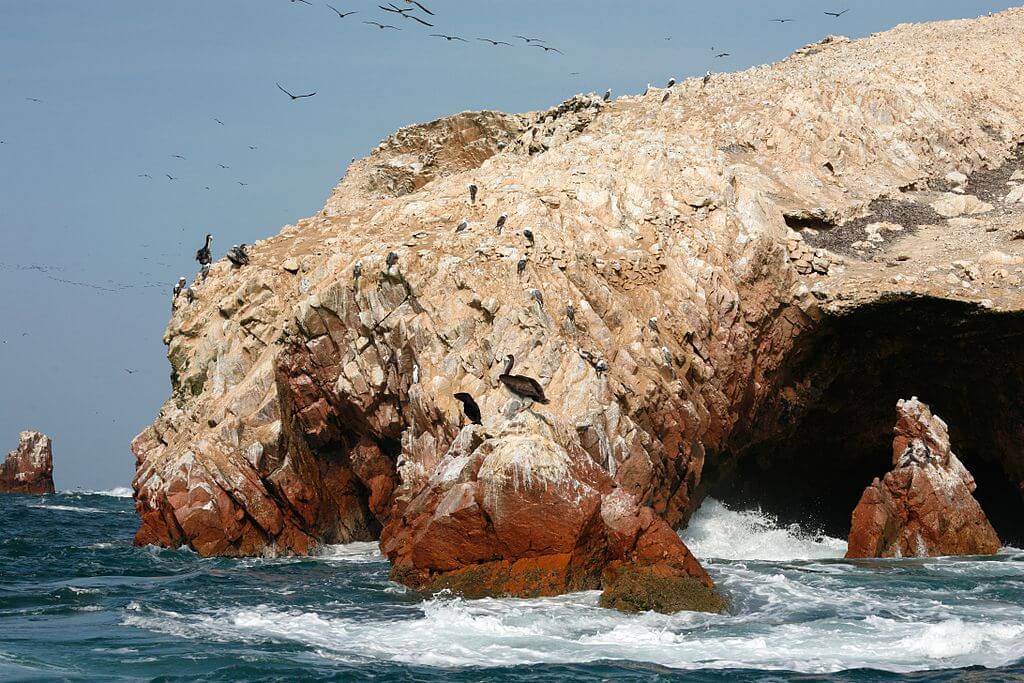
The Ballestas Islands are a birdwatcher's paradise, providing refuge for thousands of seabirds. The islands are particularly famous for their large colonies of guano-producing birds, which played a vital role in the region's economy during the 19th century when guano was a highly sought-after fertilizer. The islands remain a crucial habitat for these and other bird species.
Among the notable birds found on the Ballestas Islands are:
- Humboldt penguins (Spheniscus humboldti): These small penguins are native to the cold waters of the Humboldt Current and are classified as vulnerable due to habitat loss and overfishing.
- Blue-footed boobies (Sula nebouxii): Known for their distinctive bright blue feet, these seabirds are common in the islands, where they dive into the water to catch fish.
- Guanay cormorants (Leucocarbo bougainvillii): Once a primary source of guano, these cormorants continue to thrive on the islands.
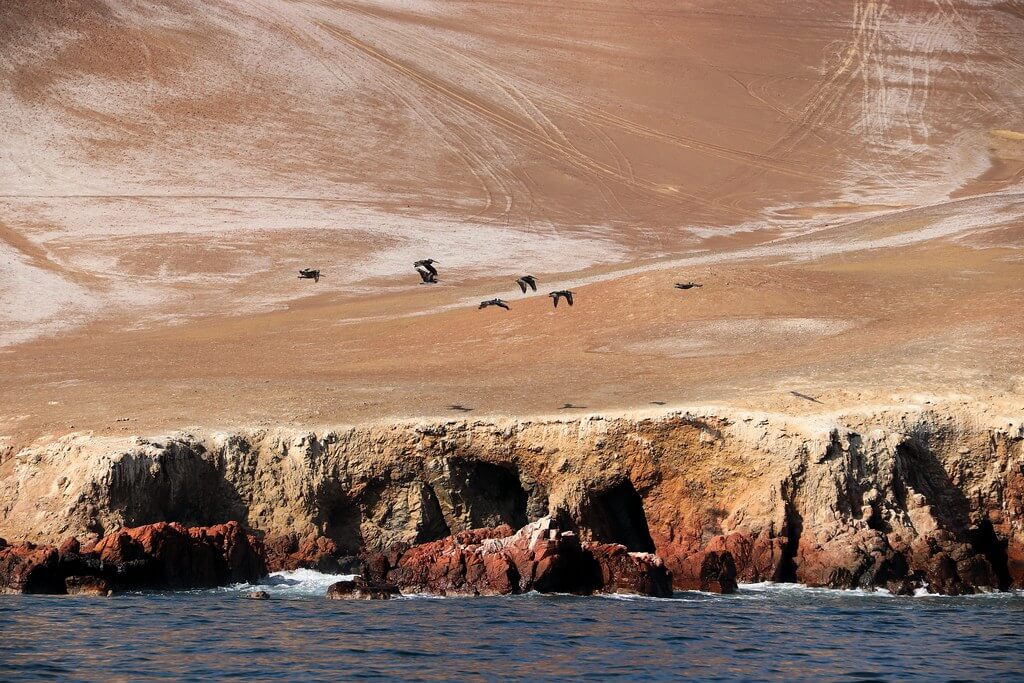
- Peruvian pelicans (Pelecanus thagus): Larger than their North American relatives, these pelicans are frequently seen gliding above the water in search of fish.
The islands are also home to the Peruvian booby, Inca tern, and various species of gulls and terns. The density of birdlife makes the Ballestas Islands a spectacular place for wildlife enthusiasts to witness large colonies of birds nesting and foraging in their natural environment.
Marine Mammals
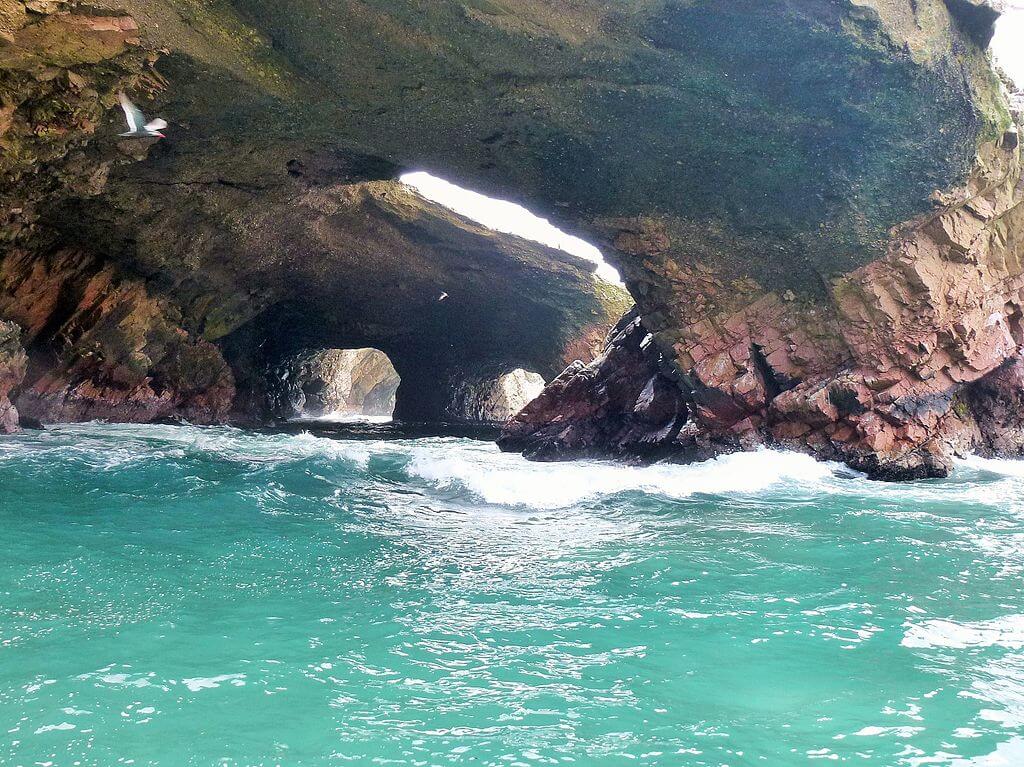
In addition to its avian residents, the Ballestas Islands are known for their populations of marine mammals. The rocky shores and caves of the islands provide a haven for several species, including:
- South American sea lions (Otaria flavescens): These large, noisy pinnipeds can be seen basking on the rocks or playing in the water. The Ballestas Islands are a primary breeding and resting site for these sea lions along Peru's coast.
- South American fur seals (Arctocephalus australis): Smaller and less numerous than sea lions, fur seals can also be spotted resting on rocky outcrops.
The cold, nutrient-rich waters also attract various species of dolphins, which are often seen swimming around the islands. Bottlenose dolphins, dusky dolphins, and occasionally humpback whales pass through the area, further adding to the islands' ecological richness.
Human History and Conservation Efforts
Guano Harvesting
In the 19th century, the Ballestas Islands were at the center of a booming guano trade. The droppings of seabirds, particularly Guanay cormorants, accumulated in thick layers on the islands, creating one of the world's richest sources of natural fertilizer. Guano extraction was a major industry, and at its peak, the islands' guano deposits were exported globally to meet the demand for fertilizers.
The guano trade significantly impacted the islands' ecosystems, as the intensive extraction and the introduction of workers disrupted the birds' breeding cycles. Recognizing the ecological importance of these islands, the Peruvian government has since placed strict controls on guano harvesting, limiting the activity to specific times to minimize the impact on wildlife. Today, the islands are protected as part of the Guano Islands, Islets, and Capes National Reserve System, ensuring their ecosystems are conserved for future generations.
Ecotourism
Today, the Ballestas Islands are a popular destination for ecotourists. Boats depart from the nearby town of Paracas, taking visitors on guided tours around the islands. These tours offer the opportunity to observe the islands' wildlife up close without disturbing their habitats. The Peruvian government has implemented strict regulations to manage tourist flow and protect the Ballestas's delicate ecosystems.
Despite their popularity as a tourist destination, the islands remain off-limits for human habitation or extensive development. The conservation focus is on preserving the natural habitats of the birds and marine mammals that rely on the islands for breeding, resting, and foraging.
The Ballestas Islands and Global Conservation
The Ballestas Islands are part of a broader effort to conserve the biodiversity of the eastern Pacific Ocean. They serve as an example of how protected areas, combined with sustainable tourism, can help safeguard ecosystems critical to local wildlife and the health of the planet's oceans. The islands play an integral role in maintaining the populations of threatened or vulnerable species, including the Humboldt penguin, which faces numerous challenges due to climate change and human activity.
By protecting these islands, Peru contributes to the global effort to conserve marine and coastal ecosystems. The islands' inclusion in the Guano Islands, Islets, and Capes National Reserve System underscores their ecological importance and helps preserve the biodiversity they support for future generations.
Conclusion
The Ballestas Islands are a vital marine and bird life sanctuary along Peru's coast. Their rich ecosystems, fueled by the nutrient-rich waters of the Humboldt Current, support a variety of species, from guano-producing birds to sea lions and dolphins. Though small and rocky, these islands are home to an extraordinary diversity of life that plays a critical role in the broader marine environment of the Pacific coast.
Through responsible management and conservation efforts, the Ballestas Islands continue to thrive. They offer visitors a glimpse of the rich biodiversity of Peru's coastal waters while reminding them of the importance of protecting our planet's marine ecosystems.