South America

The Patagonian Grasslands: Guardians of the Windswept Plains

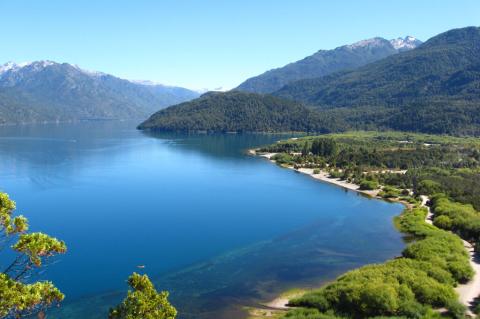
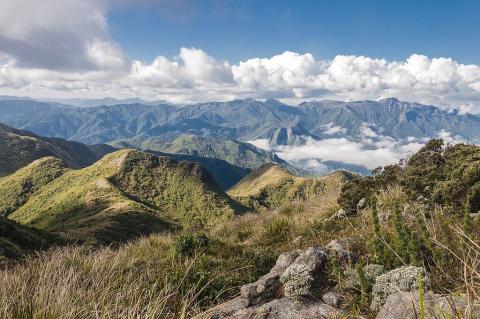
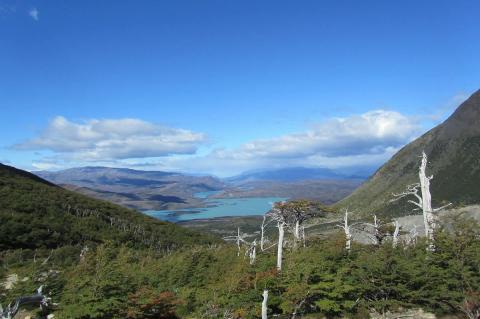
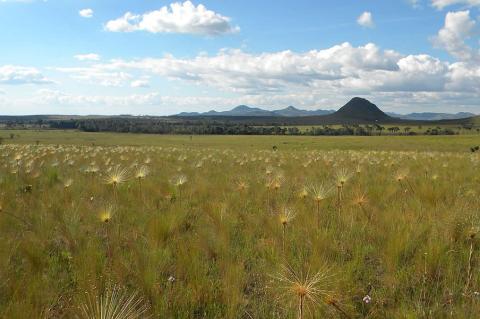
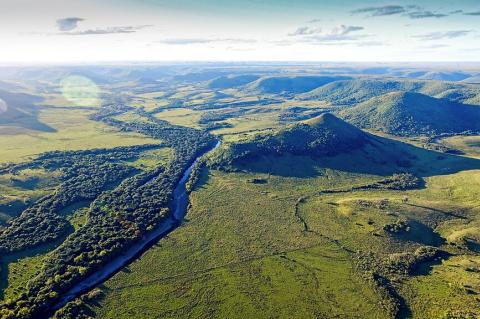
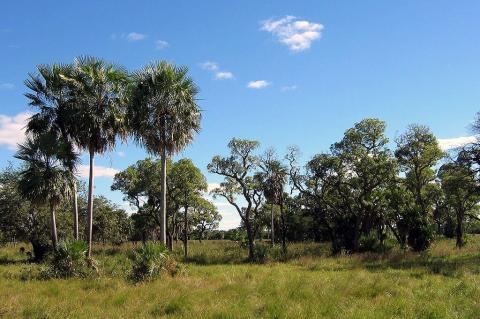
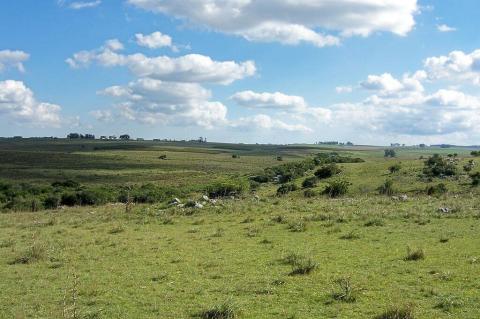
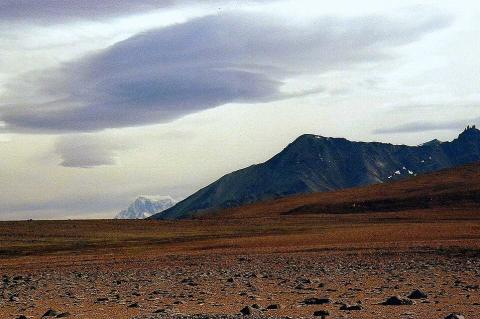
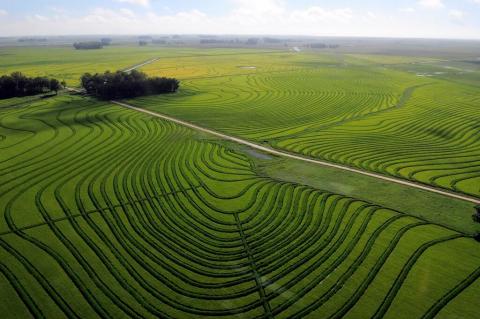
The Patagonian Grasslands ecoregion is situated in the southern part of Argentina. It is an example of nature's resilience in challenging conditions. This area falls under the biome of temperate grasslands, savannas, and shrublands, which spans across the Neotropical realm. The region is a testament to the stunning beauty and biodiversity of the southern landscapes of Argentina.
The Patía Valley Dry Forests: A Unique and Threatened Ecosystem in Colombia

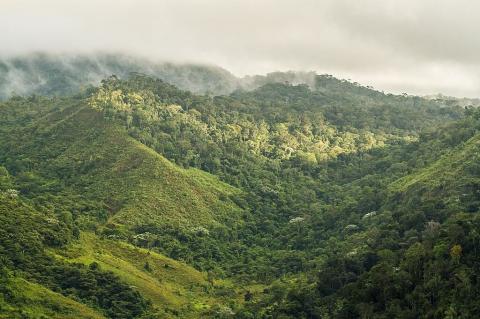
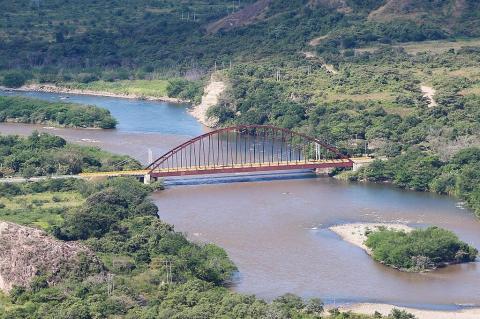
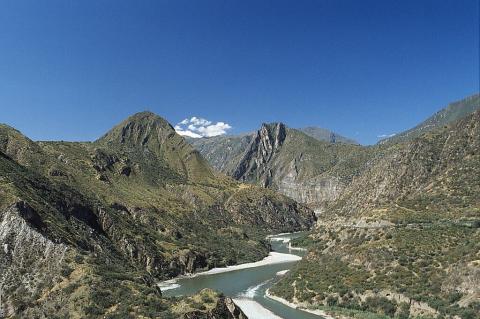
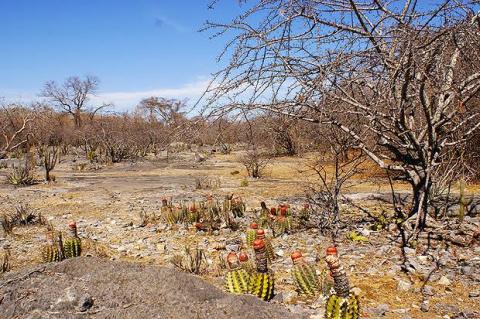
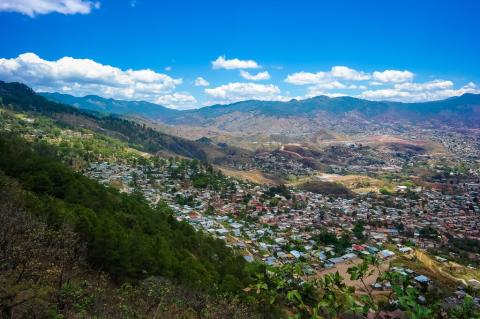
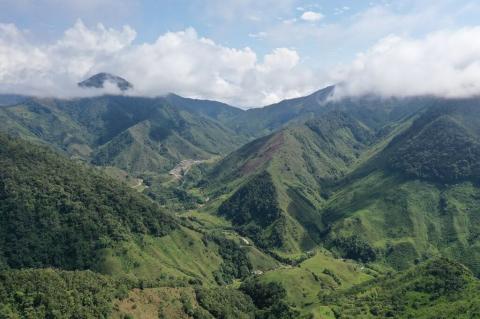
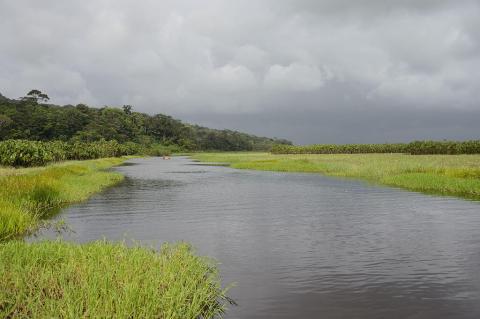
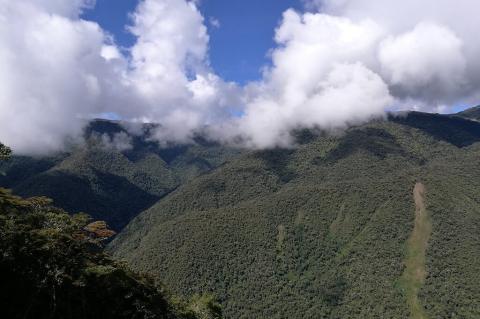
Nestled within the rugged Andes Mountains of southwestern Colombia lies a remarkable and often overlooked ecoregion known as the Patía Valley dry forests. In the rain shadow of the towering Andes, this arid landscape stands in stark contrast to the lush, verdant forests that characterize much of the surrounding region. This creates a unique and fragile ecosystem that is home to a diverse array of specialized plant and animal life.
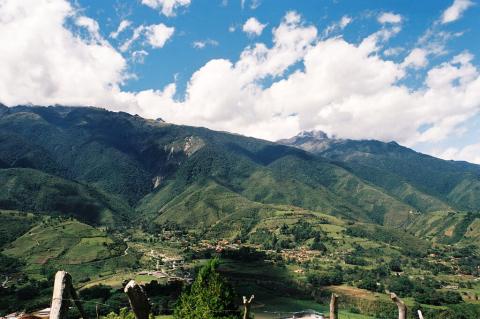
The Patuca River: Lifeline of Eastern Honduras

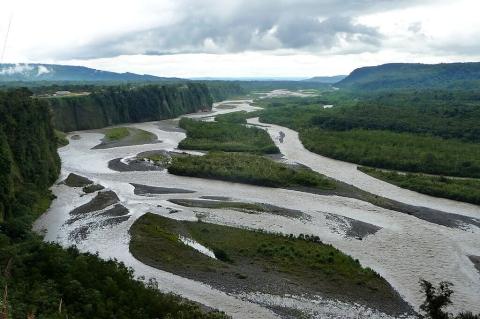
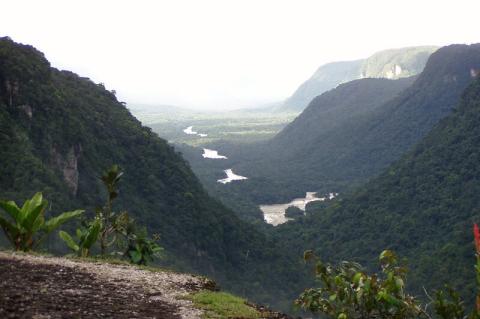
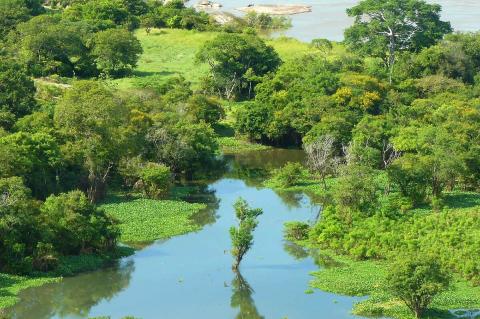
The Patuca River is the longest and most significant river in Honduras. It flows from the mountains of central Honduras to the Caribbean Sea and shapes the geography, ecology, and culture of the eastern region of the country. The river supports a wide array of ecosystems and human settlements. Despite its ecological importance, the river faces challenges from deforestation, hydroelectric projects, and climate change.

The Peru-Chile Trench: South America's Deepest Frontier and the Bolivian Orocline

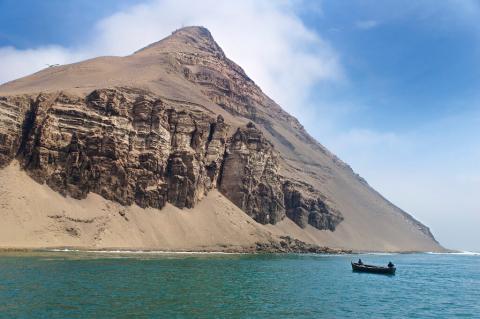
Along South America's western coast lies one of Earth's most spectacular geological features. The Peru-Chile Trench represents the deepest oceanic depression in the South Pacific and serves as the active collision zone where the Nazca Plate slides beneath the South American continent. This submarine canyon, intertwined with the dramatic coastal bend known as the Bolivian Orocline, tells a story of planetary-scale forces that have sculpted the Andes Mountains and continue to shape one of the world's most geologically active regions.

The Peruvian Andes: Peru's Sierra Region Where Earth Touches Sky

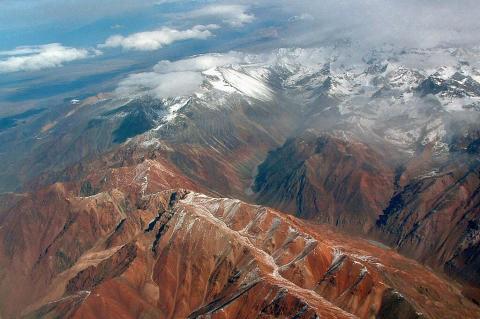
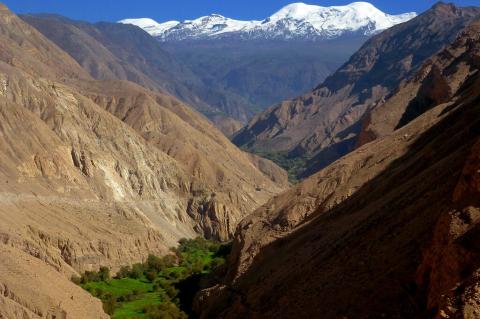
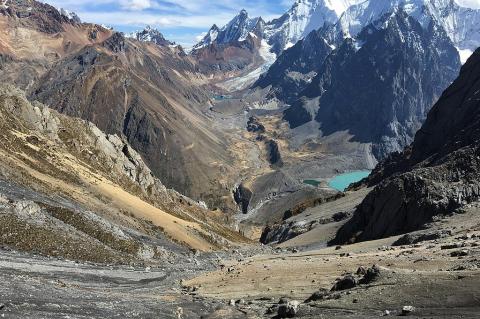
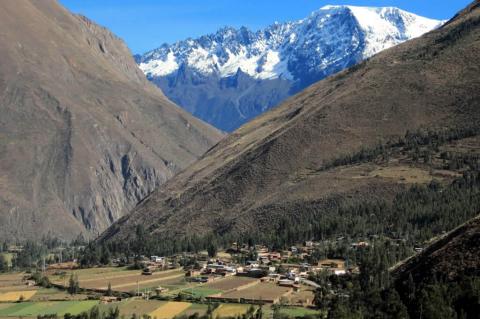
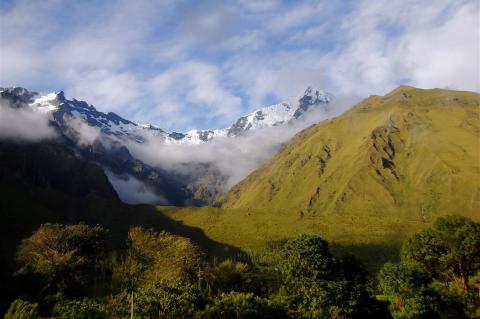
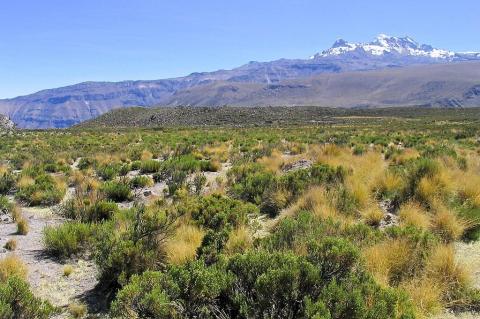
Rising proudly from the Pacific coastal plains to the Amazon Rainforest, Peru's Sierra region is one of the most breathtaking and intricate mountain systems on Earth. This expansive highland area, which includes the Peruvian section of the Andes, extends through the country's center like a giant geological backbone, influencing the landscape, climate, biodiversity, and cultural history of Peru. The region is mainly characterized by three main cordilleras, or mountain ranges, each with unique geological traits, climate conditions, and ecological systems.

The Pilcomayo River: A Lifeline Traversing South America

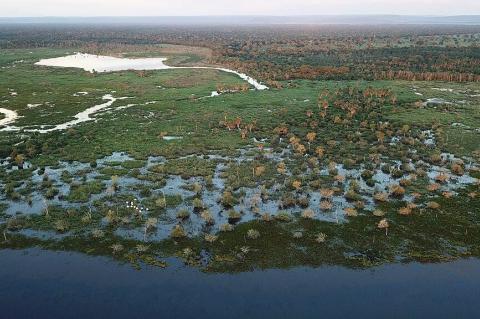
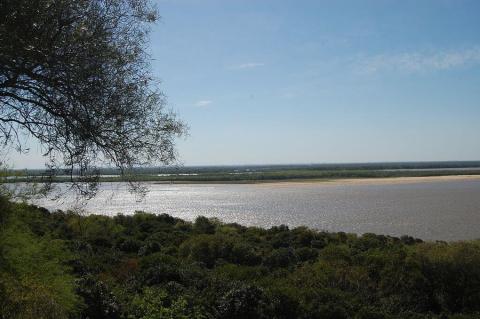
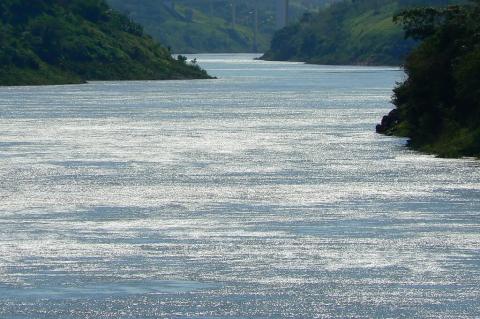
Winding its way through the heart of South America, the Pilcomayo River stands as a vital watercourse that interweaves the landscapes and ecosystems of Argentina, Bolivia, and Paraguay. Originating from the Andes, this remarkable river embarks on a journey that not only shapes the physical terrain but also sustains a rich tapestry of biodiversity, leaving an indelible mark on the diverse regions it traverses.

The Podocarpus-El Condor Biosphere Reserve: Haven of Biodiversity

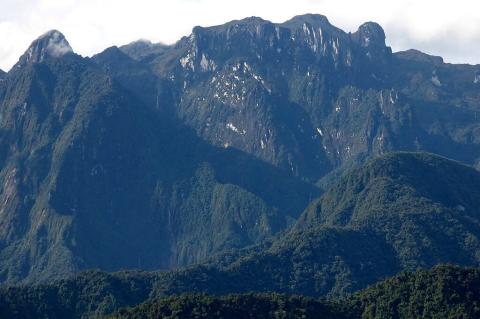
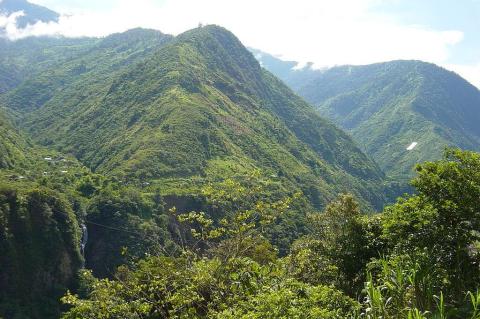
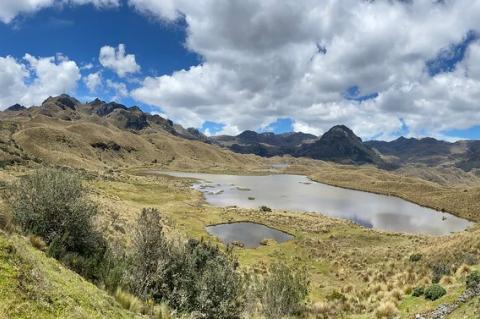
Nestled within the Andes of southern Ecuador, the Podocarpus-El Condor Biosphere Reserve spans a vast area that includes the Podocarpus National Park and Yacurí National Park. It is globally recognized for its exceptional biodiversity and unique ecosystems. It stands as a testament to the beauty of nature and the critical importance of conservation.

The Pristine Wilderness of Hornopirén National Park

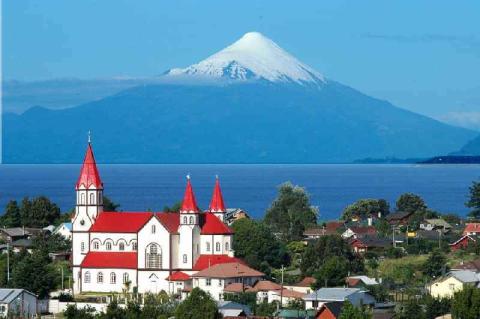
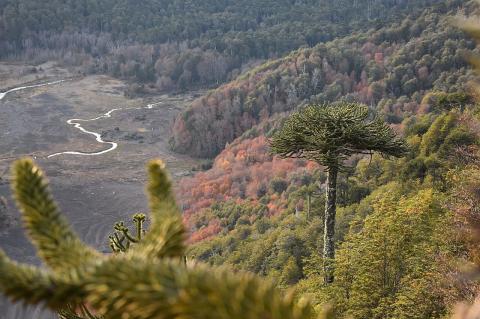
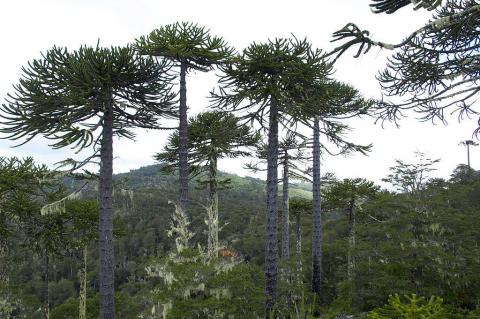
Hornopirén National Park, located in southern Chile's Los Lagos region, is a pristine wilderness within the Chilean Andes. The park derives its name from the Mapundungún term "Snow Oven," a nod to the majestic Hornopirén Volcano. Though not within park boundaries, this volcano epitomizes the dramatic landscapes that define the region. It is part of the Bosques Templados Lluviosos de los Andes Australes Biosphere Reserve, showcasing rich biodiversity and spectacular natural features.

The Putumayo River: A Vital Corridor of Life and Culture

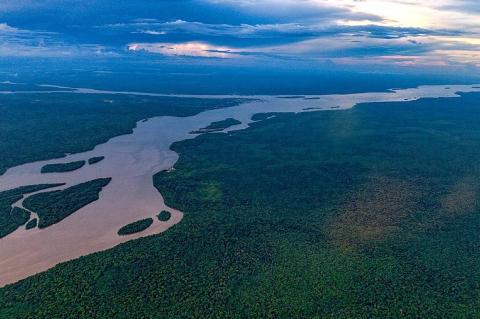
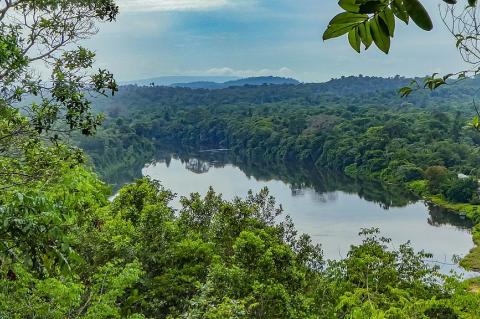
Flowing through the dense rainforests of South America, the Putumayo River—known as the Içá River in Brazil—is a lifeline for the Amazon basin. Stretching across Colombia, Ecuador, Peru, and Brazil, this transboundary river is a vital ecological, cultural, and economic resource for the region. Its diverse ecosystems, rich cultural heritage, and pivotal role in local and international trade make it a key feature of South America's natural landscape.

The Qhapaq Ñan: Weaving an Empire Through Stone and Sky

Stretching across the spine of South America, the Qhapaq Ñan represents one of humanity's most ambitious engineering achievements. This network of pathways once carried the footsteps of llamas laden with precious cargo, alpacas bearing the finest textiles, and chasqui messengers racing between distant provinces of the vast Inca Empire. More than mere roads, these ancient highways served as the nervous system of Tawantinsuyu, the "Land of the Four Quarters," binding together a realm that spanned from the emerald depths of the Amazon to the windswept altiplano.