Bodies of Water of South America

Lago Argentino: The Crown Jewel of Patagonian Glacial Lakes

In the remote and windswept landscapes of Argentine Patagonia lies one of South America's most spectacular natural wonders: Lago Argentino. This magnificent glacial lake represents the intersection of geological forces, climatic phenomena, and ecological diversity that has captivated scientists, explorers, and visitors for generations. As Argentina's largest freshwater lake and a UNESCO World Heritage site component, Lago Argentino stands as a testament to the raw power and beauty of nature in one of Earth's most pristine wilderness areas.

Lago General Carrera: The Majestic Beauty of Patagonia's Marble Caves

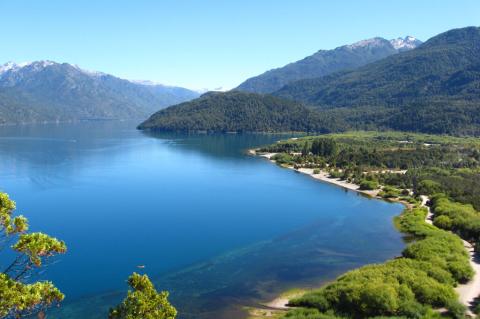
Straddling the border between Chile and Argentina lies one of the most breathtaking natural wonders in South America—Lago General Carrera (known as Lago Buenos Aires in Argentina). This expansive glacial lake, with its turquoise and sapphire waters, is surrounded by the rugged landscapes of Patagonia and framed by snow-capped mountains, providing an unforgettable view that draws visitors from around the world. Among its most famous attractions are the Marble Caves, surreal formations carved by nature over thousands of years.

Lagoa dos Patos: South America's Largest Lagoon

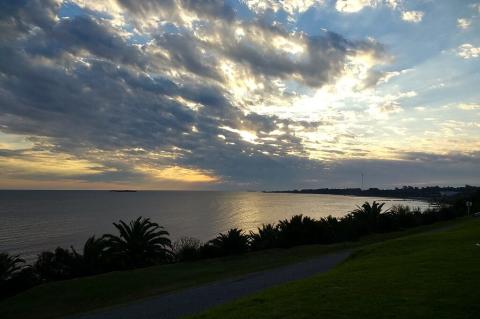
Lagoa dos Patos, located in southern Brazil, is the largest lagoon in South America and a remarkable example of nature's diversity and grandeur. This lagoon is a dynamic ecosystem shaped by the interplay of freshwater rivers, brackish wetlands, and the nearby Atlantic Ocean. With its immense ecological, economic, and cultural importance, Lagoa dos Patos is more than just a body of water—it is a vital artery supporting the region's biodiversity and livelihoods.

Laguna Blanca: A Conservation Haven in the Andean Heights

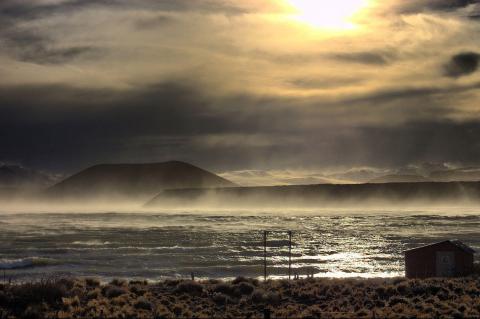
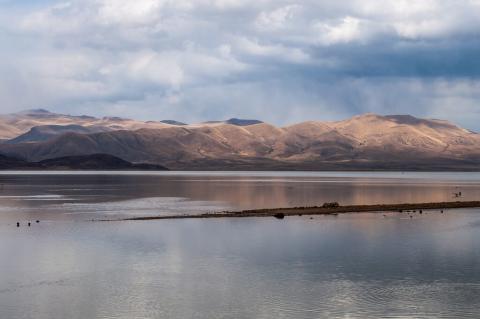
The Laguna Blanca Biosphere Reserve is a magnificent example of nature's resilience and human ingenuity. Nestled in the Andean region of northwest Argentina, it encompasses a unique arid Andean landscape characterized by a saline lake surrounded by rugged rock formations. This reserve is situated in Catamarca Province and is a testament to conservation efforts, rich biodiversity, and ancient cultural practices.

Lake Buenos Aires: Patagonia's Crown Jewel

Nestled in the heart of Patagonia, Lake Buenos Aires is a stunning natural treasure shared by Argentina and Chile. Known as Lago General Carrera on the Chilean side, this vast body of water is one of South America's largest lakes and is celebrated for its breathtaking scenery, vibrant ecosystems, and cultural significance. Formed by glacial activity, the lake is surrounded by towering mountains, lush forests, and dramatic fjords, creating a landscape of unparalleled beauty.

Lake Llanquihue and Osorno Volcano: Treasures of Chile's Lake District

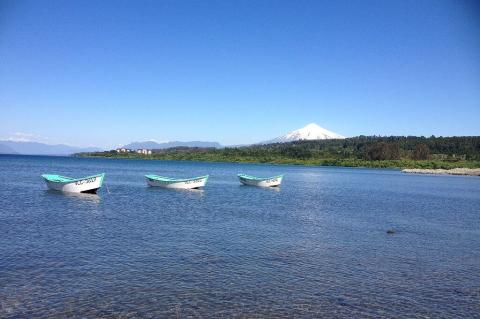
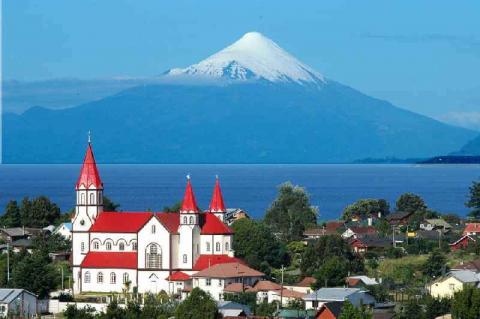
Nestled in the heart of Chile's enchanting Lake District lies Lake Llanquihue, a sprawling body of water renowned for its scenic beauty and cultural significance. With its vast expanse of dark waters and striking black sand shores, Lake Llanquihue captivates the imagination. Situated between Osorno Province and Llanquihue Province, Osorno Volcano commands attention with its snow-capped peak and dramatic silhouette, creating a striking contrast against the azure waters of Lake Llanquihue.

Lake Titicaca: Ancient Waters of the Andes

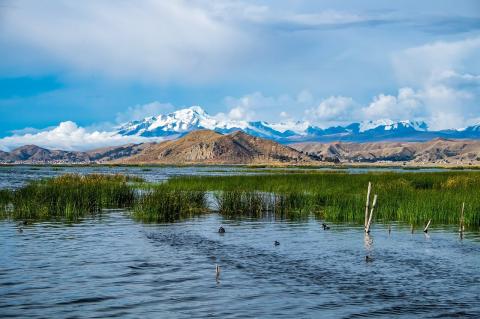
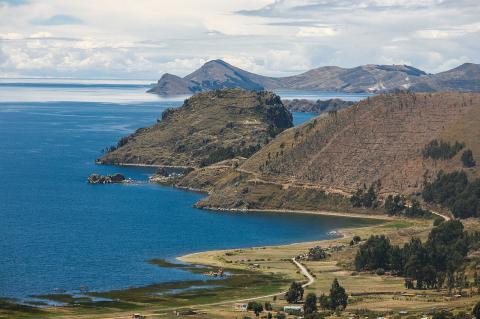
Lake Titicaca lies in the northern Altiplano, between Peru's Puno Region and Bolivia's La Paz Department, within the Central Andean wet puna. It covers 8,372 sq km and is the largest lake in South America by volume. It is often called the world's highest navigable lake, a title that refers to commercial vessels rather than altitude alone, and despite its elevation, it never freezes. The Andes that enclose the basin rise on both sides, and the lake itself occupies a tectonic depression.

Lakes Poopó and Uru Uru and the Desaguadero River: Bolivia's Vanishing Waters

Bolivia's Altiplano, a vast highland plateau surrounded by the towering Andes, once supported a network of important water bodies that sustained ecosystems and communities. Among these were Lake Poopó and Lake Uru Uru, two saline lakes that formed part of an interconnected hydrological system fed by the Desaguadero River. However, recent environmental changes have caused these lakes to shrink or disappear entirely, leaving a landscape marked by ecological decline.

Madeira River: A Lifeline of the Amazon Basin

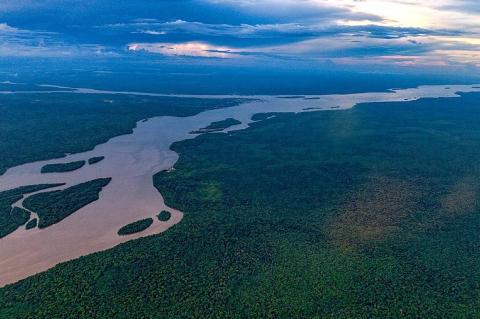
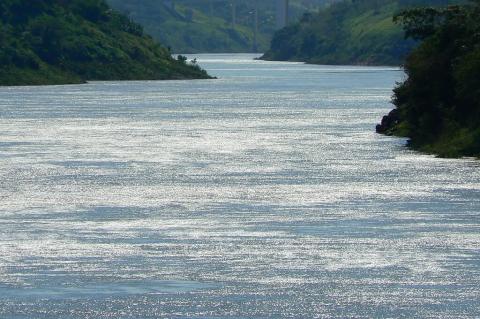
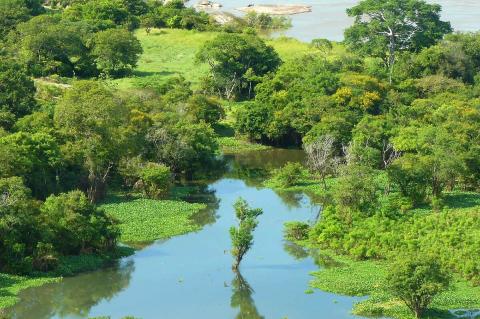
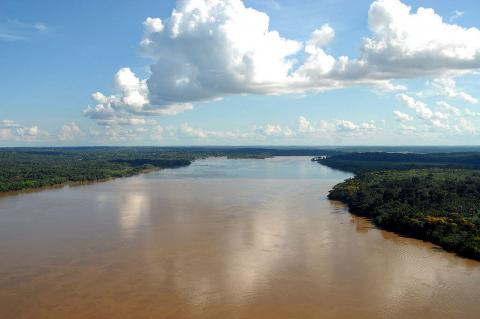
The Madeira River is one of South America's most significant waterways, playing a crucial role in the hydrology of the Amazon Basin. It is the largest and most important tributary of the Amazon River, making it a vital component of the region's ecosystem. Spanning Bolivia and Brazil, this mighty river traverses diverse landscapes and supports an array of flora and fauna, underscoring its importance as both a natural resource and a habitat.

Maracaibo Lake and Basin: The Geologic and Economic Heart of Venezuela

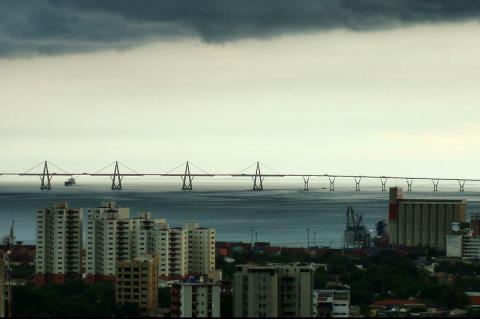
Lake Maracaibo, situated in the Maracaibo Basin of northwestern Venezuela, is a large brackish tidal estuary and an inlet of the Caribbean Sea. Numerous rivers feed the lake, the largest of which is the Catatumbo. With their rich petroleum reserves, dynamic weather phenomena, and significant economic contributions, Lake Maracaibo and the Maracaibo Basin are central to Venezuela's geography and economy.