Bodies of Water of South America

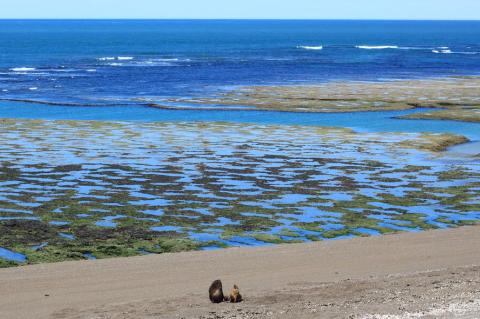
Paracas National Reserve: A Coastal Desert Haven in Peru

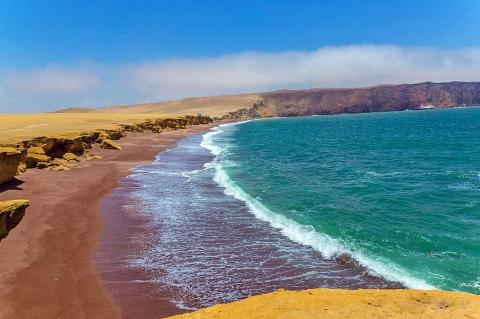
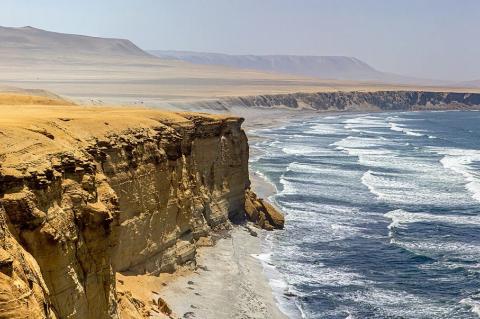
Paracas National Reserve is a unique protected area located in the Ica region of Peru, spanning coastal desert and marine ecosystems, making it a critical conservation area in South America. The reserve encompasses the Paracas Peninsula, Independence Bay, and surrounding desert regions, offering a rich mosaic of landscapes supporting diverse wildlife. In addition to its natural beauty, Paracas is steeped in archaeological history, with remnants of the ancient Paracas culture visible in the region. The combination of ecological significance and cultural heritage makes the Paracas National Reserve an exceptional destination.

Paranaíba River: Lifeblood of Brazil's Cerrado

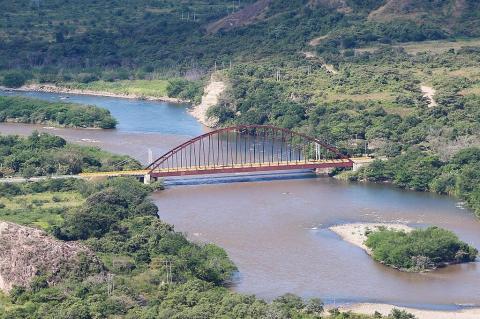
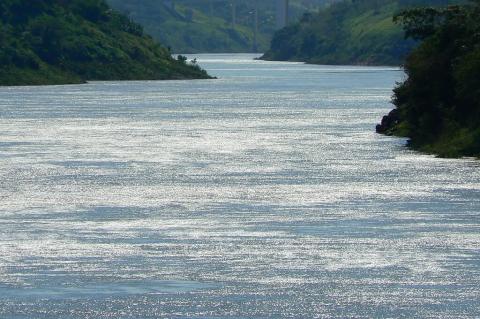
The Paranaíba River is a vital waterway in Brazil, coursing through the expansive Cerrado biome and forming the upper reach of the Paraná River Basin. Known for its ecological diversity, economic importance, and role in shaping regional culture, the Paranaíba River symbolizes Brazil's dynamic interplay between nature and development. From its headwaters in Minas Gerais to its confluence with the Grande River, the Paranaíba is vital to Brazil's environment and economy.

Purus River: Lifeblood of the Southwestern Amazon

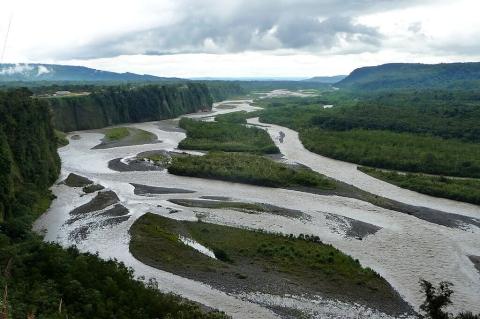
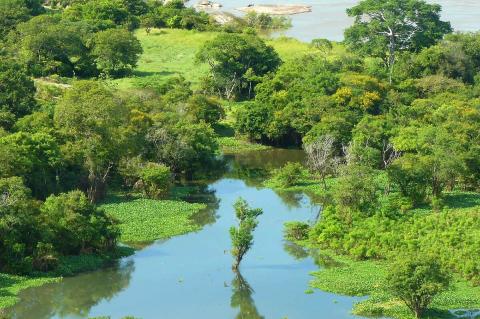
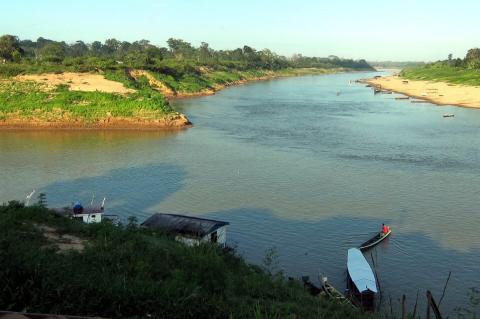
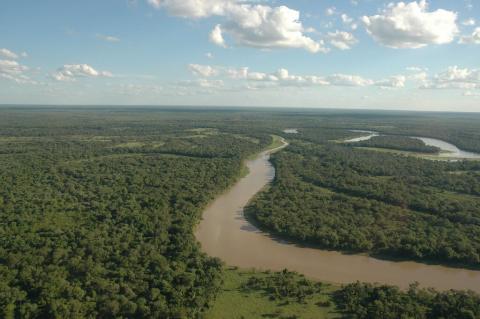
The Purus River is one of the Amazon Basin's significant tributaries, winding its way through the heart of the Amazon Rainforest. Originating in the Ucayali Basin in Peru, the river traverses a vast expanse of wilderness before merging with the Amazon River in Brazil. The Purus River's extensive basin is a vital hydrological and ecological feature of the Amazon, supporting diverse flora, fauna, and human communities.

Rivers of Time: The Water Bodies of the Guianas

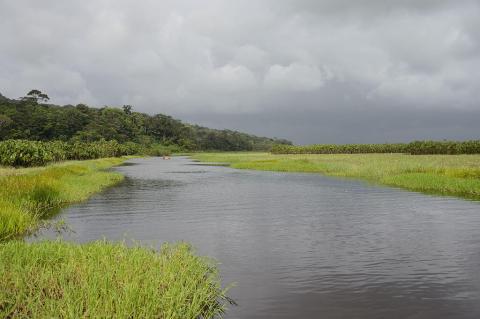
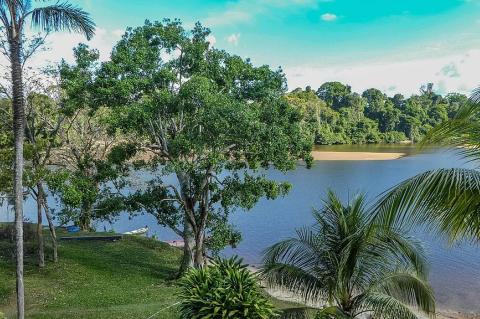
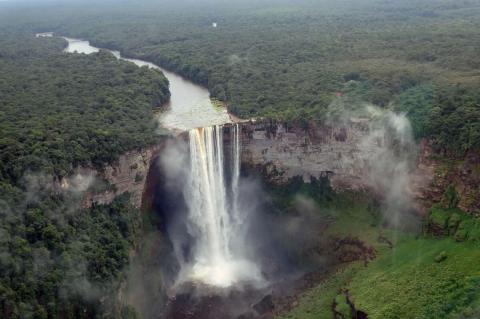
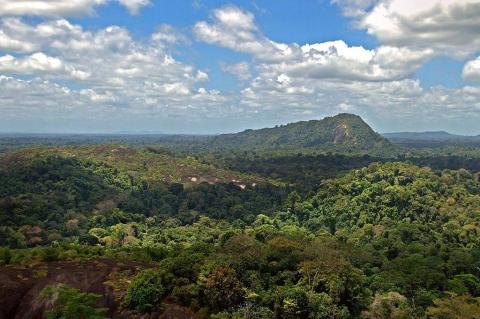
The Guianas—Guyana, Suriname, and French Guiana—form a vast hydrological amphitheater where ancient highlands feed waterways that flow through rainforests to the ocean, from the Essequibo, the region's giant and the namesake of South America's most significant ongoing territorial dispute, to the world-record cascade of Kaieteur Falls and the still largely unmapped rivers of the French Guianese interior.

San Carlos de Bariloche and Nahuel Huapi: Exploring Patagonia’s Scenic Heart

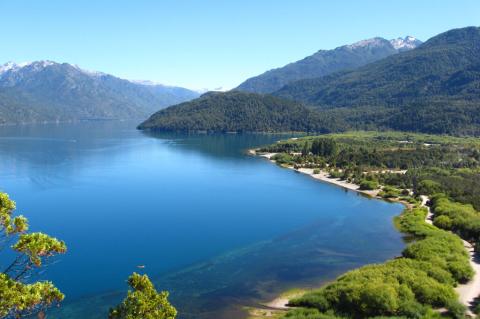
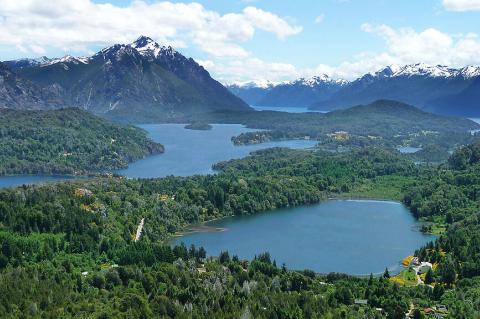
Situated in the foothills of the Argentine Andes, San Carlos de Bariloche offers a striking combination of natural beauty and cultural richness. Located on the clear shores of Lake Nahuel Huapi, Bariloche is surrounded by some of Patagonia's most breathtaking mountains and lakes. As part of the more expansive Nahuel Huapi National Park, the region attracts visitors worldwide, offering a unique blend of outdoor activities, historical landmarks, and distinct architectural charm.

The Amazon River System: Nature's Mightiest Waterway

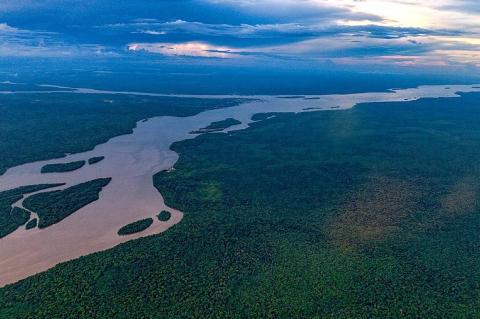
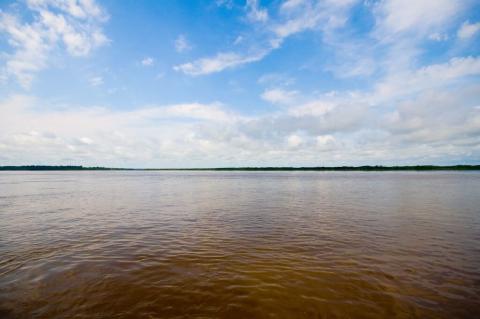
The Amazon River stands as Earth's most powerful single waterway, channeling the flow of over 1,100 tributaries across 6.3 million sq km into a current that delivers 209,000 cubic meters of water per second to the Atlantic Ocean. This colossal flow represents 15-20% of all freshwater entering the world's oceans, making the Amazon not just South America's arterial system but a critical component of global ocean circulation and climate regulation.

The Argentine Sea: A Biodiverse and Economic Powerhouse

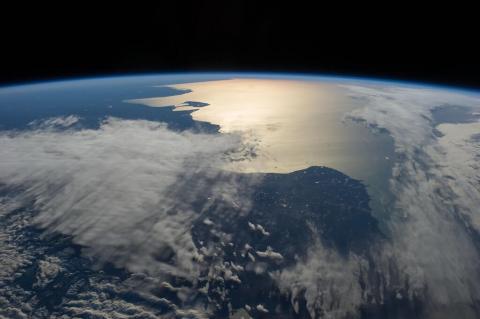
The Argentine Sea, located in the southwestern Atlantic Ocean along Argentina's eastern coast, is one of the most ecologically diverse and economically significant marine regions in the Southern Hemisphere. It is a vital hub for marine biodiversity, fisheries, and energy resources. Bordered by the Argentine continental shelf, this sea is a lifeline for the country, blending natural wealth with cultural and economic importance.

The Atrato River: Colombia's Lifeline Through the Chocó

Winding through the dense rainforests of Colombia's Chocó Department, the Atrato River is a vital artery of life, culture, and biodiversity. It is renowned for its ecological significance and historical and cultural importance to the Afro-Colombian and Indigenous communities living along its banks. The river's influence extends beyond its immediate surroundings, making it an essential feature of Colombia's natural and cultural heritage.

The Beni and Mamoré Rivers: Bolivia's Lifelines

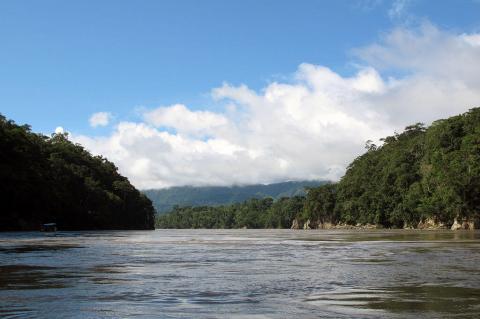
The Beni and Mamoré Rivers, coursing through the heart of Bolivia, are lifelines for both nature and civilization. They shape the landscape and provide sustenance to countless communities along their banks. From their origins in the rugged Andean slopes to their convergence into the mighty Madeira River at Bolivia's northeastern border, these rivers tell a story of resilience, biodiversity, and cultural richness.

The Bermejo River: South America's Diverse Lifeline

The Bermejo River, a crucial waterway in South America, traverses diverse landscapes across Bolivia and Argentina. In its upper course, the river is known as the Bermejo, but in its lower reaches, it transitions into the Desaguadero and later the Salado. Flowing from the Andes Mountains to its confluence with the Paraguay River, the Bermejo sustains ecosystems, supports human settlements, and plays an essential role in regional economies.