Bodies of Water of South America

The Xingu River: Lifeblood of the Brazilian Amazon

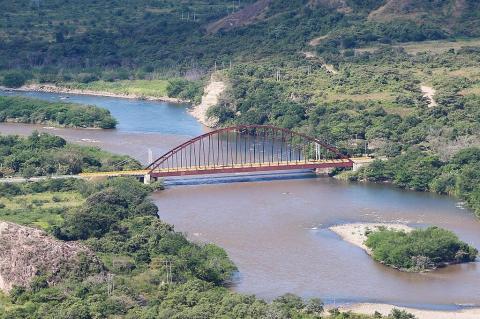
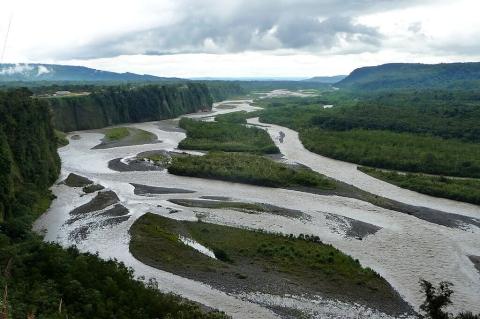
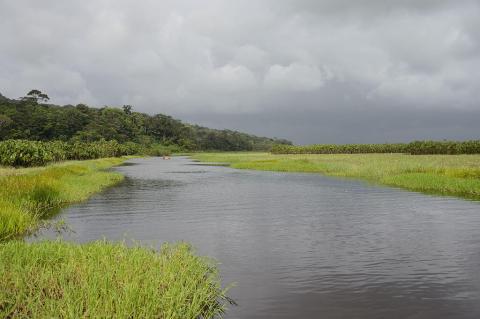
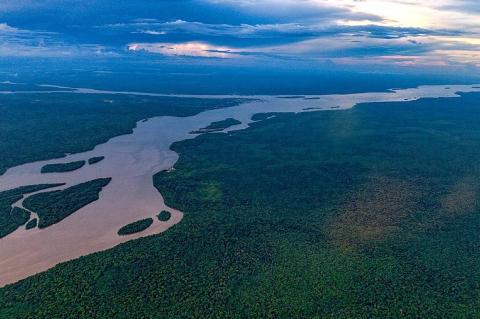
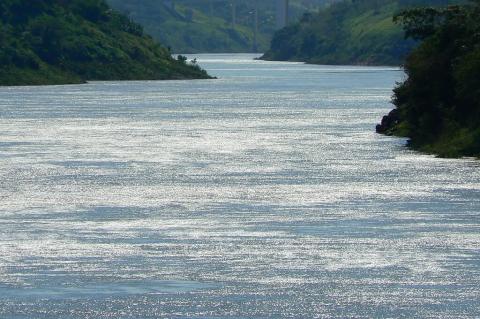
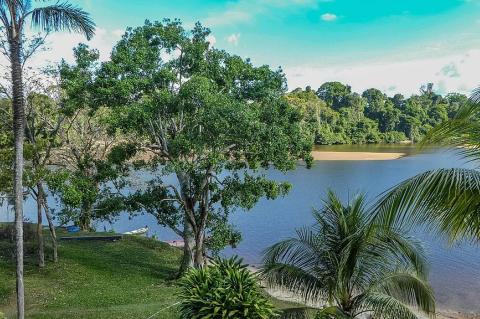
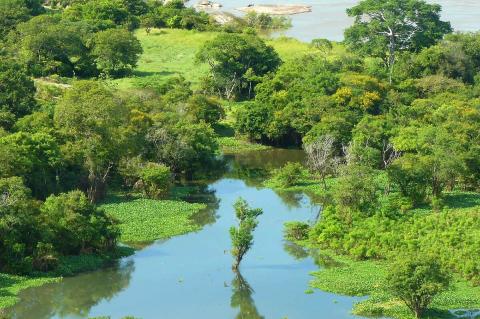
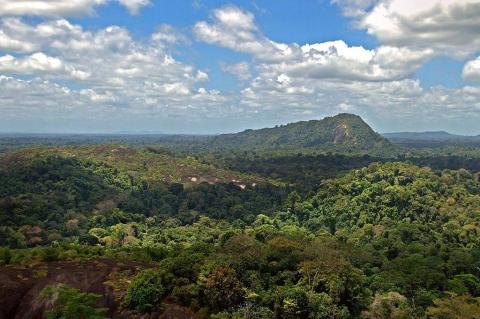
The Xingu River, a major tributary of the Amazon River, flows through the Brazilian Amazon, which is home to one of the world’s most biodiverse ecosystems. It traverses rainforests, savannas, and Indigenous territories, supporting diverse wildlife and the cultural heritage of the Indigenous peoples. As an essential part of the Amazon basin, the Xingu River highlights the beauty of tropical ecosystems, yet it faces significant environmental challenges.

Tierra del Fuego: Archipelago of Fire and Ice

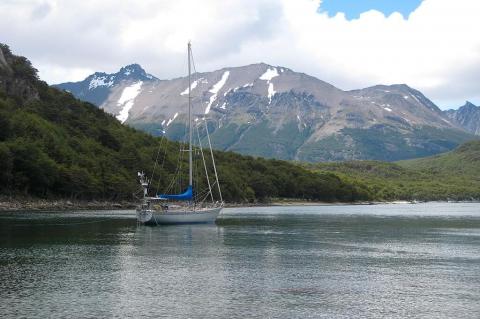
At the southernmost extremity of South America, where the continent fragments into a thousand islands scattered across tempestuous seas, lies Tierra del Fuego, the "Land of Fire." Ferdinand Magellan, the Portuguese explorer who first glimpsed these shores in 1520, named the archipelago after witnessing the countless fires lit by Indigenous peoples along the coastline. Five centuries later, the region remains one of the most sparsely populated and geologically dynamic corners of the continent.

Tocantins-Araguaia River System: A Comprehensive Overview of Brazil's Central Fluvial Network

The Tocantins-Araguaia River system in central Brazil is one of the country's most vital and extensive fluvial networks. Though commonly mistaken as a tributary of the Amazon River, this system is distinct and unique, with its complex hydrological dynamics and significant ecological importance. The river flows northward from the Brazilian Highlands, eventually emptying into the Atlantic Ocean through the Pará River, a distributary channel of the Amazon River delta.

Todos os Santos Bay: Bahia's Island-Studded Inland Sea

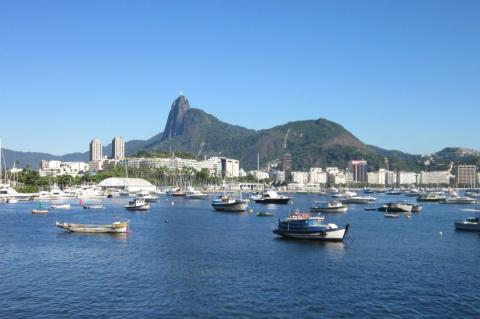
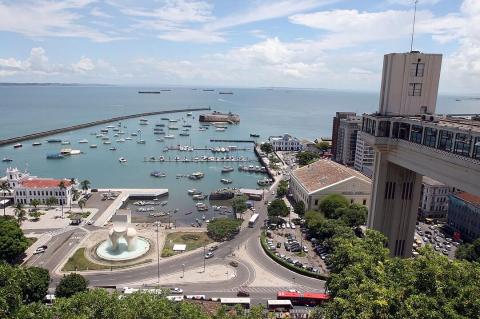
Nestled along Brazil's eastern coast, Todos os Santos Bay, also known as All Saints Bay, is a captivating natural harbor that has played a pivotal role in the region's history and development. As Brazil's largest bay, it surrounds the vibrant city of Salvador de Bahia, the capital of the state of Bahia. It serves as both a geographical landmark and a cultural icon. With deep historical roots and rich ecological diversity, this expansive bay remains a central feature of Bahia's coastal landscape.

Vicente Pérez Rosales National Park: Chile's Oldest Park Between Volcanoes and Lakes

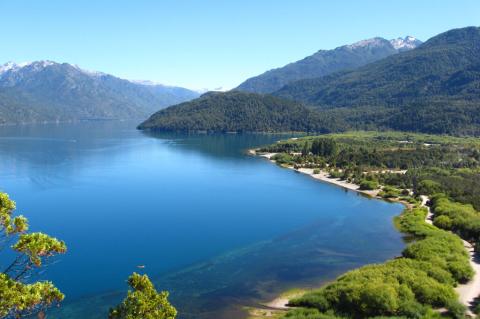
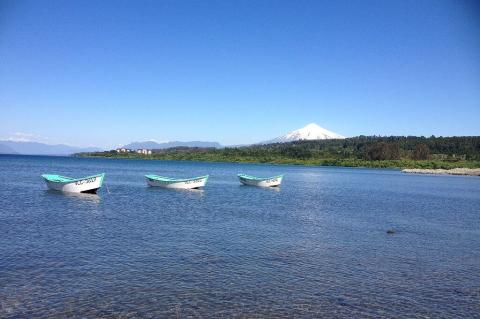
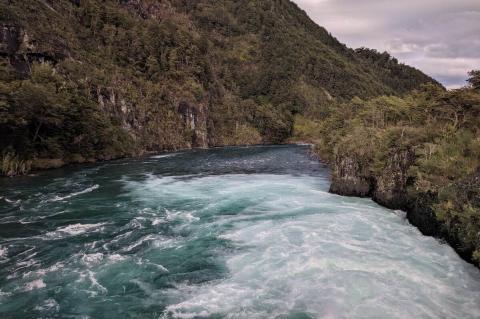
Vicente Pérez Rosales National Park, Chile's first, is named in honor of Vicente Pérez Rosales, a revered Chilean politician and diplomat. It encompasses an expansive area within the Lakes Region of the Chilean Andes and is renowned for its breathtaking and diverse landscapes. It hosts the iconic Lake Todos Los Santos and the Petrohué Waterfalls, surrounded by Valdivian temperate rainforests, a sanctuary for numerous plant and animal species.