Bodies of Water of South America

The Casiquiare River: A Unique Natural Waterway Connecting Two Great Basins

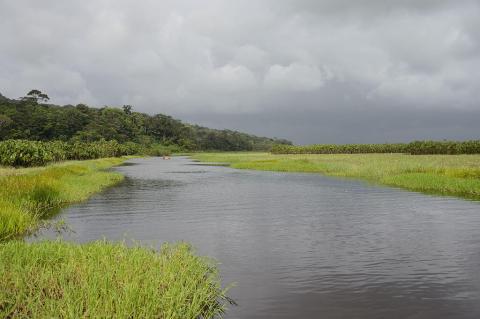
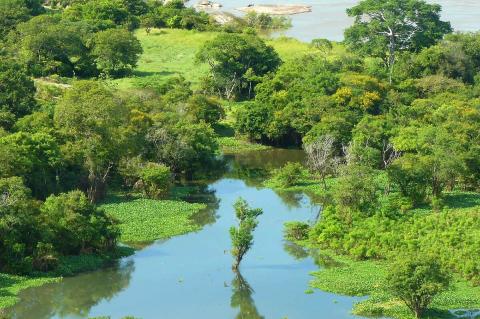
The Casiquiare River, also known as the Casiquiare Canal, is an extraordinary natural waterway in southern Venezuela. As the only major river on Earth connecting two vast and distinct drainage basins, the Casiquiare is a rare and vital geographical feature. It links the upper Orinoco River, which drains into the Atlantic Ocean, with the Rio Negro, a key tributary of the Amazon River. This unusual bifurcation is a product of natural hydrological and geological processes, creating a unique passage between South America's two largest river systems.

The Chubut River: Lifeline of Argentine Patagonia

The Chubut River is a defining geographical and ecological feature of Argentine Patagonia, flowing through the heart of Chubut Province. As one of the most important rivers in the region, it plays a crucial role in supporting biodiversity, agriculture, and human settlements in an otherwise arid landscape. Originating in the Andes and traveling eastward to the Atlantic Ocean, the Chubut River provides essential water resources for both natural ecosystems and human activities.

The Colca Canyon: Peru's Natural Wonder

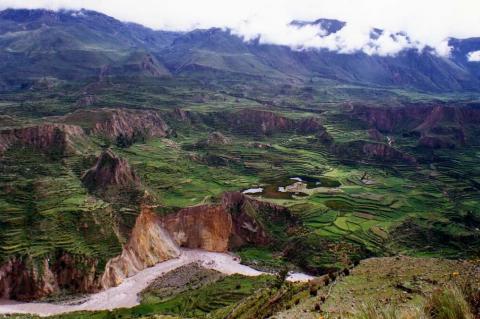
The Colca Canyon, twice as deep as the Grand Canyon and rivaled only by nearby Cotahuasi for the title of deepest in Peru, takes its name from the ancient qullqa storehouses of the Collagua and Cabana peoples, whose stone-walled agricultural terraces still feed the valley today and whose thermal-riding Andean condors have made this one of the best places on Earth to watch the world's largest flying bird.

The Colorado River of Argentina: A Vital Lifeline of the Pampas and Patagonia

The Colorado River of Argentina is a crucial waterway that traverses the vast landscapes of central and southern Argentina. It plays an essential role in shaping the region's geography, ecology, and human activity. Originating in the Andes Mountains, the river flows across arid and semi-arid landscapes before emptying into the Atlantic Ocean. Its waters sustain agriculture, support diverse ecosystems, and serve as a natural boundary between provinces.

The Enigmatic Waters of Lake O'Higgins: A Natural Wonder of Patagonia

Nestled deep within the rugged wilderness of Patagonia, Lake O'Higgins is one of the most breathtaking and remote bodies of water in South America. Straddling the border between Chile and Argentina, it is known as Lake San Martín in Argentina, reflecting the intertwined histories of both nations. Renowned for its striking turquoise waters, immense depth, and dramatic fjords, it is a natural masterpiece shaped by glacial activity and the relentless forces of the Patagonian climate.

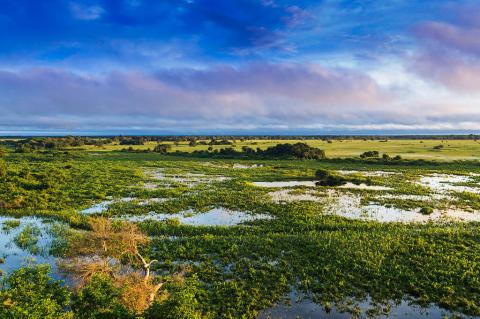
The Guaraní Aquifer System: South America's Hidden Ocean and the Future of Freshwater Security

Deep beneath four South American nations lies the Guaraní Aquifer System (GAS), one of Earth's most remarkable geological treasures. Spanning 1.2 million square kilometers of Argentina, Brazil, Paraguay, and Uruguay, it creates an underground hydrological empire rivaling the Mediterranean Sea. Named after the Indigenous Guaraní people, this aquifer system represents far more than a simple water source—it embodies the interconnected destiny of four nations and serves as a critical bulwark against regional water insecurity in an era of climate uncertainty.

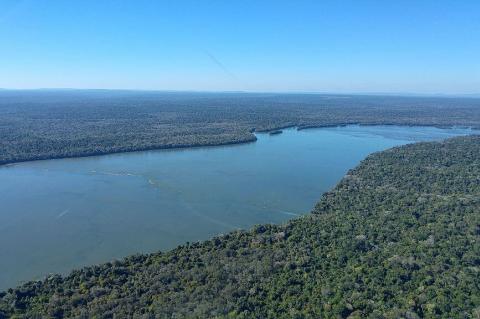
The Iguazú River: A Natural Wonder of South America

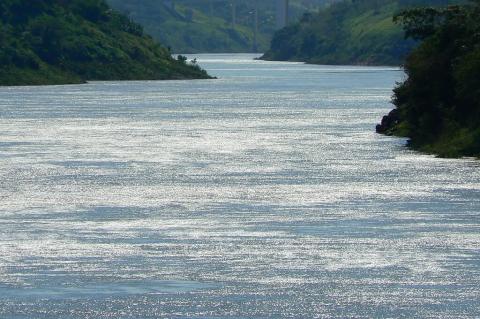
The Iguazú River is one of South America's most consequential waterways, not only for the world-famous falls that bear its name but for the long course it travels beforehand through the landscapes of Brazil and Argentina. Originating in the Serra do Mar coastal range, the river winds westward for well over a thousand kilometers, supporting diverse ecosystems and regional communities, before culminating in the dramatic cascades of Iguazú Falls.

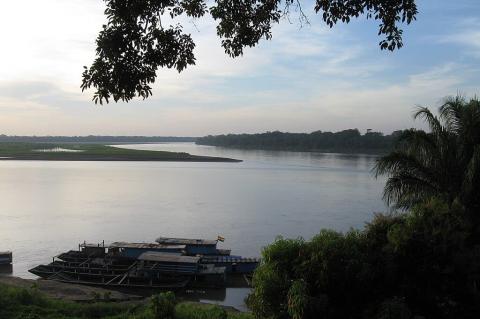
The Madre de Dios River: Gateway to the Amazon Basin

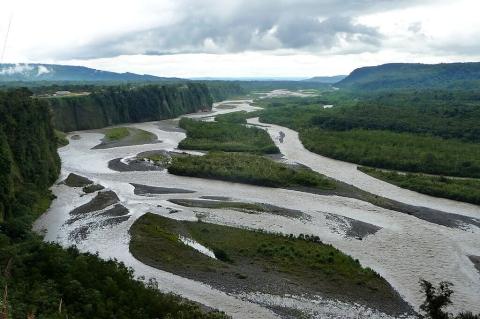
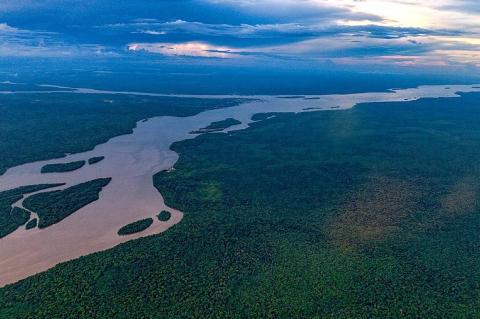
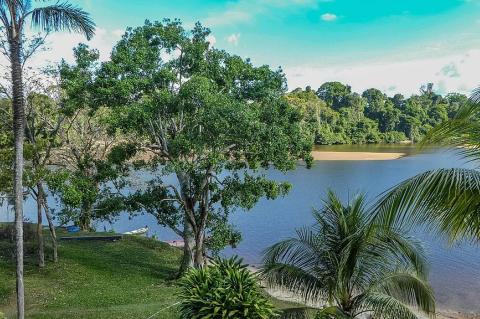
The Madre de Dios River, a vital headwater tributary of the Amazon River, forms an essential part of the Amazon River drainage basin and plays a crucial role in the geography and ecology of Peru and Bolivia. The river, originating in the Andes, flows through vast stretches of tropical rainforest, providing transportation, sustenance, and a lifeline for the sparse populations living along its banks. The river's basin is home to significant biodiversity and supports a variety of ecosystems while also serving as an essential route for the region's Indigenous peoples.

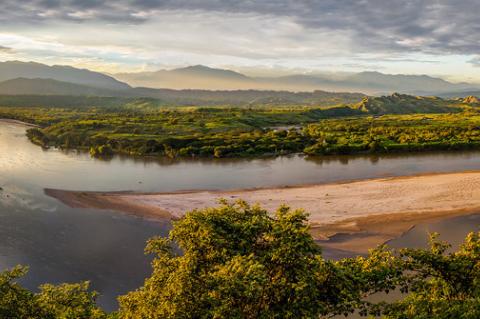
The Magdalena River and Basin: Colombia's Lifeline

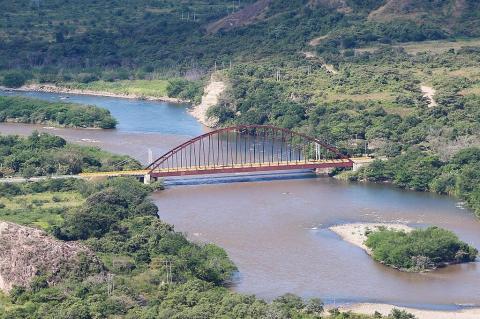
Flowing gracefully through the heart of Colombia, the Magdalena River is the country's principal waterway, weaving from the towering peaks of the Andes to the shores of the Caribbean Sea. Carving a path through diverse landscapes and ecosystems, this mighty river and its expansive basin serve as Colombia's lifeblood, nurturing vibrant communities, sustaining vital ecosystems, and running through the center of the nation's history and literature.

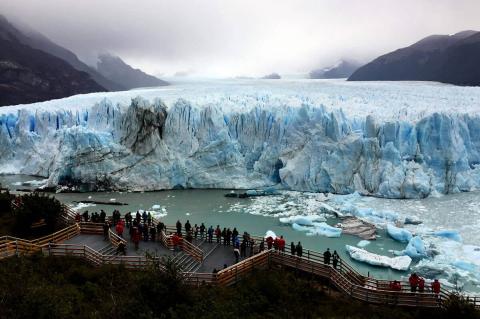
The Majesty of Ice: Exploring the Perito Moreno Glacier and Los Glaciares National Park

In the remote expanse of Argentine Patagonia, an extraordinary natural spectacle unfolds at the Perito Moreno Glacier, one of the most iconic landmarks of Argentina's Los Glaciares National Park. The glacier, known for its dramatic size, captivating beauty, and regular ruptures, symbolizes the region's glacial power and is a significant tourist destination. Located near the town of El Calafate, this massive ice formation is part of the Southern Patagonian Ice Field, one of the world's largest freshwater reserves.