Bodies of Water of South America

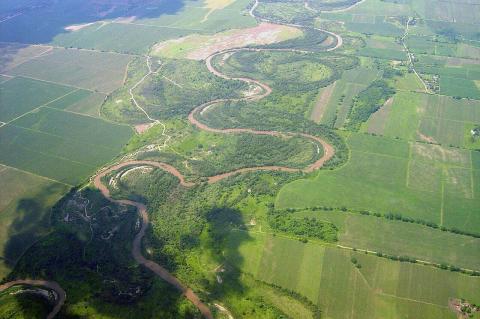
The Rupununi: A Pristine Wilderness in Guyana's Heart

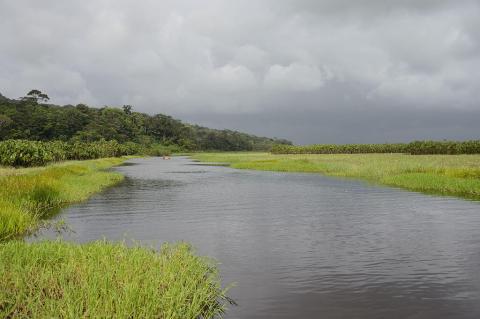
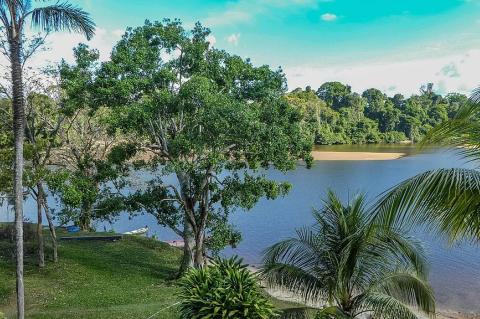
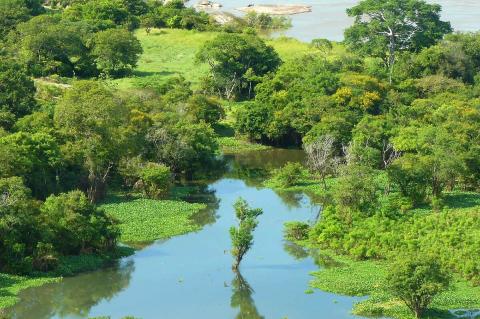
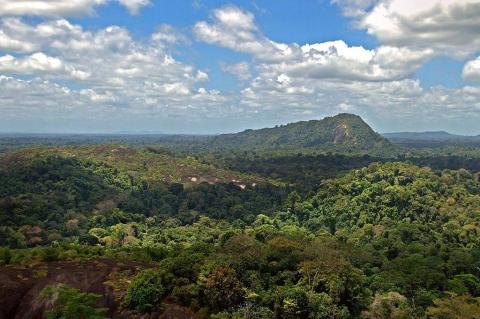
The Rupununi region in southwestern Guyana is one of the Earth's last significant wilderness areas, offering a glimpse into an ecosystem of unparalleled diversity and ecological importance. Bordering the Brazilian Amazon, this region is a complex mosaic of savannas, wetlands, forests, and rivers rich in biodiversity and cultural heritage. Divided by the Kanuku Mountains into the Northern and Southern Rupununi, this area represents one of Guyana's most unique and biologically rich landscapes.

The Salí River: Lifeline and Challenge of Northwestern Argentina

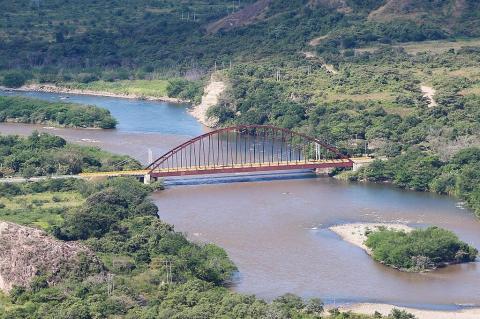
Flowing through northwestern Argentina, the Salí River serves as the region's key watercourse. Originating from precipitation in the Calchaquíes mountains and fed by streams from Sierra del Aconquija, it flows north to south through Tucumán, then southeast through Santiago del Estero, ending in the Mar Chiquita lagoon in Córdoba. The Salí-Dulce basin spans five provinces and supports nearly 2.5 million people for drinking, irrigation, industry, and hydroelectricity. However, industrial pollution, agricultural runoff, and urban waste have transformed it into one of Argentina's most contaminated river systems.

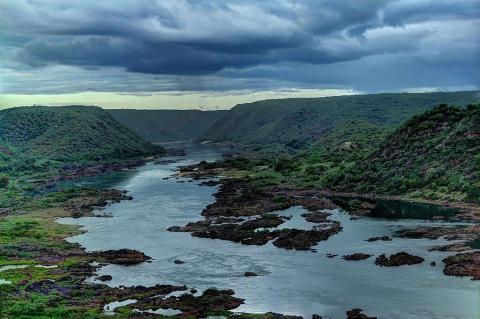
The São Francisco River: Lifeline of Northeastern Brazil

The São Francisco River, one of Brazil's most important waterways, is a crucial artery for the country's northeastern and southeastern regions. South America's fourth-largest river system is known for its pivotal role in agriculture, hydroelectric power, and transportation. The São Francisco River also holds deep cultural significance, often called "Velho Chico" or "River of National Unity." This vast river runs entirely within Brazil, fostering connections between regions and providing critical water resources for the semiarid Northeast.

The Scotia Sea and Scotia Arc: A Critical Ocean Gateway and Geological Barrier

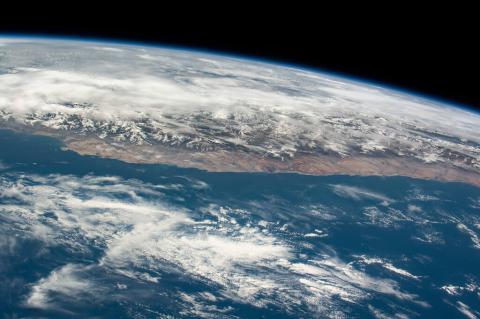
Tucked away in the remote waters between South America and Antarctica lies a remarkable ocean region known as the Scotia Sea. This dynamic body of water is critical to global ocean and climate systems, serving as a key gateway between the Atlantic and Pacific Oceans. The Scotia Arc, an arc-shaped submarine ridge and island chain, surrounds the Scotia Sea and forms a biogeographic barrier that shapes marine life distribution and influences ocean-current flow.

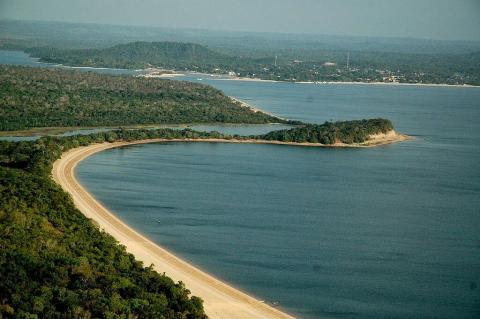
The Tapajós River: A Clearwater Giant Under Pressure

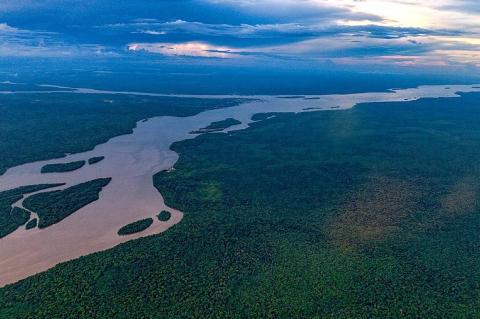
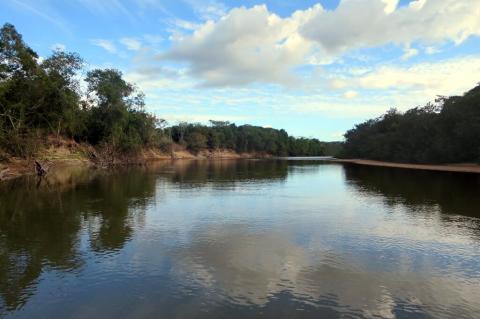
The Tapajós is one of the Amazon's largest tributaries and a major clearwater river. It forms in west-central Brazil where the Juruena and Teles Pires rivers meet, then flows north and northeast to join the Amazon River. Its basin covers the Amazon's southern edge, where ancient crystalline rock, rainforest and the northern margin of the Cerrado meet. The river carries Indigenous homelands, some of the Amazon's most active gold-mining frontier, a rapidly growing soy and corn waterway, and a long list of planned dams.

The Twin Jewels of the Caribbean: Exploring the Gulfs of Darién and Urabá

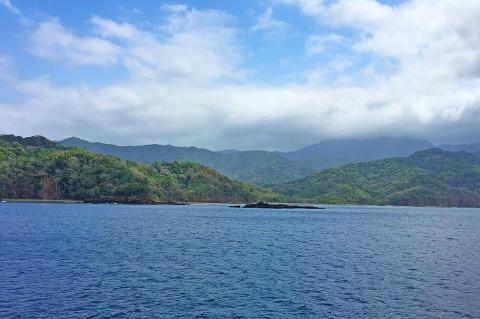
Nestled between the Caribbean Sea and the dense tropical rainforests of Central and South America lie two lesser-known yet profoundly significant bodies of water: the Gulf of Darién and the Gulf of Urabá. These gulfs, often overshadowed by their more famous regional counterparts, are geographical and ecological treasures. Within their boundaries, they hold a rich tapestry of history, vibrant ecosystems, and socio-economic dynamics that have shaped the lives of the communities around them for centuries.

The Ucayali River: A Vital Amazonian Artery of Peru

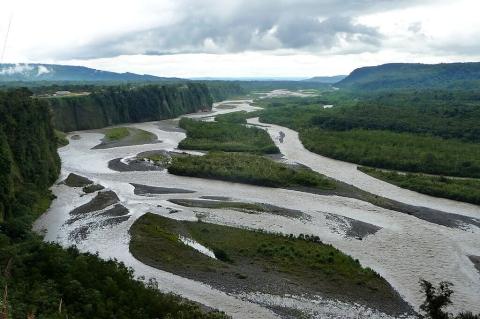
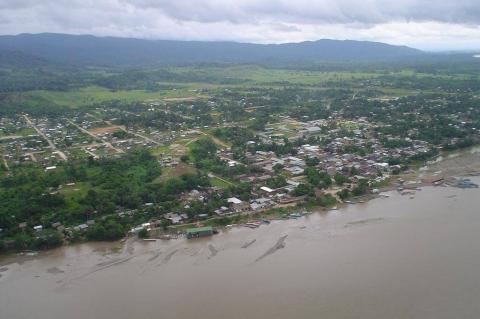
The Ucayali River flows through the heart of the Peruvian Amazon, winding its way through dense rainforests and remote communities. As one of the primary headwaters of the Amazon River, the Ucayali plays a critical role in South America's ecosystems, shaping the landscapes and providing a lifeline for wildlife and people alike. From its highland origins to its convergence with the Marañón River, where the Amazon River is officially born, the Ucayali River supports unique biodiversity, Indigenous cultures, and ongoing economic activity.

The Urubamba River: Sacred Waters from Andes to Amazon

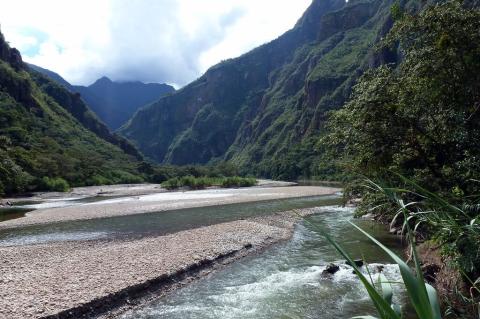
The Urubamba River, known as Willkamayu ("Sacred River") to the Incas, flows from its glacial origins in the Cordillera Vilcanota to its confluence with the Tambo River in Peru's Amazon Basin. This vital waterway traverses multiple ecological zones, supporting a diverse array of ecosystems. The river's cultural significance extends beyond its role as the Sacred Valley's agricultural lifeline—it remains central to Quechua spiritual practices and serves as the transportation corridor that enabled Inca imperial expansion while continuing to sustain Indigenous communities.

The Uruguay River: A Vital Waterway of South America

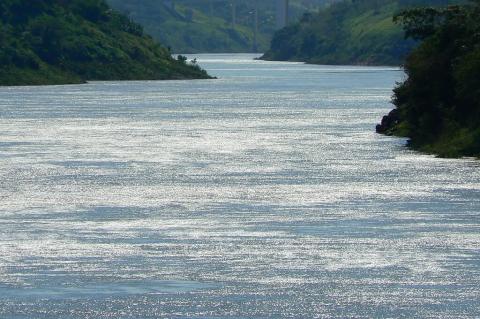
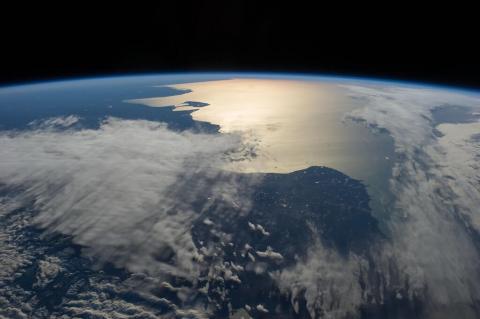
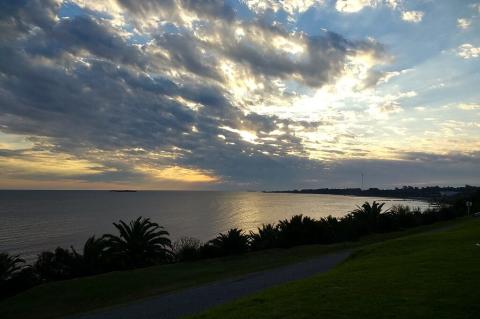
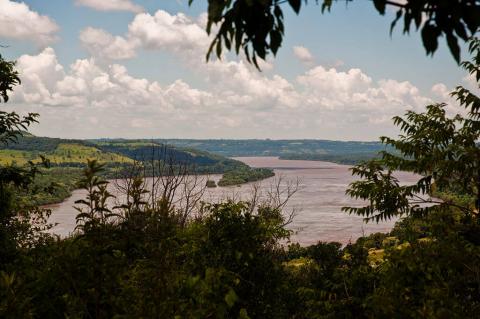
The Uruguay River is a significant fluvial system in South America. It stretches from its headwaters in Brazil's coastal range to its confluence with the Río de la Plata. As a natural boundary between Brazil, Uruguay, and Argentina, the river plays a crucial role in the region's geography, economy, and ecology. An exploration of the Uruguay River reveals its origins, course through diverse landscapes, ecological significance, and role in regional development.

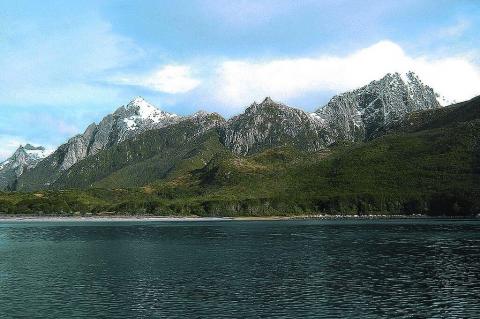
The Winding Waterways of Tierra del Fuego: Exploring the Strait of Magellan and Beagle Channel

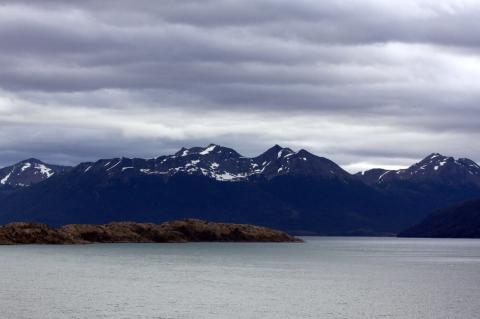
Threading through the Tierra del Fuego archipelago at the southern tip of South America, the Strait of Magellan and the Beagle Channel are the two great navigable passages that, for nearly four centuries, connected the Atlantic and Pacific oceans without requiring ships to round Cape Horn's dangerous open waters. Both waterways carry names from famous voyages of exploration, and both were home to Indigenous communities who mastered a life lived almost entirely on and around the water.