Bodies of Water of South America

The Marañón River: The Lifeblood of the Amazon's Upper Basin

Known as the "Grand Canyon of the Amazon," the Marañón River in Peru is one of South America's most significant waterways. As a principal tributary of the Amazon River, the Marañón shapes the region's geography and serves as a cradle of biodiversity and cultural heritage. It traverses diverse landscapes, from Andean highlands to tropical rainforests, playing a vital role in the ecological and economic life of the region.

The Orinoco River: South America's Arc of Life

The Orinoco River rises in the Parima Mountains of southern Venezuela and sweeps in a great arc through Venezuela and Colombia before spreading into a vast delta on the Atlantic coast. It is the third-largest river on Earth by discharge and a homeland for peoples such as the Warao, Piaroa, Ye'kwana and Yanomami. Its basin shelters river dolphins, giant otters and the critically endangered Orinoco crocodile, and it now faces mining, mercury contamination and oil-industry pressures that put much of that richness at risk.

The Paraguay River: Lifeline of South America

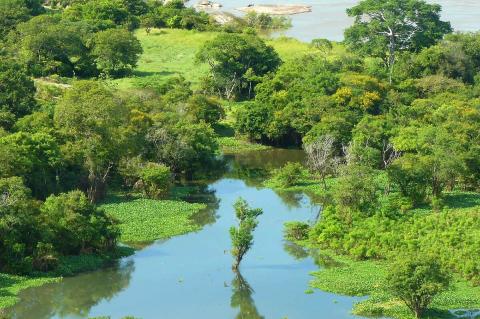
The Paraguay River, South America's fifth-largest river, is vital for the continent's southern regions. From its source in Brazil to its confluence with the Paraná River in Argentina, the river flows through Brazil, Paraguay, and Argentina. The river not only serves as a critical geographical feature but also demarcates national borders and influences the livelihoods of millions, making it one of the most significant waterways on the continent. It is crucial in maintaining biodiversity, especially in the Pantanal, one of the world's most ecologically diverse wetlands.

The Paraná River: Lifeblood of South America

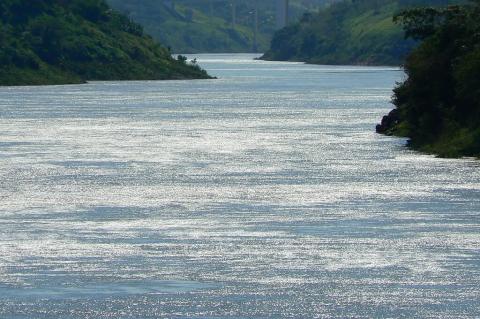
The Paraná River is an extraordinary natural feature, the second-longest river in South America after the Amazon. It traverses Brazil, Paraguay, and Argentina. Originating in southern Brazil, the Paraná River flows generally southward until it merges with the Uruguay River to form the Río de la Plata at the border of Argentina and Uruguay. This extensive river system and its encompassing basin play crucial roles in the region's environmental, economic, and cultural landscapes.

The Paranapanema River: From Source to Confluence

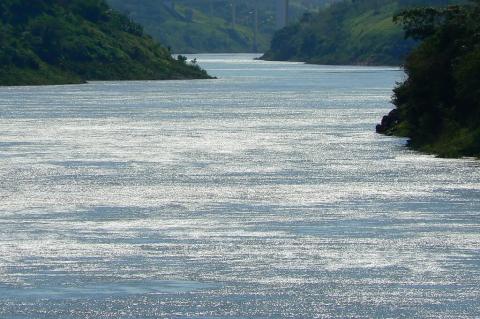
The Paranapanema River is one of the most significant rivers in southeastern Brazil. Originating in the Serra do Paranapiacaba and flowing westward until it meets the Paraná River, it traverses a rich and varied landscape. It is a crucial water source for numerous ecosystems and a vital component of the region’s economy, supporting agriculture, hydropower, and local communities.

The Patuca River: Lifeline of Eastern Honduras

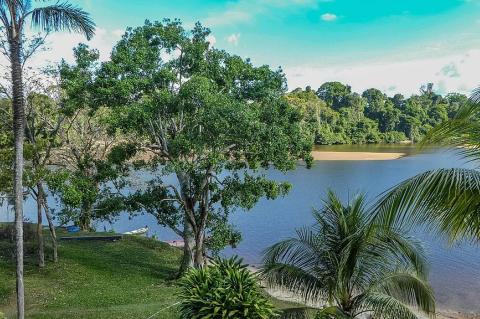
The Patuca River is the longest and most significant river in Honduras. It flows from the mountains of central Honduras to the Caribbean Sea and shapes the geography, ecology, and culture of the eastern region of the country. The river supports a wide array of ecosystems and human settlements. Despite its ecological importance, the river faces challenges from deforestation, hydroelectric projects, and climate change.

The Putumayo River: A Vital Corridor of Life and Culture

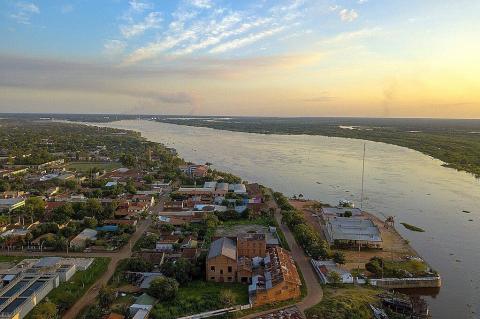
Flowing through the dense rainforests of South America, the Putumayo River—known as the Içá River in Brazil—is a lifeline for the Amazon basin. Stretching across Colombia, Ecuador, Peru, and Brazil, this transboundary river is a vital ecological, cultural, and economic resource for the region. Its diverse ecosystems, rich cultural heritage, and pivotal role in local and international trade make it a key feature of South America's natural landscape.

The Río de la Plata: A Confluence of Majesty

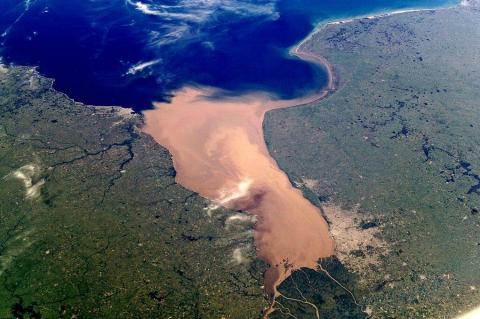
Carving a vast and imposing presence along the southeastern coastline of South America, the Río de la Plata stands as a monumental estuary and drainage basin, a tapering intrusion of the Atlantic Ocean stretching its embrace between Uruguay and Argentina. This immense waterway, often regarded as a gulf, a marginal sea, or even the world's widest river, is a testament to the continent's awe-inspiring natural grandeur.

The Río Negro: Lifeblood of Argentine Patagonia

Flowing through the vast expanse of Argentine Patagonia, the Río Negro is one of the most significant rivers in South America. Renowned for its striking natural beauty, ecological importance, and cultural heritage, the river carves its way through diverse landscapes and serves as a crucial lifeline for the region. By examining its geographical origins, ecological dynamics, cultural significance, and modern challenges, the Río Negro emerges as a symbol of resilience and interconnectedness.

The Río Negro: Majestic Heart of the Amazon

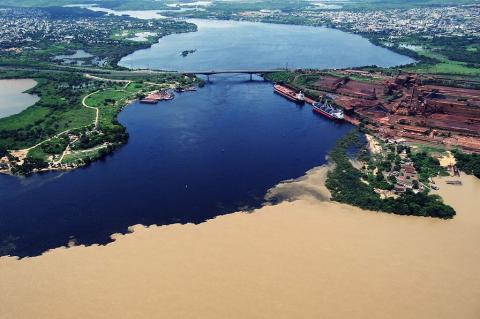
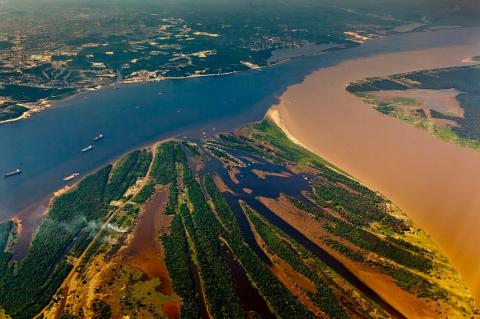
Flowing majestically through the heart of the Amazon rainforest, the iconic Río Negro stands as one of the most significant tributaries of the mighty Amazon River. Renowned for its distinctive blackwater and immense size, the Río Negro is not only a vital component of the Amazon basin but also a captivating natural wonder that draws explorers and adventurers from around the globe.