Landforms of South America

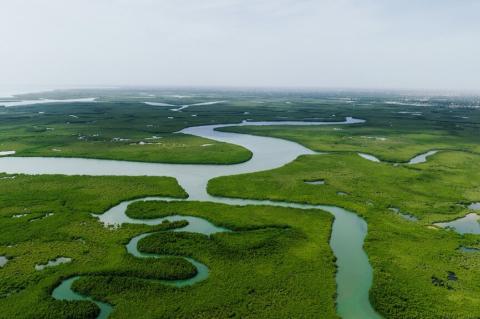
Juruá River: A Meandering Giant of the Amazon

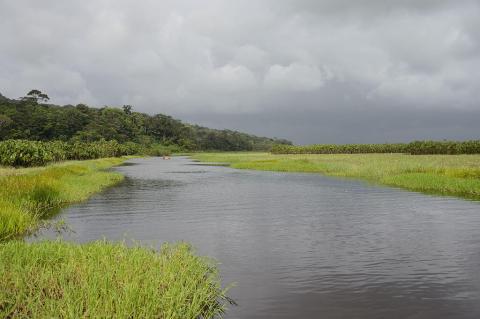
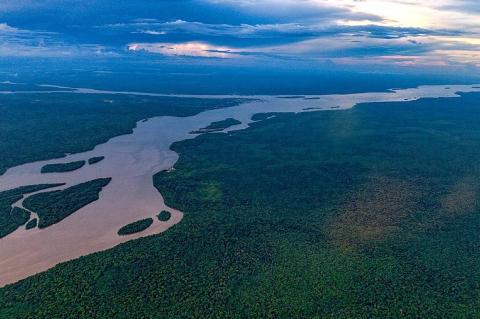
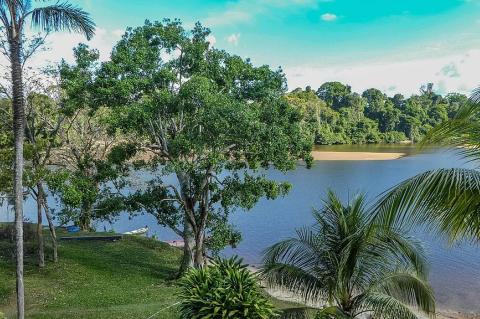
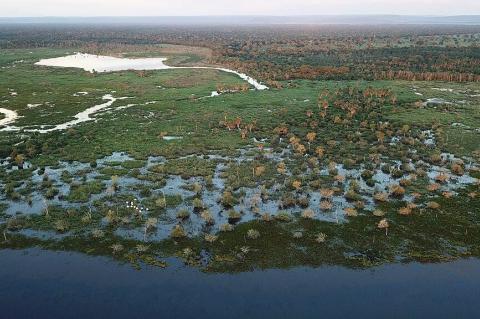
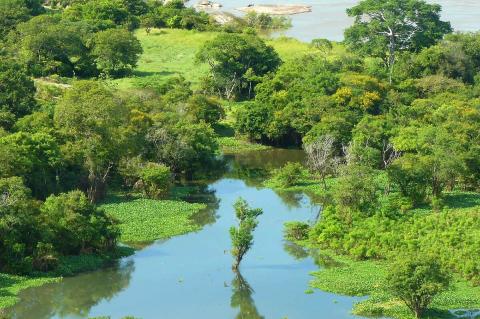
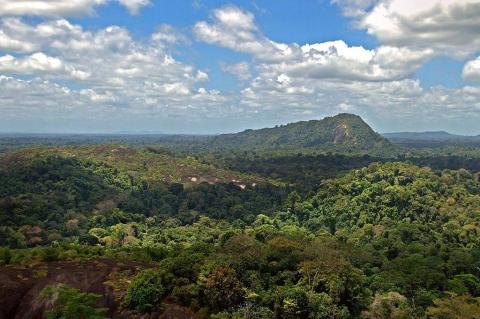
The Juruá River, one of the longest and most winding tributaries of the Amazon River, is a crucial component of the Amazon Basin's intricate hydrological network. Originating in the highlands of Peru and snaking its way through the lowlands of Brazil, the Juruá River plays a vital role in shaping the region's ecology, supporting diverse ecosystems, and influencing the lives of those who inhabit its banks.
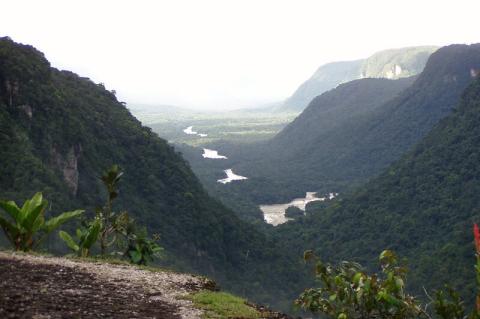
Kaieteur Falls: The Power and Beauty of Guyana’s Hidden Gem

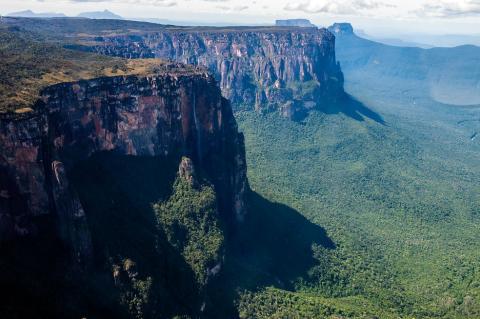
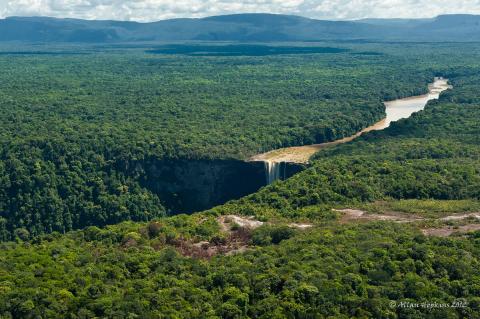
Kaieteur Falls, located in the heart of Guyana's Potaro-Siparuni region, stands as one of the most breathtaking natural wonders in the world. Plunging from a sandstone plateau into a deep gorge, it is the largest single-drop waterfall by water volume. Surrounded by the lush rainforests of Kaieteur National Park, this iconic feature of the Guyanese landscape attracts thousands of visitors yearly. With a blend of awe-inspiring natural beauty, rich biodiversity, and cultural legends, Kaieteur Falls and its national park offer a window into the untamed wilderness of the Guiana Shield.
La Guajira: Desert, Mountains, and Indigenous Heritage

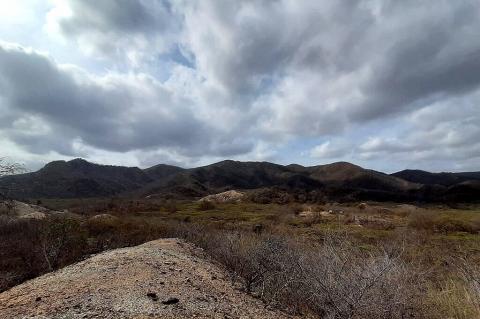
The La Guajira Peninsula, located at the northernmost tip of South America, is home to the vast and mesmerizing La Guajira Desert, the lush Serranía de Macuira mountain range, and the protected Macuira National Natural Park. This unique region of northern Colombia, extending slightly into Venezuela, boasts a remarkable diversity of ecosystems, indigenous cultures, and significant natural resources.

Lake Llanquihue and Osorno Volcano: Treasures of Chile's Lake District

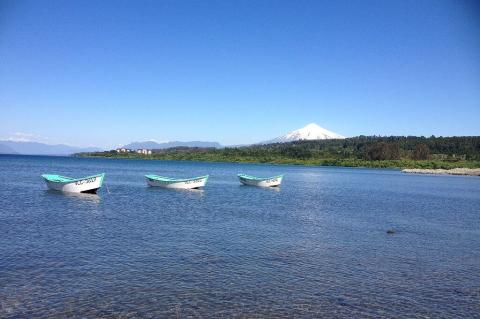
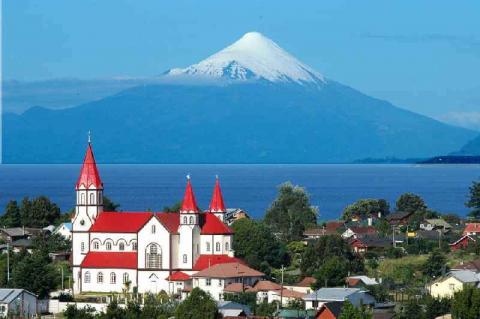
Nestled in the heart of Chile's enchanting Lake District lies Lake Llanquihue, a sprawling body of water renowned for its scenic beauty and cultural significance. With its vast expanse of dark waters and striking black sand shores, Lake Llanquihue captivates the imagination. Situated between Osorno Province and Llanquihue Province, Osorno Volcano commands attention with its snow-capped peak and dramatic silhouette, creating a striking contrast against the azure waters of Lake Llanquihue.

Lake Titicaca: Ancient Waters of the Andes

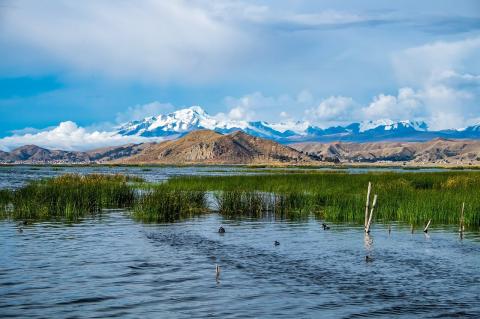
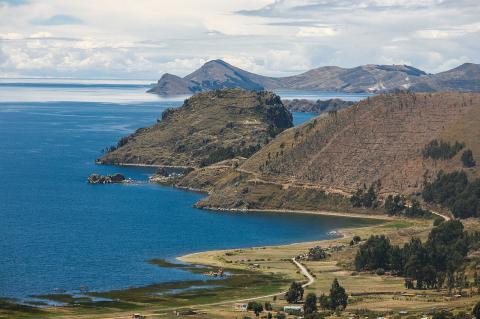
Lake Titicaca is one of the highest navigable lakes in the world. It is situated at the northern end of the Altiplano basin, on the border of Peru and Bolivia in the Andes Mountains. With a history dating back millions of years, Lake Titicaca is the largest lake in South America by volume and holds great cultural and ecological significance. The lake has always been an integral part of indigenous cultures and provides a habitat for a wide range of biodiversity, including over 530 aquatic species.

Licancabur Volcano: A Sacred Andean Colossus

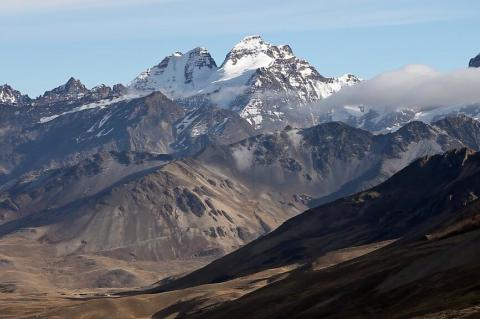
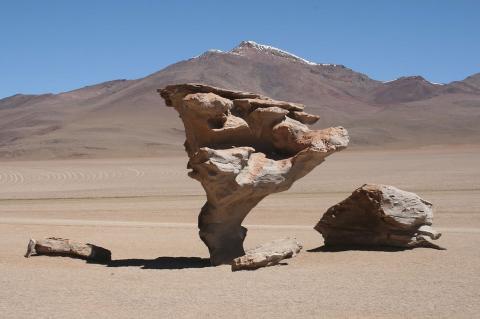
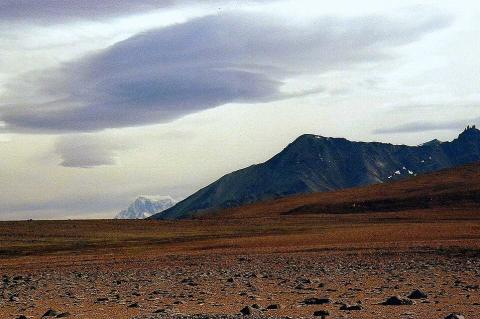
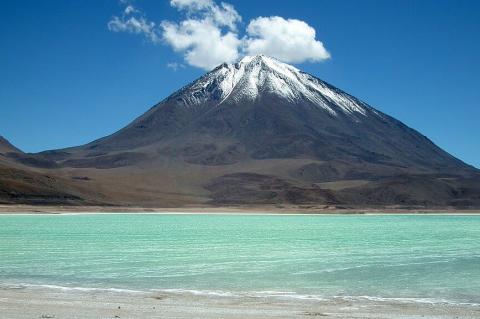
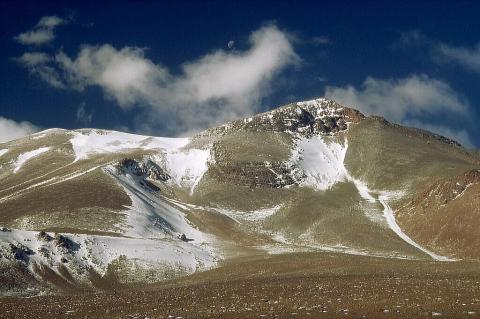
Towering above the arid landscapes of the Atacama Desert, where the borders of Bolivia and Chile converge, stands the majestic Licancabur Volcano. This imposing stratovolcano, with its symmetric cone, is a testament to the geological forces shaping the Andean landscape. Licancabur is a captivating natural wonder and a sacred site revered by the Atacameño people, who have long held it in high esteem. Beyond its cultural significance, this volcanic behemoth offers a unique glimpse into the region's geological history.

Llullaillaco Volcano and National Park: Chile's High-Altitude Archaeological Sanctuary

Rising from the remote stretches where Chile meets Argentina, Llullaillaco volcano stands as one of South America's most remarkable monuments to both natural forces and human achievement. This massive stratovolcano holds the distinction of being the world's second-highest active volcano and, remarkably, the site of the world's highest archaeological discovery. Llullaillaco National Park, which spans the eastern slopes, was established to protect this unique ecosystem and its invaluable cultural heritage.

Los Roques: Venezuela’s Coral Crown in the Caribbean

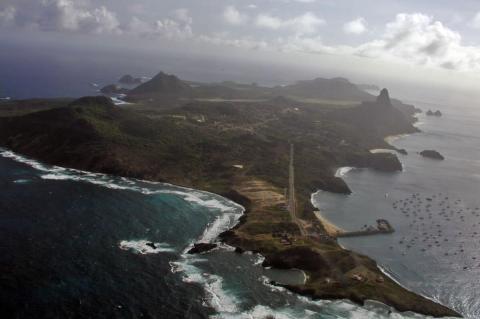
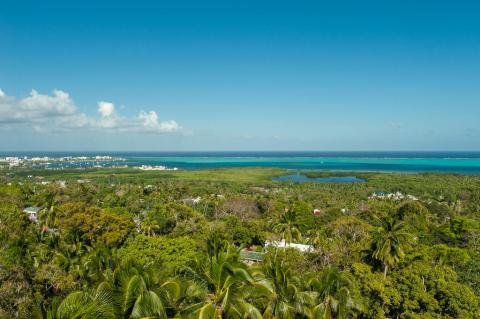
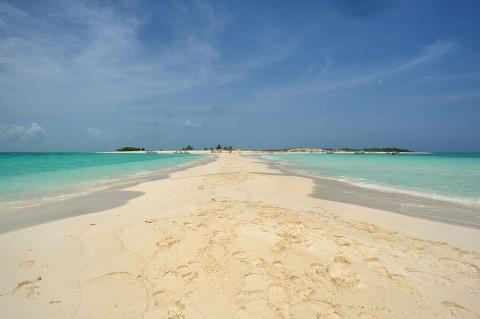
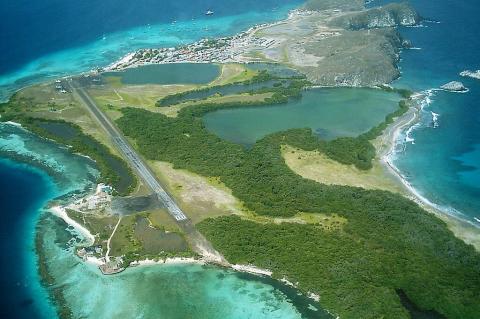
Los Roques is a pristine archipelago in the Caribbean Sea, situated north of Venezuela's central coast. This stunning collection of islands, cays, and sandbanks forms a unique coral atoll encompassing a central shallow lagoon surrounded by vibrant coral reefs and mangroves. The area is renowned for its natural beauty, biodiversity, and clear turquoise waters, making it one of the most important marine environments in the southern Caribbean.

Madeira River: A Lifeline of the Amazon Basin

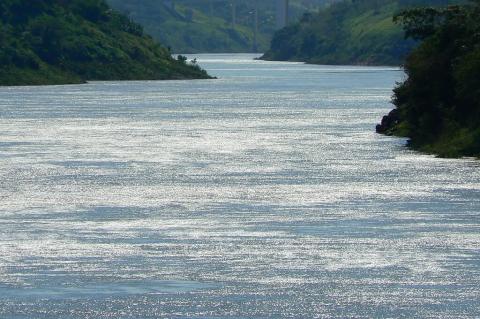
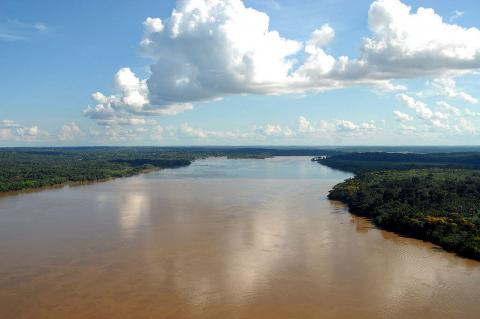
The Madeira River is one of South America's most significant waterways, playing a crucial role in the hydrology of the Amazon Basin. It is the largest and most important tributary of the Amazon River, making it a vital component of the region's ecosystem. Spanning Bolivia and Brazil, this mighty river traverses diverse landscapes and supports an array of flora and fauna, underscoring its importance as both a natural resource and a habitat.

Magdalena River and Basin: Colombia's Lifeline

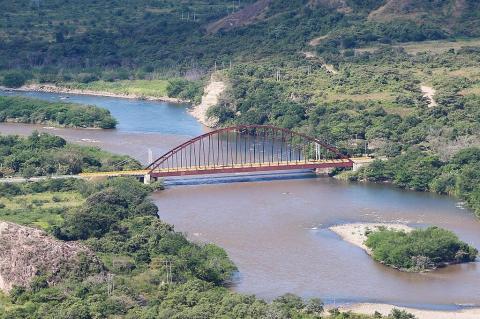
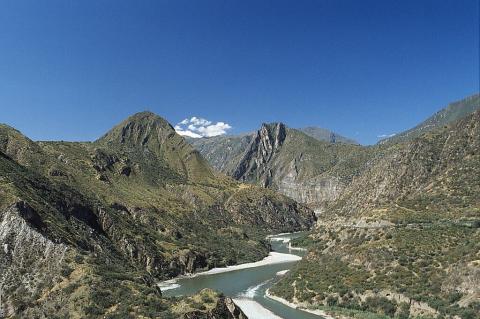
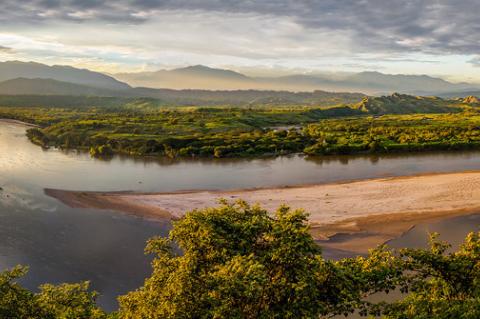
Flowing gracefully through the heart of Colombia, the Magdalena River stands as the country's principal waterway, weaving its way from the towering peaks of the Andes to the sun-kissed shores of the Caribbean Sea. Carving a path through diverse landscapes and ecosystems, this mighty river and its expansive basin serve as the lifeblood of Colombia, nurturing vibrant communities, sustaining vital ecosystems, and shaping the nation's cultural and economic landscape.