Mexico

The Valley of Mexico: Where Ancient Civilizations Thrived

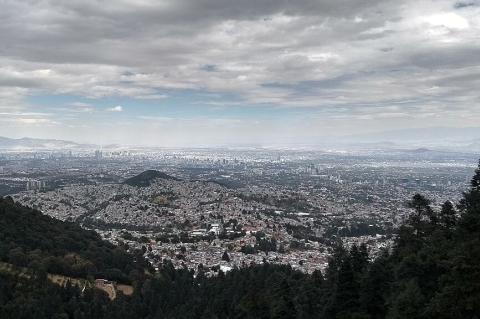
The Valley of Mexico, located within the Trans-Mexican Volcanic Belt, is a closed basin that has been a focal point of human settlement and cultural development for thousands of years. Its fertile volcanic soils have attracted and sustained complex societies, leaving an indelible mark on the history and heritage of Mesoamerica. From the ancient city of Teotihuacán to the majestic capital of the Aztec Empire, the Valley of Mexico has been the cradle of civilization and a cultural epicenter. It continues to thrive as the vibrant heart of Mexico.

The Wixárika Route through Sacred Sites to Wirikuta (Tatehuarí Huajuyé): Mexico's Sacred Pilgrimage Path

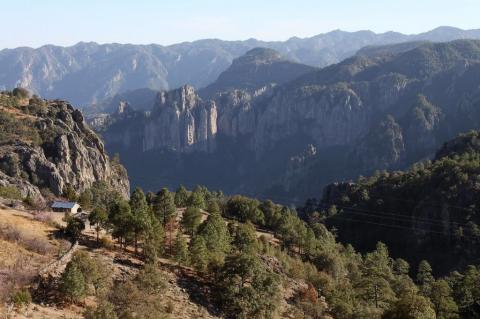
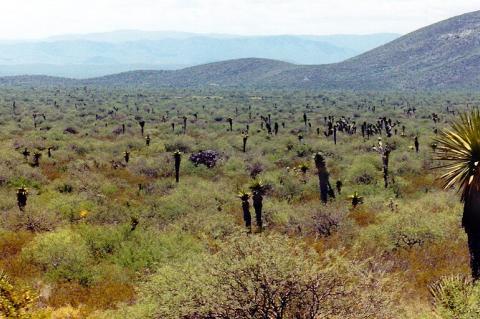
In north-central Mexico, an ancient network of sacred pathways connects mountains, deserts, and valleys, linking the spiritual heart of the Wixárika culture to their sacred site. The Wixárika Route through Sacred Sites to Wirikuta, called Tatehuarí Huajuyé in Wixárika, is a major pre-Columbian pilgrimage route still used today. Recently recognized by UNESCO, it spans five Mexican states with 20 sacred sites that form the cultural core of Wixárika civilization. More than a trail, it embodies a living cosmology where landscape, spirituality, agriculture, and community converge, maintaining a tradition over a millennium.

The Yucatán Peninsula: A Living Testament to Time

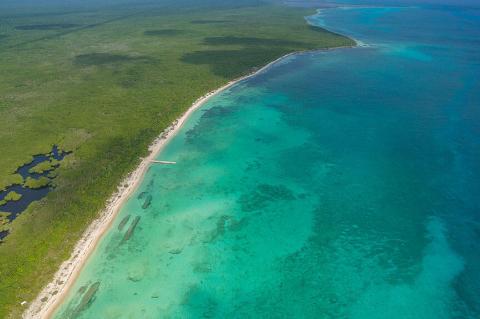
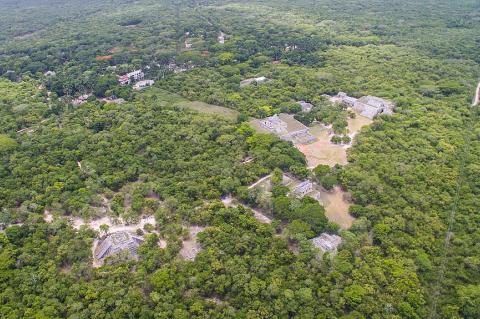
Suspended between the waters of the Gulf of Mexico and the Caribbean Sea, the Yucatán Peninsula is one of the most geologically and culturally distinctive regions in the Americas. This vast limestone platform, covering approximately 181,000 sq km, spans the Mexican states of Campeche, Quintana Roo, and Yucatán, and extends southward into Belize and Guatemala. Here, the peninsula's foundations tell a story that stretches from a cataclysmic asteroid impact to the rise of one of the ancient world's most sophisticated civilizations.

The Zapotec and Mixtec: Builders of Mountain Kingdoms

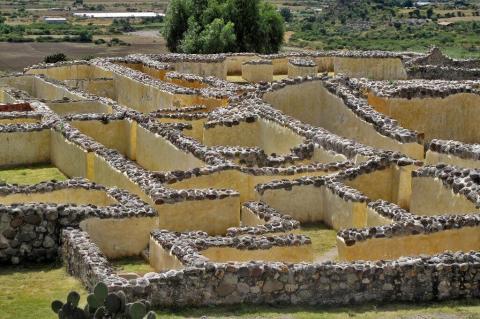
The influential indigenous cultures of Mesoamerica, the Zapotec and Mixtec civilizations, thrived in what is now Oaxaca, Mexico. The Zapotecs, one of the earliest complex societies, developed a sophisticated political and religious system, built impressive urban centers like Monte Albán, and created an early writing system. The Mixtecs gained prominence after the Zapotecs' decline and are known for their artistic achievements, codices, and intricate metalwork. Both left legacies that shaped Oaxaca's cultural landscape and continue to influence Indigenous communities today.

Tiburón Island: Where Desert Meets Sea

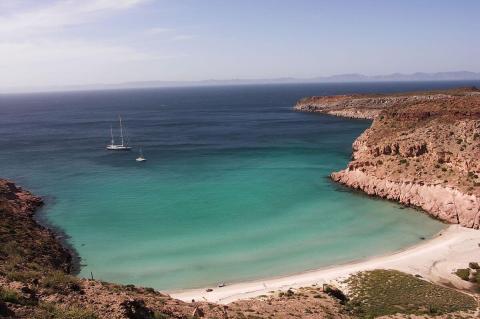
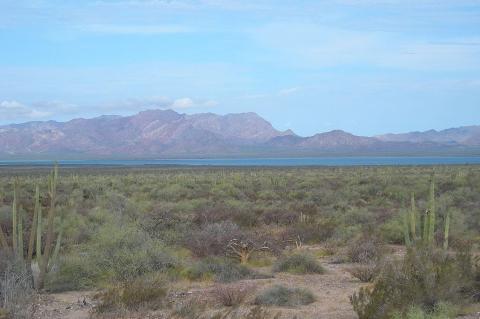
Tiburón Island, located in the Gulf of California, is Mexico's largest island and a treasure trove of ecological, cultural, and geological significance. With its striking desert landscapes, unique biodiversity, and rich Indigenous heritage, it is a vital component of the region's natural and cultural fabric. This protected landmass offers a pristine environment that has drawn the attention of ecologists, adventurers, and historians alike.

Tijuana: Gateway to Mexico's Vibrant Border City

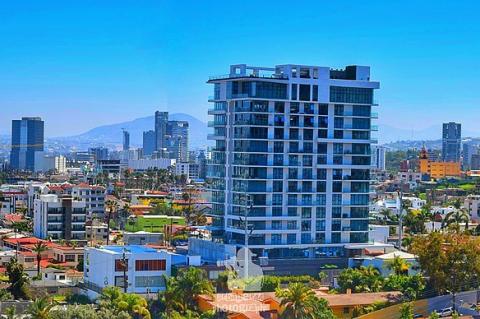
Tijuana, a bustling metropolis at the northern tip of Baja California, is far more than a border city—it is a dynamic cultural and economic hub. With its rich history rooted in Indigenous Kumeyaay traditions and shaped by centuries of migration and trade, Tijuana has become a melting pot of global influences. Known as the gateway to Mexico, Tijuana attracts millions of visitors annually with its innovative culinary scene, vibrant arts, and lively atmosphere.

Tlacotalpan: A Spanish Colonial River Port on the Papaloapan

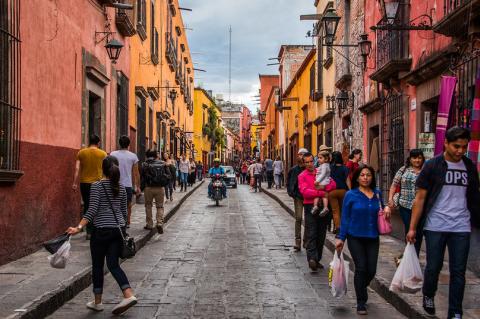
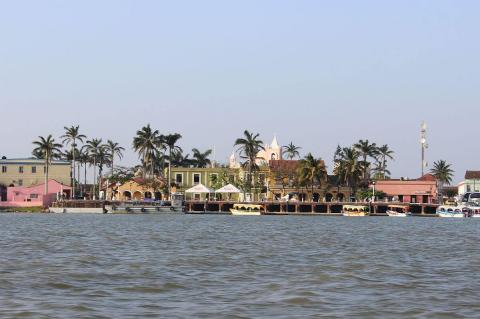
Tlacotalpan, a historic Spanish colonial river port on Mexico's Gulf Coast, is a remarkable example of 16th-century urban planning and architecture. Designated as a UNESCO World Heritage Site, the town is notable for its unique river port setting, colorful colonnaded houses, wide streets, and lush public spaces. Tlacotalpan's preservation offers a glimpse into the historical townscape of Mexico's colonial past, showcasing a blend of Caribbean and Spanish architectural traditions.

Trans-Mexican Volcanic Belt Pine–Oak Forests Ecoregion: Nature's Haven in South-Central Mexico

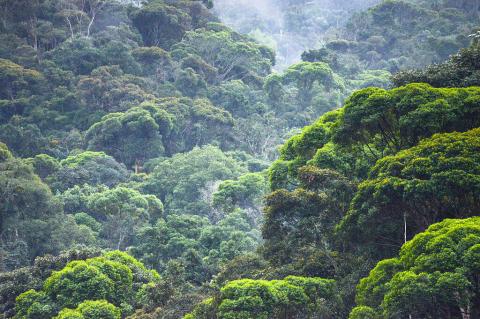
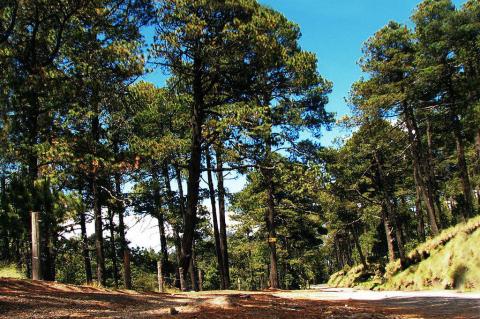
The Trans-Mexican Volcanic Belt Pine-Oak Forests Ecoregion is located in south-central Mexico. It boasts a stunning variety of biodiversity, characterized by a unique blend of landscapes dominated by pine and oak. Encompassing several states, this ecoregion holds substantial ecological importance, providing a sanctuary for a diverse range of plant and animal species.

Unraveling the Layers of History: The Centro Histórico of Mexico City

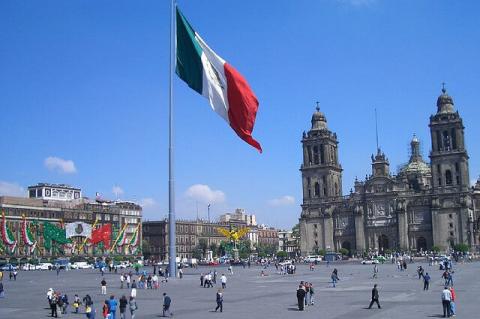
Centro Histórico, the historic center of Mexico City, emerges as the pulsating heart of the Mexican capital, where the rich combination of history, culture, and architecture unfolds in a captivating panorama. Stretching outward from the iconic Zócalo, this historic district encapsulates landmarks like the National Palace, Metropolitan Cathedral, Palace of Fine Arts, Old Portal de Mercaderes, and the verdant expanse of Alameda Central Park.

Unraveling the Secrets of Tulum: A Coastal Gem of the Maya Civilization

Nestled along Mexico's Caribbean coastline in Quintana Roo state, the ancient walled city of Tulum stands as a remarkable testament to the ingenuity and resilience of the Maya civilization. This pre-Columbian marvel, once a major port for the nearby city of Coba, has captured the imagination of visitors worldwide, offering a rare glimpse into the Maya people's strategic fortifications and architectural marvels. Originally known as Zamá, Tulum earned its current name from the Yucatec Maya word for "wall" or "fence," a fitting descriptor for one of the few fortified Maya cities.