Mexico

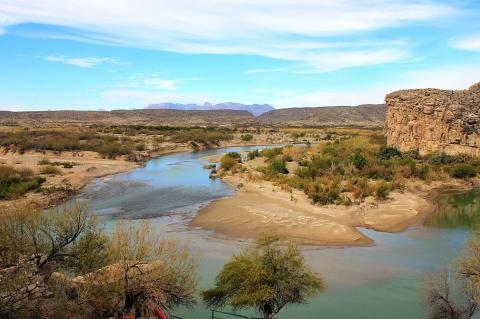
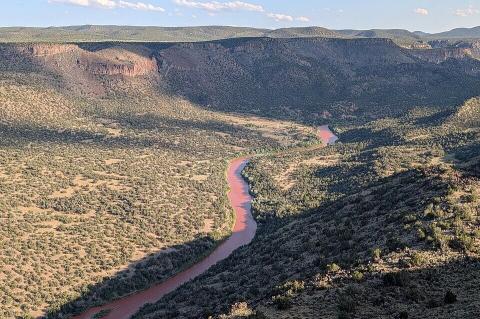
Río Bravo del Norte: The Great River That Unites and Divides Two Nations

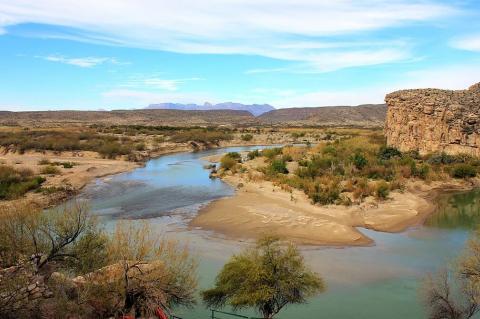
In the high peaks of Colorado's San Juan Mountains, where crystalline streams gather force from melting snowfields, one of North America's most culturally and politically significant waterways begins. Known as the Rio Grande in the United States and Río Bravo del Norte in Mexico, this continental river spans 3,051 km (1,896 mi) as it carves its path from alpine tundra to tropical delta, ultimately serving as the international boundary between the two nations.

Rio Grande / Río Bravo del Norte: A River, Two Names, One Shared Story

Known as the Rio Grande in the United States and the Río Bravo del Norte in Mexico, this 3,051-km (1,896-mi) river runs from Colorado's San Juan Mountains to the Gulf of Mexico, forming roughly 2,000 km (1,240 mi) of international border along the way. This overview treats the whole river and both nations' relationships to it on equal terms and serves as the primary reference for the river's US course, alongside a dedicated article covering its course through Mexico in greater depth.

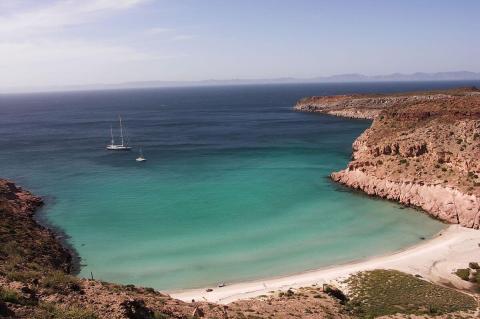
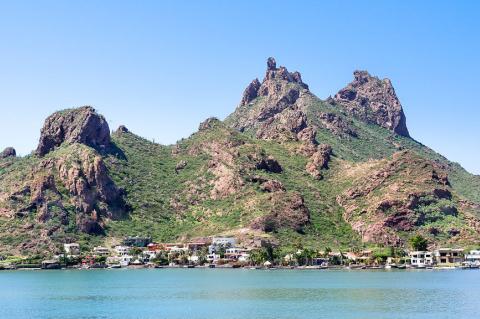
San Carlos and Cerro Tetakawi: A Coastal Haven in Sonora

San Carlos, a picturesque coastal town in the Mexican state of Sonora, is celebrated for its stunning landscapes, azure waters, and vibrant marine life. Nestled along the Gulf of California, this charming destination is a haven for adventurers, beachgoers, and eco-tourists. Overlooking the town and standing as an iconic symbol of the region is Cerro Tetakawi, a dramatic peak offering breathtaking views and a profound connection to the area's natural heritage.

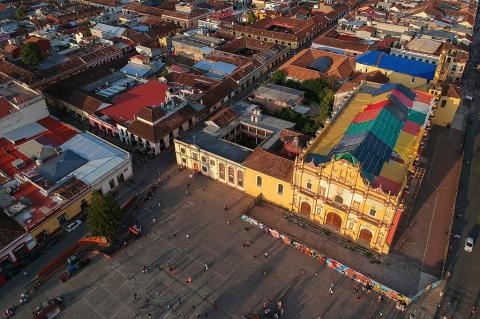
San Cristóbal de las Casas: A Jewel in the Highlands of Chiapas

San Cristóbal de las Casas, nestled in the verdant highlands of Chiapas, Mexico, is a city that enchants with its cobblestone streets, colonial architecture, and vibrant Indigenous culture. This picturesque town offers a cool climate and stunning mountain vistas, making it a favorite destination for travelers seeking an authentic and immersive cultural experience. Known for its dynamic markets, rich traditions, and commitment to social and environmental causes, San Cristóbal is a historical treasure and a hub for cultural exploration.

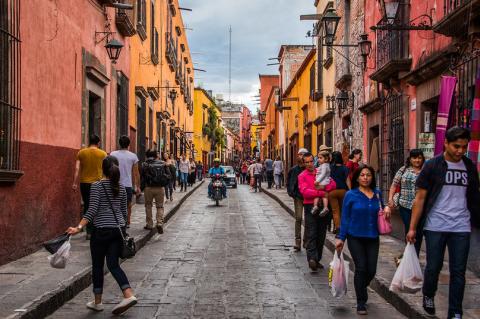
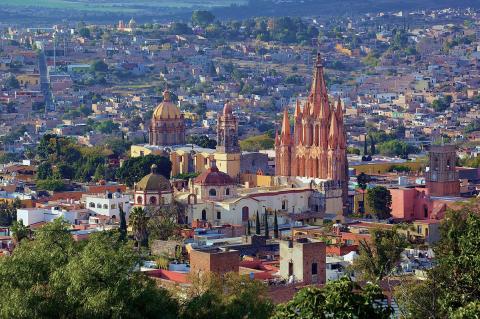
San Miguel de Allende: Weaving the Threads of Mexican History, Culture, and Architectural Splendor

Situated in the highlands of the Bajío region, San Miguel de Allende, a city in the eastern part of Guanajuato, Mexico, offers a captivating blend of history, culture, and architectural elegance. Closely linked with the nearby Sanctuary of Jesús Nazareno de Atotonilco, the city is a testament to the vibrant legacy of Mexican Baroque art and its pivotal role in the country's historical narrative. Recognized as a UNESCO World Heritage Site, San Miguel de Allende is a living testament to the convergence of diverse cultures.

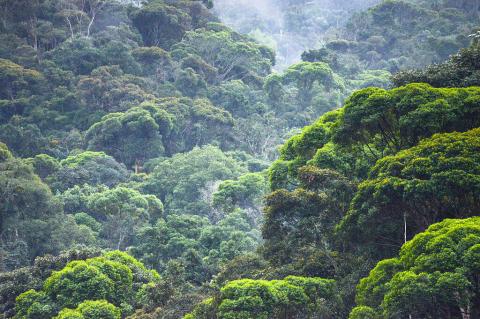
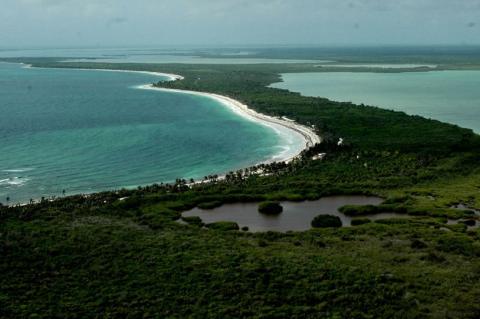
Sian Ka'an: Mexico’s Hidden Ecological and Cultural Gem

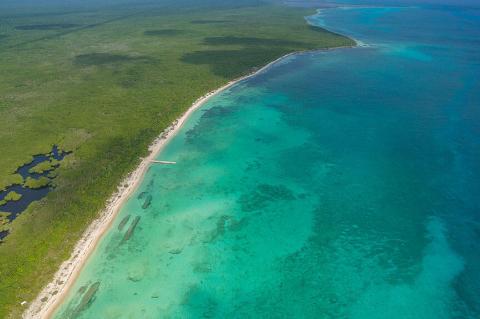
On the eastern edge of the Yucatán Peninsula lies one of the world's most ecologically diverse and culturally significant areas—the Sian Ka'an Biosphere Reserve. Its name, meaning "Origin of the Sky" in the Mayan language, reflects the ancient reverence for this region, where the sea meets the sky in a magnificent display of natural beauty. Stretching across marine, coastal, and terrestrial ecosystems, Sian Ka'an is a sanctuary for rare and endangered species and a testament to the ecological and cultural wealth of the Yucatán.

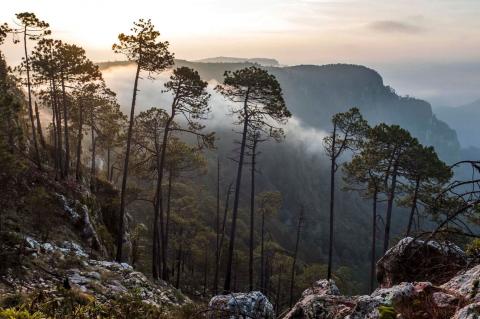
Sierra de Huautla: A Sanctuary for Mexico's Endemic Species

The Sierra de Huautla Biosphere Reserve, located in the Balsas River basin of south-central Mexico, is a critical conservation area encompassing diverse ecosystems and species. This mountainous region, a southern extension of the Trans-Mexican Volcanic Belt, is recognized for its varied topography. The reserve's diverse habitats make it a significant reservoir of endemic species, contributing to Mexico's status as one of the world's most biodiverse countries.

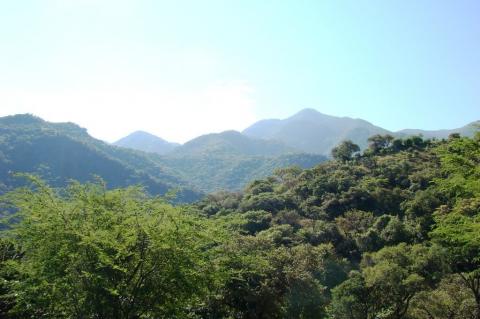
Sierra de Manantlán: Preserving Mexico's Natural and Cultural Heritage

The Sierra de Manantlán Biosphere Reserve in western Mexico is a unique natural sanctuary renowned for its ecological and cultural significance. Encompassing a vast expanse of diverse habitats, this Reserve straddles the transition zone between the Nearctic and Neotropical biogeographic realms, incorporating sections of the majestic Sierra Madre del Sur. Its strategic location and varied topography contribute to its critical role in preserving Mexico's rich biodiversity.

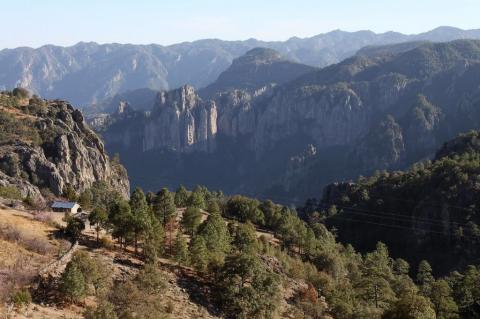
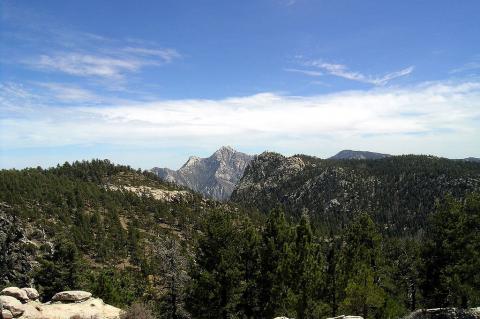
Sierra de San Pedro Mártir National Park: A Sky Island in Baja California

Nestled within the rugged Peninsular Ranges of northwestern Mexico, Sierra de San Pedro Mártir National Park is a remarkable natural oasis—an actual "sky island" where unique and endemic species thrive amid the arid landscapes of the Baja California Peninsula. This national park is a haven for outdoor enthusiasts, offering diverse natural wonders, from snow-capped peaks to verdant pine forests and granite rock formations.

Sierra La Laguna Biosphere Reserve: A Haven of Biodiversity in Baja California

The Sierra La Laguna Biosphere Reserve, located in the southern part of Mexico's Baja California Peninsula, is a remarkable sanctuary of biodiversity nestled within the Sierra de la Laguna mountain range. This extensive reserve, part of the Peninsular Ranges System, is characterized by its unique ecosystems and significant hydrological importance. The reserve is a vital conservation area that supports a wide variety of endemic species.