
The Mesoamerican Biological Corridor: Central America's Lifeline for Wildlife Conservation
The Mesoamerican Biological Corridor is a remarkable conservation initiative in Central America that stands as a beacon of biodiversity preservation. Stretching from Mexico to Panama, this corridor encompasses a diverse mosaic of ecosystems and serves as a critical link between protected areas.
From Mexico to Panama: How the Mesoamerican Corridor Connects Life Across Nations
From the emerald canopies of Mexico's Lacandon rainforest to Panama's pristine cloud forests, an extraordinary conservation network spans the heart of the Americas. The Mesoamerican Biological Corridor (MBC) represents one of the world's most ambitious biodiversity preservation initiatives, weaving together a living tapestry of ecosystems across eight nations and nearly two million square kilometers (770,000 square miles).
This transnational conservation marvel connects fragmented habitats, creating vital pathways for wildlife movement while protecting some of Earth's most biodiverse regions. More than just a collection of protected areas, the MBC embodies a revolutionary approach to conservation that recognizes no political boundaries in nature's grand design.
A Vision Born from Necessity
The late 20th century brought alarming revelations about Central America's environmental crisis. Deforestation rates soared, habitats fragmented, and countless species faced extinction. Traditional conservation approaches—isolated parks and reserves—proved insufficient against these mounting pressures.
The MBC concept emerged in the 1990s as conservationists recognized a fundamental truth: wildlife doesn't acknowledge borders, and neither should conservation efforts. In 1997, a coalition of Central American governments, international organizations, and NGOs formalized this vision, creating the framework for what would become the world's largest biological corridor.
This groundbreaking initiative represented a paradigm shift from fortress-style conservation to landscape-scale connectivity, acknowledging that ecosystems function as interconnected webs rather than isolated islands.
A Continent-Spanning Tapestry
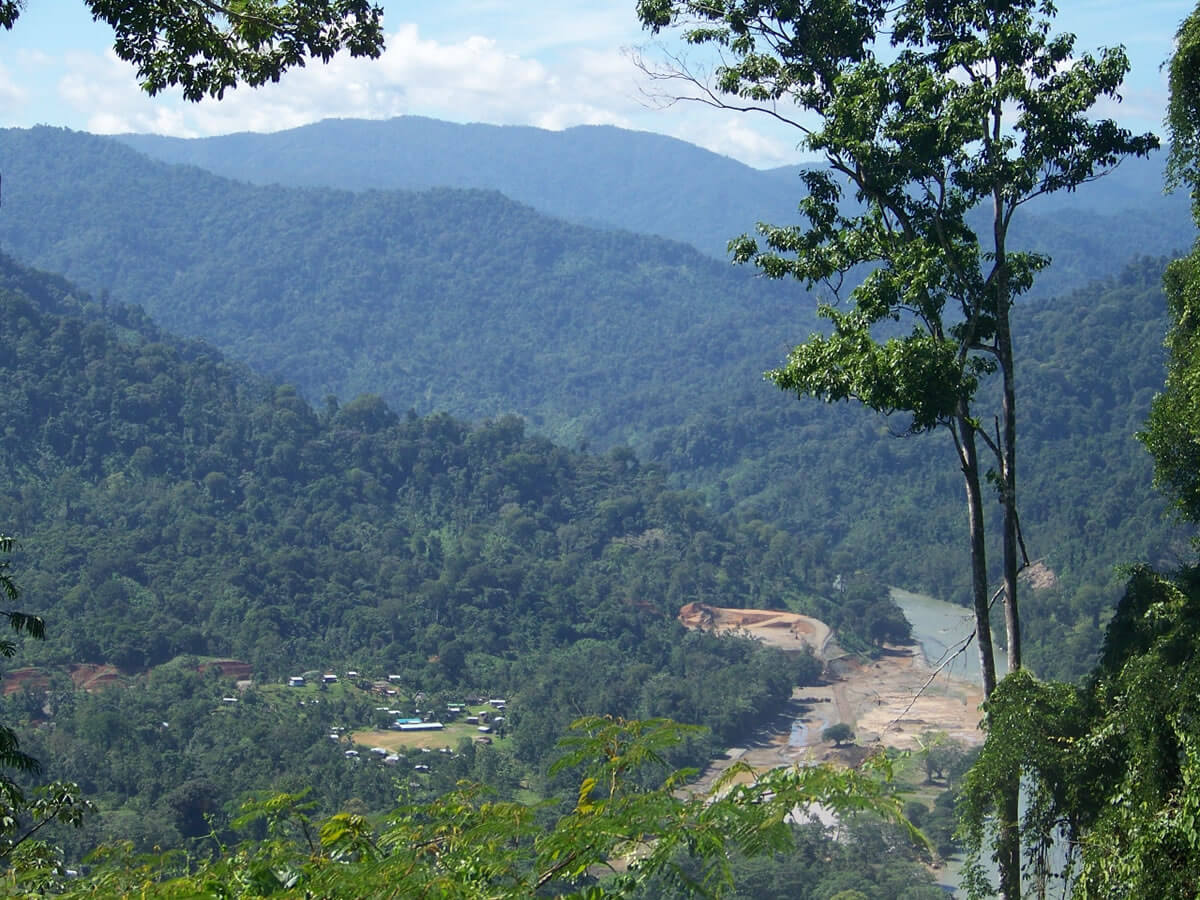
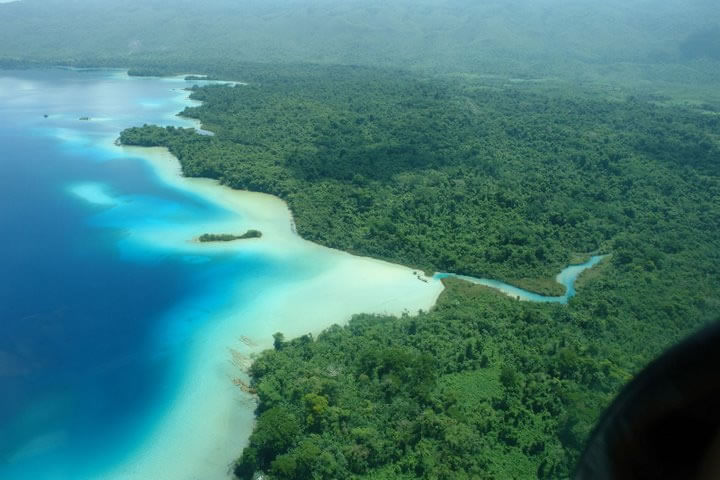
Stretching across 1.9 million square kilometers (733,600 square miles), the MBC encompasses an extraordinary diversity of landscapes. From Mexico's Yucatan Peninsula to Panama's Darien Province, this corridor traverses tropical rainforests, montane cloud forests, coastal mangroves, highland páramos, and everything in between.
Each participating nation—Mexico, Belize, Guatemala, El Salvador, Honduras, Nicaragua, Costa Rica, and Panama—contributes unique ecosystems to this continental mosaic. The corridor's genius lies not in creating new protected areas, but in connecting existing ones through strategic habitat restoration and sustainable land management practices.
Ecosystems That Define a Region
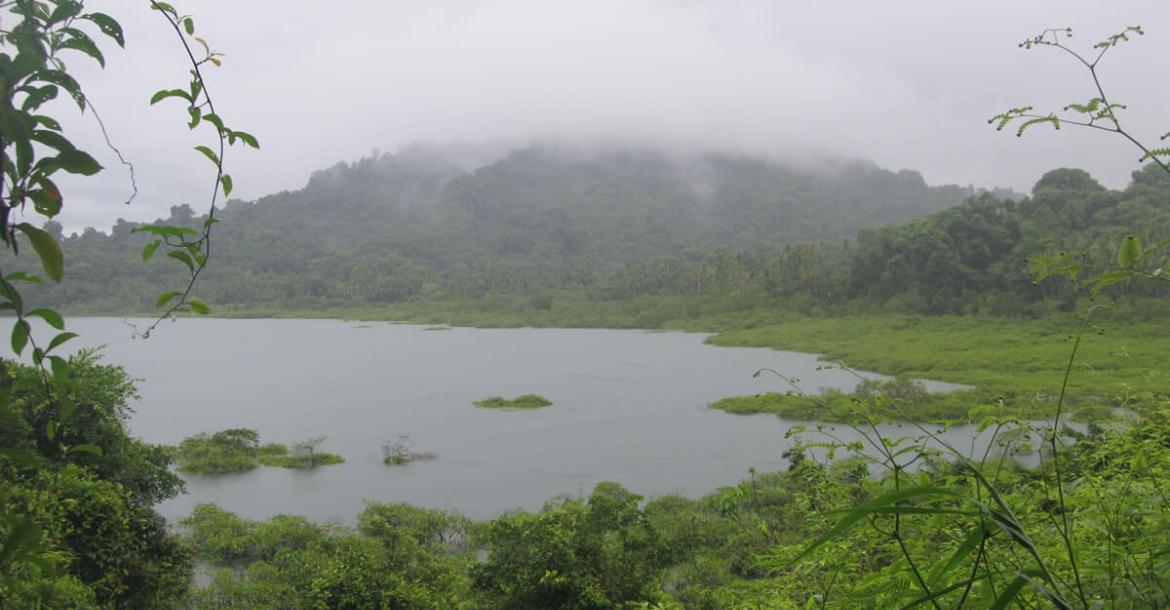
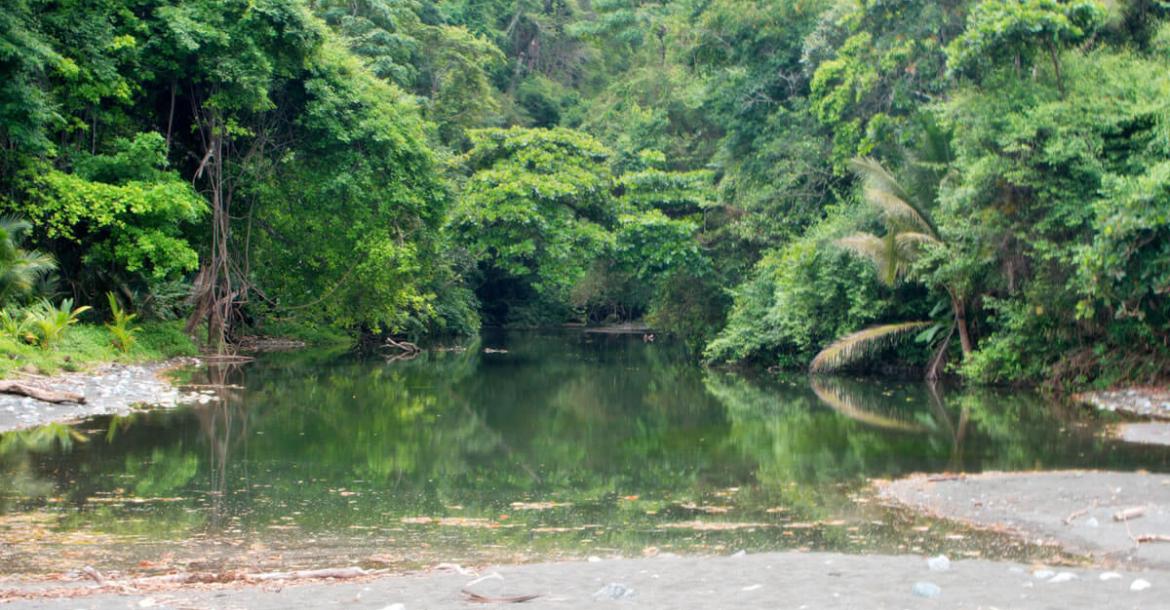
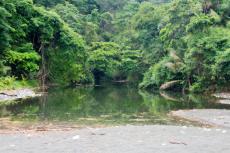
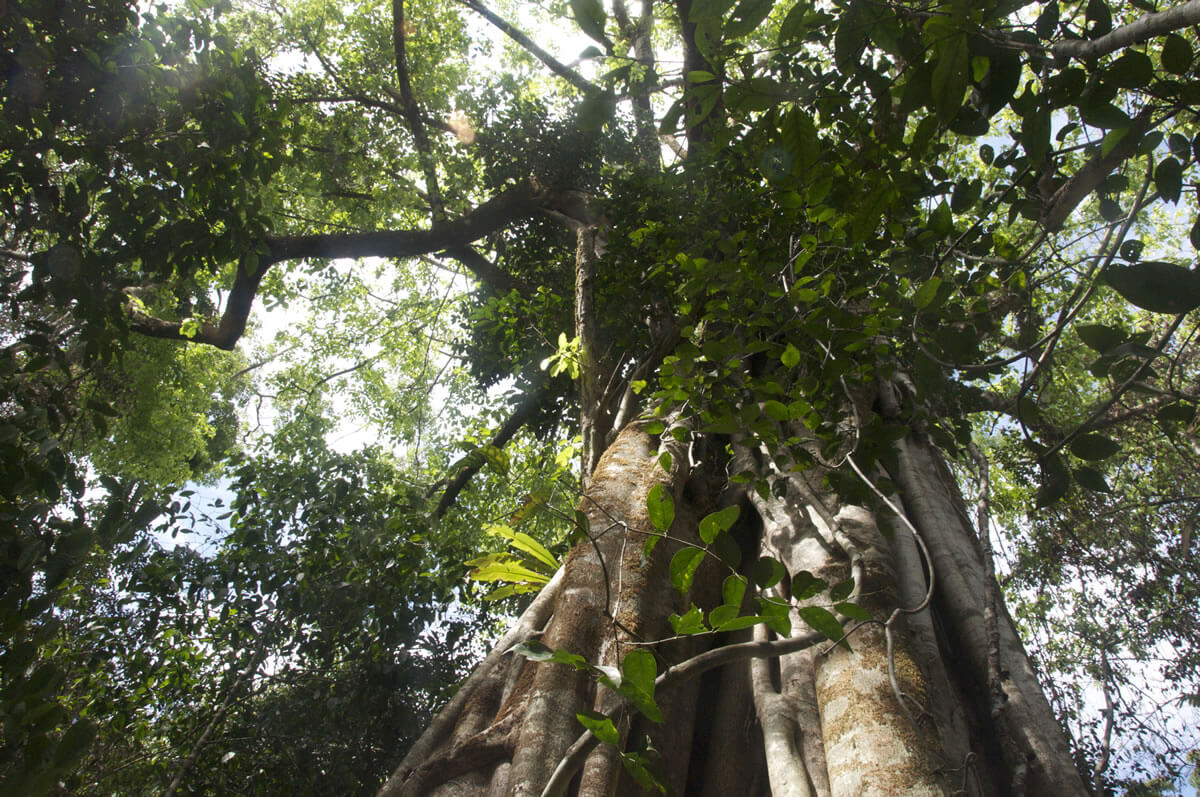
Tropical Rainforests: The corridor's crown jewels include some of the Western Hemisphere's most pristine rainforests. These biological powerhouses harbor jaguars, harpy eagles, and over 1,200 bird species, representing evolutionary laboratories that have functioned for millions of years.
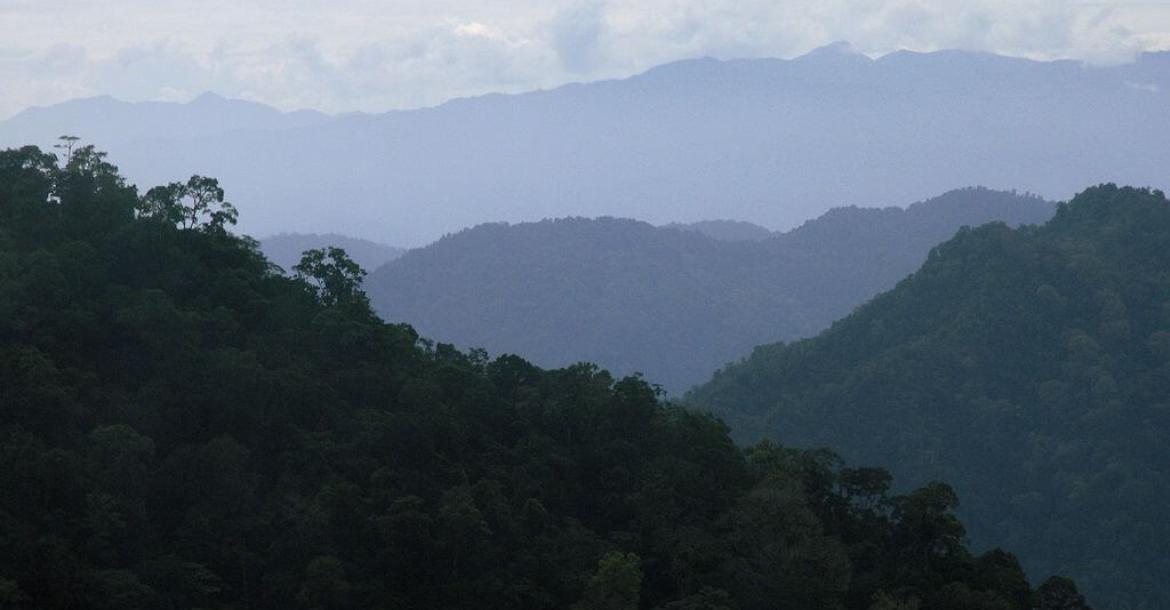
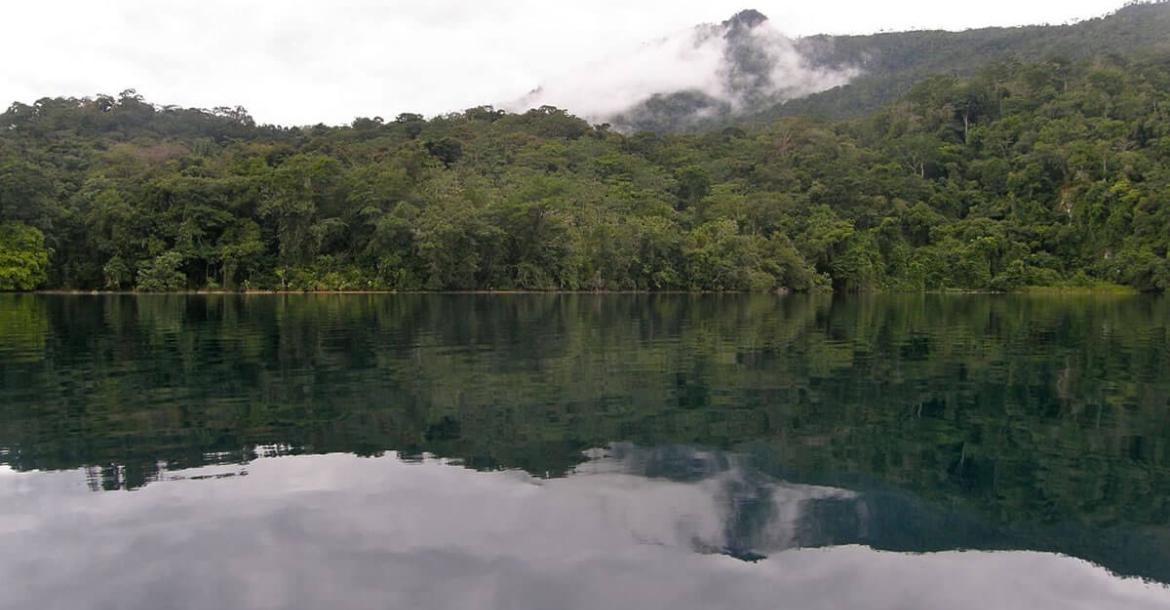
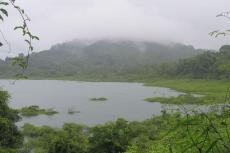
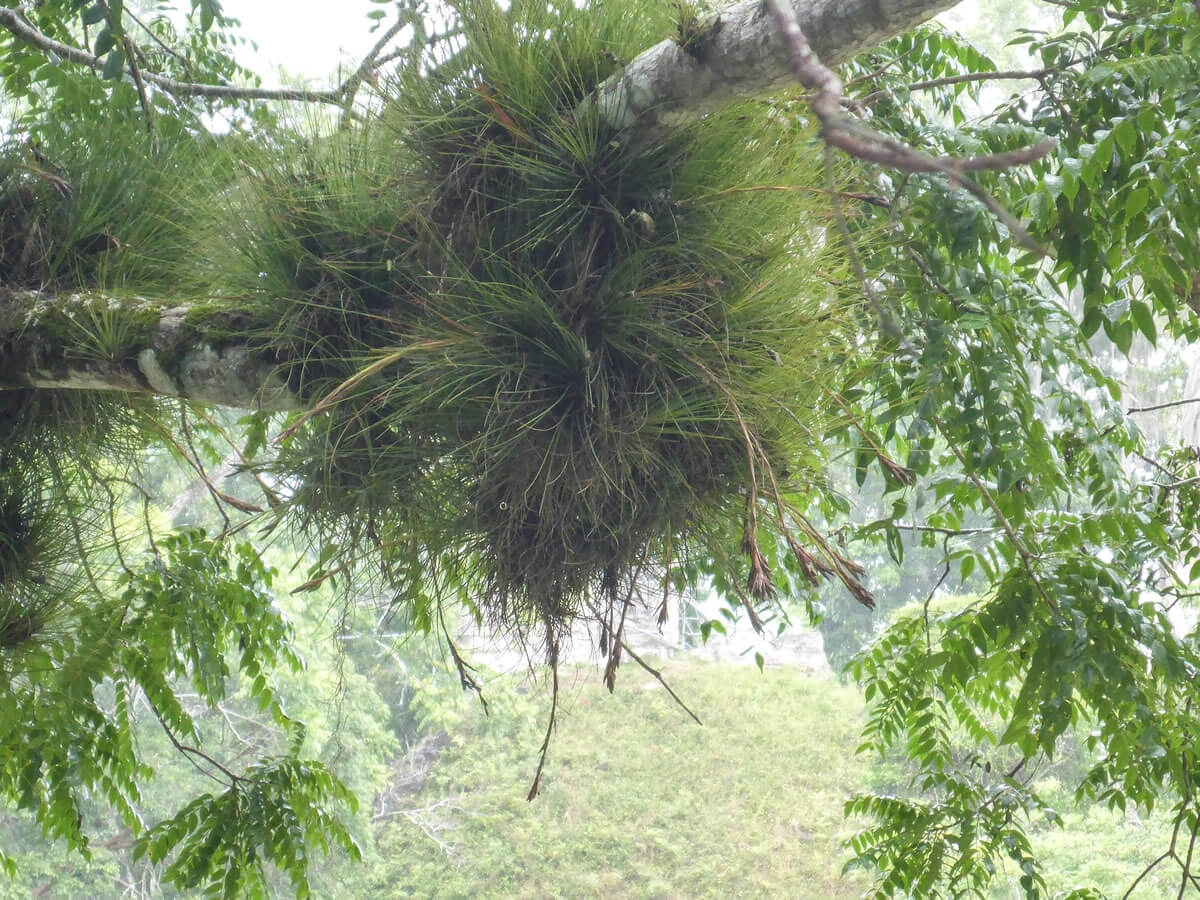
Montane Cloud Forests: At higher elevations, perpetual mists nurture unique ecosystems where endemic species have evolved in isolation. These "islands in the sky" host an astonishing array of orchids, bromeliads, and amphibians found nowhere else on Earth.
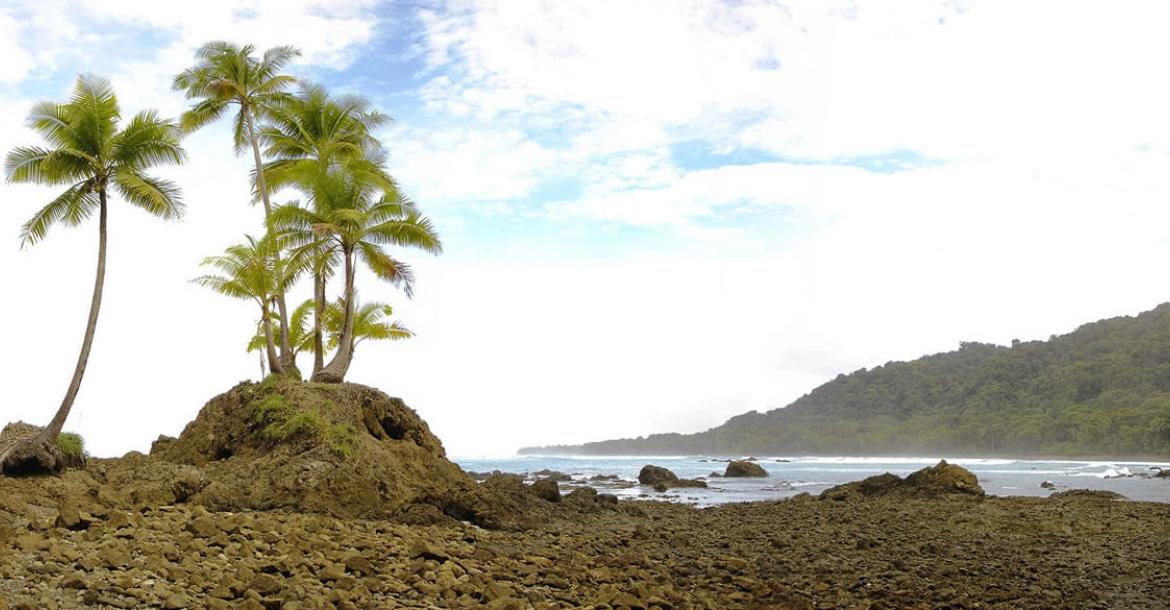
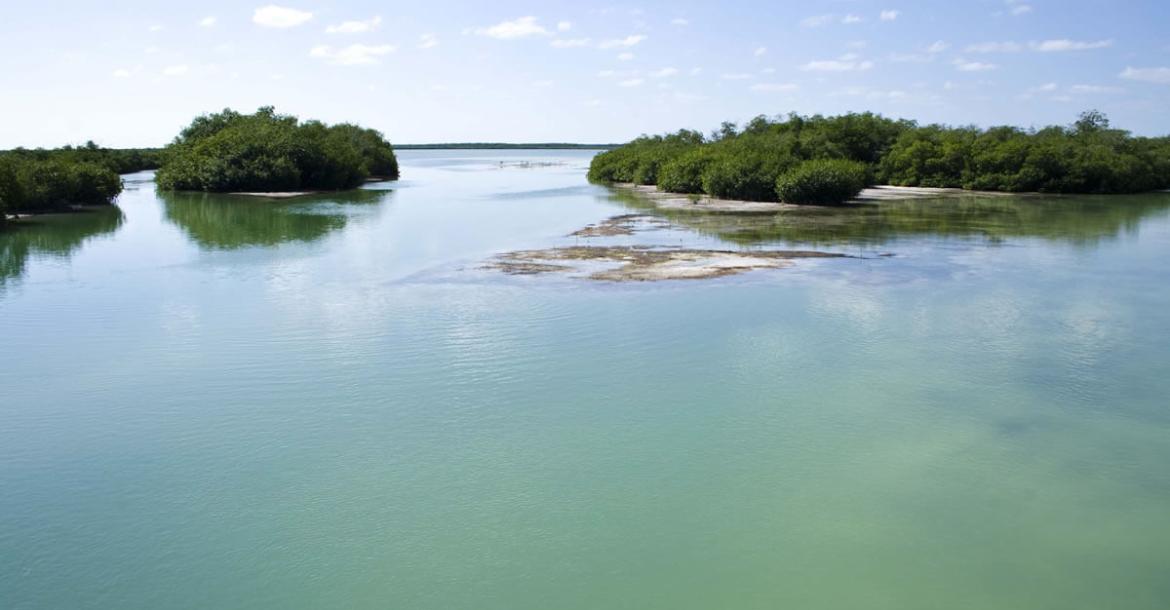
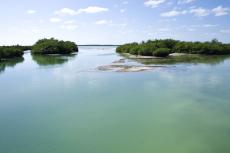
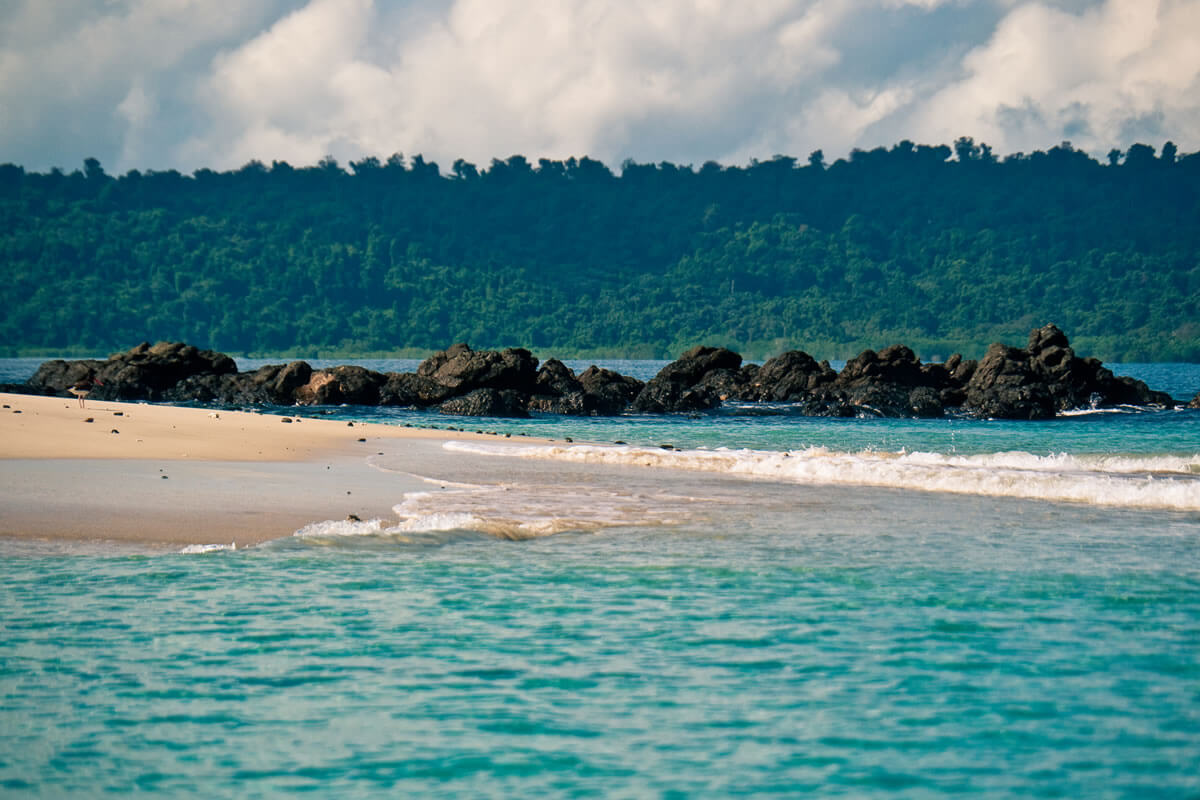
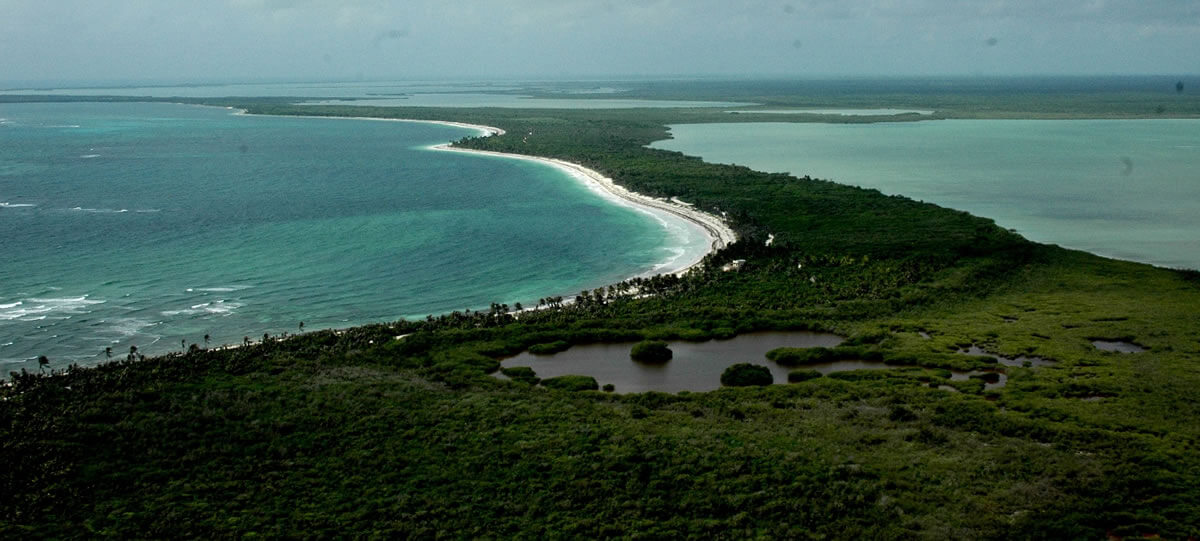
Coastal Mangroves: Along both Pacific and Caribbean shores, mangrove forests serve as nurseries for marine life while providing critical storm protection for coastal communities. These transitional ecosystems support a diverse range of species, from manatees to migratory shorebirds.
Dry Forests: Often overlooked but equally important, Central America's dry forests represent some of the world's most threatened ecosystems, supporting unique adaptations to seasonal drought cycles.
Conservation Units: Jewels in the Crown
The MBC incorporates dozens of protected areas, each contributing essential pieces to the conservation puzzle:
Montes Azules Biosphere Reserve, Mexico: This 331,200-hectare (818,240-acre) reserve in Chiapas protects the largest intact rainforest in North America, serving as a crucial stronghold for jaguars and tapirs.
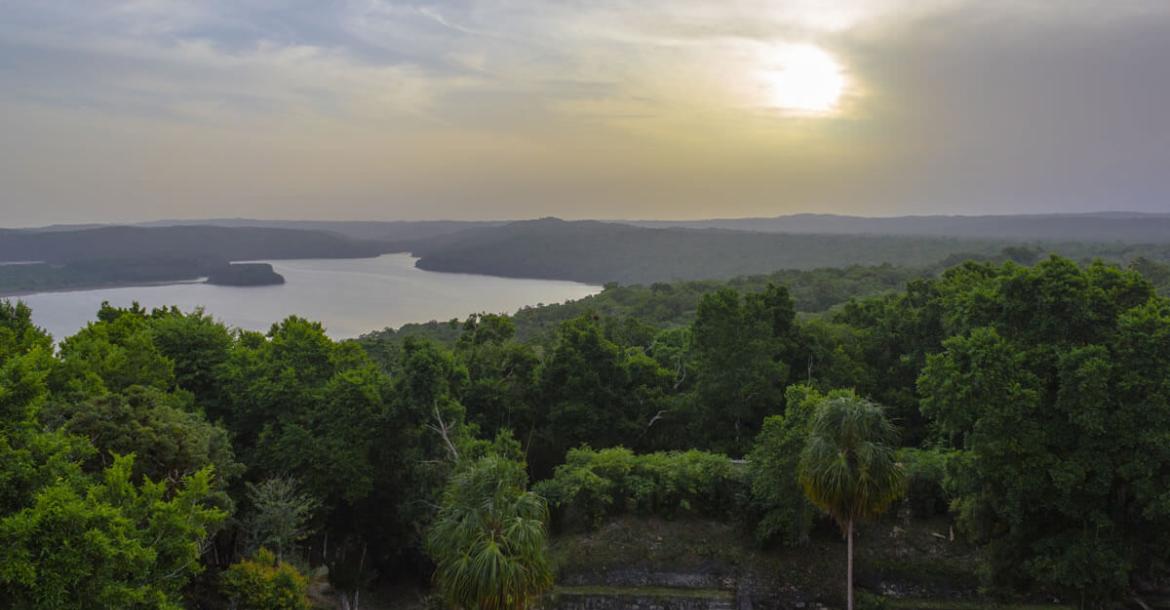
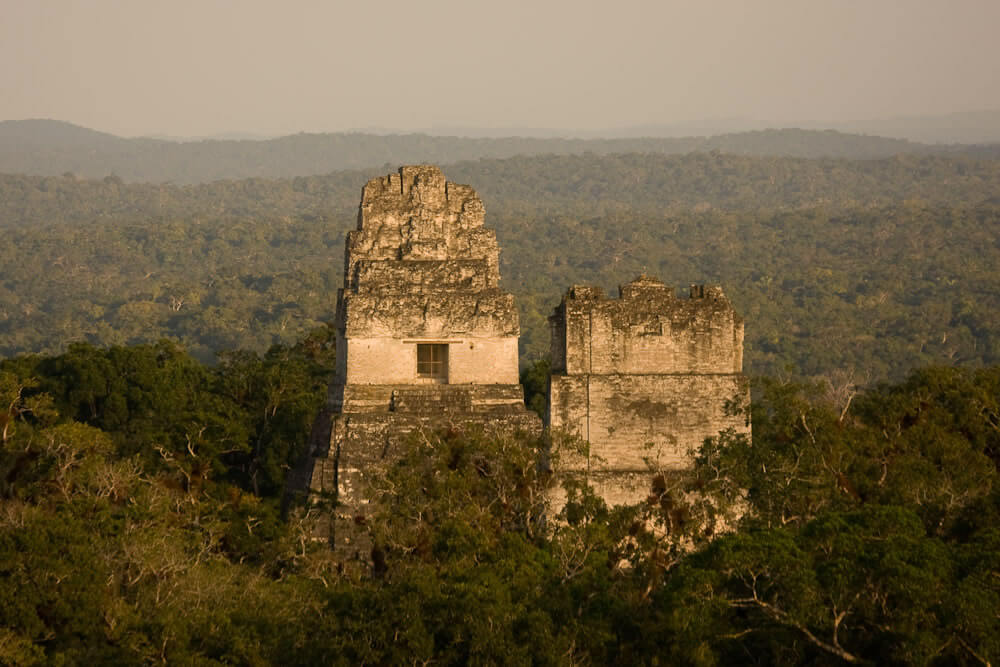
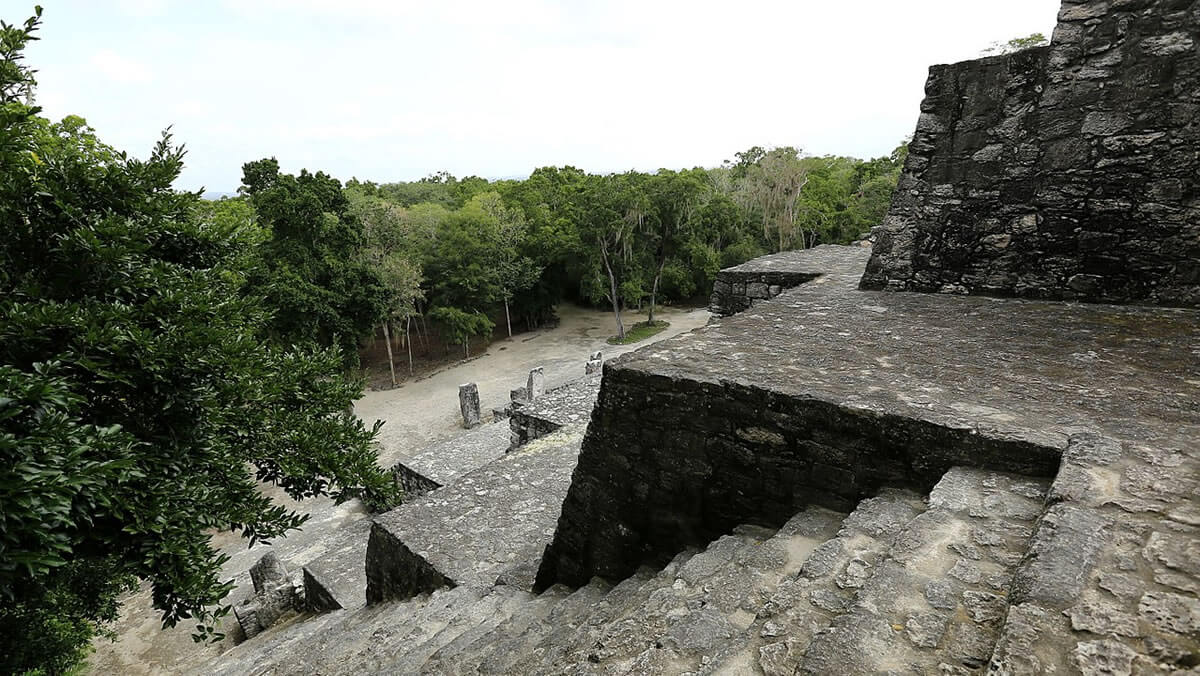
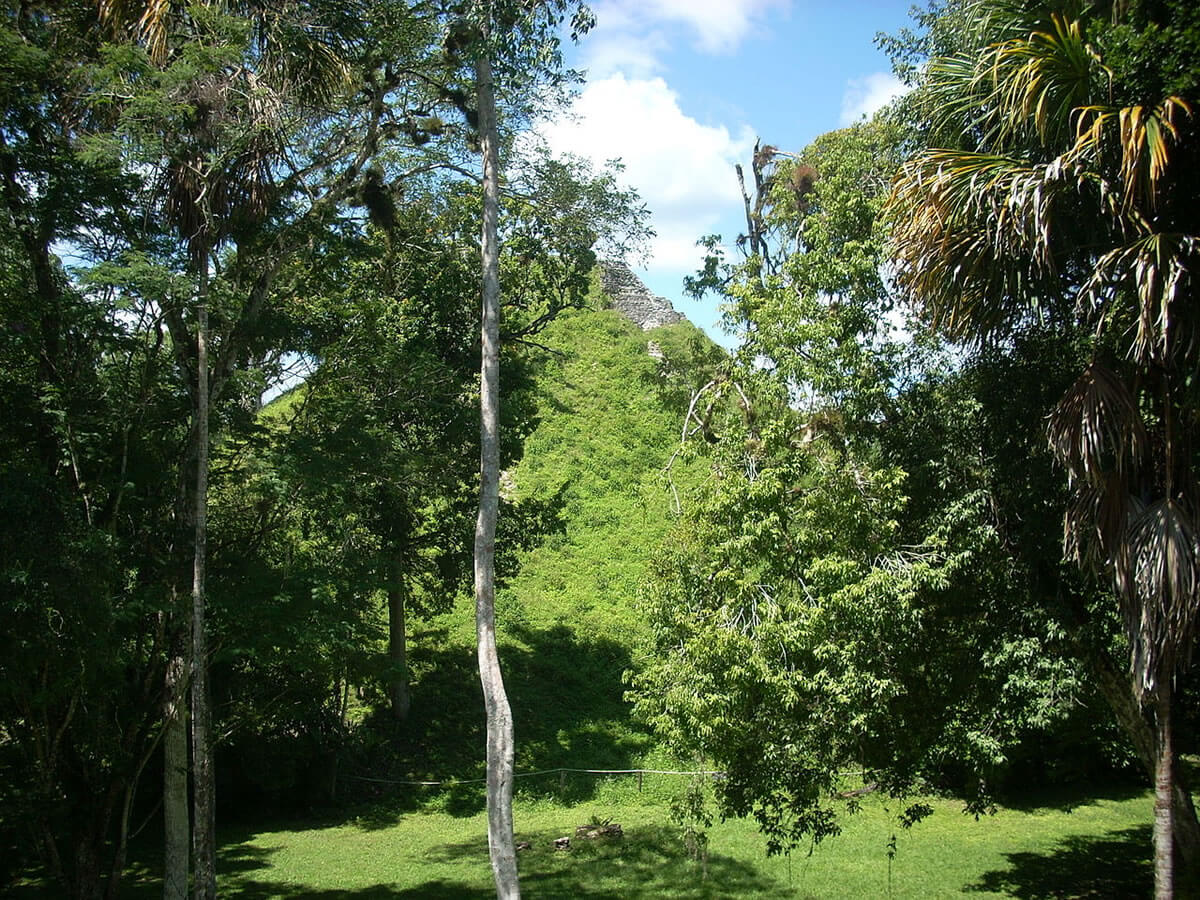
Maya Biosphere Reserve, Guatemala: Spanning over 2.1 million hectares (5.2 million acres) across Guatemala and Mexico, this transboundary reserve protects both biodiversity and invaluable Maya archaeological sites, demonstrating how cultural and natural heritage intertwine.
La Amistad International Park, Costa Rica-Panama: This UNESCO World Heritage Site exemplifies international cooperation, protecting critical habitat for over 400 bird species, and serves as a living laboratory for studying altitudinal migration patterns.
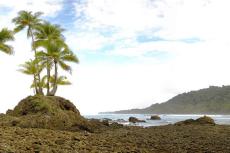
Corcovado National Park, Costa Rica: National Geographic called this park "the most biologically intense place on Earth," harboring 2.5% of the world's biodiversity within just 424 square kilometers (164 square miles).
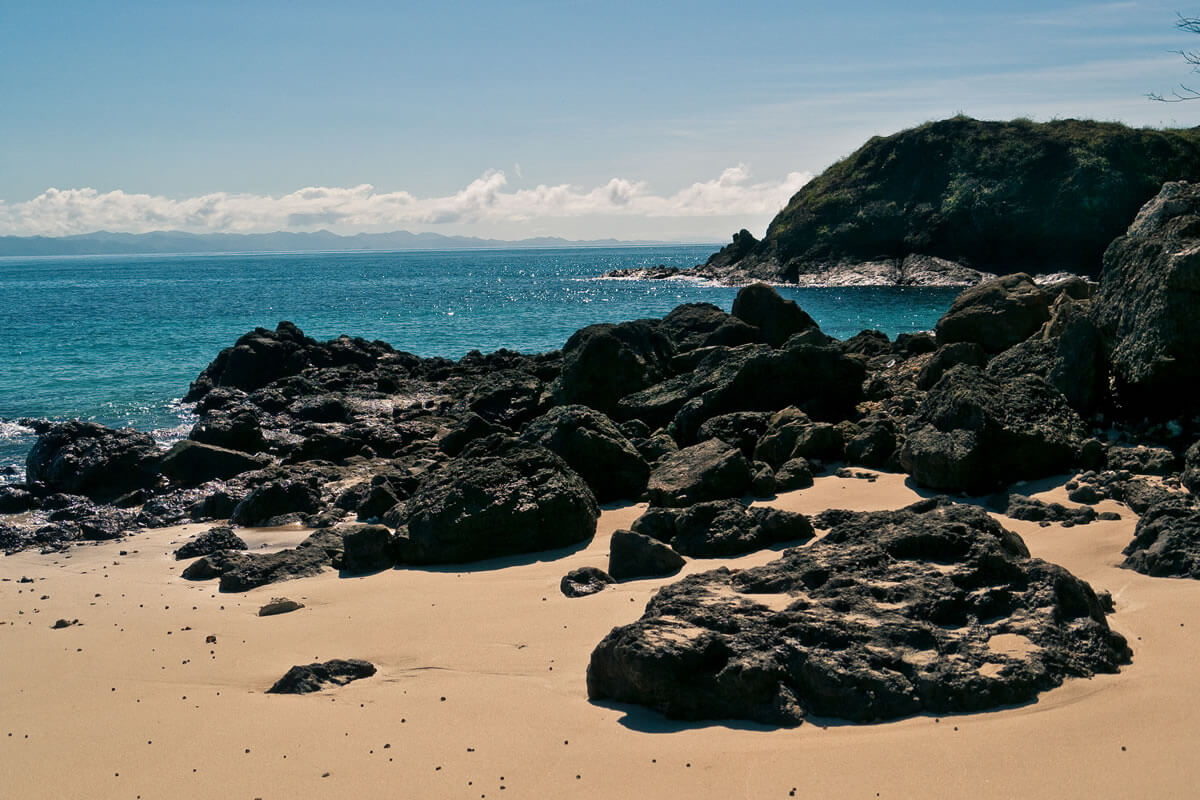
Coiba National Park, Panama: This island park protects both terrestrial and marine ecosystems, including some of the Eastern Pacific's most pristine coral reefs.
Beyond Conservation: A Model for Sustainability
The MBC's significance extends far beyond species protection. This initiative demonstrates how conservation can drive sustainable development while addressing climate change on a regional scale.
Ecosystem Services at Scale
The corridor provides essential services worth billions annually: carbon sequestration equivalent to removing millions of cars from roads, watershed protection serving over 40 million people, and pollination services supporting regional agriculture. These benefits underscore the economic value of conservation while highlighting the costs of ecosystem destruction.
Climate Change Fortress
As climate patterns shift, the MBC serves as a crucial adaptation tool. Its elevation gradients and habitat diversity provide "climate corridors" allowing species to track suitable conditions as temperatures rise. Large intact forests within the corridor act as regional climate regulators, moderating temperature extremes and maintaining precipitation patterns.
Sustainable Livelihoods
Rather than excluding local communities, the MBC partners with them as conservation stakeholders. Ecotourism initiatives, sustainable agriculture programs, and payments for ecosystem services provide economic incentives for conservation while improving rural livelihoods. Indigenous and traditional communities, in particular, play vital roles as guardians of traditional ecological knowledge.
Navigating Modern Challenges
Despite remarkable successes, the MBC faces mounting pressures that threaten its long-term viability:
Agricultural Expansion: Growing populations and global commodity demands drive agricultural expansion into forested areas. Palm oil plantations, cattle ranching, and subsistence farming create ongoing pressure on corridor integrity.
Climate Change: Rising temperatures and shifting precipitation patterns stress ecosystems beyond their adaptive capacity. Sea-level rise threatens coastal habitats, while changing storm patterns increase vulnerability to extreme weather events.
Infrastructure Development: Roads, pipelines, and urban expansion fragment habitats and create barriers to wildlife movement. Balancing development needs with conservation goals remains an ongoing challenge.
Illegal Activities: Drug trafficking, illegal logging, and wildlife trade exploit remote areas within the corridor, undermining conservation efforts while threatening local communities.
Innovation in Action
The MBC continues evolving, incorporating cutting-edge conservation strategies:
Biological Corridors: Strategic habitat restoration creates wildlife pathways between protected areas, allowing genetic exchange and population resilience.
Payment for Ecosystem Services: Market-based mechanisms compensate landowners for maintaining forest cover, creating economic incentives for conservation.
Community-Based Management: Local communities receive training and resources to manage natural resources sustainably, creating conservation incentives at the grassroots level.
Technology Integration: Satellite monitoring, camera traps, and DNA analysis provide unprecedented insights into ecosystem health and wildlife populations.
A Legacy for Future Generations
The Mesoamerican Biological Corridor represents more than a conservation project—it embodies humanity's capacity to think beyond borders and generations. This initiative demonstrates that with vision, cooperation, and commitment, we can address environmental challenges at the scale they demand.
As the world grapples with biodiversity loss and climate change, the MBC offers a blueprint for landscape-scale conservation that balances human needs with ecological integrity. Its success depends not only on government policies and international funding but on the daily choices of millions of people who call this region home.
The corridor's future will be written by farmers deciding whether to maintain forest patches, tourists choosing responsible travel options, and consumers supporting sustainable products. Every action within this vast network contributes to a larger story—one that will determine whether future generations inherit a world as rich in natural wonders as our own.
In an era of environmental crisis, the Mesoamerican Biological Corridor serves as a testament to the fact that transformative conservation is possible when vision meets action across the landscapes that matter most. This living laboratory continues to teach us that the path to a sustainable future runs through the forests, mountains, and coasts, where life itself writes the most compelling stories of all.

Topographical map of Central America.