Bodies of Water

The Ucayali River: A Vital Amazonian Artery of Peru

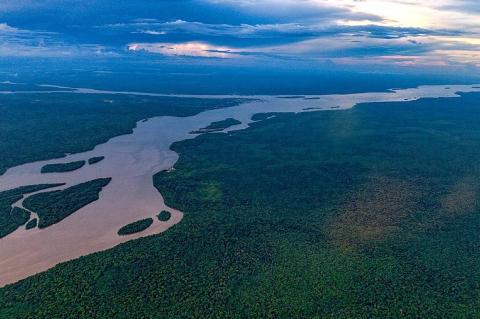
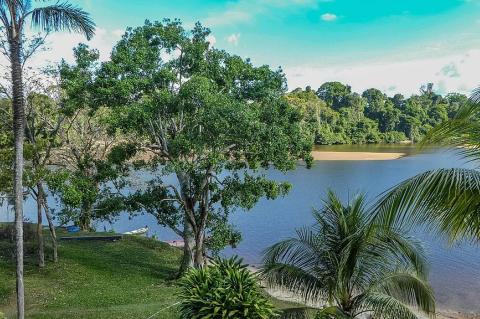
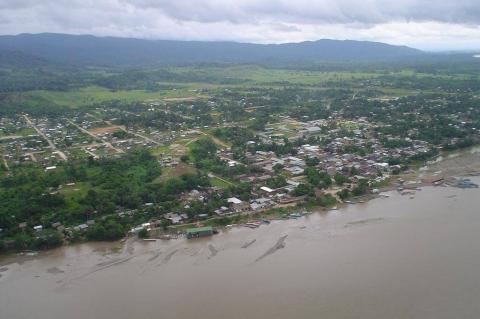
The Ucayali River flows through the heart of the Peruvian Amazon, winding its way through dense rainforests and remote communities. As one of the primary headwaters of the Amazon River, the Ucayali plays a critical role in South America's ecosystems, shaping the landscapes and providing a lifeline for wildlife and people alike. From its highland origins to its convergence with the Marañón River, where the Amazon River is officially born, the Ucayali River supports unique biodiversity, Indigenous cultures, and ongoing economic activity.

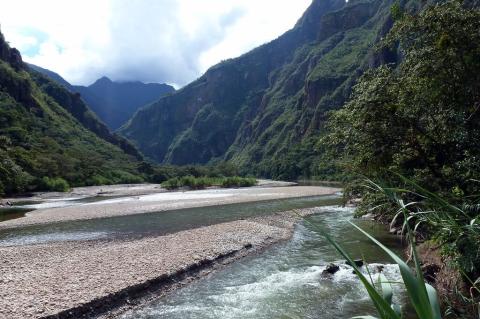
The Urubamba River: Sacred Waters from Andes to Amazon

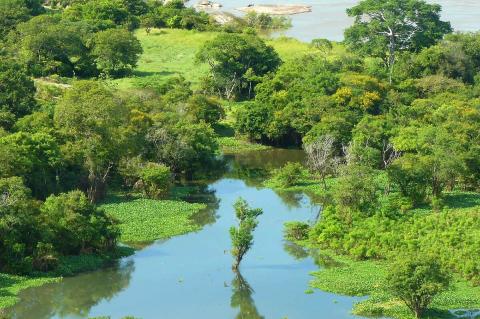
The Urubamba River, known as Willkamayu ("Sacred River") to the Incas, flows from its glacial origins in the Cordillera Vilcanota to its confluence with the Tambo River in Peru's Amazon Basin. This vital waterway traverses multiple ecological zones, supporting a diverse array of ecosystems. The river's cultural significance extends beyond its role as the Sacred Valley's agricultural lifeline—it remains central to Quechua spiritual practices and serves as the transportation corridor that enabled Inca imperial expansion while continuing to sustain Indigenous communities.

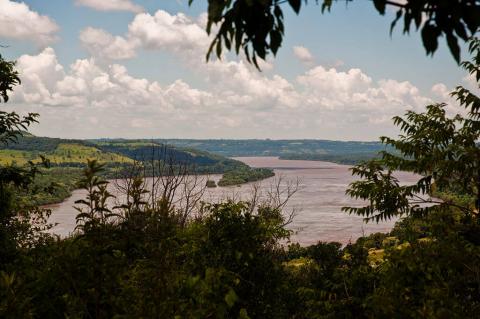
The Uruguay River: A Vital Waterway of South America

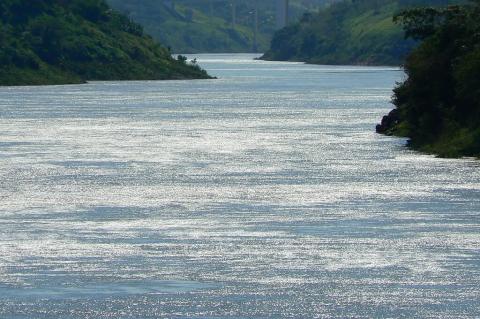
The Uruguay River is a significant fluvial system in South America. It stretches from its headwaters in Brazil's coastal range to its confluence with the Río de la Plata. As a natural boundary between Brazil, Uruguay, and Argentina, the river plays a crucial role in the region's geography, economy, and ecology. An exploration of the Uruguay River reveals its origins, course through diverse landscapes, ecological significance, and role in regional development.

The Usumacinta River: The Lifeblood of Mesoamerica

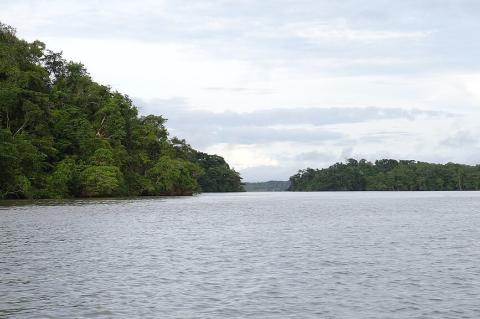
The Usumacinta River, one of the most significant waterways in Central America, meanders through the lush landscapes of Guatemala and Mexico. As the largest river in Mesoamerica, it has long been a vital artery for ecosystems, cultures, and economies. Rich in history, biodiversity, and natural beauty, the Usumacinta River is both a lifeline for the region and a source of growing concern as environmental pressures mount.

The Xingu River: Lifeblood of the Brazilian Amazon

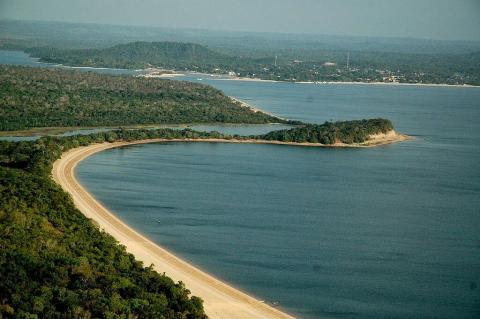
The Xingu River, a major tributary of the Amazon River, flows through the Brazilian Amazon, which is home to one of the world’s most biodiverse ecosystems. It traverses rainforests, savannas, and Indigenous territories, supporting diverse wildlife and the cultural heritage of the Indigenous peoples. As an essential part of the Amazon basin, the Xingu River highlights the beauty of tropical ecosystems, yet it faces significant environmental challenges.

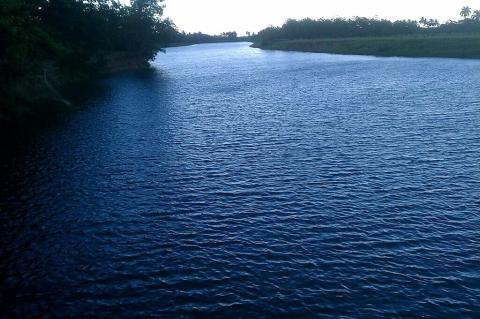
The Yuna River: A Vital Lifeline in the Dominican Republic

The Yuna River is a vital artery coursing through the Dominican Republic, playing an indispensable role in the country’s ecology, economy, and culture. Spanning the provinces of Monseñor Nouel, La Vega, and Samaná, this river serves as a lifeline for agricultural activities, a source of hydroelectric power, and a haven for diverse ecosystems. The Yuna River’s significance extends beyond its physical boundaries, touching the lives of countless communities and shaping the natural and human landscapes of the Dominican Republic.

Tocantins-Araguaia River System: A Comprehensive Overview of Brazil's Central Fluvial Network

The Tocantins-Araguaia River system in central Brazil is one of the country's most vital and extensive fluvial networks. Though commonly mistaken as a tributary of the Amazon River, this system is distinct and unique, with its complex hydrological dynamics and significant ecological importance. The river flows northward from the Brazilian Highlands, eventually emptying into the Atlantic Ocean through the Pará River, a distributary channel of the Amazon River delta.