
The Northern Patagonian Ice Field: A Living Testament to Chile's Glacial Past
Nestled in the rugged landscapes of southern Chile, the Northern Patagonian Ice Field testifies to the enduring legacy of the Andes Mountains. This immense ice mass, smaller than its southern counterpart yet magnificent, represents one of the last major remnants of the vast Patagonian Ice Sheet.
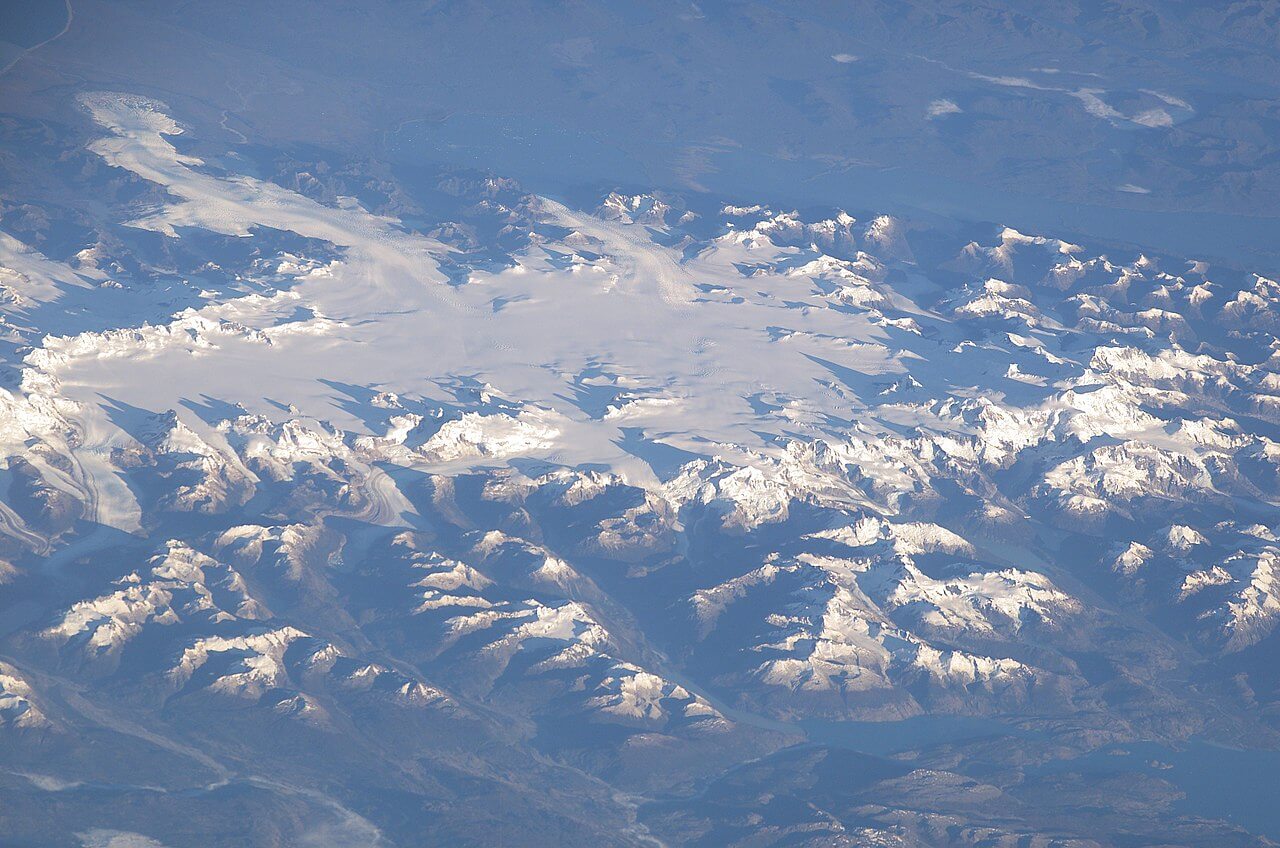
Patagonia's Glacial Giant: Exploring the Northern Ice Field
Nestled within the breathtaking and rugged landscapes of southern Chile's Aysén Region, the Northern Patagonian Ice Field stands as a profound testament to the enduring power and legacy of the Andes Mountains. This immense ice mass, smaller than its southern counterpart but no less magnificent, represents one of the last major remnants of the once-vast Patagonian Ice Sheet. Its entirety lies protected within the boundaries of the Laguna San Rafael National Park, a designated UNESCO Biosphere Reserve, underscoring its immense ecological and scientific value.
A Relic of the Ice Age: Glacial Heritage and Geological Significance
The very existence of the Northern Patagonian Ice Field is rooted deeply in the Earth's geological past, specifically the Quaternary glaciations. During these epochs, a colossal Patagonian Ice Sheet sprawled across vast tracts of both Chilean and Argentine Patagonia. The two contemporary lobes – the Northern and Southern Patagonian Ice Fields – are the impressive, though significantly diminished, survivors of this colossal ice cover, which reached its maximum extent approximately 18,000 years ago. Despite the passage of millennia and ongoing climatic shifts, the Northern Patagonian Ice Field, alongside its southern twin, collectively constitutes the largest continuous expanse of ice in the Southern Hemisphere outside of the polar regions, serving as an irreplaceable archive of past climates and a dynamic indicator of present environmental change.
Enduring Against Odds: Scale and Environmental Dynamics
Today, while many glaciers worldwide are in retreat, the Northern Patagonian Ice Field still encompasses a remarkable area of approximately 4,200 square kilometers (1,620 square miles). This vastness secures its status as the second-largest continuous ice mass outside the Arctic and Antarctic. Its remarkable persistence in a temperate latitude is largely attributed to a unique confluence of favorable environmental conditions. Positioned at elevations ranging from 1,100 to 1,500 meters (3,600 to 4,900 feet) above sea level, the ice field benefits from a cool, perpetually moist marine climate. The high levels of precipitation, often falling as snow, particularly on its western flanks, are crucial for nourishing the ice mass, allowing it to maintain its formidable presence amidst the dramatic Patagonian wilderness.
Sculpting the Landscape: Glacial Dynamics and Distinctive Features
Despite being the smaller of the two Patagonian ice fields, the northern expanse boasts an impressive array of glacial features, with 30 significant outlet glaciers spilling from its perimeter. These colossal rivers of ice, sculpted by the slow but relentless force of their own weight over millennia, creep downslope through ancient mountain valleys. They then manifest as awe-inspiring "outlet glaciers," which exhibit diverse and dramatic terminations. Some glaciers end abruptly on land, leaving behind vast moraines and proglacial lakes, while others extend majestically to reach the Pacific Ocean, where they engage in dynamic calving processes.
Among its most iconic features is the San Rafael Glacier, a magnificent ice tongue that originates near the imposing Monte San Valentín, the tallest summit in Patagonia. This glacier flows westward into the pristine, iceberg-dotted Laguna San Rafael, a glacially carved lagoon. Here, the San Rafael Glacier actively calves monumental icebergs from its towering front into the lagoon, presenting one of the most visually spectacular and dynamic calving processes globally. Another significant feature is the San Quintín Glacier, often considered a "twin" to San Rafael. Historically, San Quintín terminated on land, but a notable recession event in 1991 led to its retreat and the formation of a prominent proglacial lake within Laguna San Rafael, a clear indicator of ongoing glacial dynamics.
Ecological Importance and Imperative for Conservation
The Northern Patagonian Ice Field, with its sheer glacial grandeur, plays a pivotal role in the broader environmental balance of southern Chile. Its vast reservoir of meltwater is a critical source, feeding numerous rivers and contributing significantly to the region's network of glacially carved lakes. This meltwater sustains unique aquatic ecosystems and contributes to the overall hydrological system of Chilean Patagonia. The immense ecological and scientific significance of the area has led to its stringent protection within the Laguna San Rafael National Park. This designation, further reinforced by its status as a UNESCO Biosphere Reserve, underscores a global commitment to the preservation of this unique glacial heritage for the benefit of future generations and as a vital component of the Earth's cryosphere.
Conclusion: A Resilient Icon of Patagonia
The Northern Patagonian Ice Field, with its dramatic glacial features, profound geological significance, and vital ecological role, stands as a powerful epitome of the enduring legacy of the greater Patagonian Ice Sheet. As a formidable bastion of ice set against the breathtaking and often tempestuous landscapes of southern Chile, this natural wonder serves as a living testament to the dynamic forces that have shaped the region over millennia. Despite the accelerating challenges posed by global climate change, the Northern Patagonian Ice Field continues to stand as a resilient and awe-inspiring icon, inviting deep admiration for its glacial splendor and reinforcing the critical importance of conservation efforts in safeguarding Earth's most precious and vulnerable natural wonders.
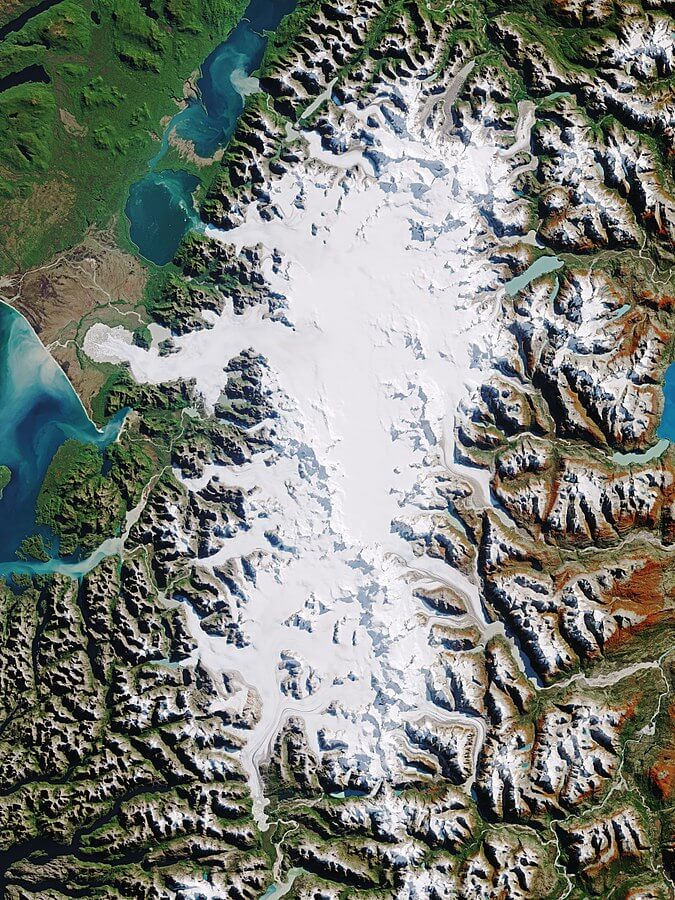
NASA satellite photo of the North Patagonia Ice Field.