Geological Feature / Landform

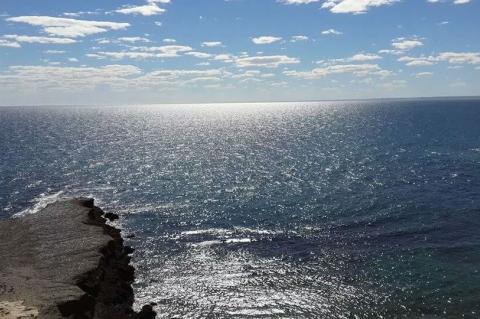
A Patagonian Odyssey: Unveiling the Treasures of the Valdés Peninsula

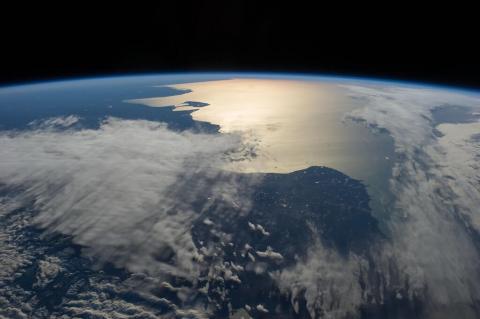
Nestled in the heart of northern Patagonia, the Valdés Peninsula is a testament to nature's power and beauty. This extraordinary landmass, jutting out into the Atlantic Ocean from the Chubut Province of Argentina, is a true ecological marvel, a sanctuary for an incredible array of marine and terrestrial life. Recognized by UNESCO as a World Heritage Site and a Biosphere Reserve, the Valdés Peninsula and its surrounding waters have been deemed a site of global significance for the conservation of marine mammals.

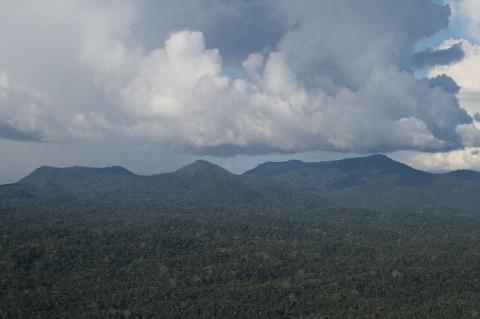
Acarai Mountains: Guardians of Guyana's Natural Splendor

Situated in the southern part of Guyana, the Acarai Mountains quietly shape the landscape with their wet, forested highlands. Contributing to the nation's biodiversity and natural beauty, these mountains, covered in lush rainforests, serve as a backdrop to Guyana's diverse terrain and are crucial in forming the Essequibo River, one of the nation's significant waterways.

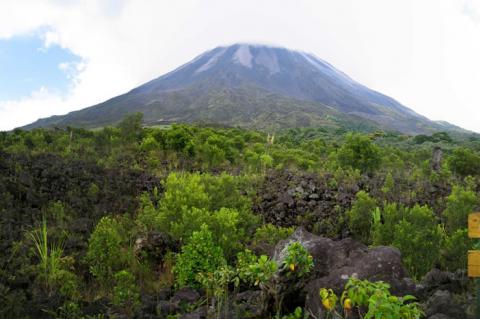
Arenal Volcano: Costa Rica's Majestic Volcano

Located in northern Costa Rica and positioned at the center of Arenal Volcano National Park, the Arenal Volcano stands as a symbol of Costa Rica's volcanic activity, natural beauty, and commitment to conservation. Arenal is renowned for its symmetrical cone shape, geological history, and the dramatic eruption that reawakened it in 1968. Although it has been dormant since 2010, Arenal continues to attract visitors from around the world who are drawn to its stunning landscape, biodiversity, and geothermal hot springs.

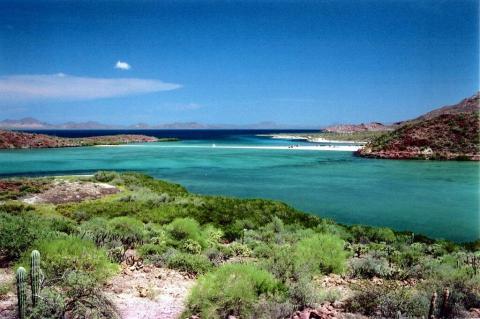
Between Two Seas: Exploring the Baja California Peninsula

Stretching like a narrow finger into the Pacific Ocean, the Baja California Peninsula stands as one of Mexico's most remarkable geographical features. This landmass extends from Mexicali in the north to Cabo San Lucas in the south, creating a unique corridor where desert landscapes meet coastal splendor. As the second-longest peninsula in the world, Baja California represents a fascinating study in geological evolution, ecological adaptation, and human settlement in one of the planet's most challenging yet beautiful environments.

Cauca River, Canyon, and Valley: Colombia's Natural Treasures

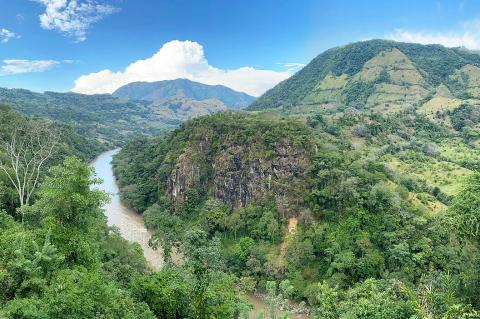
Nestled within the heart of Colombia's diverse landscape lies the Cauca River, a majestic waterway that winds through the rugged terrain of the Cauca Valley, carving out the spectacular Cauca Canyon along its course. This region, characterized by its breathtaking scenery, rich biodiversity, and cultural significance, is a testament to the country's natural heritage and the resilience of its people.

Cave Systems of Latin America: Subterranean Wonders from Mexico to Patagonia

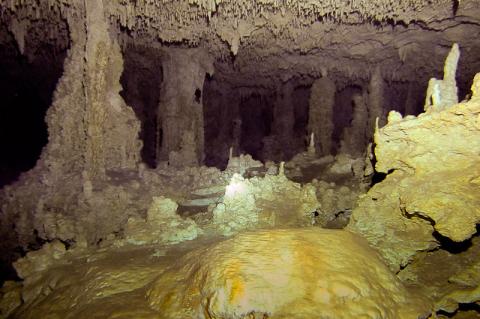
Beneath the jungles, deserts, and mountains of Latin America lies a hidden realm of extraordinary geological complexity and profound cultural significance. From the world's second-longest underwater cave network in Mexico's Yucatán Peninsula to the highest major caves in the world nestled in Peru's Andes, these underground passages tell stories spanning millions of years of geological transformation and thousands of years of human interaction with the earth's interior.

Cerro Tronador: The Silent Giant of the Patagonian Andes

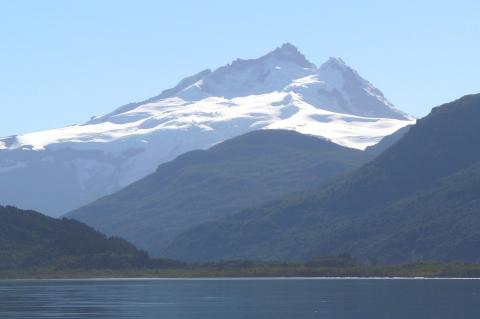
Cerro Tronador, an extinct stratovolcano straddling the border between Argentina and Chile, rises majestically above the surrounding landscape. Its prominence makes Tronador a popular destination for mountaineers and adventurers seeking to explore one of the region's most iconic natural landmarks. Located within two national parks, Nahuel Huapi in Argentina and Vicente Pérez Rosales in Chile, Cerro Tronador is also a vital part of the local ecosystem, featuring eight retreating glaciers and geothermal activity that reflects its volcanic origins.

Chiapas Highlands: A Tapestry of Tradition and Biodiversity

The Chiapas Highlands in southeastern Mexico have stunning natural beauty and profound cultural richness. Nestled within Chiapas, this area is characterized by its rugged mountains, lush forests, and vibrant Indigenous communities. The highlands offer a temperate climate and breathtaking landscapes, making them an alluring destination for travelers, researchers, and conservationists. The region is home to ancient Mayan ruins, bustling markets, and ecological wonders.

Ciénaga de Zapata: A Sanctuary of Biodiversity in Cuba

The Ciénaga de Zapata, also known as the Zapata Swamp, is a vast and ecologically significant region on the Zapata Peninsula in southern Matanzas Province, Cuba. It is one of the Caribbean's most extensive and important wetlands and is renowned for its rich biodiversity, unique ecosystems, and significant conservation efforts. The Ciénaga de Zapata National Park and Biosphere Reserve are crucial in preserving this natural treasure.

Copper Canyon and the Sierra Tarahumara: Nature's Grandeur and Indigenous Heritage

Located in the northwestern region of Mexico, within the Sierra Madre Occidental, lies a breathtaking landscape of great cultural significance and beauty—Copper Canyon and the Sierra Tarahumara. This region fascinates travelers and researchers with its remarkable geographical features, diverse ecosystems, and rich indigenous heritage, offering a glimpse into the ecological wonders and enduring traditions of northern Mexico.