
Patagonia's Hidden Treasure: The Ancient Art of Cueva de las Manos
Nestled in the remote and rugged landscape of Patagonia, Argentina, the Cueva de las Manos, or Cave of Hands, is an archaeological and cultural treasure—and, since 2020, the centerpiece of a provincial protected area working to restore the surrounding steppe and canyon ecosystem.
Cueva de las Manos: Ancient Art and a New Provincial Park in the Patagonian Steppe
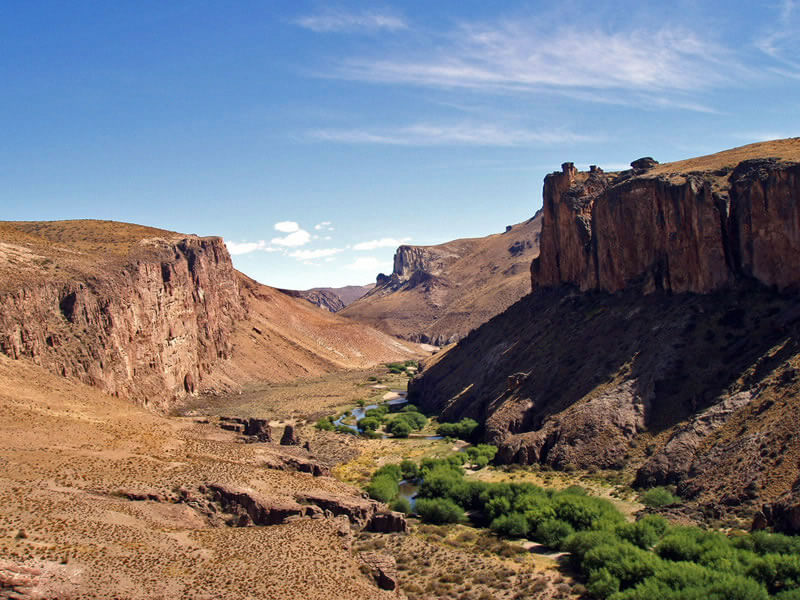
In the rugged canyon of the Río Pinturas in Argentine Patagonia lies one of the world's most captivating archaeological treasures: the Cueva de las Manos, or Cave of Hands. Renowned for its striking prehistoric rock art, this site offers a rare glimpse into the lives and artistic expressions of the ancient peoples who once roamed the region. In 1999, UNESCO designated the Cueva de las Manos as a World Heritage Site, and in 2020 the site and its surrounding canyon and steppe habitat were formally protected as the Parque Provincial Cueva de las Manos, a Santa Cruz provincial park that pairs the site's cultural significance with an active ecological restoration effort.
The Historical Significance of Cueva de las Manos
Humans have inhabited the Cueva de las Manos for thousands of years. Archaeologists estimate that the earliest paintings on its walls date back more than 9,000 years, with some analyses suggesting an initial phase as early as 13,000 years ago, making it one of the oldest and most extensively documented rock art sites in the Americas. Researchers have identified several distinct painting phases spanning millennia, each with its own stylistic conventions, indicating that the site was returned to and repainted by successive generations of hunter-gatherer groups over an extraordinarily long span of time. This site was a key dwelling for Indigenous hunter-gatherer groups, providing shelter, resources, and a canvas for their artistic expressions.
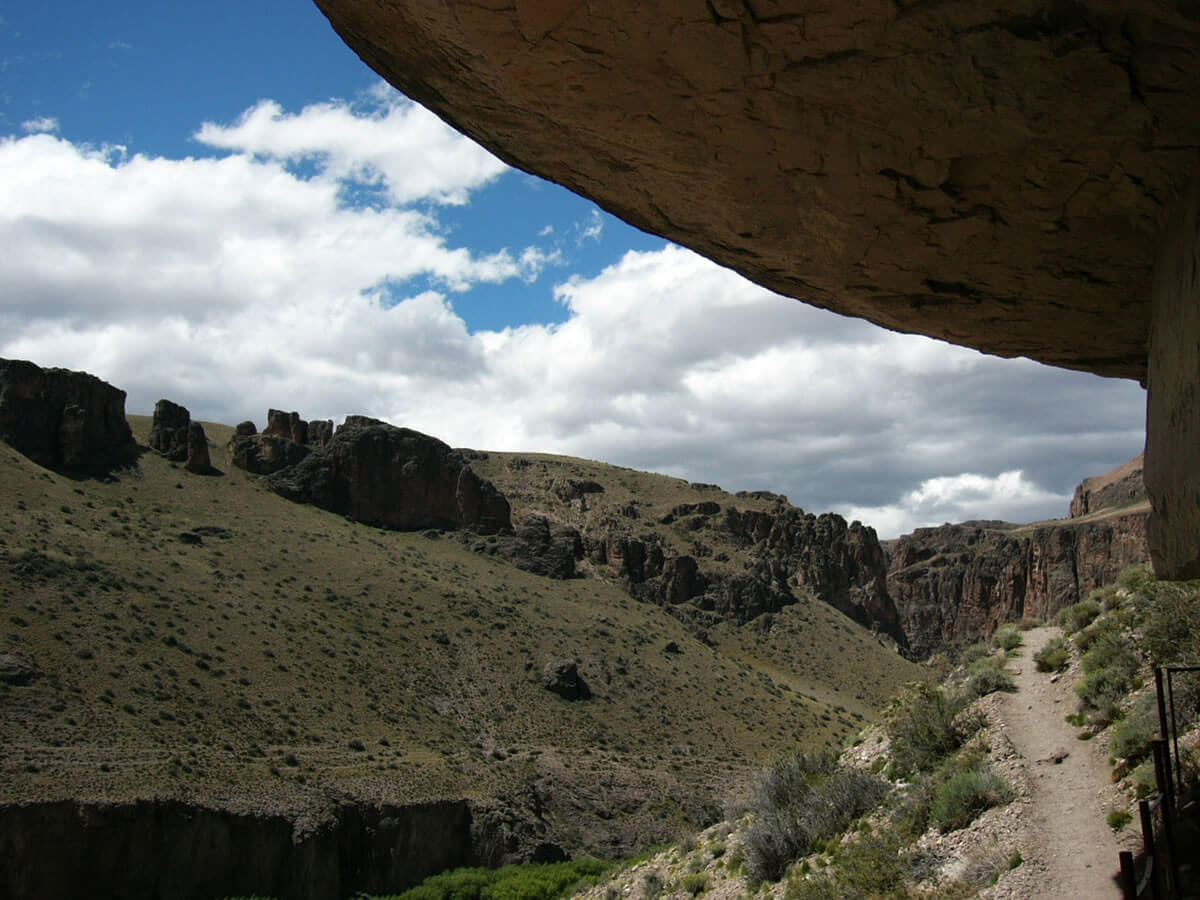
The cave's geographical position within the canyon may have played a significant role in its importance to these ancient peoples. The Río Pinturas canyon walls rise roughly 240 m (787 ft) above sea level at this point, with the cave itself set about 50 m (164 ft) above the river below; the cliffs and natural surroundings offered protection and a vantage point over the surrounding lands, making it an ideal location for settlement. The cave's enduring significance lies in its art and insights into the spiritual, social, and daily lives of the early Patagonian cultures that thrived here.
Artistic Marvels: The Rock Art of Cueva de las Manos
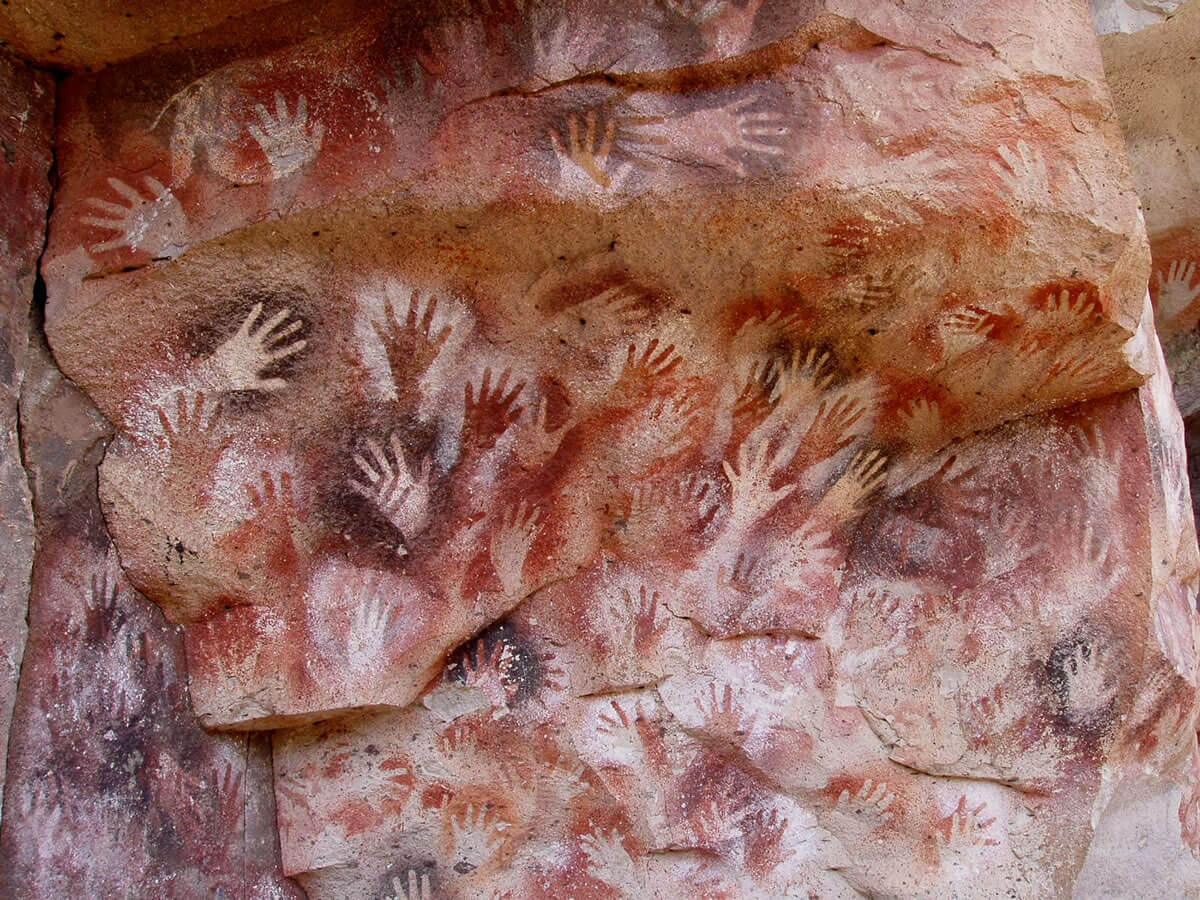
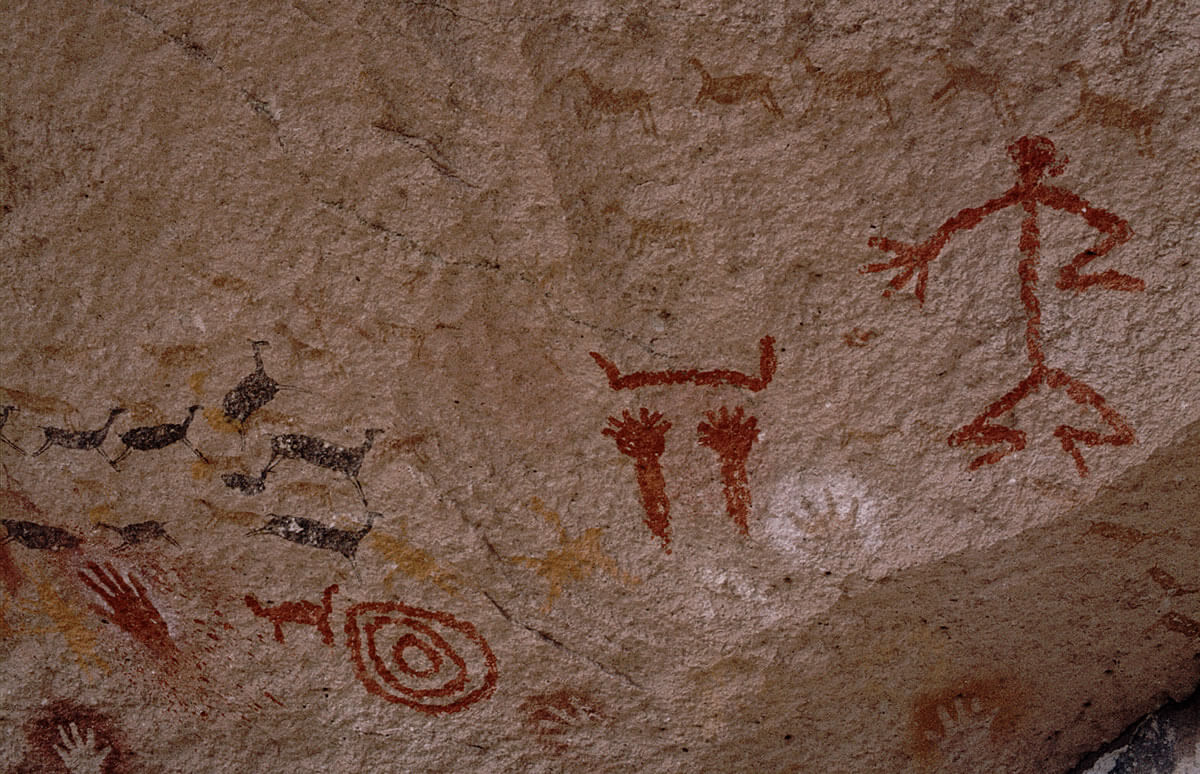
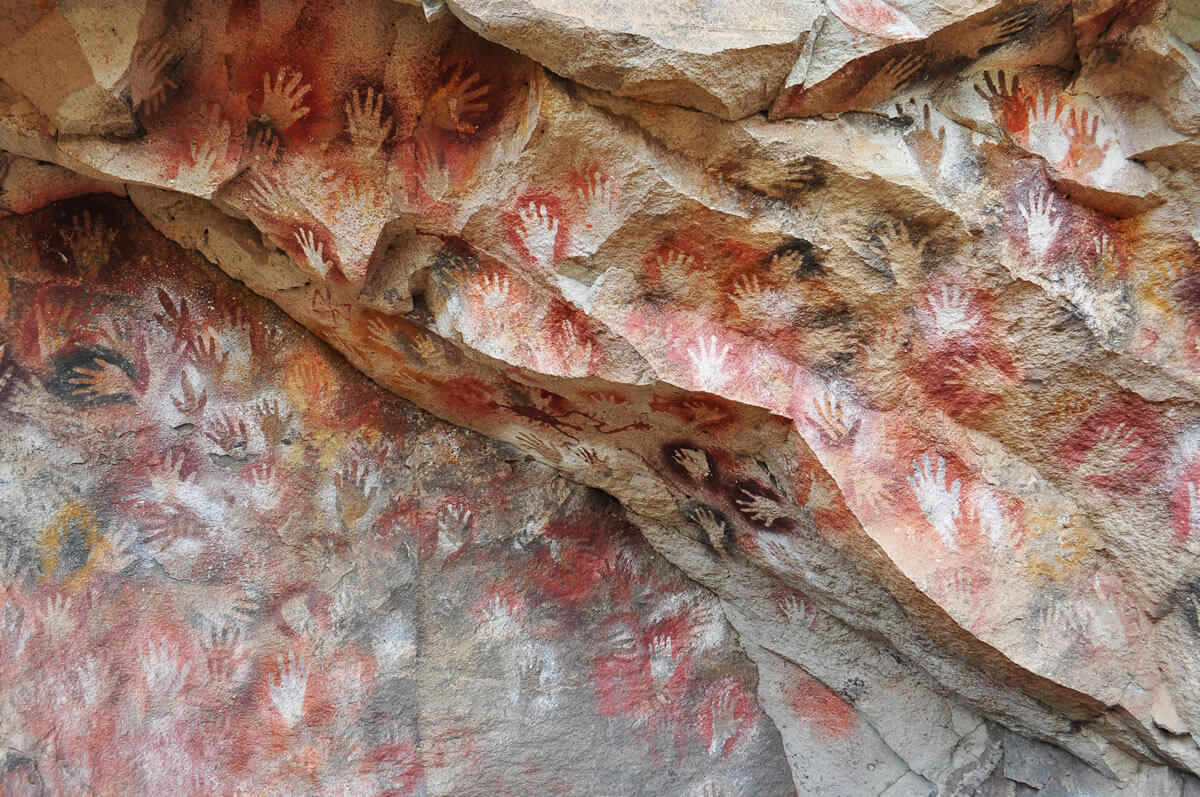
The Cueva de las Manos is renowned for its extraordinary rock art, making it one of South America's most important prehistoric art sites. The cave's name—Cave of Hands—derives from the multitude of stenciled handprints that adorn its walls. These handprints, created by blowing natural pigments over outstretched hands, have captivated archaeologists and visitors alike. Most handprints are left hands, leading to speculation that the pigment was blown using tubes held in the right hand.
These handprints, however, are just one element of the cave's impressive array of artwork. The cave walls are also adorned with intricate and colorful depictions of animals, including guanacos (Lama guanicoe) and Darwin's rheas (Rhea pennata), both of which remain the characteristic large fauna of the surrounding steppe today, along with other wildlife that inhabited the region. Additionally, geometric shapes, hunting scenes, and abstract symbols provide further insights into the culture of the cave's ancient inhabitants.
The combination of these artistic elements suggests that the rock art was more than decorative; it was likely a form of communication, storytelling, or spiritual expression. The handprints and hunting scenes may have been symbolic, representing communal identity, ritual practices, or connections to the natural world that sustained the Indigenous people.
A New Provincial Park: Protecting Site and Steppe Together
For decades after its 1999 UNESCO designation, the roughly 600 hectares (1,483 acres) containing the archaeological site remained in private hands. That changed in 2018, when Santa Cruz province passed legislation creating the Parque Provincial Cueva de las Manos, and again in July 2020, when Rewilding Argentina—the same organization behind the rewilding work at nearby Parque Patagonia—formally donated the land to the province, having acquired the former ranch in 2015 with funding from the Wyss Campaign for Nature. The protected area now comprises a 600-hectare core zone around the archaeological site itself and a further 2,338-hectare (5,778-acre) buffer zone of surrounding canyon and steppe habitat.
Unlike a purely archaeological reserve, the provincial park's mandate extends to the living landscape around the paintings. Rewilding Argentina has continued ecological monitoring and restoration work in the canyon's wetland reed beds, aiming to recover local populations of the coypu (Myocastor coypus) and the austral rail (Rallus antarcticus), both of which had become locally scarce. Guanaco populations in and around the park have grown increasingly abundant and visible as hunting and disturbance have declined, offering visitors a living counterpart to the guanaco herds painted on the canyon walls thousands of years ago and underscoring just how continuous the region's ecological character has remained since the site's earliest occupation.
Cultural Significance: A Glimpse into Prehistoric Patagonia
The artwork in the Cueva de las Manos provides a window into the culture of the ancient peoples who lived in Patagonia long before written history. These images give us a deeper understanding of their lives, including their hunting practices, spiritual beliefs, and social structures. Numerous hunting scenes indicate the central role that guanacos and rheas played in their survival, as these animals provided food, clothing, and tools.
Moreover, the symbolic handprints offer clues about the social identity of the individuals or groups who created them. Some researchers believe that the handprints were part of initiation rituals or rites of passage, marking significant stages in an individual's or community's life. The vibrant use of color and abstract symbols suggests a rich spiritual and cultural life in which art played a role in everyday activities and ceremonial practices.
Challenges to Preservation
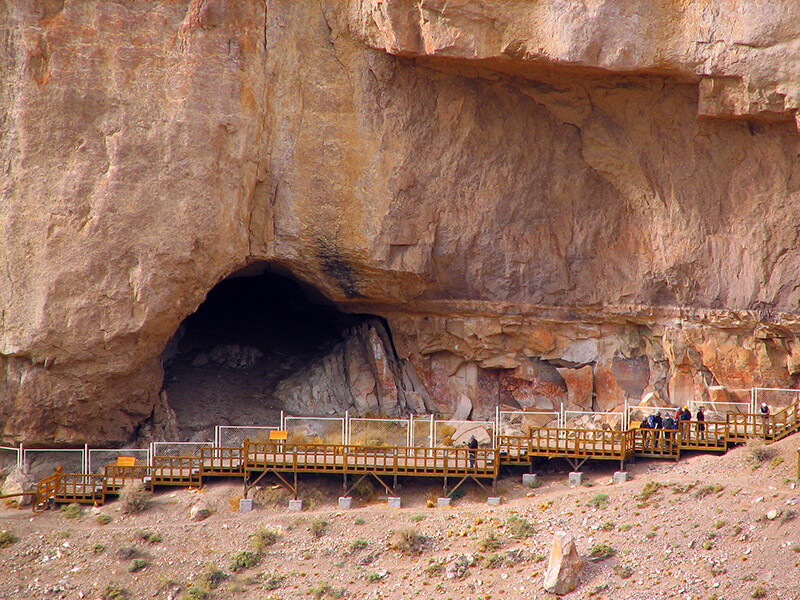
Despite its remote location, the Cueva de las Manos faces significant challenges to its preservation. Wind, rain, and temperature fluctuations threaten the delicate rock art, and erosion and fading are inevitable over time, while occasional acts of vandalism further endanger the site's integrity. To combat these risks, the provincial park administration, in coordination with Argentina's Instituto Nacional de Antropología y Pensamiento Latinoamericano (INAPL), has implemented controlled access to the site, environmental monitoring, and protective barriers around the most vulnerable panels, aiming to safeguard the cave's fragile artwork for future generations.
Visiting Cueva de las Manos Today
Today, the Cueva de las Manos attracts thousands of visitors annually, most arriving via the town of Perito Moreno or along Ruta Nacional 40, Argentina's iconic north-south highway. While tourism provides economic benefits to the local community, it also plays an essential role in raising awareness of the site's cultural and historical significance. An interpretation center at the park entrance and guided tours led by park rangers offer visitors a deeper appreciation of the cave's historical context, explaining the symbolism and techniques behind the artwork, while trails through the surrounding canyon and steppe now double as opportunities for wildlife viewing as the park's rewilding efforts take hold.
Conclusion
The Cueva de las Manos is more than a collection of prehistoric paintings; it is a testament to the ingenuity, creativity, and cultural depth of the early peoples of Patagonia, and, as a provincial park since 2020, it now stands as an example of how cultural heritage protection and ecological restoration can be pursued together rather than separately. Ongoing conservation efforts—spanning both the rock art itself and the steppe and canyon ecosystem that surrounds it—remain vital to ensuring that this extraordinary site continues to educate, inspire, and connect visitors to a landscape whose guanacos, rheas, and canyon walls have remained recognizable across more than nine thousand years.