Caribbean

The Mysterious Island of Redonda: A Geological and Ecological Gem in the Caribbean

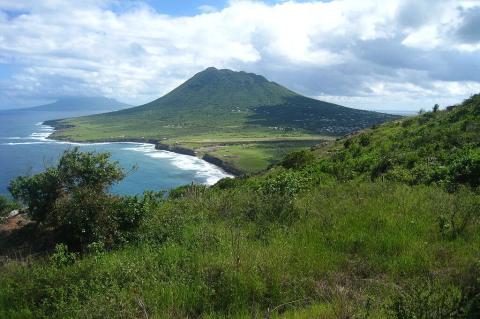
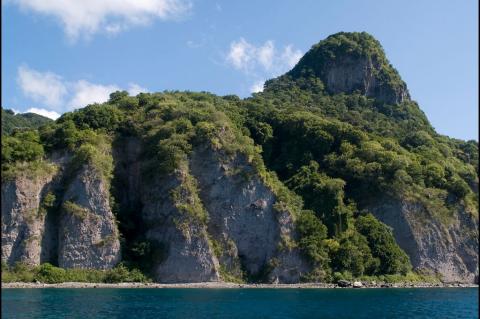
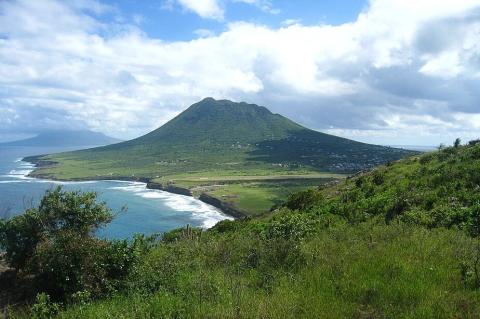
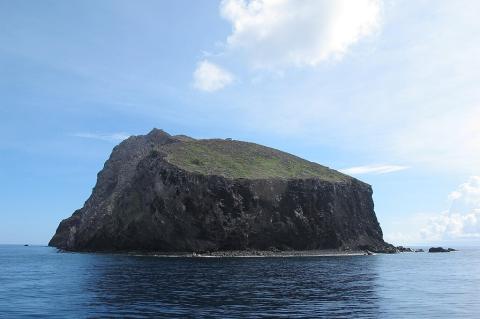
Amidst the shimmering turquoise waters of the Caribbean Sea, the tiny island of Redonda is a unique and captivating geological and ecological wonder. Unlike the lush, tropical islands that dot the area, Redonda is a rugged, volcanic outcrop that rises dramatically from the sea. Belonging to Antigua and Barbuda, this remote, uninhabited island is a testament to the remarkable diversity and resilience of life in the region.
The North American Plate: Continental Giant of the Northern Americas

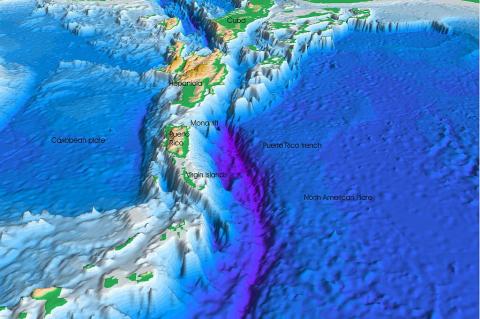
The North American Plate, Earth's second-largest tectonic plate covering approximately 76 million square kilometers (29.3 million square miles), underlies most of North America, Greenland, the western Atlantic Ocean, and portions of the Caribbean Sea. This massive continental plate illustrates the intricate interactions between continental and oceanic lithosphere, driving a range of diverse geological processes from the Arctic Ocean to Central America.

The Puerto Rico Trench: Unveiling the Depths

The Puerto Rico Trench is an impressive geological feature situated parallel to Puerto Rico's northern coast beneath the Caribbean Sea and the Atlantic Ocean. It is an underwater depression located on the border between the two vast bodies of water and is notable for its depth and complexity. The deepest point in the Atlantic Ocean, the Milwaukee Depth, can be found at the trench's western end.

The San Andrés Archipelago: Colombia's Caribbean Paradise

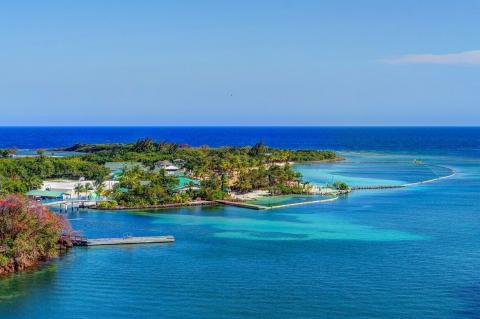
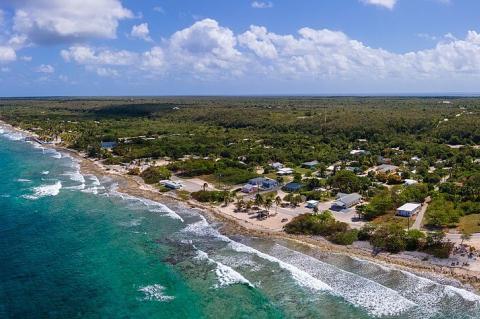
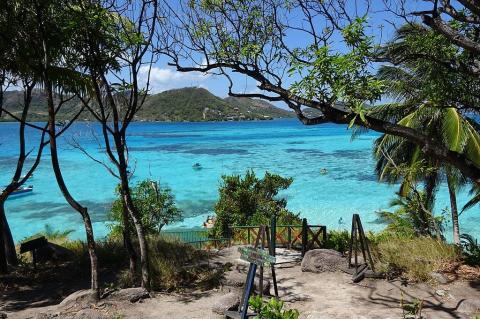
The Archipelago of San Andrés, Providencia, and Santa Catalina is a stunning collection of islands in the Caribbean Sea's western sector, belonging to the Republic of Colombia. The archipelago is a unique and captivating destination known for its rich history, vibrant culture, and incredible biodiversity. With its crystal-clear waters, lush landscapes, and warm, welcoming communities, this region is a true gem of the Caribbean.

The Soul of the Caribbean: Exploring Santiago de Cuba

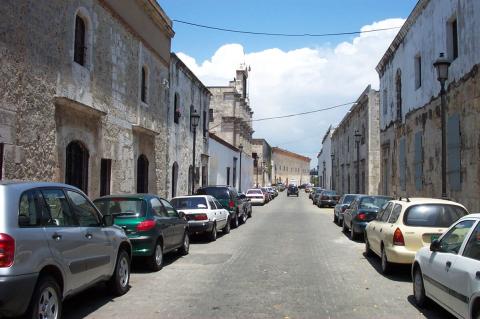
Santiago de Cuba, the second-largest city in Cuba, stands as a beacon of resilience, cultural fusion, and historical depth. Nestled between the Sierra Maestra mountains and the Caribbean Sea, this vibrant city is steeped in Afro-Caribbean traditions and revolutionary heritage. Known for its music, colonial architecture, and spirited people, Santiago has long served as a crucible of Cuban identity and resistance. Its layered history has shaped a uniquely rich urban character that continues to captivate locals and visitors alike.

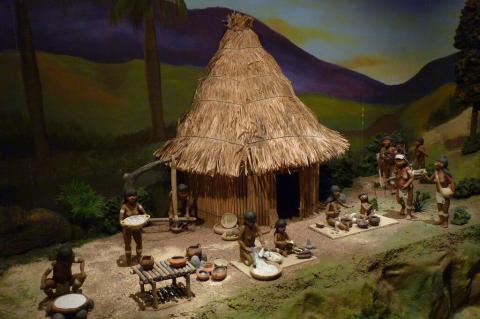
The Taíno and the Indigenous Caribbean

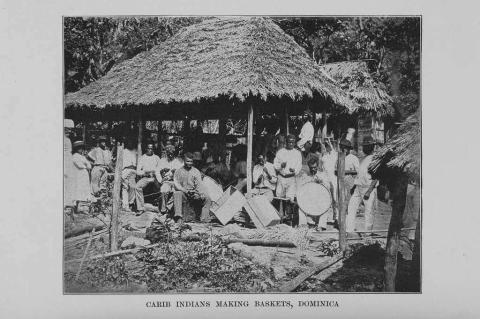
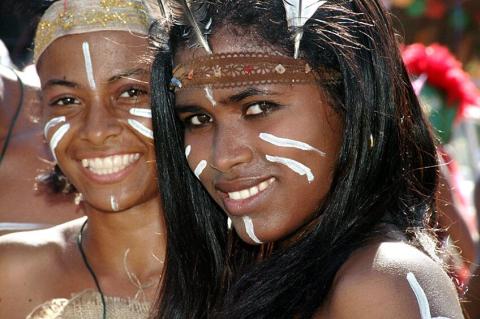
The Taíno were the Indigenous people who inhabited the Caribbean islands of the Greater Antilles, the Bahamas, and parts of the Lesser Antilles before European contact. As the first Indigenous group to encounter Christopher Columbus in 1492, they played a crucial role in shaping early European perceptions of the Americas. Their civilization flourished across present-day Cuba, Hispaniola, Puerto Rico, Jamaica, and the Bahamas, where they built sophisticated societies rooted in agriculture, trade, spirituality, and communal living.

The Tiburon Peninsula: Haiti's Rugged and Biodiverse Jewel

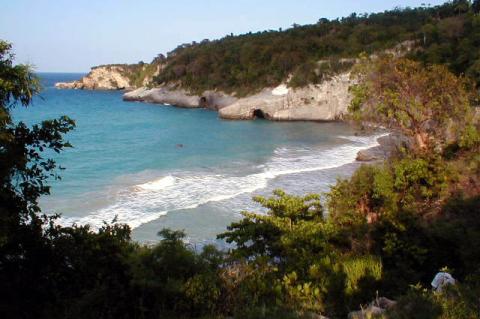
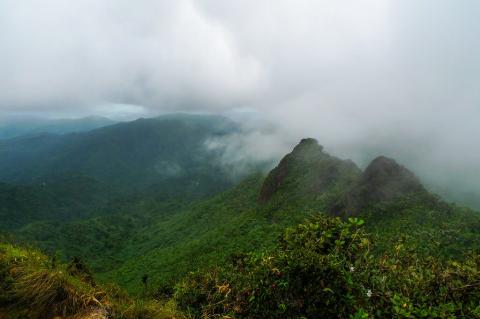
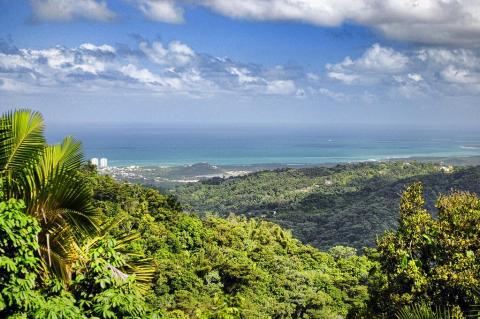
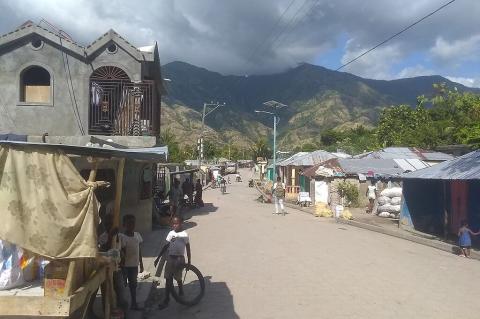
The Tiburon Peninsula, also known as the Xaragua Peninsula, stretches westward from the southernmost point of Haiti into the Caribbean Sea. Renowned for its rugged terrain, lush rainforests, and pristine beaches, the Tiburon Peninsula is a remote and sparsely populated region that embodies Haiti's natural beauty and biodiversity. Despite its challenges, the peninsula remains a vital area of cultural and ecological significance.

The Tobago Cays: Guardians of Biodiversity

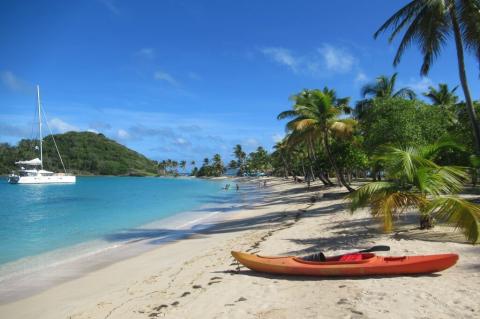
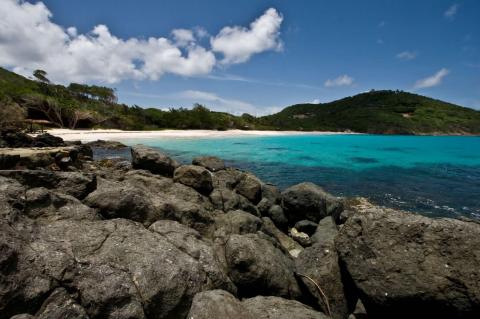
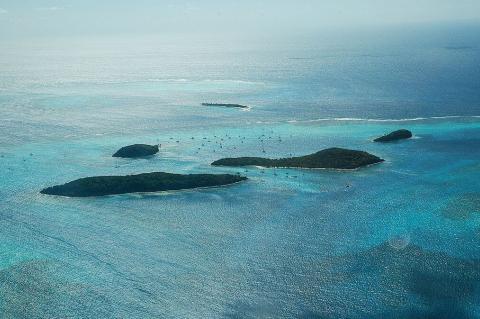
The Tobago Cays are a captivating archipelago located in the southern Grenadines of the Lesser Antilles. Comprising five small, uninhabited islands - Petit Rameau, Petit Bateau, Baradal, Petit Tabac, and Jamesby - these cays are renowned for their stunning natural beauty and popular tourist destinations. Their surrounding waters are the centerpiece of the Tobago Cays Marine Park, home to many threatened and endangered terrestrial and marine species.

The Town of Saint-Pierre, Martinique: A Storied History and Resilient Spirit

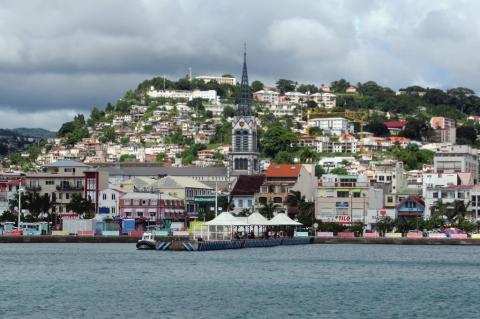
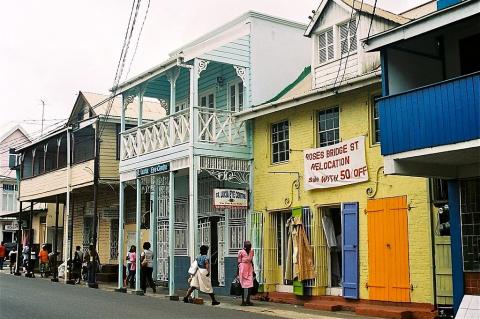
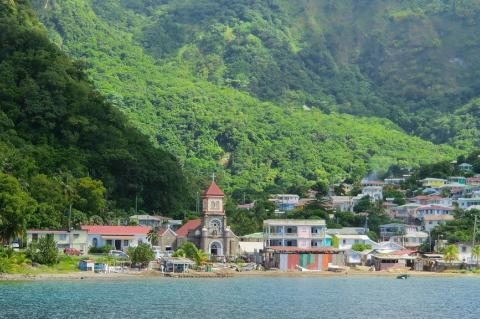
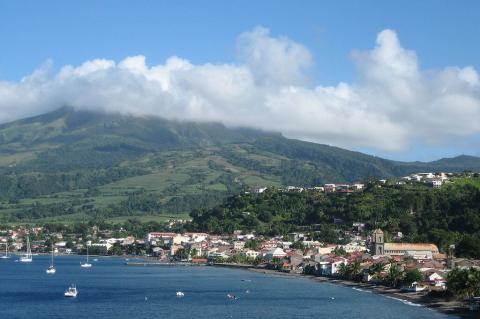
Nestled along the northern coastline of the lush, volcanic island of Martinique lies the historic town of Saint-Pierre. Martinique is an island country that is an overseas region of France, situated in the eastern Caribbean Sea as part of the Lesser Antilles island chain. It was founded in the 17th century, but a volcanic eruption in 1902 cut short its prosperity. Today, the town has rebuilt and blended its rich history with a renewed commitment to the future.

The Virgin Islands National Park: A Sanctuary of Tropical Splendor

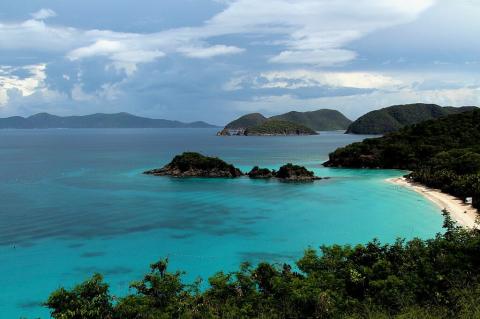
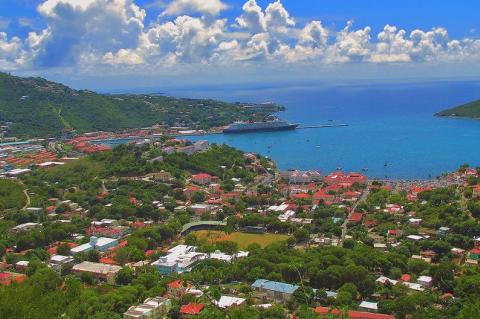
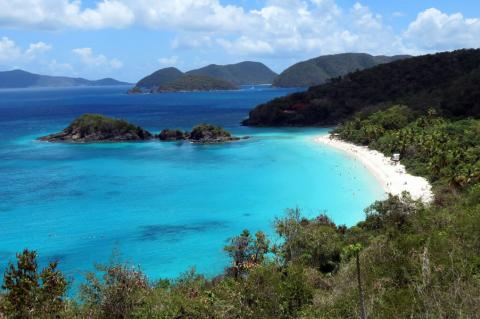
Nestled in the heart of the Caribbean, the Virgin Islands National Park stands as a breathtaking testament to the region's unparalleled natural beauty and rich cultural heritage. Spanning across the idyllic island of Saint John and the pristine waters surrounding it, this exceptional national park protects much of the island's land area as well as nearby Hassel Island. With its crystal-clear waters, vibrant coral reefs, white sandy beaches, and lush tropical forests, the park offers a captivating escape into a world of untamed wonders.