
The Cerrado Protected Areas: Preserving the Biodiversity Jewel of Brazil
Nestled in Brazil's Central-West, the Cerrado Protected Areas are a UNESCO Site conserving the world's oldest and most biodiverse tropical savanna. Located on the central plateau, these parks showcase Cerrado biodiversity and protect the biome's evolutionary heritage.
Twin Jewels of the Cerrado: UNESCO's Protected Areas in Brazil's Ancient Heartland
Nestled within Brazil's Central-West region lies an ecological treasure of global significance: the Cerrado Protected Areas, a UNESCO World Heritage Site encompassing Chapada dos Veadeiros and Emas National Parks. Inscribed in 2001, these complementary protected areas safeguard 367,341 hectares (907,679 acres) of the world's oldest and most biodiverse tropical savanna, representing humanity's most important stronghold for preserving the remarkable evolutionary heritage of the Cerrado biome.
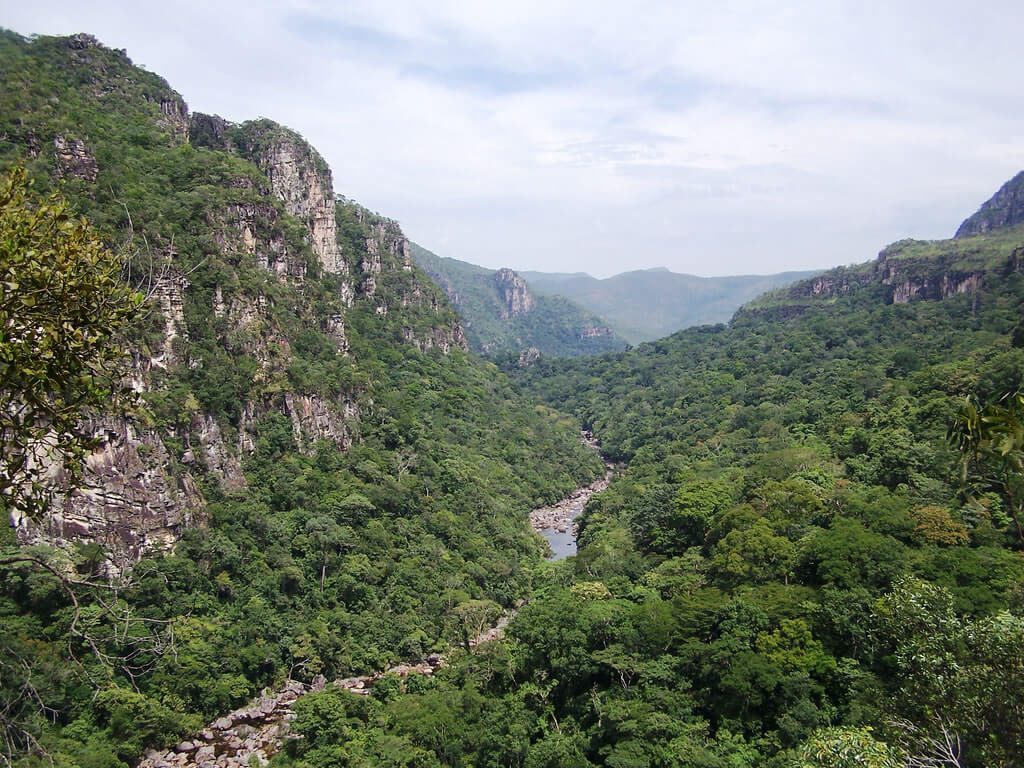
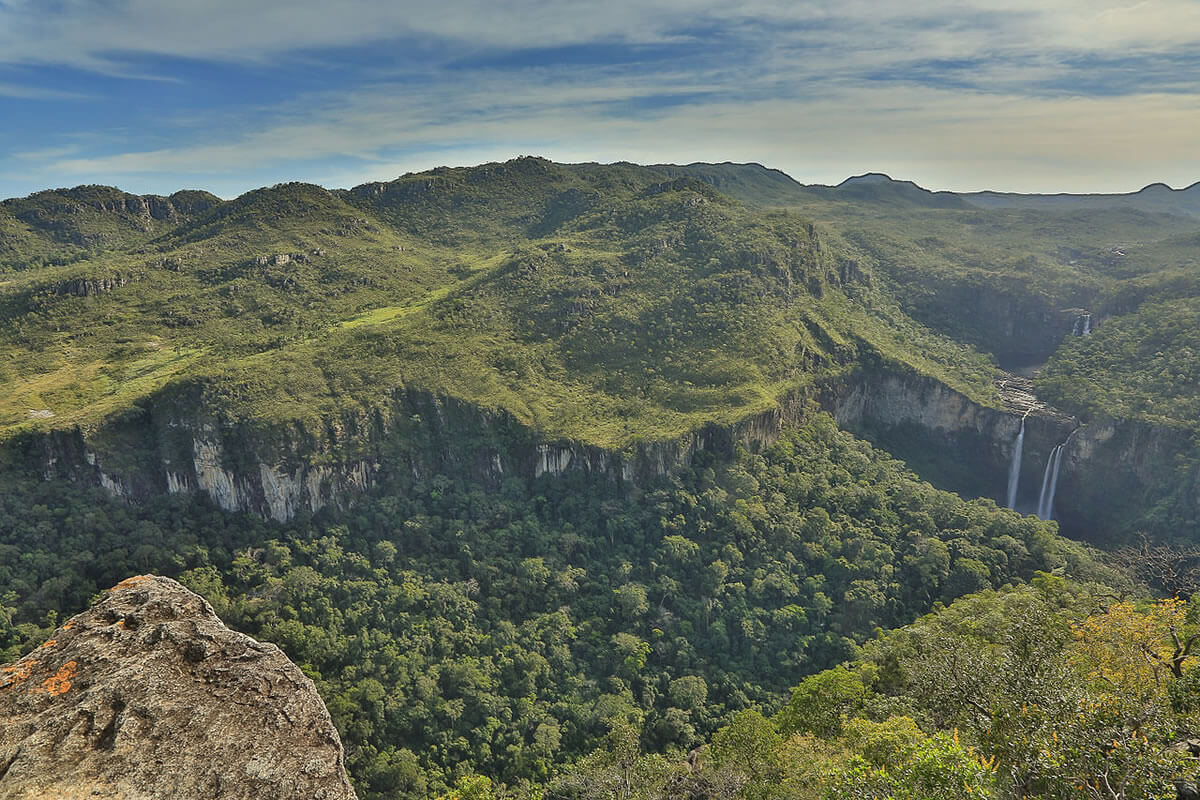
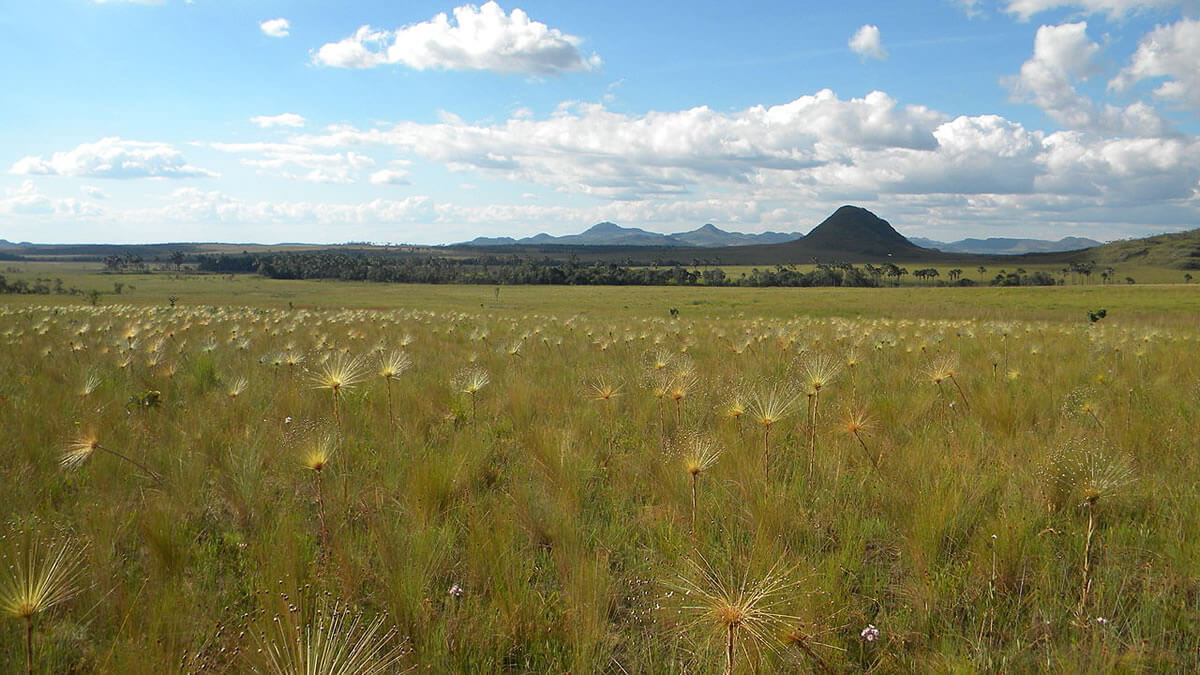
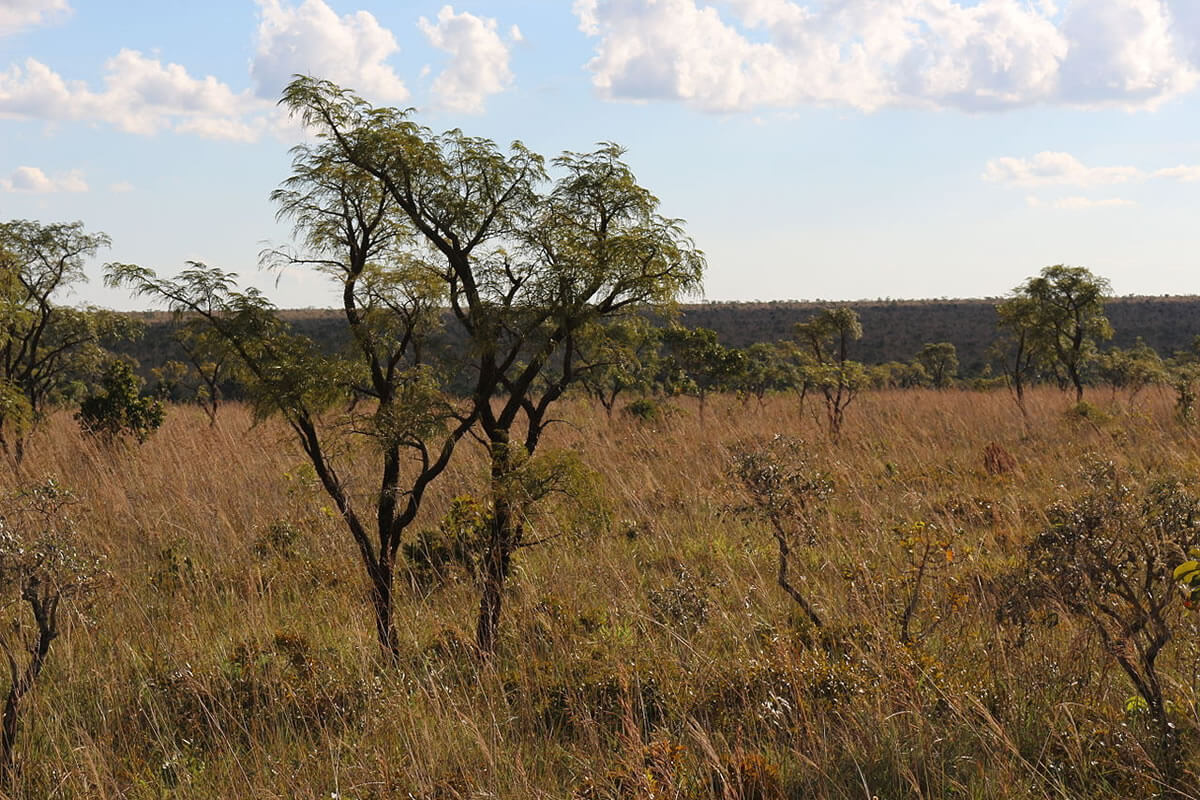
Located on Brazil's ancient central plateau, these parks preserve contrasting landscapes that together showcase the full spectrum of Cerrado biodiversity. From the crystalline waterfalls and dramatic plateaus of Chapada dos Veadeiros to the endless grasslands and termite towers of Emas, this serial World Heritage property protects flora and fauna that characterize one of Earth's most threatened biomes while serving as crucial watersheds for South America's major river systems.
The Cerrado: Earth's Most Biodiverse Savanna
The Cerrado biome originally covered nearly 2 million square kilometers (772,000 square miles) across central Brazil, constituting the world's largest tropical savanna. This ancient ecosystem, existing for over 65 million years, hosts an extraordinary 11,000-12,000 plant species and approximately 2,800 vertebrate species, with endemism rates exceeding 40% for many groups.
Despite harboring nearly 5% of global biodiversity, the Cerrado faces severe threats. Over 60% of the original biome has been converted to agriculture, experiencing faster deforestation rates than the Amazon while losing approximately 1.5 million hectares (3.7 million acres) annually. Only 3% of the Cerrado enjoys formal protection, making these World Heritage areas critically important.
Chapada dos Veadeiros National Park: Cathedral of Stone and Water
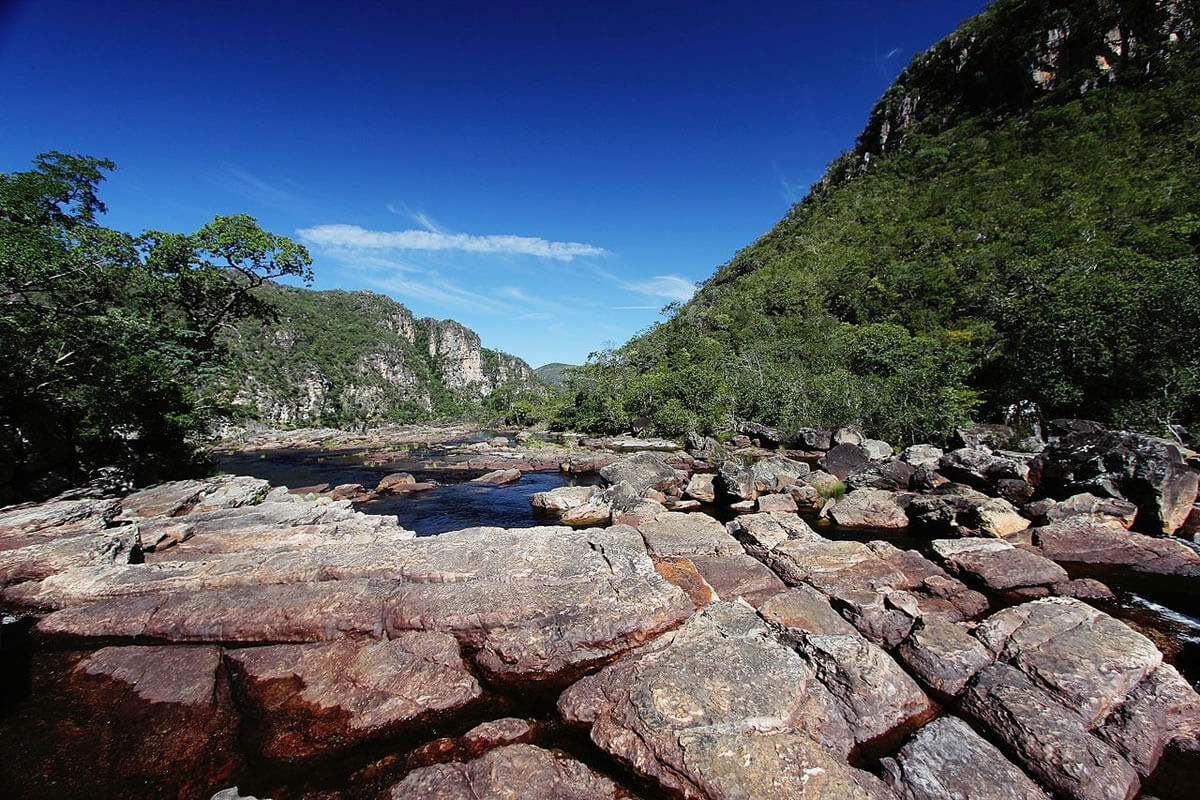
Covering 65,514 hectares (161,871 acres), Chapada dos Veadeiros sits atop quartzite formations dating back 1.8 billion years—among Earth's oldest exposed rocks. The park's dramatic landscape rises from 600 to 1,650 meters (1,969 to 5,413 feet), creating ideal conditions for over 300 waterfalls, including spectacular cascades exceeding 120 meters (394 feet) in height.
The park hosts more than 60% of all Cerrado plant species and nearly 80% of vertebrate species, making it one of the world's most significant biodiversity repositories. High-altitude rocky grasslands (campos rupestres) harbor numerous endemic species, while gallery forests support moisture-adapted flora and fauna. The park's elevated plateau serves as a continental water divide, feeding the Amazon, Tocantins, São Francisco, and Paraná river systems.
Notable wildlife includes stable populations of maned wolves (Chrysocyon brachyurus), giant anteaters (Myrmecophaga tridactyla), and jaguars (Panthera onca). The park's springs produce some of Brazil's purest water, supporting specialized aquatic communities and providing crucial habitat for endemic species.
Emas National Park: Cathedral of Grass and Sky
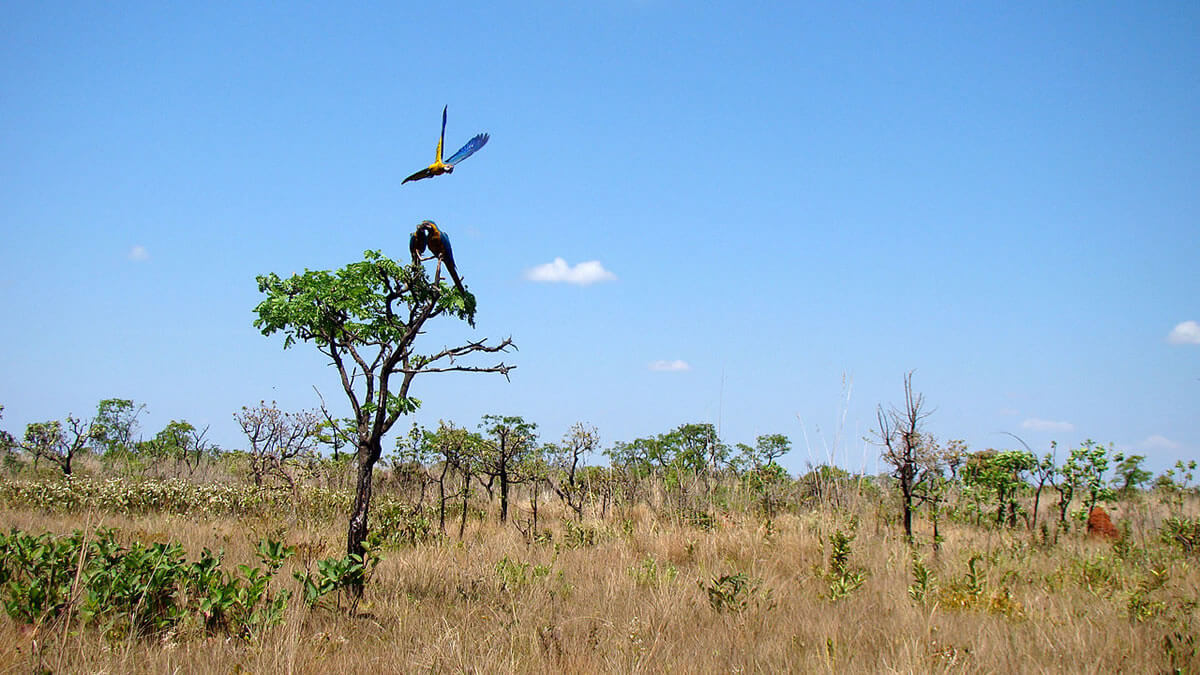
Emas National Park encompasses 132,941 hectares (328,317 acres) of quintessential Cerrado grasslands at the intersection of Goiás and Mato Grosso do Sul states. The park showcases classic Cerrado topography of rolling plains punctuated by the world's largest concentration of termite mounds, some reaching 2-3 meters (6.5-10 feet) in height.
Emas supports the highest concentrations of large Cerrado mammals anywhere in the biome. The greater rhea (Rhea americana), for which the park is named, reaches peak densities in these grasslands. Giant anteater populations represent the species' global stronghold, while maned wolves achieve exceptional densities in the open terrain that facilitates hunting and territory maintenance.
The park supports over 350 bird species, including the world's largest concentration of blue-and-yellow macaws (Ara ararauna) outside Amazonia. Large carnivores, including jaguars and pumas, maintain stable populations, benefiting from abundant prey and intact predator-prey relationships.
Complementary Conservation Strategy
The designation of both parks as a serial World Heritage property reflects their complementary roles in representing Cerrado biodiversity. Chapada dos Veadeiros protects highland ecosystems and watershed functions, while Emas preserves lowland grasslands and their specialized fauna. Together, they ensure the protection of ecological processes requiring multiple habitat types and maintain genetic diversity through geographically separated populations.
Both parks serve as crucial research sites providing insights into tropical savanna ecology applicable worldwide. Ongoing discoveries continue to reveal new species, while technological advances, including satellite telemetry and environmental DNA analysis, offer new insights into ecosystem processes and wildlife behavior.
Conservation Challenges and Management
Despite protected status, both parks face significant challenges, including habitat fragmentation from surrounding agriculture, edge effects, and climate change impacts. Conservation strategies increasingly emphasize landscape-level approache,s creating biological corridors and restoring degraded habitats to improve connectivity.
Fire management requires sophisticated strategies balancing ecological needs for periodic burning with infrastructure protection. Prescribed burning programs use controlled fires to maintain grassland structure while reducing dangerous fuel accumulations.
Climate change poses long-term challenges, potentially altering species distributions and ecosystem processes. Adaptive management strategies must anticipate changing conditions while maintaining ecosystem integrity through flexible monitoring and response programs.
Cultural Heritage and Community Engagement
Both parks incorporate thousands of years of Indigenous heritage, with archaeological sites documenting sophisticated adaptations to Cerrado environments. Traditional ecological knowledge from Indigenous communities continues to inform modern conservation practices through collaborative management approaches.
Local community partnerships develop sustainable livelihood opportunities complementing conservation objectives, including ecotourism development, environmental education programs, and community-based conservation initiatives that provide training and economic opportunities for residents.
Ecotourism and Economic Value
Both parks offer exceptional ecotourism opportunities supporting local economies while advancing conservation goals. Chapada dos Veadeiros attracts visitors interested in waterfalls and hiking, while Emas provides unparalleled wildlife viewing. Economic analyses demonstrate that the parks provide ecosystem services worth billions annually, including water regulation, carbon sequestration, and biodiversity conservation.
Infrastructure development balances visitor access with environmental protection through sustainable design principles, while guide training programs ensure tourism activities are conducted safely and sustainably while providing educational value.
Global Significance and Future Prospects
The Cerrado Protected Areas represent critical components of global climate regulation through carbon sequestration and watershed protection, affecting ecosystems across South America. Their role as climate refugia will become increasingly important as environmental conditions change across the broader region.
Future conservation success requires expanding protected area networks, creating biological corridors, and promoting sustainable land use practices. International cooperation through UNESCO programs and climate initiatives provides frameworks for ongoing support while recognizing the parks' importance for global environmental stability.
Continued scientific research will reveal new aspects of biodiversity and ecological processes, informing conservation strategies and highlighting the ongoing importance of protecting these remarkable ecosystems. Educational programs reaching thousands annually help build the next generation of conservation advocates while promoting global awareness of Cerrado conservation needs.
Conclusion: A Legacy for Future Generations
The Cerrado Protected Areas stand as twin jewels of Brazilian conservation, protecting irreplaceable evolutionary heritage while demonstrating successful integration of scientific research, community engagement, and sustainable development. These remarkable ecosystems preserve not merely species and landscapes, but entire evolutionary processes shaped over millions of years.
From ancient quartzite formations to endless grasslands teeming with wildlife, these parks remind us of our planet's incredible capacity for beauty and biodiversity. As global environmental challenges intensify, they offer hope and practical solutions, proving that with vision, dedication, and collaboration, humanity can successfully protect the natural treasures that sustain all life on Earth.
In safeguarding these irreplaceable ecosystems, we preserve a living library of biological diversity that holds keys to understanding life's resilience and our planet's capacity for renewal—ensuring that future generations will inherit the wonder and wisdom of the world's most biodiverse savanna.