World Heritage Sites in Brazil

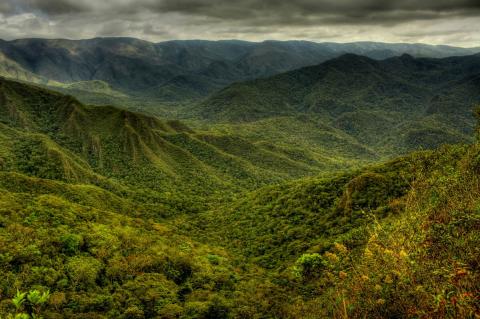
Biodiversity Hotspot: The Atlantic Forest Southeast Reserves of Brazil

Nestled in the states of Paraná and São Paulo, Brazil, the Atlantic Forest Southeast Reserves stand as a testament to the incredible biodiversity and ecological richness of the Atlantic Forest. This World Heritage site, part of the larger Mata Atlântica Biosphere Reserve, encompasses some of the finest remaining examples of the Atlantic Forest, one of the most threatened biomes in the world.

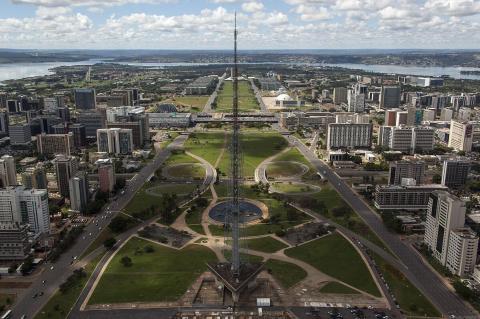
Brasília: A Modernist Utopia in the Heart of Brazil

Nestled within the Brazilian Highlands in the country's central-west region, Brasília is a testament to human ambition and architectural innovation. This planned city, founded in 1960, serves as the Federal Capital of Brazil and the seat of government for the Federal District. More than just a political center, Brasília represents a bold experiment in urban planning and modernist design, earning recognition as a UNESCO World Heritage Site and, more recently, the title of "City of Design" within UNESCO's Creative Cities Network.

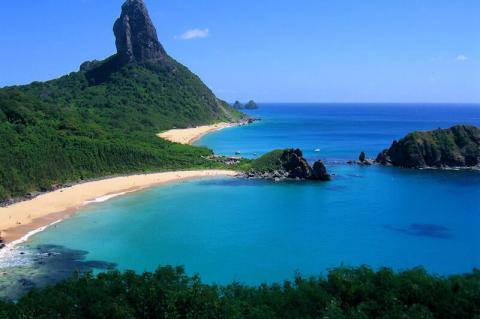
Brazilian Atlantic Islands: A UNESCO World Heritage Site

The Brazilian Atlantic Islands, comprising the Fernando de Noronha Marine National Park and the Atol das Rocas Biological Reserve, form an exceptional UNESCO World Heritage Site recognized for their unique biodiversity, stunning landscapes, and significant ecological roles in the South Atlantic. The archipelago of Fernando de Noronha, located off the northeastern coast of Brazil, plays a critical role in maintaining the ecological balance of the South Atlantic.

Cavernas do Peruaçu National Park: Exploring Brazil's Peruaçu River Canyon

In northern Minas Gerais, Brazil, the Peruaçu River Canyon, a UNESCO World Heritage Site, is encompassed by Cavernas do Peruaçu National Park. This remarkable landscape showcases geological formations, biological diversity, and human history spanning millennia. Limestone formations have created an underground world with over 140 caves and prehistoric rock art dating back 12,000 years. The canyon exemplifies the interplay of geological, natural, and cultural development that has shaped this unique corner of Brazil.

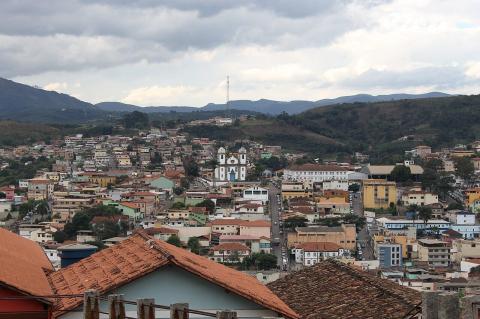
Congonhas: Baroque Jewel of Minas Gerais

Perched atop the Morro do Maranhão bluff in the heart of Brazil's mining country, Congonhas stands as a testament to the wealth and artistry of the colonial gold rush era. This historic city in southeastern Minas Gerais seamlessly blends its baroque heritage with modern Brazilian life. Home to approximately 55,000 residents, Congonhas remains both a pilgrimage destination for millions of Catholics and a living museum of 18th-century Brazilian art and architecture.

Diamantina: Diamond Capital of Colonial Brazil

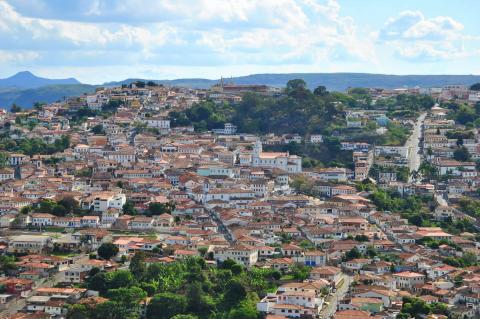
High in the arid mountains of the Serra do Espinhaço, the historic city of Diamantina stands as a testament to the diamond fever that gripped colonial Brazil in the 18th century. Originally known as Arraial do Tijuco, this remote settlement in northern Minas Gerais became the world's premier diamond-mining center, with its wealth transforming a rough mining camp into an elegant colonial city adorned with baroque churches and grand mansions. Today, Diamantina preserves its colonial character so completely that UNESCO designated its historic center a World Heritage Site

Exploring Rio de Janeiro: Between Mountains and Sea

Nestled along Brazil's southeastern coast, Rio de Janeiro, known as the "Cidade Maravilhosa" or Marvelous City, captivates with its stunning blend of natural wonders and vibrant urban life. Renowned for its breathtaking landscapes, rich cultural heritage, and iconic landmarks, Rio de Janeiro has earned international acclaim, including the prestigious UNESCO designation of "Carioca Landscapes Between the Mountain and the Sea."

Goiás Velho: A Journey through Brazil's Colonial Legacy

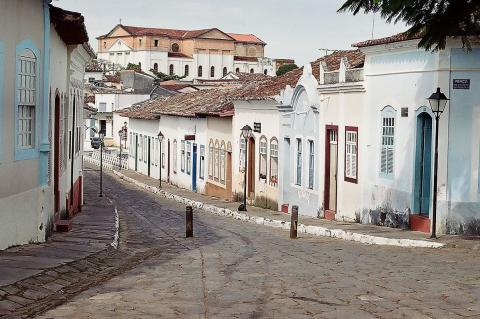
Nestled amidst Brazil's rolling hills and lush greenery lies the picturesque and captivating town of Goiás. With its stunning, well-preserved colonial architecture and quaint cobblestone streets, this charming town paints a vivid picture of a bygone era. As the capital of the state of Goiás, Goiás Velho exudes an air of cultural significance, proudly showcasing the unique blend of traditions and customs that have shaped Brazil's history.

Guardians of the Amazon: The Central Amazon Conservation Complex

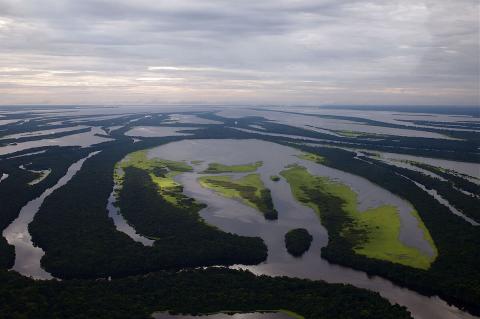
The Central Amazon Conservation Complex is one of Earth's largest and most biologically diverse protected areas. It is located in the heart of the Amazon Basin, west-northwest of Manaus, Brazil; the complex forms the core of the Central Amazon Ecological Corridor. This vast area encompasses some of the most critical ecosystems in Amazonia, representing a wide array of flora and fauna, including numerous endangered and endemic species. This UNESCO World Heritage Site is essential in preserving the ecological integrity of the world's largest tropical rainforest.

Historic Town of Ouro Preto: The Heart of Brazil's Colonial Heritage

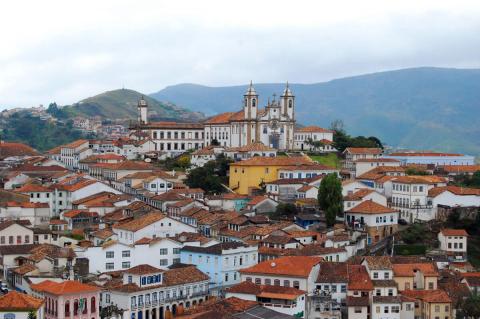
Nestled within the Brazilian Highlands, the historic town of Ouro Preto in Minas Gerais is a testament to Brazil's rich colonial history and architectural grandeur. This UNESCO World Heritage site is renowned for its well-preserved colonial architecture, cultural heritage, and artistic legacy. Founded in 1698 and once the capital of Minas Gerais, Ouro Preto played a pivotal role during the Brazilian Gold Rush, transforming it into a prosperous center of wealth and culture.