Brazil

A Journey Through Aparados da Serra: Brazil's Oldest National Park

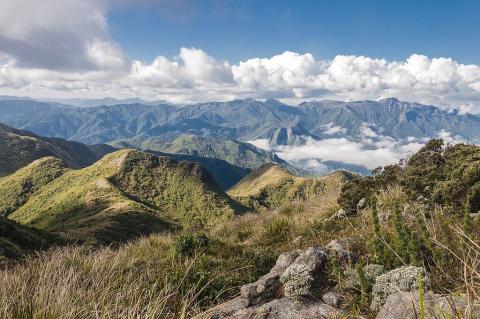
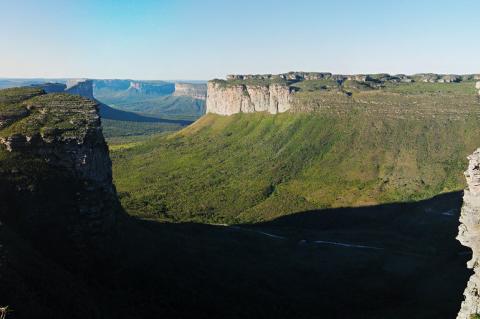
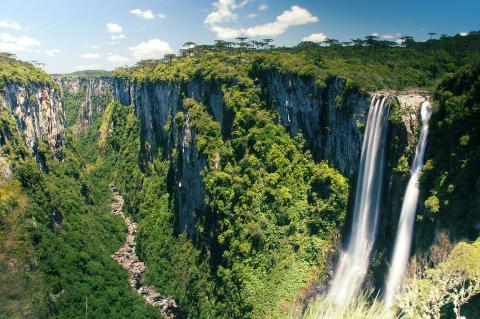
Aparados da Serra National Park, established in 1959 in southern Brazil, is renowned for its dramatic landscapes, particularly the Itaimbezinho Canyon. This park hosts a rich biodiversity, including numerous endangered species. The park's diverse ecosystems range from coastal forests to grasslands and are protected through various conservation efforts. Ecotourism plays an important role in supporting these conservation goals.

A Remote Marvel: The Saint Peter and Saint Paul Archipelago

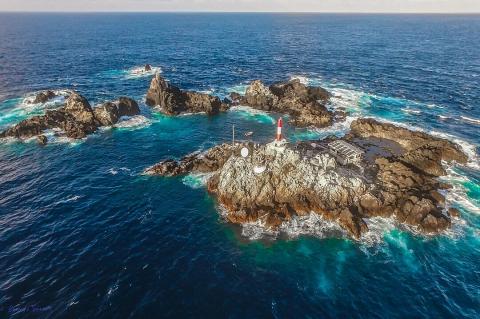
The Saint Peter and Saint Paul Archipelago, a small and isolated group of islets, rises dramatically from the central Atlantic Ocean, nearly 1,000 km from the northeastern coast of Brazil. These rocky outcroppings are the only natural exposure of the Earth's mantle above sea level in the Atlantic, offering a unique glimpse into the planet's geological history. Despite their remote and barren nature, these islets are a hotspot of scientific interest and ecological significance.

Alter do Chão and Santarém: Where the Tapajós Meets the Amazon

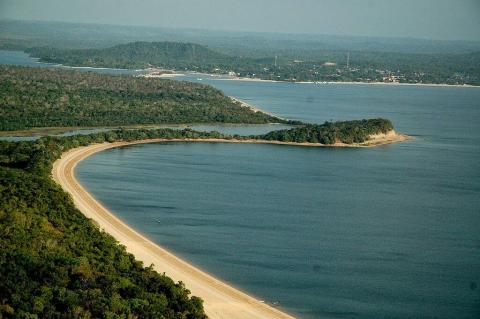
Alter do Chão is a village in western Pará, where the clear waters of the Tapajós River meet a white-sand shoreline and the Amazon forest. Each dry season, the river retreats, exposing long freshwater beaches that have earned the village the nickname "Amazon Caribbean." It also has deep roots: a Borari settlement before the Portuguese arrived, a Jesuit mission, a river port in the rubber era, and home to the Sairé, one of the Amazon's oldest folk festivals. Today it faces the pressures common to the region, including drought, fire, and land speculation.

Amazonia National Park: Preserving the Rich Mosaic of the Amazon Rainforest

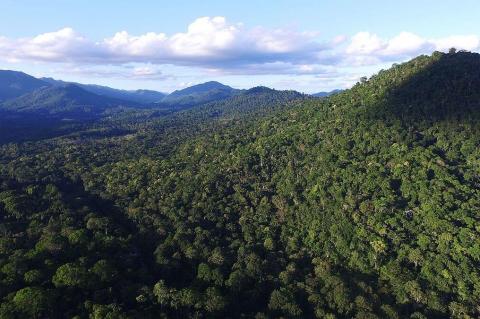
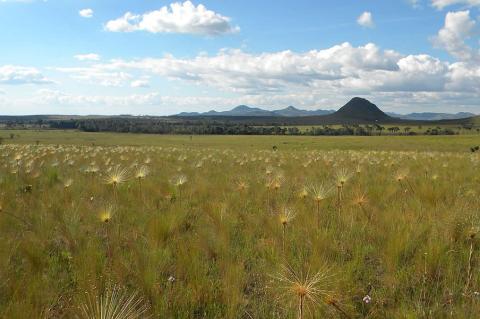
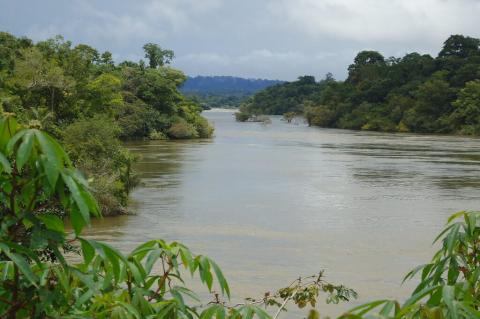
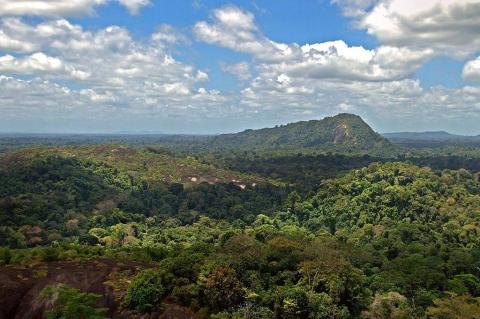
Amazonia National Park is the oldest national park in the Amazon Rainforest. Spanning over a million hectares along the Tapajós River in Brazil, it safeguards a highly biodiverse habitat featuring dense lowland rainforests and white-sand grasslands. The park is a transition area between the Amazon Rainforest in the south and the Brazilian Cerrado in the north.

Anavilhanas Archipelago and National Park: Guardians of the Amazon

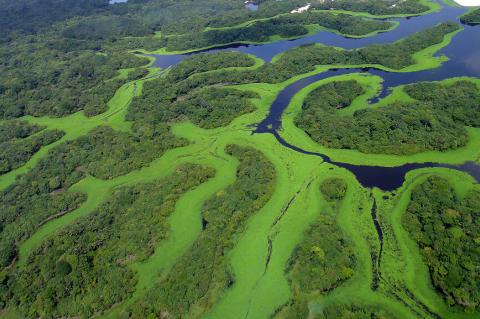
The Anavilhanas Archipelago is a testament to the dynamic forces of nature that shape the Amazon landscape. Comprising around 400 islands, 60 lakes, and numerous river channels, the archipelago is the world's second-largest fluvial archipelago. Situated in the Amazonas region of Brazil, Anavilhanas National Park stands as a bastion of biodiversity and ecological significance within the vast expanse of the Amazon Rainforest.

Araguaia National Park: A Haven of Biodiversity and Indigenous Culture

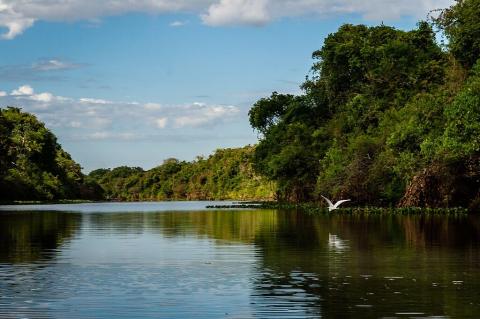
In the southwestern part of Tocantins, Brazil, lies Bananal Island, the largest fluvial island in the world. Formed by the bifurcation of the Araguaia River, this unique landscape is a haven for biodiversity and cultural heritage. Sharing this remarkable environment is Araguaia National Park, a protected area that showcases the region's rich flora and fauna. Exploring their natural beauty, ecological significance, and cultural importance reveals the actual value of these extraordinary areas.

Belém: Cultural Capital of the Amazon Delta

On the edge of the vast Amazon Rainforest, where the mighty Amazon River meets the Atlantic Ocean, lies Belém, a city teeming with heritage, vibrancy, and ecological richness. As the capital of the state of Pará in northern Brazil, Belém plays a pivotal role in connecting the world to the Amazon Basin. Known for its colonial architecture, vibrant markets, and culinary traditions deeply rooted in the rainforest, the city has evolved from a Portuguese fort into a thriving hub for trade, religion, and culture.

Belo Horizonte: Brazil's First Planned Modern City

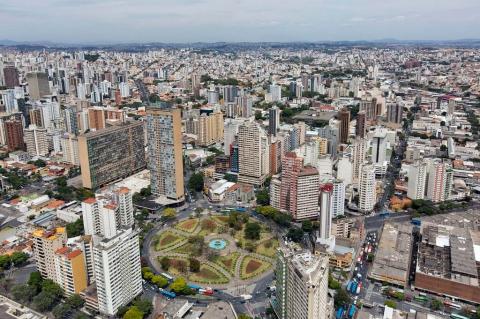
Rising from a plateau surrounded by the Curral del Rey Mountains, Belo Horizonte stands as a testament to Brazil's vision of modernity at the dawn of the republican era. This planned city, inaugurated in 1897 as the capital of Minas Gerais, represents a decisive break from the colonial past—a forward-looking metropolis designed with wide avenues, geometric precision, and aspirations to become a center of commerce and culture. Today, Belo Horizonte ranks as Brazil's third-largest urban area and serves as a vital hub for industry, technology, and the arts in southeastern Brazil.

Biodiversity Hotspot: The Atlantic Forest Southeast Reserves of Brazil

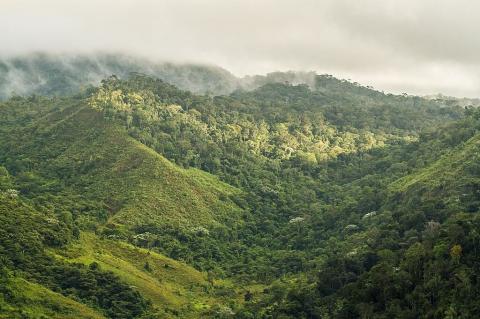
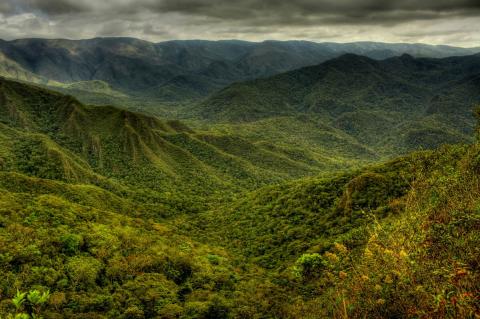
Nestled in the states of Paraná and São Paulo, Brazil, the Atlantic Forest Southeast Reserves stand as a testament to the incredible biodiversity and ecological richness of the Atlantic Forest. This World Heritage site, part of the larger Mata Atlântica Biosphere Reserve, encompasses some of the finest remaining examples of the Atlantic Forest, one of the most threatened biomes in the world.

Brasília: A Modernist Utopia in the Heart of Brazil

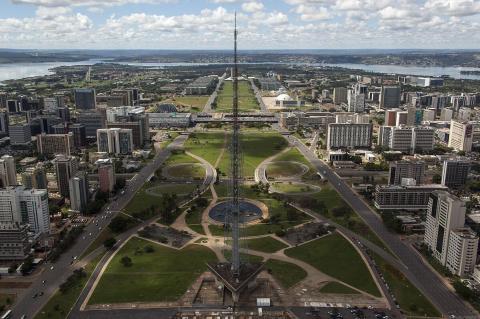
Brasília is Brazil's federal capital and the seat of its government. Founded in 1960 on a high plateau in the Brazilian Highlands, it was built from scratch in just 41 months to move the country's center of power inland from the coast. Designed by Lúcio Costa and Oscar Niemeyer, it is one of the most ambitious planned cities of the twentieth century and has been a UNESCO World Heritage Site since 1987. The capital is the center of the Federal District, home to about 2.8 million people, and is the third-largest city in Brazil.