Landforms of Peru

Lake Titicaca: Ancient Waters of the Andes

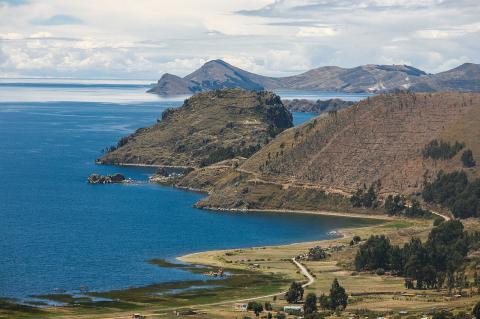
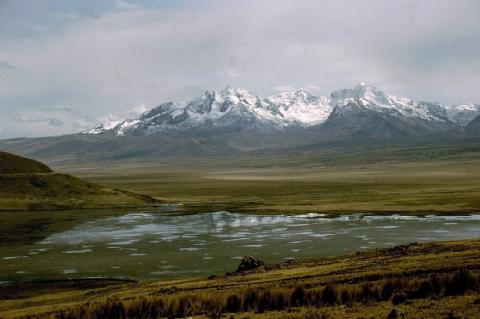
Lake Titicaca is one of the highest navigable lakes in the world. It is situated at the northern end of the Altiplano basin, on the border of Peru and Bolivia in the Andes Mountains. With a history dating back millions of years, Lake Titicaca is the largest lake in South America by volume and holds great cultural and ecological significance. The lake has always been an integral part of indigenous cultures and provides a habitat for a wide range of biodiversity, including over 530 aquatic species.

Madeira River: A Lifeline of the Amazon Basin

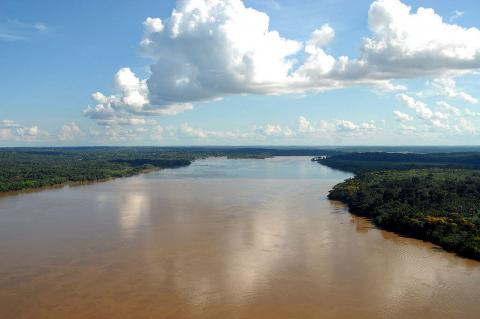
The Madeira River is one of South America's most significant waterways, playing a crucial role in the hydrology of the Amazon Basin. It is the largest and most important tributary of the Amazon River, making it a vital component of the region's ecosystem. Spanning Bolivia and Brazil, this mighty river traverses diverse landscapes and supports an array of flora and fauna, underscoring its importance as both a natural resource and a habitat.

Paracas National Reserve: A Coastal Desert Haven in Peru

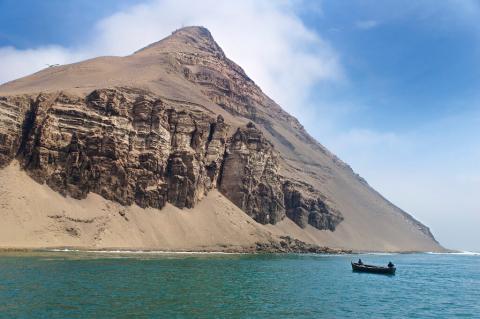
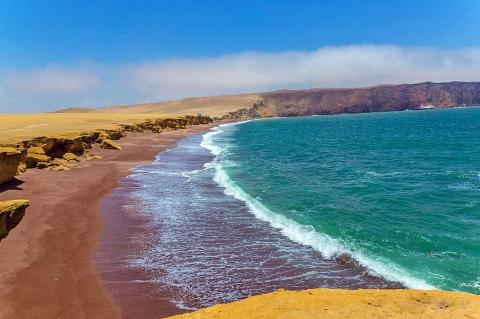
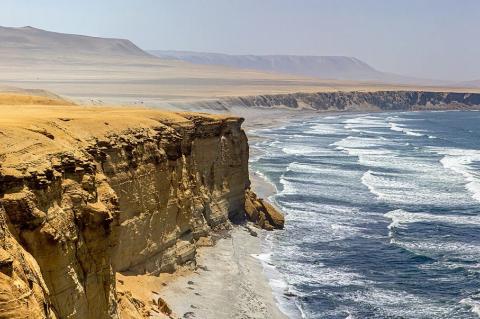
Paracas National Reserve is a unique protected area located in the Ica region of Peru, spanning coastal desert and marine ecosystems, making it a critical conservation area in South America. The reserve encompasses the Paracas Peninsula, Independence Bay, and surrounding desert regions, offering a rich mosaic of landscapes supporting diverse wildlife. In addition to its natural beauty, Paracas is steeped in archaeological history, with remnants of the ancient Paracas culture visible in the region. The combination of ecological significance and cultural heritage makes the Paracas National Reserve an exceptional destination.

Purus River: Lifeblood of the Southwestern Amazon

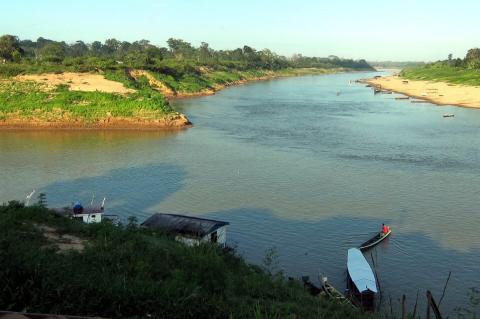
The Purus River is one of the Amazon Basin's significant tributaries, winding its way through the heart of the Amazon Rainforest. Originating in the Ucayali Basin in Peru, the river traverses a vast expanse of wilderness before merging with the Amazon River in Brazil. The Purus River's extensive basin is a vital hydrological and ecological feature of the Amazon, supporting diverse flora, fauna, and human communities.

The Andean Volcanic Belt and the Pacific Ring of Fire: Unveiling Earth's Geological Marvels

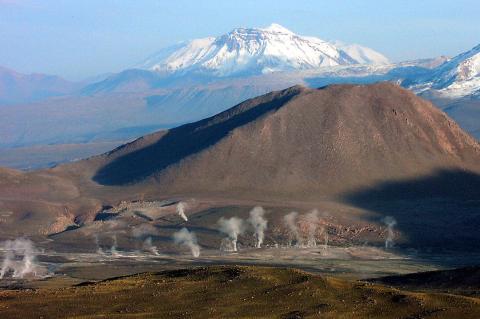
The Andean Volcanic Belt, along South America's western coast, forms as the Nazca and Antarctic plates subduct beneath the South American Plate. This process generates various volcanic zones, illustrating the intricate interplay of Earth's crustal plates. The belt showcases diverse geological phenomena, from the hazards in the Northern Volcanic Zone to the silicic systems in the Central Volcanic Zone and the glaciated stratovolcanoes in the Austral Volcanic Zone.

The Callejón de Huaylas: Peru's Valley of Eternal Snow

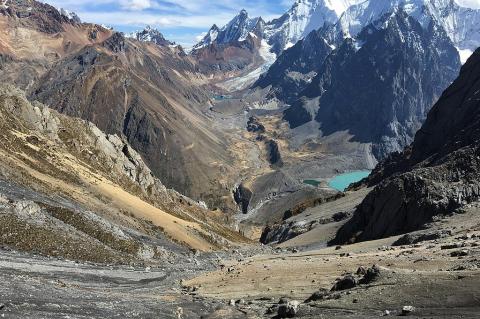
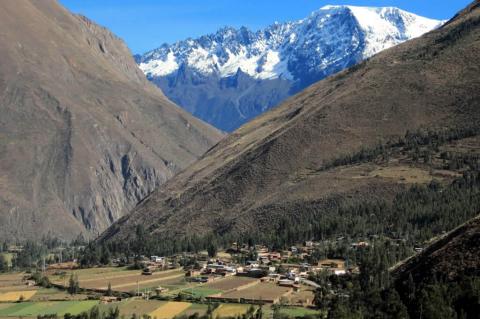
The Callejón de Huaylas is a spectacular inter-Andean valley in Peru's Ancash region, stretching from Laguna Conococha to Cañón del Pato. Positioned between the snow-capped Cordillera Blanca to the east and the darker Cordillera Negra to the west, this fertile valley follows the Santa River and supports diverse ecosystems across multiple altitudinal zones. Home to traditional agricultural communities cultivating potatoes, maize, and barley, the valley serves as the gateway to Huascarán National Park and world-class mountaineering destinations.

The Colca Canyon: Peru's Natural Wonder

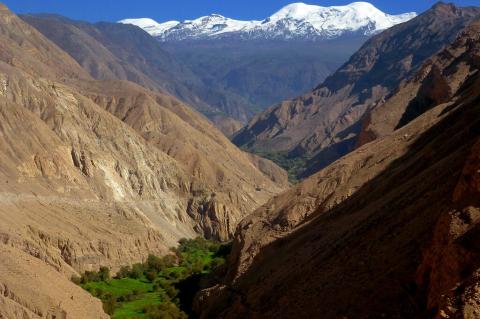
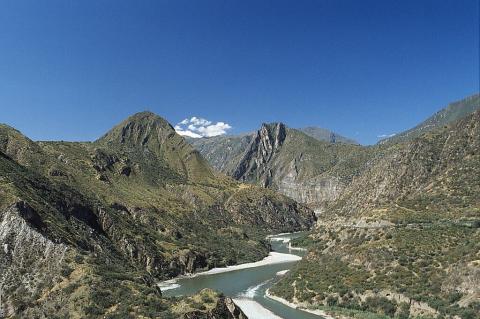
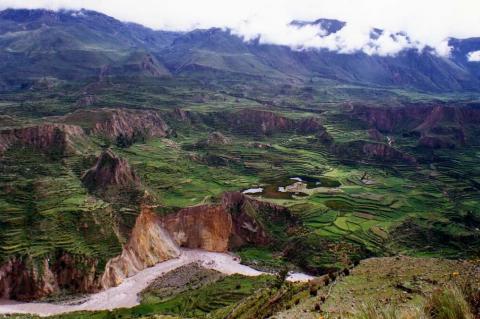
Nestled amidst the towering peaks of the Andes Mountains lies the enchanting Colca Valley, a place of unparalleled beauty and cultural richness. Deep within this valley, the Colca Canyon stands as a testament to nature's awe-inspiring power, carved over millennia by the relentless force of the Colca River. This magnificent canyon is one of the world's deepest and most breathtaking natural wonders.

The Cordillera del Cóndor: An Ecological and Cultural Gem at the Heart of the Andes

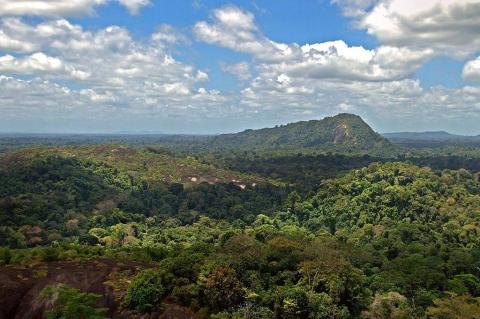
The Cordillera del Cóndor, located on the border between Ecuador and Peru, is a testament to the remarkable diversity of life on our planet. This mountain range, with its rugged peaks and verdant valleys, has captured the attention of scientists and conservationists. It is the ancestral home of the Shuar people and is surrounded by protected areas, offering a journey into one of the world's most biodiverse regions.

The Madre de Dios River: Gateway to the Amazon Basin

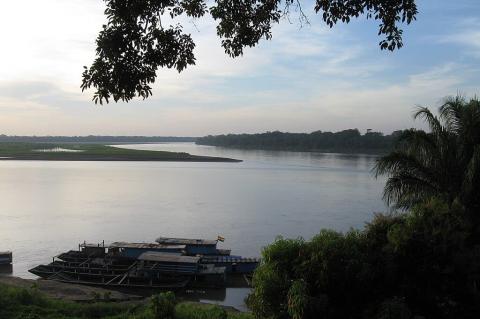
The Madre de Dios River, a vital headwater tributary of the Amazon River, forms an essential part of the Amazon River drainage basin and plays a crucial role in the geography and ecology of Peru and Bolivia. The river, originating in the Andes, flows through vast stretches of tropical rainforest, providing transportation, sustenance, and a lifeline for the sparse populations living along its banks. The river's basin is home to significant biodiversity and supports a variety of ecosystems while also serving as an essential route for the region's Indigenous peoples.

The Peru-Chile Trench: South America's Deepest Frontier and the Bolivian Orocline

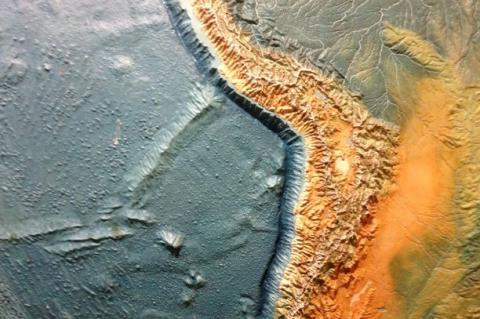
Along South America's western coast lies one of Earth's most spectacular geological features. The Peru-Chile Trench represents the deepest oceanic depression in the South Pacific and serves as the active collision zone where the Nazca Plate slides beneath the South American continent. This submarine canyon, intertwined with the dramatic coastal bend known as the Bolivian Orocline, tells a story of planetary-scale forces that have sculpted the Andes Mountains and continue to shape one of the world's most geologically active regions.