
Congonhas: Baroque Jewel of Minas Gerais
Perched atop the Morro do Maranhão bluff in the heart of Brazil's mining country, Congonhas stands as a testament to the wealth and artistry of the colonial gold rush era. This historic city in southeastern Minas Gerais seamlessly blends its baroque heritage with modern Brazilian life.
The Historic City of Congonhas: Baroque Art in the Brazilian Highlands
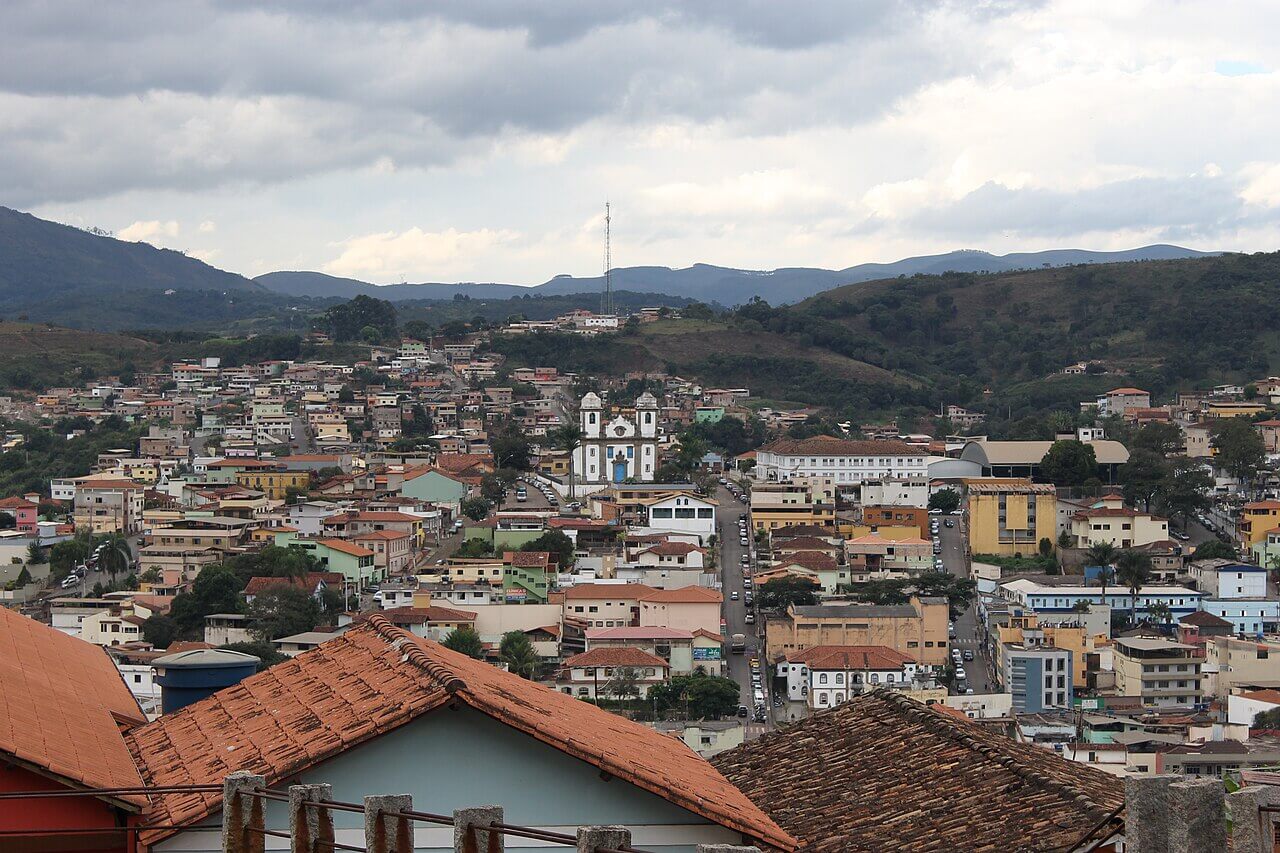
Perched atop the Morro do Maranhão bluff in the heart of Brazil's mining country, Congonhas stands as a testament to the wealth and artistry of the colonial gold rush era. This historic city in southeastern Minas Gerais, 90 kilometers (56 miles) south of Belo Horizonte, seamlessly blends its baroque heritage with modern Brazilian life. Home to approximately 55,000 residents, Congonhas remains both a pilgrimage destination for millions of Catholics and a living museum of 18th-century Brazilian art and architecture.
Geographic Setting and Climate
Congonhas sits at an elevation of approximately 870 meters (2,854 feet) above sea level in the Serra do Ouro Branco, part of the broader Espinhaço mountain range that defines much of Minas Gerais' topography. The city occupies a strategic position along highway BR-040, the major transportation corridor connecting Rio de Janeiro to Belo Horizonte.
The climate is classified as Cwb under the Köppen-Geiger system—a subtropical highland climate characterized by mild temperatures and distinct wet and dry seasons. Average annual temperature hovers around 19.3°C (66.8°F), with temperatures typically ranging from 12°C to 29°C (54°F to 84°F) throughout the year. The wettest months occur during the Southern Hemisphere's summer, from December through March, with December receiving the heaviest rainfall at approximately 309 millimeters (12.2 inches). Conversely, the dry winter months of June and July see minimal precipitation, with July recording only 14 millimeters (0.6 inches). Annual precipitation totals approximately 1,623 millimeters (63.9 inches).
The region's red earth and rolling hills—remnants of ancient geological processes—contain the rich mineral deposits that have shaped Congonhas' destiny for over three centuries.
Historical Development
The Gold Rush Era
Congonhas' origins date back to the early 18th century, when Portuguese adventurers and prospectors ventured into the Brazilian interior in search of precious metals. The town's name derives from "congonha," a native Brazilian plant (Ilex conocarpa), which was abundant in the region. During Brazil's first gold rush—which predated California's by more than a century—this area flourished as miners extracted wealth from the surrounding hills.
The settlement achieved official municipal status in 1938, though it had existed as an important mining center for two centuries prior. Until 1948, the city was known as Congonhas do Campo, a name that emphasized its rural, mining camp origins. The wealth generated during the gold boom funded the construction of churches, mansions, and public buildings that exemplify Brazilian baroque architecture at its finest.
From Gold to Iron
When gold deposits began to diminish in the late 18th century, Congonhas faced an uncertain future. However, the town's fortunes were revived by the discovery of substantial iron ore reserves. In the early 19th century, Brazil's first steel center was established in Congonhas, marking the beginning of a new industrial era. This transition from gold to iron has preserved Congonhas' economic vitality while allowing its baroque treasures to endure as heritage monuments.
The Sanctuary of Bom Jesus do Congonhas
Feliciano Mendes' Vision
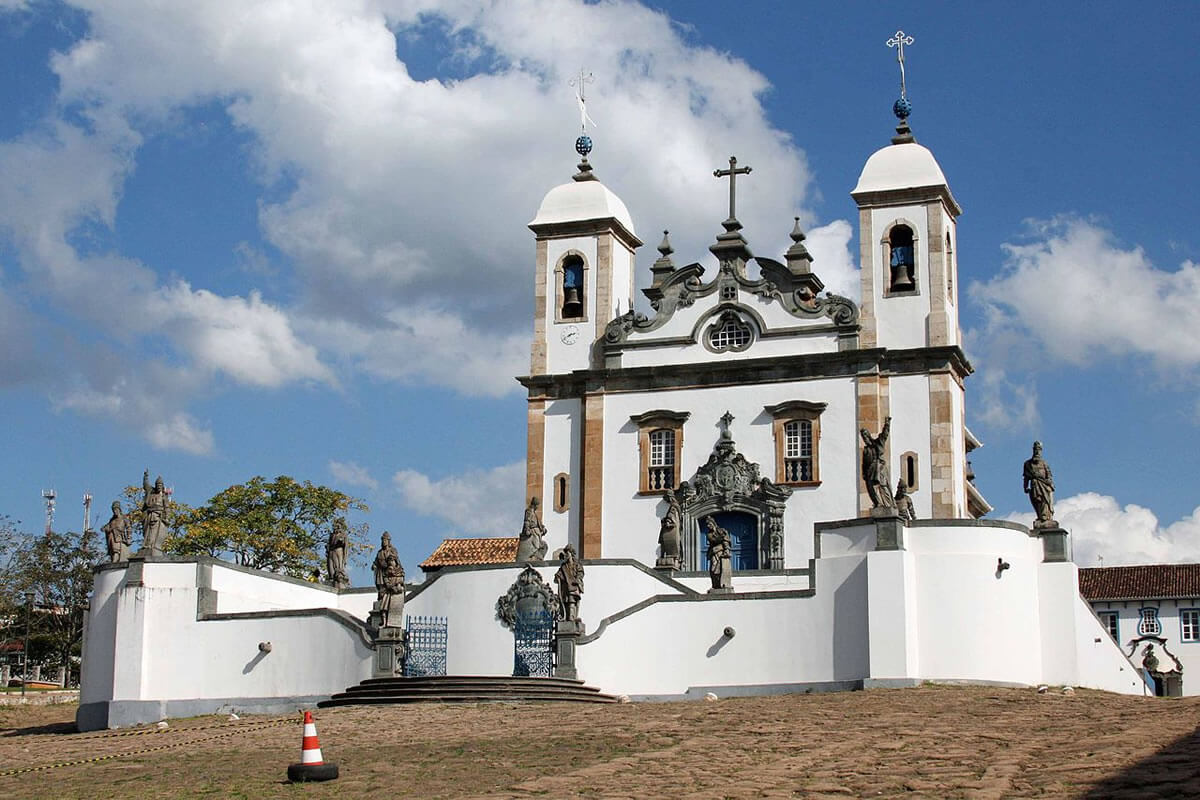
The crowning glory of Congonhas is undoubtedly the Sanctuary of Bom Jesus do Matosinhos, commissioned in 1757 by Portuguese adventurer and miner Feliciano Mendes. According to tradition, Mendes made a vow to build a church dedicated to Bom Jesus (Good Jesus) if he recovered from a serious illness. True to his word, he initiated the construction of what would become one of Brazil's most extraordinary religious complexes, completed in 1775.
The sanctuary comprises the main basilica, six chapel buildings (passos) representing the Stations of the Cross, and a terraced forecourt that serves as the setting for Aleijadinho's masterpieces. The ramped forecourt, accessed via a gently curved staircase, creates a processional approach that heightens the spiritual atmosphere.
Aleijadinho: The Master of Brazilian Baroque
The sanctuary's profound artistic significance stems from the work of Antônio Francisco Lisboa (1730-1814), affectionately known as Aleijadinho—"The Little Cripple"—a nickname derived from a degenerative disease that progressively crippled his hands and feet. Despite his physical challenges, Aleijadinho created some of the most expressive and technically accomplished Baroque sculptures in the world.
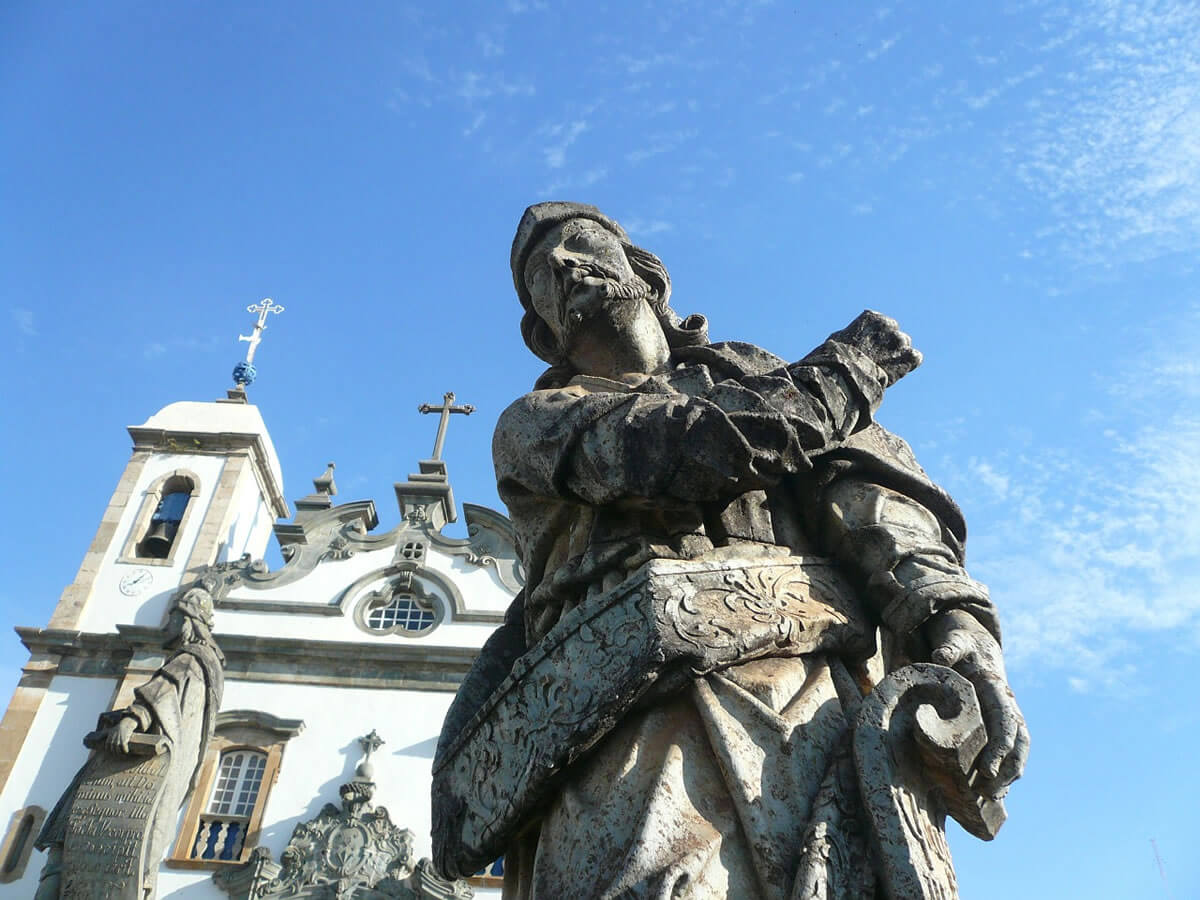
His twelve life-sized prophets, carved from local soapstone (pedra-sabão), stand on the terrace of the sanctuary like sentinels. Each figure—representing Old Testament prophets including Isaiah, Jeremiah, Baruch, Ezekiel, Daniel, Hosea, Joel, Obadiah, Jonah, Nahum, Habakkuk, and Amos—possesses a distinct personality and emotional depth. The soapstone's soft, workable nature allowed Aleijadinho to achieve remarkable detail and expressiveness, from the flowing robes to the prophets' intense facial expressions and dramatic gestures.
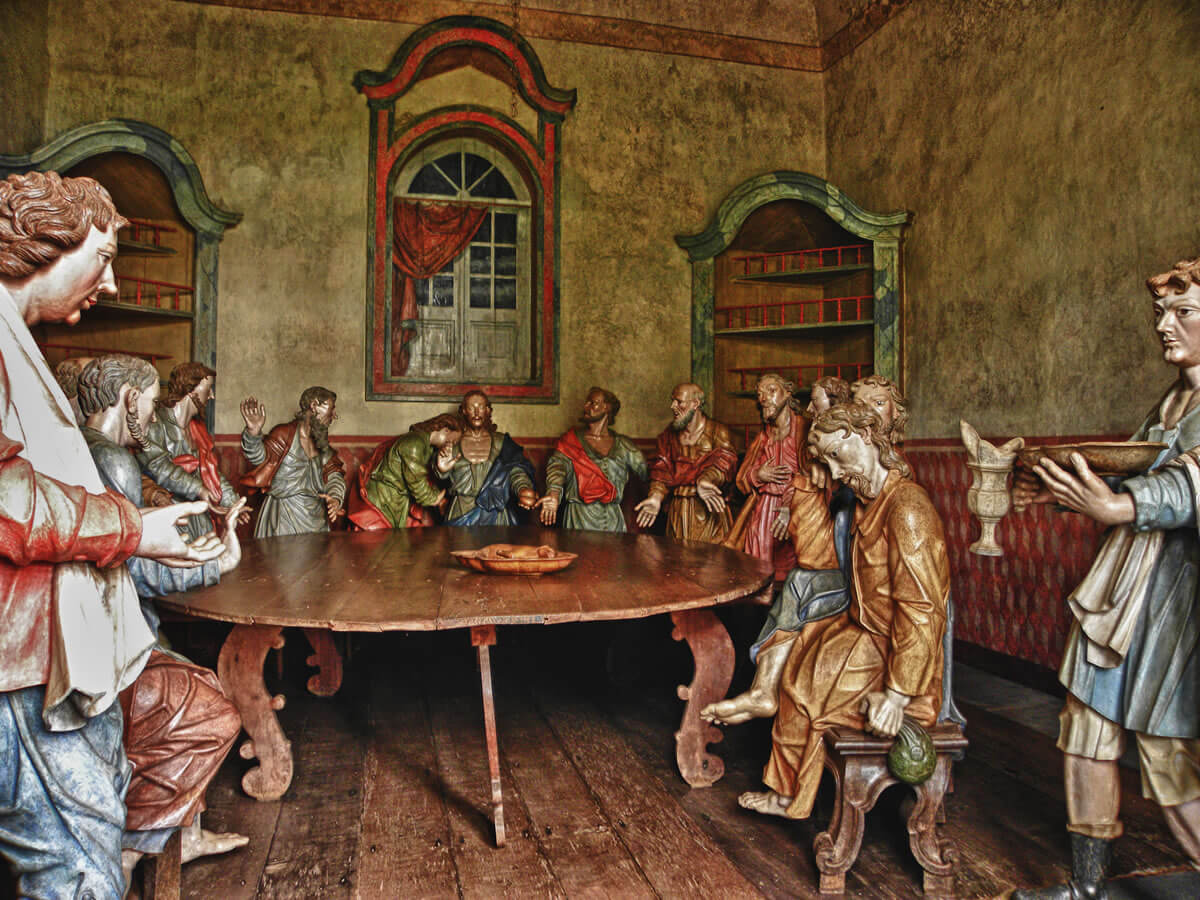
Inside the six-passos chapels flanking the stairway, Aleijadinho and his workshop created 66 polychrome wooden sculptures depicting scenes from Christ's Passion. These life-sized figures dramatize the narrative from the Last Supper through the Crucifixion, creating what scholars consider one of the finest representations of Christ's Passion in the Baroque tradition.
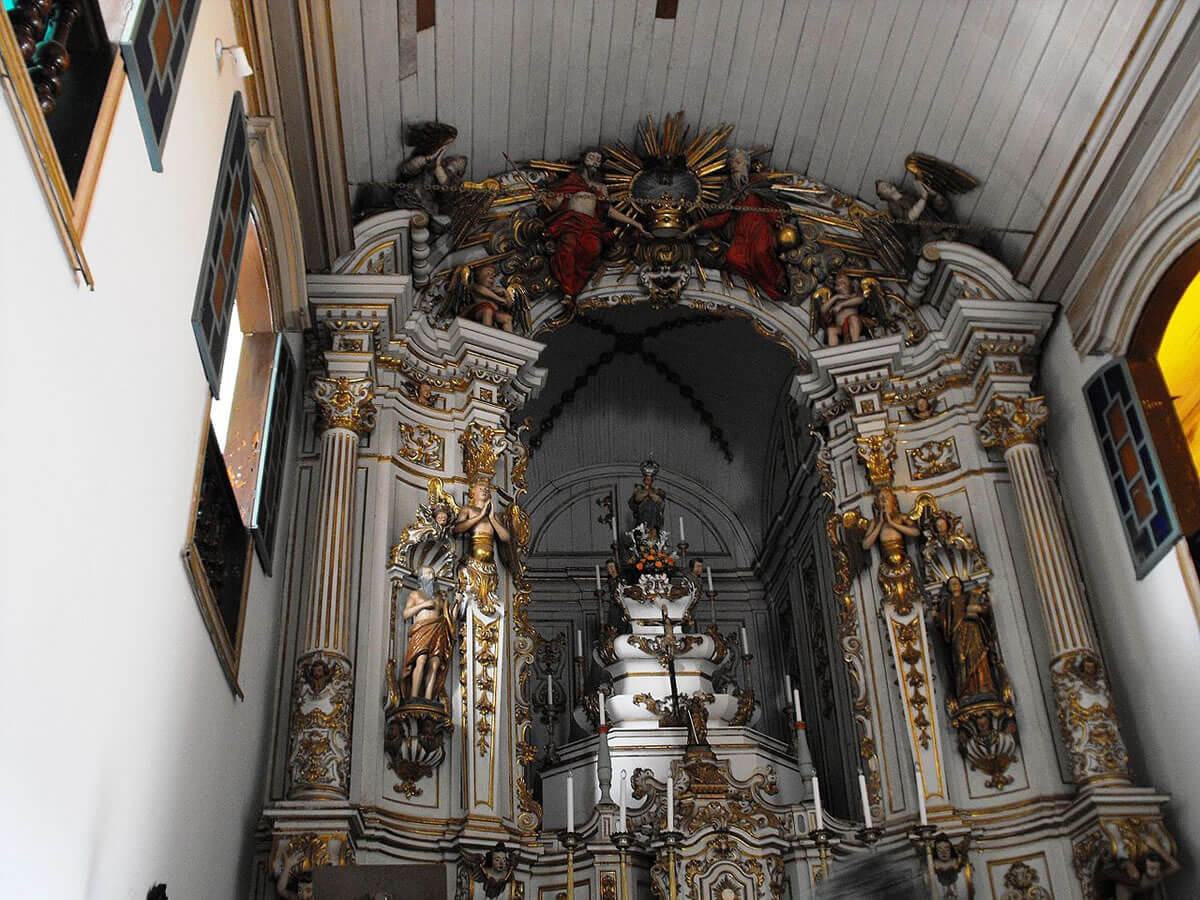
The basilica's interior features an elegant Rococo style that marks the transition from pure Baroque to the lighter, more decorative Rococo style. The ornate altarpieces, gilded details, and ceiling paintings create an immersive spiritual environment that continues to move visitors centuries after its completion.
UNESCO World Heritage Status
In 1985, UNESCO designated the Sanctuary of Bom Jesus do Congonhas as a World Heritage Site, recognizing its outstanding universal value. The UNESCO citation specifically notes the "exceptional quality" of Aleijadinho's prophets and the passion sculptures, calling them "among the masterpieces of the human creative genius."
This international recognition underscores Congonhas' importance not merely as a Brazilian treasure but as a site of global cultural significance. The sanctuary represents the pinnacle of colonial Brazilian art and demonstrates how European baroque traditions were transformed in the New World context, incorporating local materials, techniques, and sensibilities.
Museum of Congonhas
In recognition of the sanctuary's cultural importance and the need for comprehensive preservation, Congonhas inaugurated the Museum of Congonhas—Brazil's first dedicated site museum—recently. The 10,000-square-meter (107,639-square-foot) facility includes exhibition spaces, a technical reserve for artifact conservation, a library, an auditorium, educational spaces, and outdoor areas.
The museum extends beyond its physical structure to coordinate preservation efforts throughout the historic site. In partnership with UNESCO, the institution has pioneered digital documentation of Aleijadinho's sculptures, creating high-resolution 3D scans that serve both conservation and educational purposes. This technology allows researchers to monitor the sculptures' condition over time and provides templates for physical replicas that can be displayed while protecting the originals from excessive handling.
The museum has also implemented world-standard tourist signage throughout Congonhas, making it the first among Brazil's 19 World Heritage sites to adopt this comprehensive wayfinding system. Educational programs engage local residents, fostering a sense of ownership and pride in the city's heritage.
The Historic Center
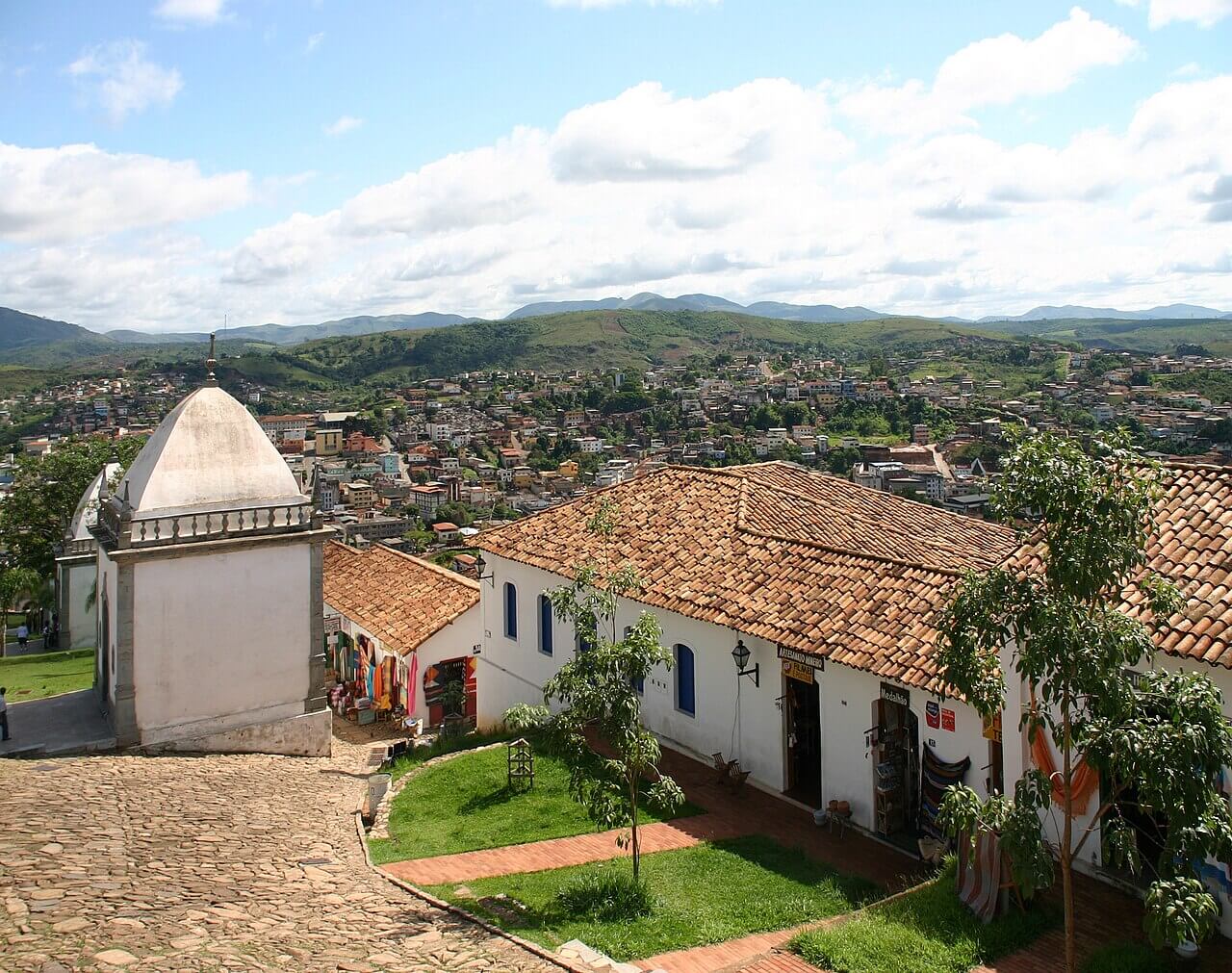
Beyond the sanctuary, Congonhas retains much of its colonial character in the historic center's steep, cobbled streets. The architecture reflects the prosperity of the mining era, with well-preserved examples of 18th and 19th-century construction techniques and design principles.
The Church of Nossa Senhora da Conceição, though less famous than the sanctuary, represents another fine example of baroque religious architecture. Various historic homes and commercial buildings demonstrate the evolution of domestic and civic architecture in a mining town.
Walking through these narrow streets, visitors encounter a living historic district where contemporary life unfolds against a backdrop of centuries-old structures. Local shops occupy colonial-era buildings, and residents go about their daily routines in spaces that have witnessed three centuries of Brazilian history.
Visiting Congonhas
Congonhas is readily accessible by road from major Brazilian cities. The BR-040 highway provides direct connections to Belo Horizonte (90 kilometers/56 miles north) and Rio de Janeiro (364 kilometers/226 miles southeast). The nearest airports are Tancredo Neves International Airport (CNF) in Confins, approximately 97 kilometers (60 miles) from Congonhas, and Belo Horizonte/Pampulha Airport (PLU), approximately 84 kilometers (52 miles) away.
The compact historic center is easily explored on foot, with the sanctuary complex accessible via the characteristic steep, cobbled streets. The sanctuary attracts millions of visitors annually, particularly during the September pilgrimage festival (September 7-14) in honor of Bom Jesus. This week-long celebration draws Catholic faithful from throughout Brazil.
Congonhas forms part of the "Estrada Real" (Royal Road) tourist route connecting the historic baroque cities of Minas Gerais. Visitors often combine Congonhas with nearby Ouro Preto (approximately 70 kilometers/43 miles east), Mariana, Tiradentes, and other colonial towns in multi-day itineraries exploring Brazil's mining heritage.
Regional Context and Cultural Significance
Congonhas belongs to a constellation of historic mining towns in Minas Gerais that collectively tell the story of Brazil's colonial era. Ouro Preto served as the colonial capital and features extensive baroque architecture, while Mariana represents one of the oldest mining settlements. Tiradentes and São João del-Rei preserve charming colonial atmospheres, and Diamantina, farther north, reflects the diamond mining era. Together, these cities form an interconnected heritage landscape where visitors can trace the evolution of mining culture, baroque art, and Brazilian society during the colonial and early independence periods.
Congonhas represents more than architectural beauty or artistic achievement. The city embodies the complex history of colonial Brazil—the exploitation of natural resources, the transplantation and transformation of European culture in the New World, and the emergence of distinctly Brazilian artistic traditions. Aleijadinho's work at Congonhas demonstrates how a mixed-race artist working with physical disabilities created masterpieces that transcend their immediate religious function to speak to universal human experiences of suffering, hope, and transcendence.
His prophets, with their dramatic gestures and intense expressions, seem to call out across the centuries, reminding contemporary viewers of timeless spiritual and moral concerns. The baroque treasures of Congonhas, particularly the Sanctuary of Bom Jesus, ensure that this historic city will continue to attract visitors seeking to experience one of humanity's great artistic achievements. Whether approached as pilgrims, art enthusiasts, or curious travelers, those who climb the ramped forecourt and encounter Aleijadinho's prophets participate in a tradition spanning nearly 250 years—a tradition that connects the gold rush era to our contemporary moment through the universal language of art and faith.