Cities & Towns in South America

Alter do Chão and Santarém: Where the Tapajós Meets the Amazon

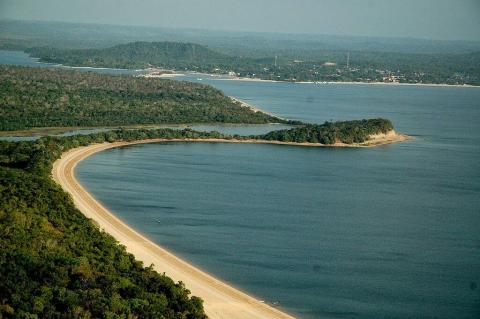
Alter do Chão is a village in western Pará, where the clear waters of the Tapajós River meet a white-sand shoreline and the Amazon forest. Each dry season, the river retreats, exposing long freshwater beaches that have earned the village the nickname "Amazon Caribbean." It also has deep roots: a Borari settlement before the Portuguese arrived, a Jesuit mission, a river port in the rubber era, and home to the Sairé, one of the Amazon's oldest folk festivals. Today it faces the pressures common to the region, including drought, fire, and land speculation.
Arequipa: Unveiling the Legacy of Peru's White City

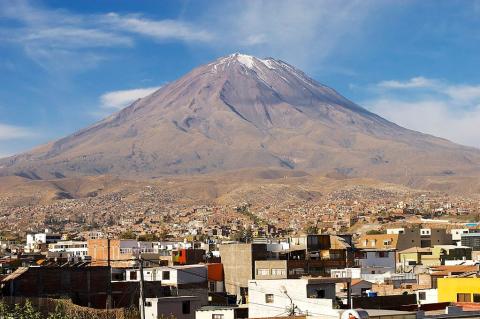
Located in southern Peru and nestled amidst the Andes Mountains, Arequipa represents the country's diverse history and cultural wealth. The city is called "The White City" due to its abundant use of volcanic stone in construction. It is a captivating fusion of European and indigenous influences, and its Historical Center, designated by UNESCO, is the heart of its charm. The Historical Center showcases centuries of architectural excellence and cultural customs.

Asunción: The Historic and Cultural Capital of Paraguay

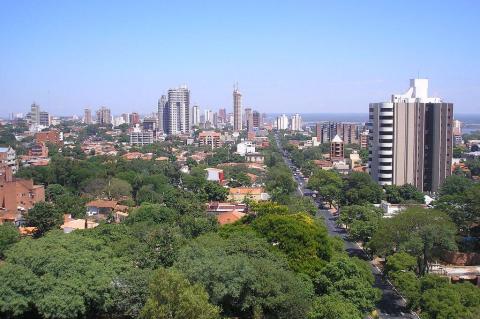
Asunción, the vibrant capital of Paraguay, serves as a gateway to a nation rich in cultural heritage and natural beauty. Perched on the eastern bank of the Paraguay River, Asunción boasts a unique blend of Spanish colonial history, indigenous Guaraní influences, and modern South American dynamism. One of South America's oldest capitals, this dynamic city harmoniously blends its historical roots with a rapidly evolving modern urban landscape, making it a focal point for those interested in exploring Paraguay's history, cultural heritage, and future ambitions.

Barichara: A Journey Through Colombia's Most Beautiful Village

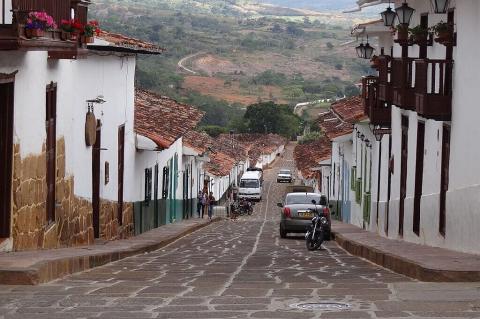
Barichara, located in the Andean hills of northern Colombia, is a town that appears preserved in time. Celebrated as one of Colombia's most beautiful villages, it features cobbled streets, whitewashed colonial houses, and terracotta rooftops. With its charming atmosphere and rich history, Barichara is an ideal destination for cultural immersion and natural beauty, offering insights into Colombia's colonial past against the stunning backdrop of the Chicamocha Canyon region.

Basilica Santuario de las Lajas and the City of Ipiales

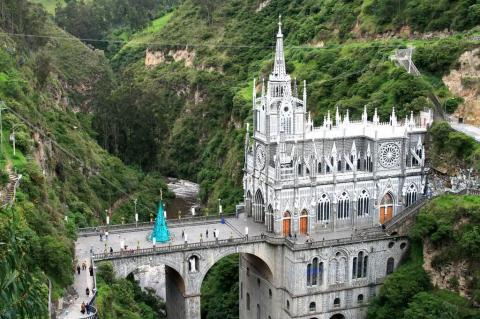
In the southern Colombian Department of Nariño lies a region rich in spiritual and cultural significance. The Basilica Santuario de las Lajas, nestled within the canyon of the Guáitara River in Ipiales, is a testament to centuries of faith and devotion. Together with the vibrant city of Ipiales, this area offers a unique blend of historical architecture, religious pilgrimage, and local traditions that continue attracting visitors worldwide.

Belém: Cultural Capital of the Amazon Delta

On the edge of the vast Amazon Rainforest, where the mighty Amazon River meets the Atlantic Ocean, lies Belém, a city teeming with heritage, vibrancy, and ecological richness. As the capital of the state of Pará in northern Brazil, Belém plays a pivotal role in connecting the world to the Amazon Basin. Known for its colonial architecture, vibrant markets, and culinary traditions deeply rooted in the rainforest, the city has evolved from a Portuguese fort into a thriving hub for trade, religion, and culture.

Belo Horizonte: Brazil's First Planned Modern City

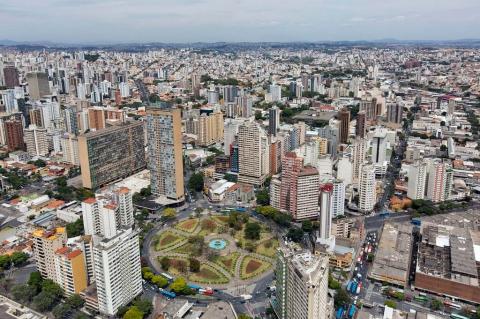
Rising from a plateau surrounded by the Curral del Rey Mountains, Belo Horizonte stands as a testament to Brazil's vision of modernity at the dawn of the republican era. This planned city, inaugurated in 1897 as the capital of Minas Gerais, represents a decisive break from the colonial past—a forward-looking metropolis designed with wide avenues, geometric precision, and aspirations to become a center of commerce and culture. Today, Belo Horizonte ranks as Brazil's third-largest urban area and serves as a vital hub for industry, technology, and the arts in southeastern Brazil.

Bogotá: The Cultural and Historical Heart of Colombia

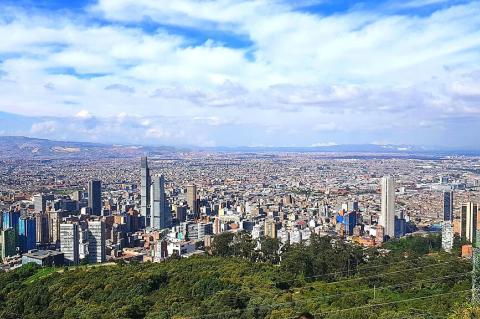
Bogotá, the sprawling capital of Colombia, is a city of contrasts and vibrant energy. Nestled high in the Andes Mountains, Bogotá is not only the political and economic hub of the country but also a melting pot of cultural, artistic, and historical significance. With its historic charm, modern architecture, and dynamic art scene, Bogotá offers a unique blend of old-world traditions and contemporary vibrancy. This high-altitude city is known for its diversity, academic institutions, and role as a center for innovation and creativity in Latin America.

Brasília: A Modernist Utopia in the Heart of Brazil

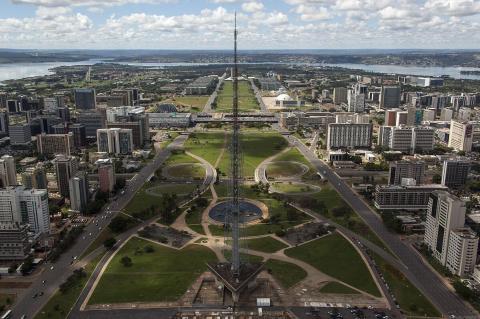
Brasília is Brazil's federal capital and the seat of its government. Founded in 1960 on a high plateau in the Brazilian Highlands, it was built from scratch in just 41 months to move the country's center of power inland from the coast. Designed by Lúcio Costa and Oscar Niemeyer, it is one of the most ambitious planned cities of the twentieth century and has been a UNESCO World Heritage Site since 1987. The capital is the center of the Federal District, home to about 2.8 million people, and is the third-largest city in Brazil.

Buenos Aires: The Paris of South America

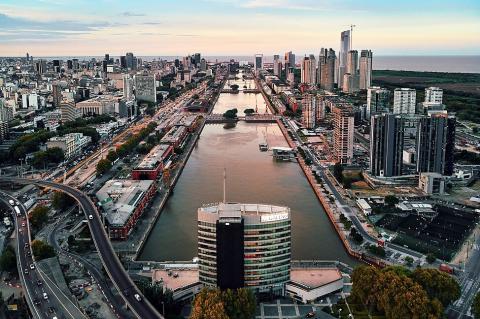
Buenos Aires, on the Río de la Plata's western shore, is one of South America's most lively and architecturally impressive cities. With about 15 million residents in the metro area, it ranks among the top 20 urban centers globally. Known as the "Paris of South America" for its European-style boulevards, Belle Époque architecture, and vibrant culture, it defies simple labels. From La Boca's colorful conventillos to Recoleta's aristocratic cemetery, Palermo's galleries, and Casa Rosada, the city showcases Argentina's cultural richness and uniqueness— a European city transformed into its own unique place.