Geological Feature / Landform

The Paraná Plateau: A Continent-Wide Legacy of Gondwana's Fire

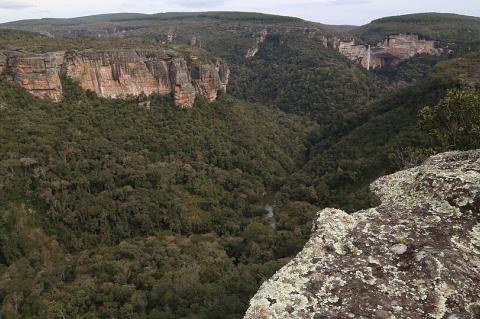
The Paraná Plateau is a vast basalt tableland spanning southern Brazil, eastern Paraguay, northeastern Argentina, and northern Uruguay, formed by one of the largest volcanic eruptions in Earth's history. Its fertile soils, dramatic waterfalls, and hydroelectric resources make it one of South America's most important landforms. Its history is tied to Gondwana's breakup, the soils that fueled Brazil's coffee and soy economies, and two famous waterfalls—one still thundering, the other submerged beneath a reservoir.

The Río de la Plata: A Confluence of Majesty

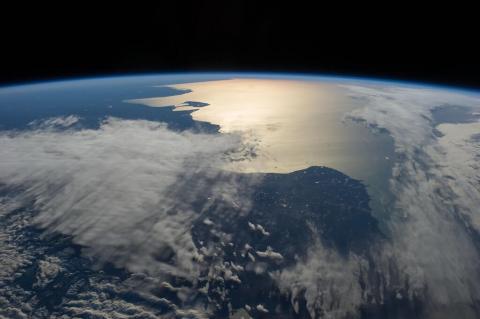
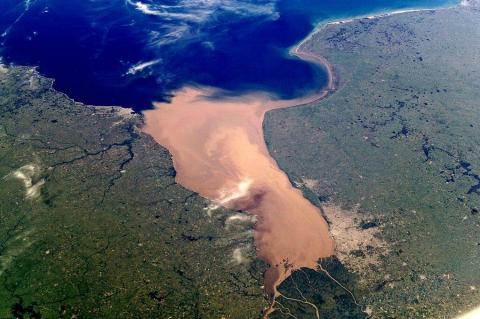
Carving a vast and imposing presence along the southeastern coastline of South America, the Río de la Plata stands as a monumental estuary and drainage basin, a tapering intrusion of the Atlantic Ocean stretching its embrace between Uruguay and Argentina. This immense waterway, often regarded as a gulf, a marginal sea, or even the widest river in the world, is a testament to the continent's awe-inspiring natural grandeur.

The Río Negro: Majestic Heart of the Amazon

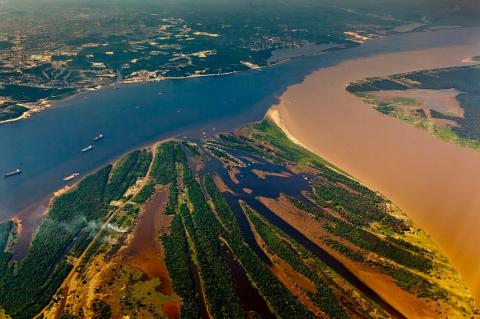
Flowing majestically through the heart of the Amazon rainforest, the iconic Río Negro stands as one of the most significant tributaries of the mighty Amazon River. Renowned for its distinctive blackwater and immense size, the Río Negro is not only a vital component of the Amazon basin but also a captivating natural wonder that draws explorers and adventurers from around the globe.

The Sierra del Carmen and Maderas del Carmen Biosphere Reserve: Mexico's Hidden Ecological Treasures

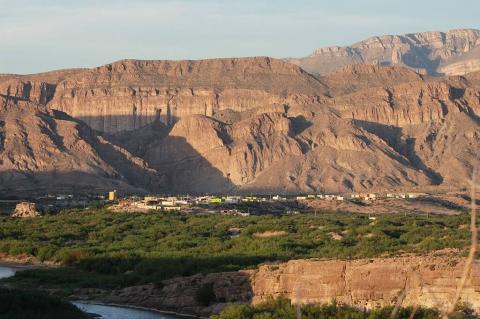
The Sierra del Carmen and the Maderas del Carmen Biosphere Reserve represent two of Mexico's most ecologically rich and unique regions. Nestled in the northern state of Coahuila, these areas are part of the more extensive Sierra Madre Oriental range and serve as vital refuges for a diverse array of flora and fauna. An in-depth exploration of these areas reveals their geographical, climatic, and ecological characteristics.

The Sierra Madre de Chiapas: A Vital Natural Divide

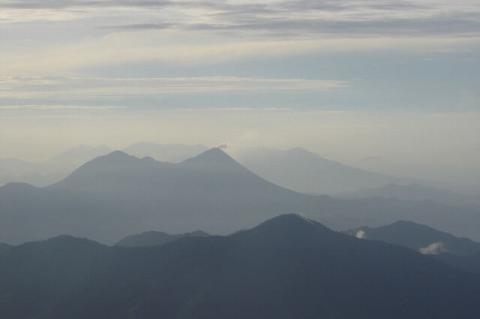
The Sierra Madre de Chiapas is an impressive mountain range that extends parallel to the Pacific coast in southern Mexico and northern Central America. As the southernmost extension of the Sierra Madre Mountain System, this range is a significant geographical and ecological landmark. Spanning multiple countries, the range is known for its diverse ecosystems, volcanic activity, and role in the region's hydrology.

The Sierra Madre: Mexico's Magnificent Mountain Kingdom

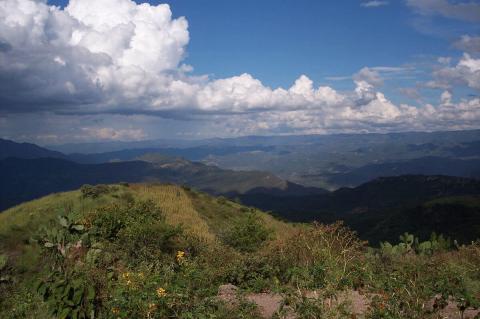
Stretching majestically across Mexico, the Sierra Madre mountain system forms an awe-inspiring backbone that encloses the central Mexican Plateau. This vast and intricate network of ranges, part of the mighty American Cordillera, extends in a broad northwest-southeast arc, encompassing an extraordinary range of landscapes, ecosystems, and cultural heritage that have shaped the essence of Mexico.

The Sierra Nevada de Santa Marta: Colombia's Enigmatic Mountain Range

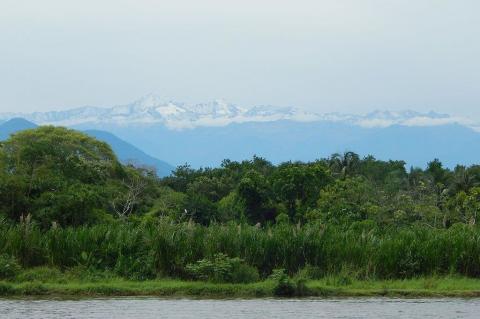
The Sierra Nevada de Santa Marta, an isolated mountain range in northern Colombia, is one of the world's most remarkable natural wonders. Separated from the Andes and rising dramatically from the Caribbean coast, this majestic massif is the highest coastal mountain range on the planet. Encompassing a diverse array of ecosystems and rich cultural heritage, the Sierra Nevada de Santa Marta is a vital ecological and cultural treasure preserved through various protected areas.

The Southern Patagonian Ice Field: A Colossal Glacier of the Andes

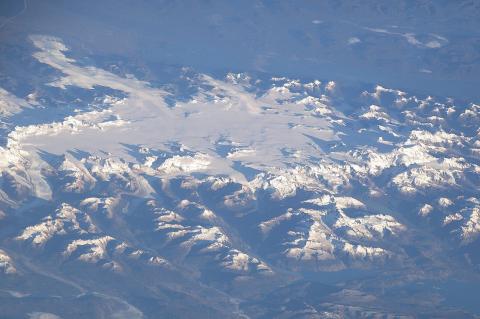
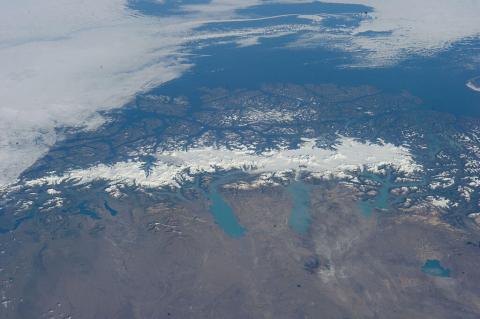
The Southern Patagonian Ice Field is a breathtaking and monumental testament to the power of glacial forces, stretching along the southern Andes Mountains between Chile and Argentina. As the world's third-largest expanse of continental ice, after the Antarctic and Greenland ice sheets, it represents the grander of the two surviving remnants of the vast Patagonian Ice Sheet. Its immense scale, dramatic outlet glaciers, and profound ecological significance make it a jewel of the Patagonian wilderness.

The Tiburon Peninsula: Haiti's Rugged and Biodiverse Jewel

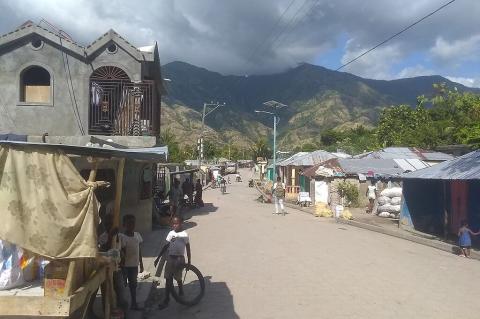
The Tiburon Peninsula, also known as the Xaragua Peninsula, stretches westward from the southernmost point of Haiti into the Caribbean Sea. Renowned for its rugged terrain, lush rainforests, and pristine beaches, the Tiburon Peninsula is a remote and sparsely populated region that embodies Haiti's natural beauty and biodiversity. Despite its challenges, the peninsula remains a vital area of cultural and ecological significance.

The Twin Jewels of the Caribbean: Exploring the Gulfs of Darién and Urabá

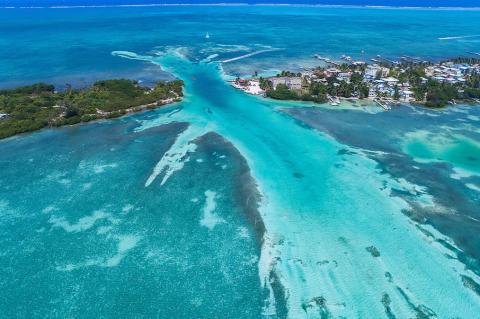
Nestled between the Caribbean Sea and the dense tropical rainforests of Central and South America lie two lesser-known yet profoundly significant bodies of water: the Gulf of Darién and the Gulf of Urabá. These gulfs, often overshadowed by their more famous regional counterparts, are geographical and ecological treasures. Within their boundaries, they hold a rich tapestry of history, vibrant ecosystems, and socio-economic dynamics that have shaped the lives of the communities around them for centuries.