Ecuador

Guayaquil: Ecuador’s Port City of Culture and Commerce

In the heart of South America, nestled along the scenic Guayas River and just a short distance from the Pacific Ocean, lies Guayaquil, Ecuador's largest city and most vital commercial hub. Known as "La Perla del Pacífico" or "The Pearl of the Pacific," Guayaquil has played a defining role in Ecuador's history, economy, and cultural evolution. Its strategic location has established it as Ecuador's principal port city, linking the nation to international trade routes and facilitating the flow of goods, ideas, and people from around the globe.

Llanganates National Park: Ecuador's Hidden Treasure

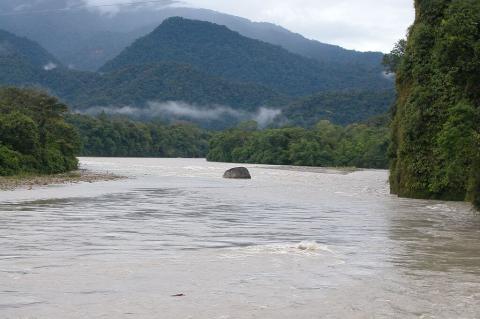
Nestled in the heart of Ecuador, Llanganates National Park is a sprawling protected area that spans the provinces of Cotopaxi, Napo, Pastaza, and Tungurahua. The expansive park is celebrated for its dramatic landscapes, rich biodiversity, and legendary tales of hidden treasures. Llanganates National Park is a haven for nature enthusiasts and adventurers and a significant site for historical and cultural exploration.

Macizo del Cajas: Ecuador's Ecological Gem

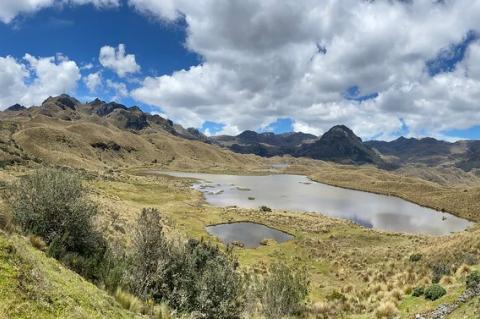
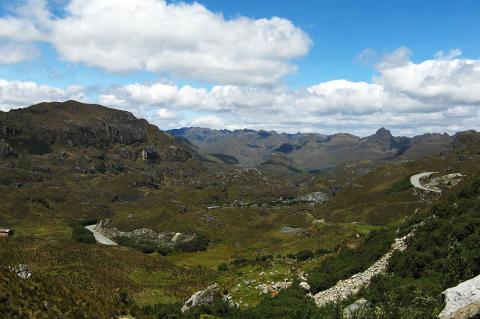
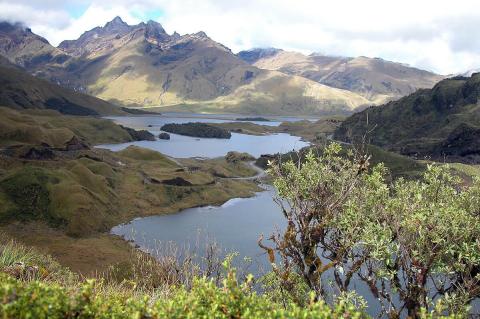
Located in southwestern Ecuador, the Macizo del Cajas Biosphere Reserve is a sprawling natural expanse that encompasses a variety of ecosystems ranging from high-altitude páramo and montane forests to cloud forests and coastal mangroves. This biosphere reserve plays a critical role in biodiversity conservation, water regulation, and socio-economic activities. El Cajas National Park is central to the reserve, a core zone that exemplifies the reserve's rich ecological tapestry.

Northwestern Andean Montane Forests: Exploring Colombia and Ecuador's Biodiversity Hotspot

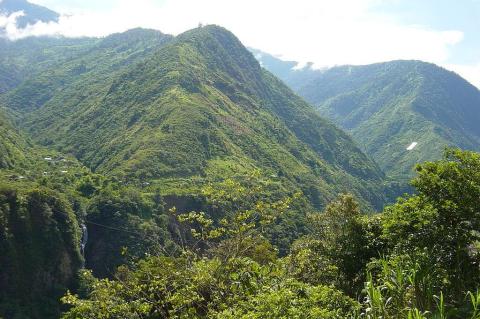
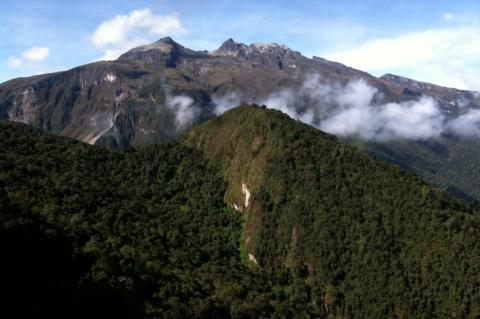
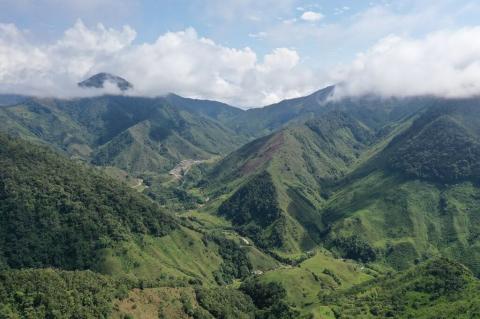
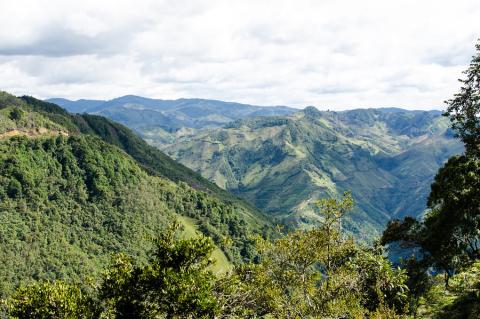
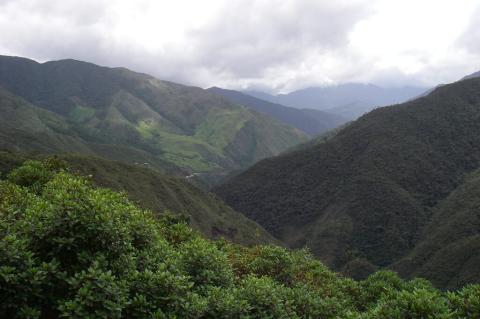
The Northwestern Andean Montane Forests ecoregion is a breathtaking display of South America's natural aesthetics. It surrounds the western slopes of the Andes Mountains in Colombia and Ecuador. The area consists of numerous habitats that sustain an exceptional range of plants and animals. The region's ecological system is diverse and complex, ranging from misty cloud forests to sun-drenched valleys below.

Podocarpus National Park: Ecuador's Biodiversity Haven

Podocarpus National Park is a remarkable natural sanctuary in the southeastern provinces of Zamora Chinchipe and Loja in Ecuador. This park, part of the Podocarpus-El Condor Biosphere Reserve, is renowned for its immense biodiversity and unique ecosystems. Positioned at the confluence of four ecological systems—the Northern Andes, Southern Andes, Amazonian, and Pacific regions—Podocarpus National Park is a treasure trove of endemic species and diverse habitats.

Quilotoa: Ecuador's Volcanic Masterpiece

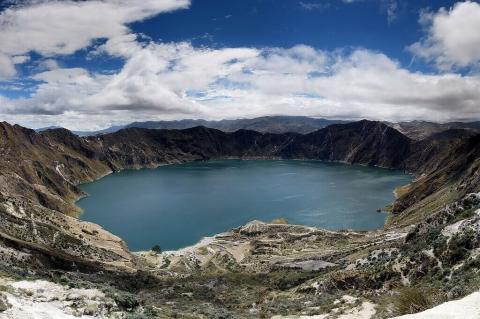
High in the Ecuadorian Andes lies one of the country's most awe-inspiring natural wonders: the Quilotoa Crater Lake. Known for its stunning emerald waters and the dramatic volcanic landscape, Quilotoa is a must-see for travelers exploring Ecuador's diverse geography. Formed by a volcanic eruption over 600 years ago, the crater has evolved into a beautiful caldera lake that captivates visitors with its vivid color, stark beauty, and high-altitude location.

Quito: Ecuador's Historic and Cultural Capital in the Andes

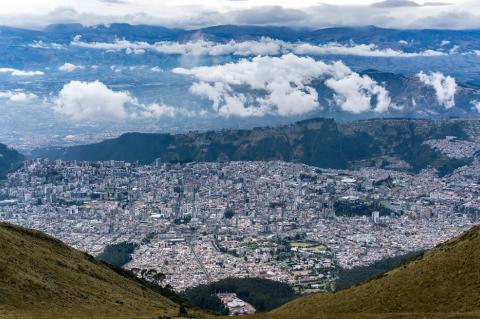
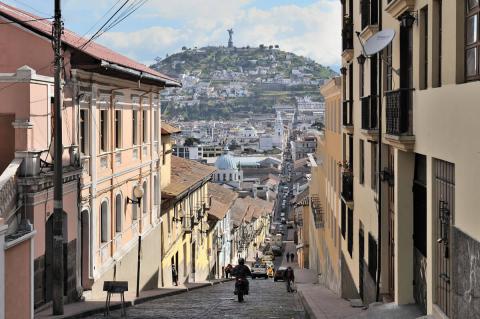
Nestled high in the Andean mountains, Quito is Ecuador's capital and second-largest city, following Guayaquil. Known for its breathtaking landscapes, rich history, and vibrant cultural heritage, Quito is a dynamic urban center that bridges past and present. The city's blend of modern governmental functions with well-preserved colonial-era architecture makes it a unique focal point for Ecuadorians and international visitors.

Quito's Historic Center: A Cultural Crossroads in the Andes

The Historic Center of Quito, Ecuador, represents a profound blend of history, culture, and architectural marvels. Designated as a UNESCO World Heritage Site, this remarkable area showcases the convergence of indigenous traditions, Spanish colonial influence, and modern developments. It remains a vibrant testimony to centuries of cultural and historical evolution, offering visitors a glimpse into Quito's rich and dynamic past.

Sangay National Park: Ecuador's Volcanic Wonderland

Deep within the heart of Ecuador's Andean region lies a natural wonder of epic proportions—Sangay National Park—this World Heritage Site epitomes Ecuador's extraordinary biodiversity and geological marvels. Encompassing two active volcanoes, Tungurahua and Sangay, as well as the extinct El Altar (Kapak Urku), this park covers the entire spectrum of Ecuador's ecosystems, from glacial peaks to lush rainforests, all under the watchful gaze of one of the world's most active volcanic giants.

Sumaco Napo-Galeras: Ecuador's Ecological Treasure

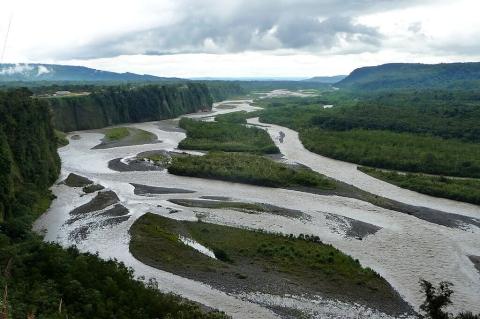
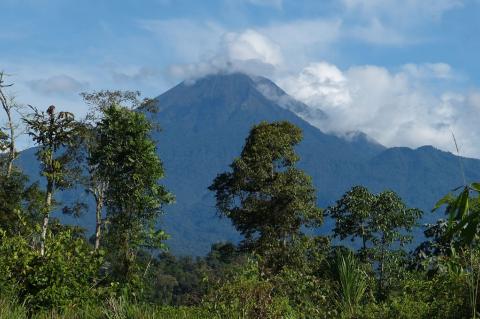
Sumaco Napo-Galeras National Park, located in northeastern Ecuador, is a remarkable protected area known for its diverse ecosystems and rich biodiversity. Situated southeast of Quito, the park encompasses a unique blend of volcanic peaks, lush forests, and pristine river basins. The park is a national treasure and a UNESCO Biosphere Reserve, reflecting its global ecological significance.