Cities & Towns in South America

Rio de Janeiro: Urban Splendor Between Mountain and Sea

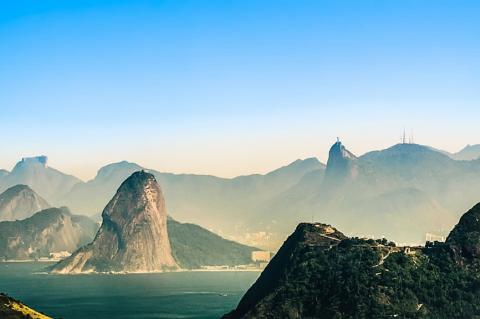
Rio de Janeiro is Brazil's best-known city and the capital of the state that shares its name. It lies on the Atlantic coast at the entrance to Guanabara Bay, where steep granite peaks, tropical forest, and long white beaches meet in a single city of 6.2 million people, with nearly 14 million in its metropolitan area. It was the capital of Portuguese Brazil, the Brazilian Empire, and the Republic until 1960, and it remains the country's second-largest city by population and its leading international destination.

Rosario, Argentina: A Cultural and Historical Journey Along the Paraná River

Nestled along the Paraná River, Rosario is one of Argentina's most vibrant and historically rich cities. It is famed for its dynamic cultural contributions, strong political heritage, and scenic beauty. As the birthplace of revolutionary Che Guevara and soccer legend Lionel Messi, Rosario's influence spans well beyond Argentina's borders. With its blend of colonial and modern influences, Rosario offers a glimpse into Argentina's past, present, and future.

Salvador de Bahia: Brazil's First Capital and the Heart of Afro-Brazilian Culture

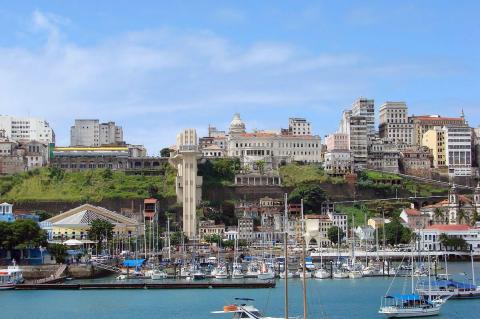
Salvador de Bahia, officially São Salvador da Bahia de Todos os Santos, is Bahia's capital and the cultural heart of Brazil's Northeast. Founded in 1549 on a peninsula between Todos os Santos Bay and the Atlantic Ocean, it was the capital of colonial Brazil for more than two centuries and remains one of the country's largest cities. Its predominantly Afro-Brazilian population gives it a distinctive character, while its historic colonial center is a UNESCO World Heritage Site.

San Carlos de Bariloche and Nahuel Huapi: Exploring Patagonia’s Scenic Heart

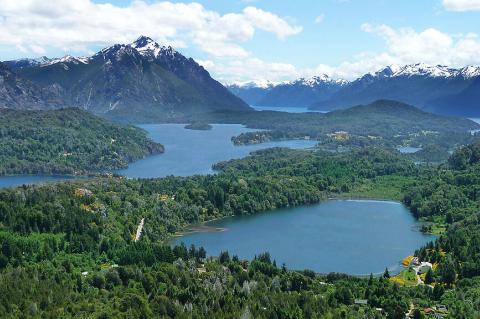
Situated in the foothills of the Argentine Andes, San Carlos de Bariloche offers a striking combination of natural beauty and cultural richness. Located on the clear shores of Lake Nahuel Huapi, Bariloche is surrounded by some of Patagonia's most breathtaking mountains and lakes. As part of the more expansive Nahuel Huapi National Park, the region attracts visitors worldwide, offering a unique blend of outdoor activities, historical landmarks, and distinct architectural charm.

San Miguel de Tucumán: The Birthplace of Argentine Independence

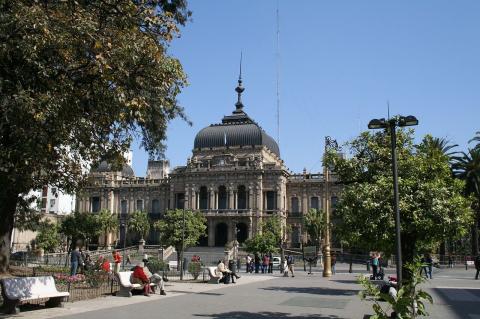
San Miguel de Tucumán—commonly known simply as Tucumán—stands in northwestern Argentina at the foot of the scenic Aconquija Mountains, a city of profound historical significance and vibrant contemporary character. Situated northwest of Buenos Aires along the Salí River, this provincial capital is Argentina's fifth-largest city and the birthplace of the nation's independence. Known for its lush vegetation and favorable climate, Tucumán serves as the economic, cultural, and political heart of Argentina's smallest and most densely populated province.

San Pedro de Atacama: Gateway to Chile's Ancient and Natural Wonders

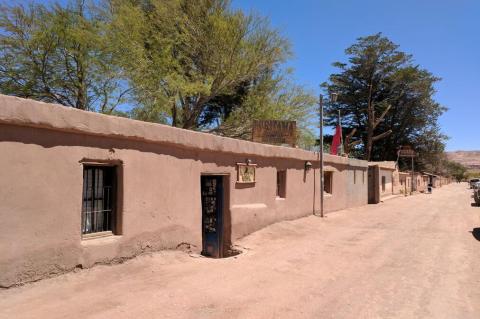
San Pedro de Atacama, a small town in northern Chile, serves as the heart of one of the most extreme and breathtaking landscapes on Earth. Nestled in the Atacama Desert, the driest non-polar desert in the world, this town is surrounded by surreal geological formations, salt flats, high-altitude lagoons, and ancient ruins. Rich in history and culture, San Pedro de Atacama has been a crossroads for Indigenous cultures for centuries and continues to be a hub for travelers seeking adventure, nature, and history.

Santa Cruz de Mompox: Colombia's Colonial Jewel

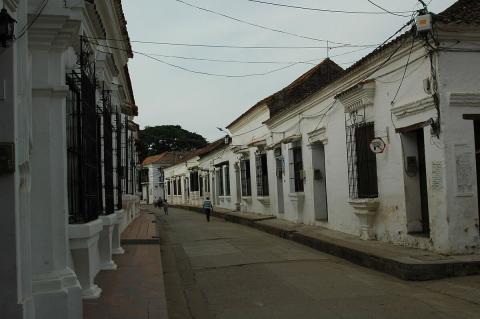
Nestled along the banks of the Magdalena River in northern Colombia, the Historic Center of Santa Cruz de Mompox emerges as a cultural gem, frozen in time and exuding the charm of colonial heritage. This UNESCO site is a testament to Mompox's historical significance, architectural brilliance, and role in shaping Colombia's cultural landscape. The town's rich history, picturesque streets, and vibrant traditions offer a unique glimpse into the past, preserving the essence of colonial Colombia.

Santa Cruz: The Economic and Cultural Heart of Bolivia

Santa Cruz is a city of remarkable contrasts and dynamic growth. Located in the tropical lowlands of eastern Bolivia, it is the country's largest city and a hub of economic and cultural activity. With its modern skyline, rich history, and diverse population, the city is a vibrant example of Bolivia's evolving identity. This bustling metropolis blends the charm of its colonial past with the present opportunities, offering visitors a unique insight into the country's most populous region.

Santa Marta: Cradle of Colombia’s Coastal Culture

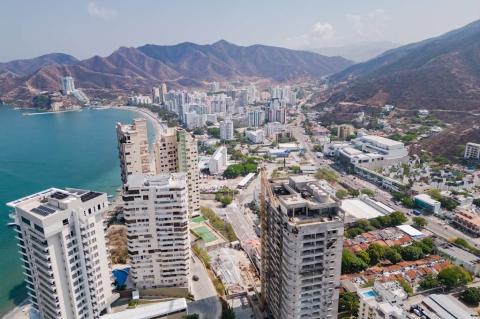
Santa Marta is Colombia's oldest surviving city and a beacon of cultural and ecological richness. Strategically situated between the Caribbean Sea and the Sierra Nevada de Santa Marta, it is a crossroads of history, biodiversity, and contemporary culture. Renowned for its colonial heritage, Indigenous traditions, and vibrant natural landscapes, Santa Marta offers a multidimensional experience that captivates travelers and scholars alike.

Santiago de Cali: The Rhythm and Soul of Colombia

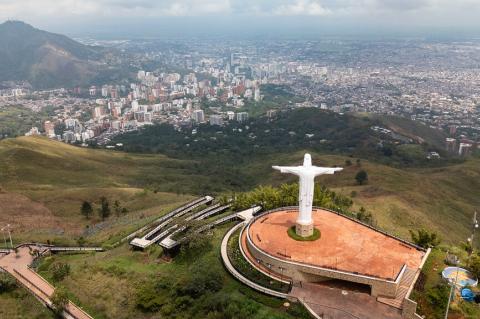
Cali, officially known as Santiago de Cali, is Colombia's third-largest city and a vibrant cultural and economic hub in the country's southwestern region. Cali boasts a rich history, a diverse population, and stunning natural surroundings. Nestled in the Valle del Cauca department, it offers a unique blend of colonial heritage, Afro-Colombian influences, and modern urban life. Its cultural, historical, and ecological significance solidifies its status as a cornerstone of South American identity.