
Where Mountains Meet the Sea: The Cultural and Natural Tapestry of Paraty and Ilha Grande
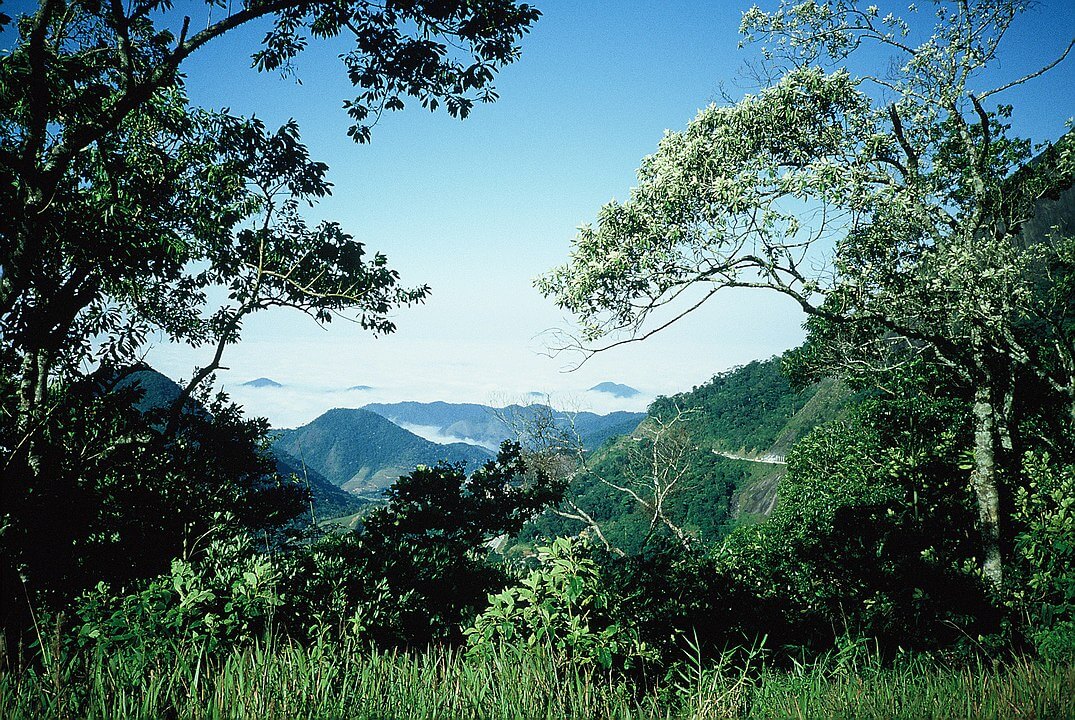
Situated between the Serra da Bocaina mountain range and the Atlantic Ocean, the World Heritage Site of Paraty and Ilha Grande is a unique blend of rich cultural history and stunning biodiversity. It includes the historic center of Paraty, the island of Ilha Grande, and four protected areas of Atlantic Forest.
Between Mountain and Sea: Brazil's Living Testament to Cultural and Natural Harmony
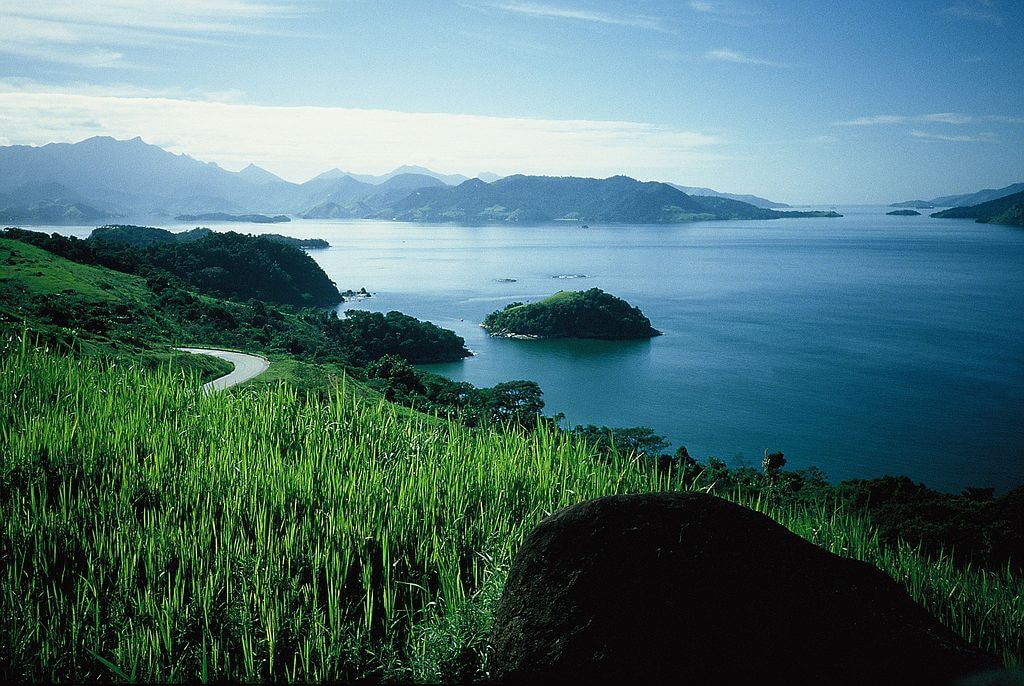
Between the emerald peaks of the Serra da Bocaina and the sapphire expanse of the Atlantic Ocean lies one of Brazil's most extraordinary treasures—the World Heritage Site of Paraty and Ilha Grande. This remarkable landscape, spanning approximately 149,000 hectares (368,000 acres), weaves together the golden threads of colonial history with the vibrant tapestry of Atlantic Forest biodiversity, creating a living masterpiece that has captivated UNESCO and travelers alike since its inscription in 2019.
The Crown Jewel of Colonial Preservation
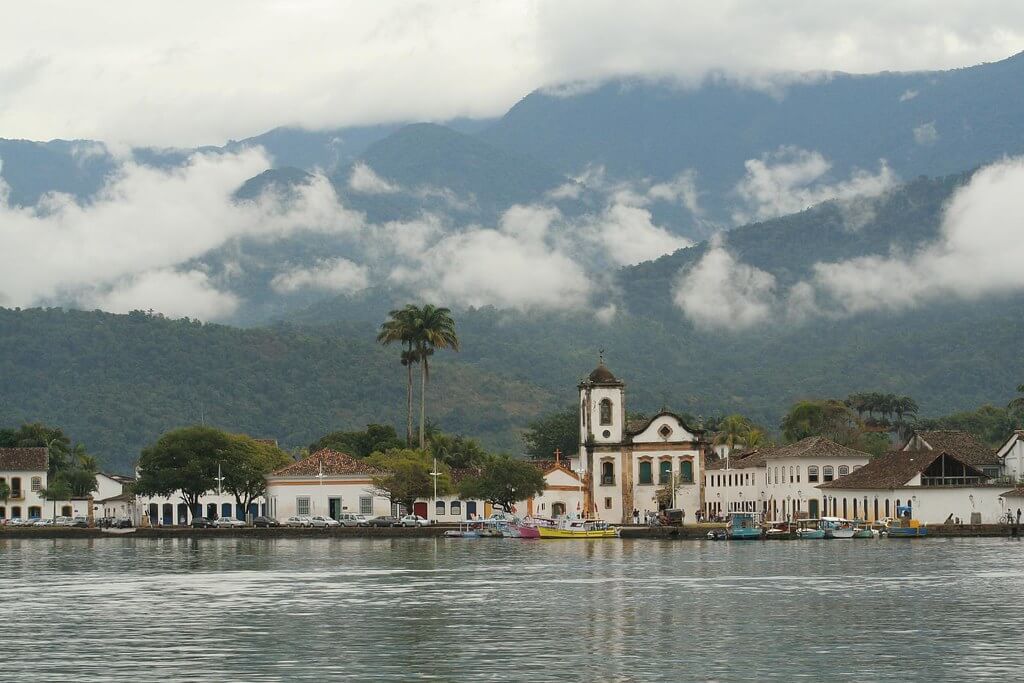
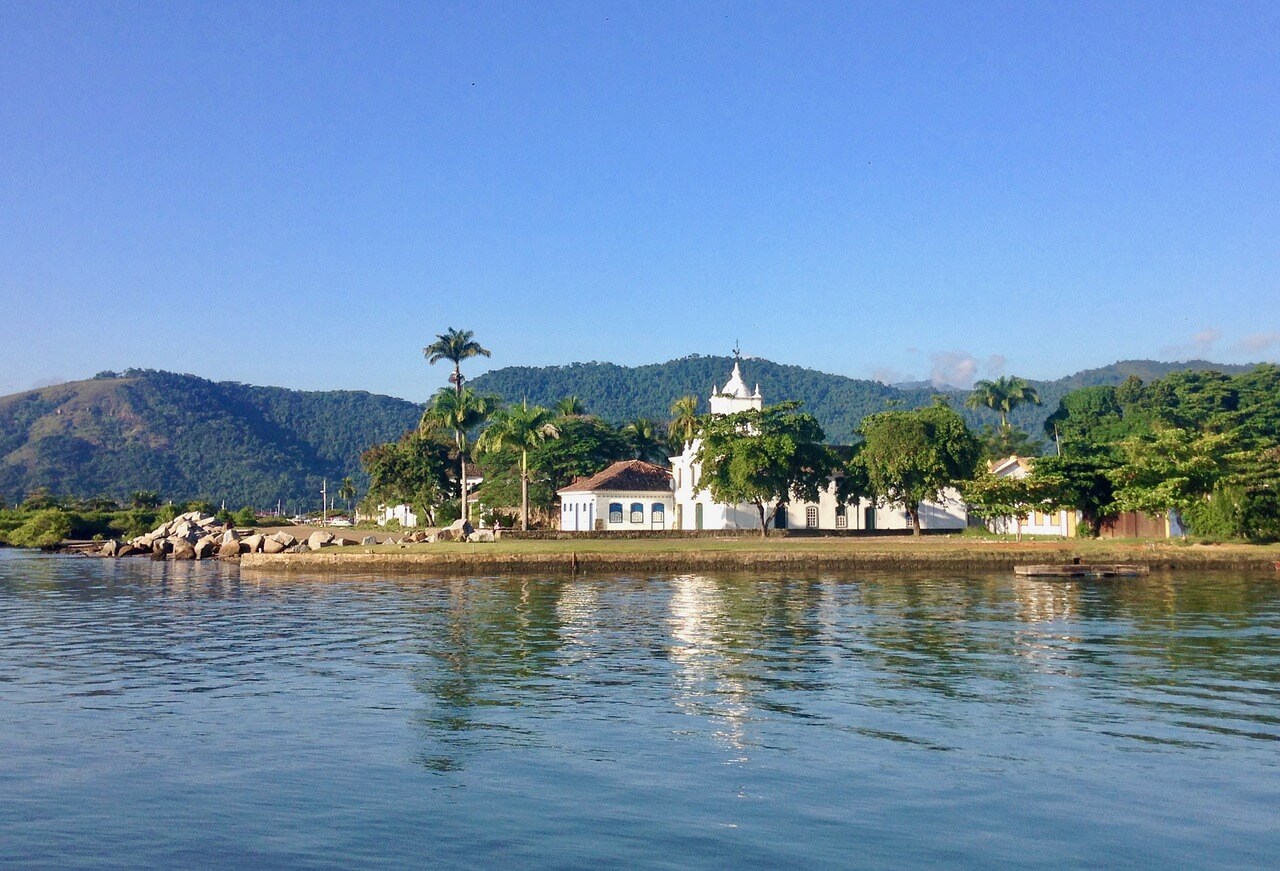
Like a perfectly preserved time capsule, Paraty's historic center emerges from the coastal plains as if the 18th century had never ended. Founded in 1597 by Portuguese settlers drawn to the bay's protected waters, this coastal gem derives its name from the Tupi Indigenous word meaning "river of fish"—a poetic testament to the abundant marine life that still graces its shores today.
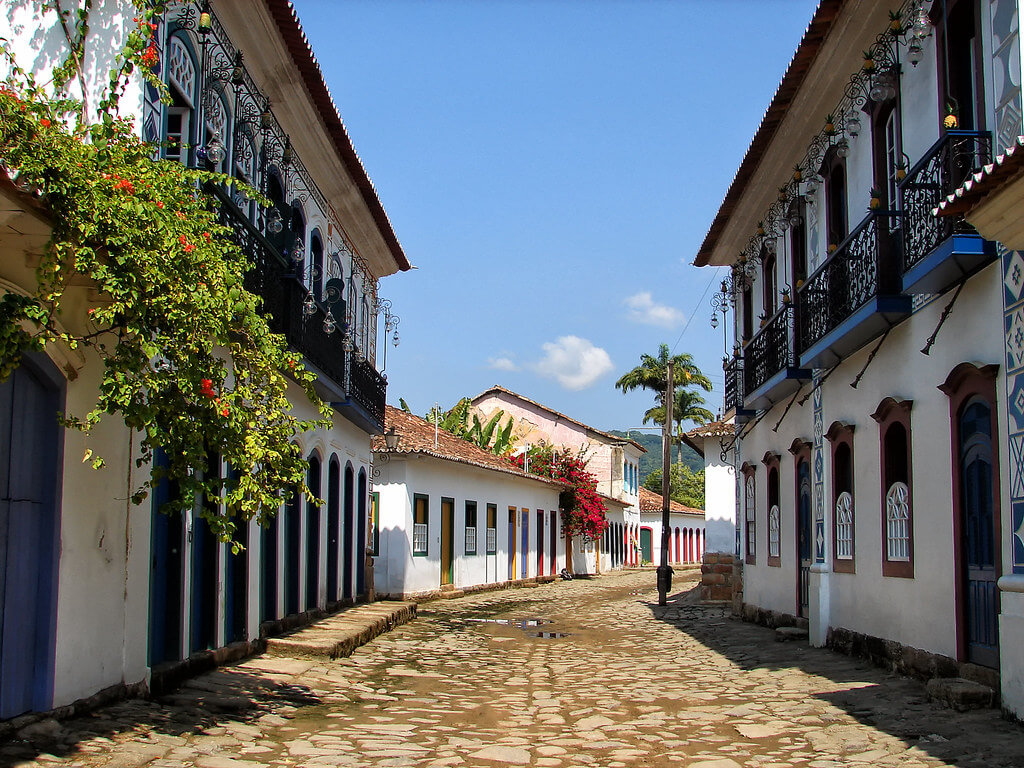
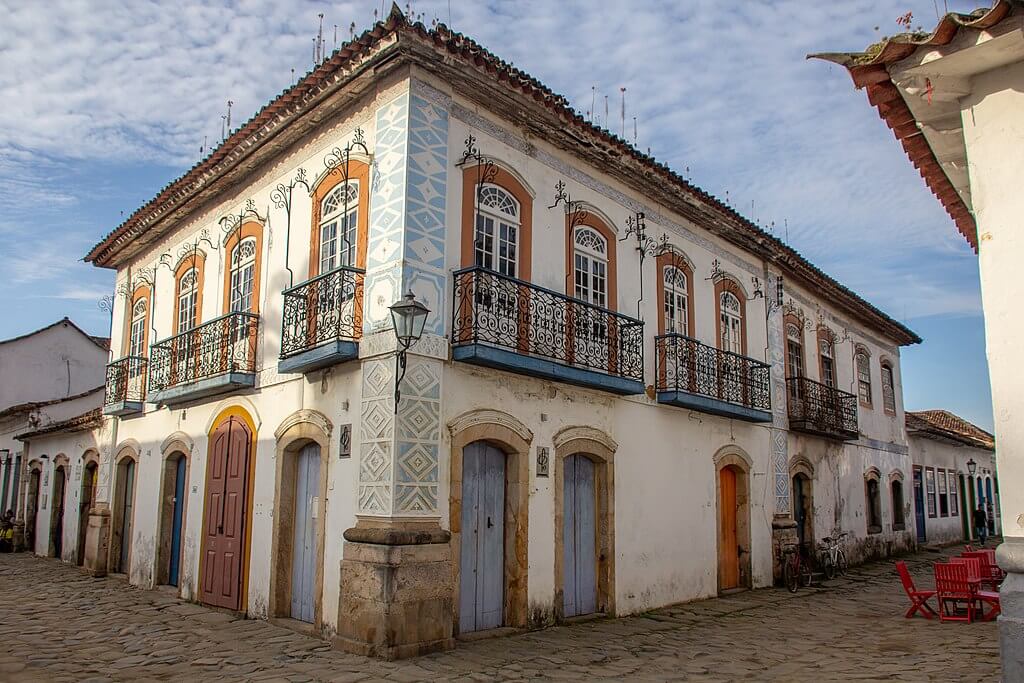
The cobblestoned streets of Paraty tell stories written in gold and tears. During the late 17th and 18th centuries, these very stones felt the weight of countless mule trains carrying precious metals from the interior mines to waiting ships. As the terminus of the legendary Caminho do Ouro (Gold Route), Paraty became Brazil's gateway to European markets, where fortunes were made and empires sustained. Yet these same streets also witnessed the arrival of enslaved Africans, whose forced labor powered the colonial economy and whose cultural contributions continue to enrich the town's identity.
Walking through Paraty today feels like stepping into a living museum where whitewashed colonial facades frame doorways painted in jewel tones—emerald greens, sapphire blues, and ruby reds that seem to capture the very essence of tropical Brazil. The town's ingenious urban planning reveals the wisdom of its Portuguese founders, who designed the streets to flood with each high tide, naturally cleansing the thoroughfares in a centuries-old example of sustainable city management.
Among the architectural treasures that grace these streets, the Church of Santa Rita stands as a masterpiece of colonial religious architecture. Built in 1722, this sacred space now houses the Museum of Sacred Art, where visitors can admire Baroque altarpieces and colonial artifacts that reflect the deep spiritual life of the community. Nearby, the Church of Our Lady of the Rosary and Saint Benedict, dating to 1725, serves as a powerful reminder of Paraty's Afro-Brazilian heritage, having been built by and for the town's enslaved African population.
The Island Time Forgot
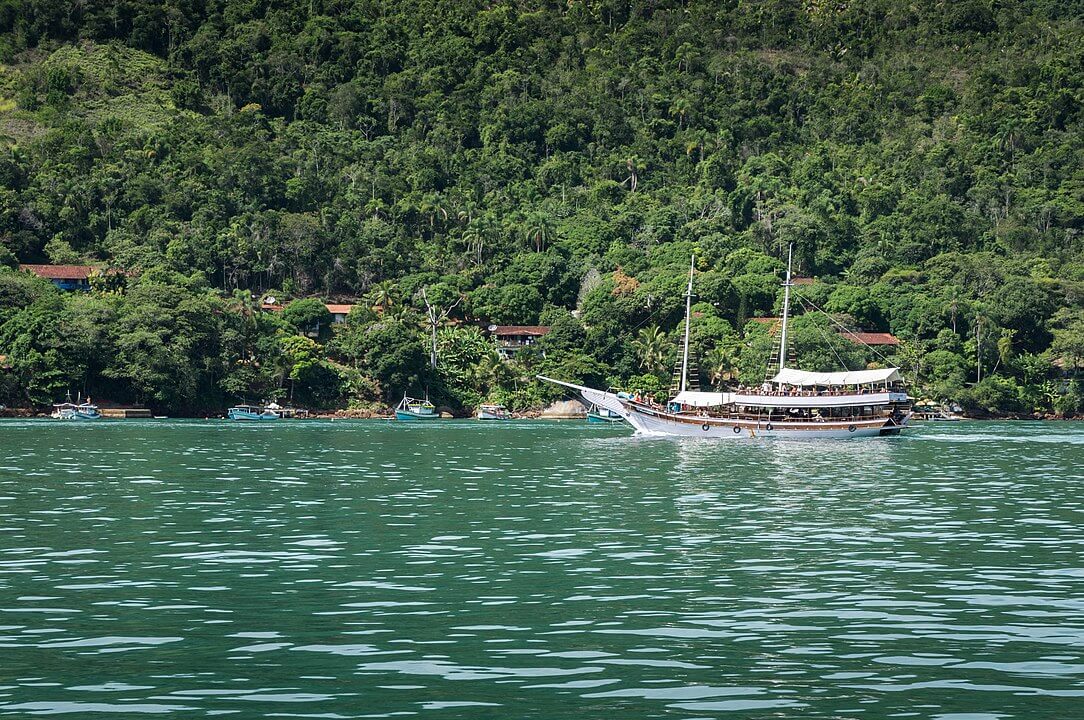
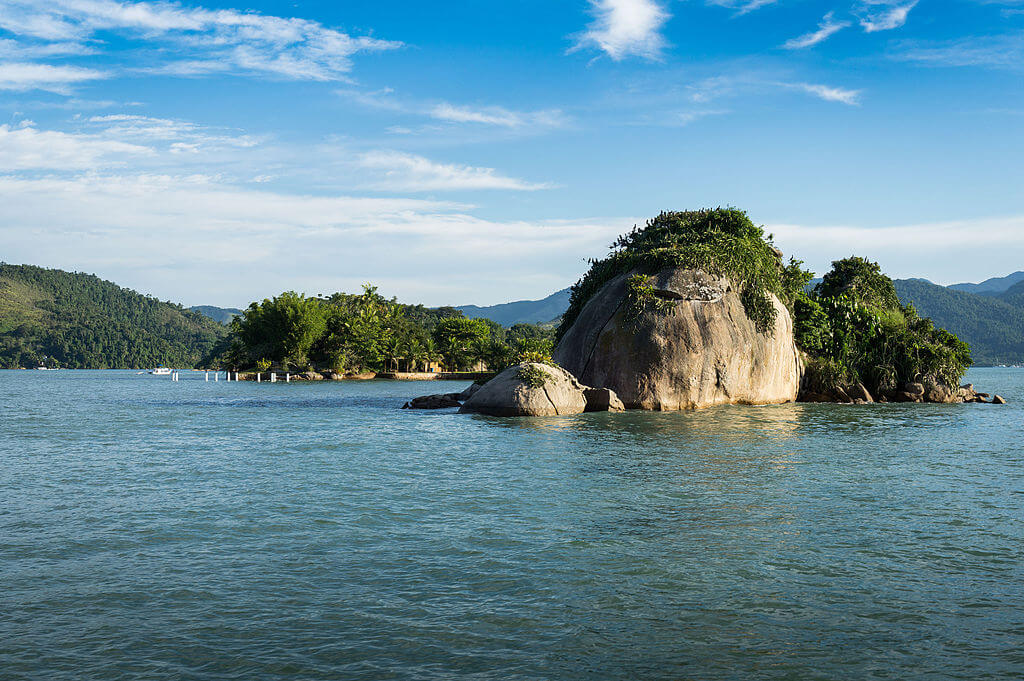
Across the glittering waters of Ilha Grande Bay lies an island that nature herself seemed determined to preserve. Ilha Grande—literally "Big Island"—encompasses 193 square kilometers (75 square miles) of pristine Atlantic Forest, its conservation owing to a remarkable twist of history that transformed isolation into preservation.
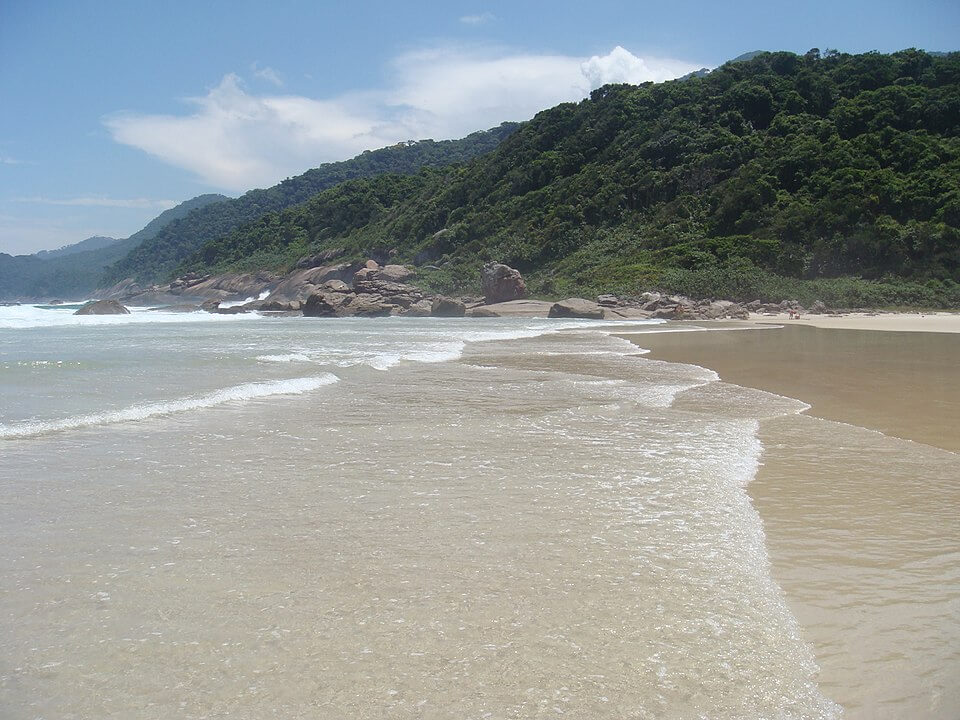
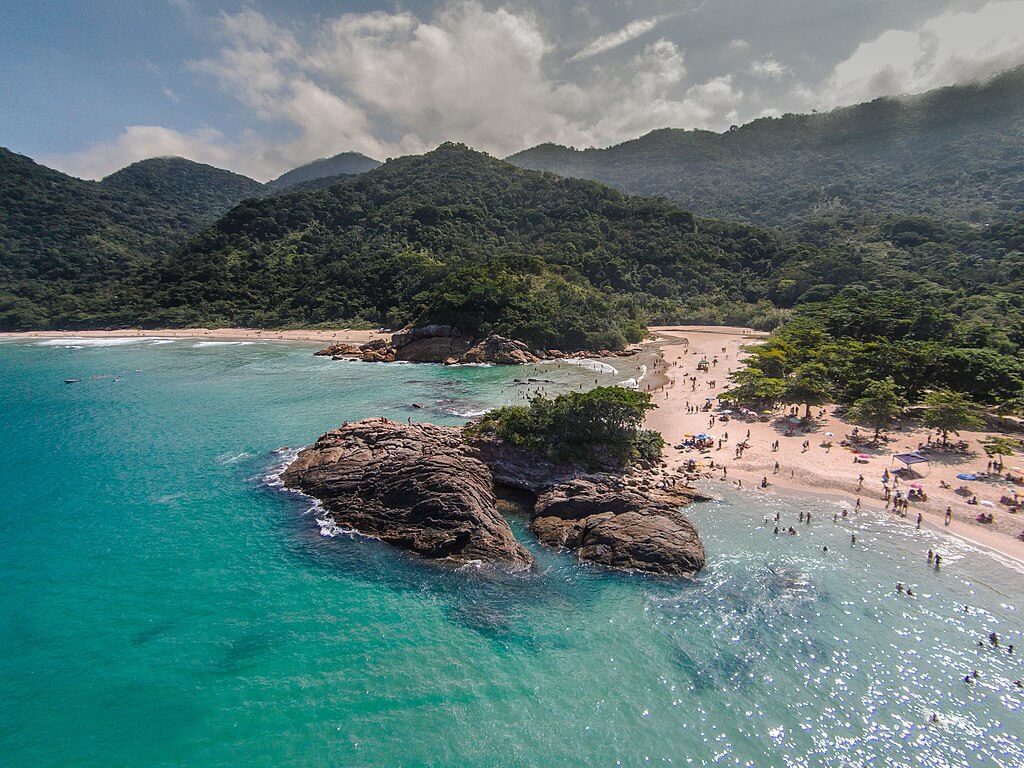
For nearly a century, Ilha Grande remained largely untouched by development, first serving as a leper colony and later housing the notorious Cândido Mendes maximum-security prison until its closure in 1994. This forced isolation, while tragic for those confined there, inadvertently created one of Brazil's most intact forest ecosystems. Today, dense canopies of ancient trees tower above pristine beaches where crystal-clear streams cascade into hidden coves, creating a paradise that feels almost primordial in its untouched beauty.
The island's forests harbor some of the Atlantic Forest's most endangered inhabitants. High in the canopy, the critically endangered Southern Muriqui (Brachyteles arachnoides)—Brazil's largest primate—swings through the trees with an almost ethereal grace. These woolly spider monkeys, weighing up to 15 kilograms (33 pounds) with arm spans reaching 1.6 meters (5.2 feet), serve as umbrella species whose protection ensures the survival of countless other forest dwellers.
Beneath the forest floor and along the pristine coastline, an equally remarkable story unfolds in the marine realm. The waters surrounding Ilha Grande teem with biodiversity, from colorful parrotfish navigating coral gardens to the gentle giants of the sea—Southern Right Whales and Humpback Whales—who migrate through these waters seasonally. Even Magellanic Penguins, following cold ocean currents from Patagonia, occasionally grace these tropical waters with their surprising presence.
Guardians of the Atlantic Forest
The World Heritage Site encompasses six distinct protected areas, each contributing unique elements to this conservation mosaic. Serra da Bocaina National Park stretches across approximately 104,000 hectares (257,000 acres) of mountainous terrain, where the highest peak, Pico do Tira o Chapéu, rises 2,088 meters (6,850 feet) above sea level. This park preserves crucial highland ecosystems where ancient tree species like Brazilian Pine (Araucaria angustifolia) create cathedral-like forests, while jaguars (Panthera onca) still roam through territories that have known their presence for millennia.
The Ilha Grande State Park protects 12,072 hectares (29,830 acres) across 62.5% of the island, encompassing everything from mountainous ridges to pristine beaches. More than 90% of the park remains cloaked in Atlantic Forest, complemented by restinga coastal forests, highland heath communities, and mangrove ecosystems that serve as nurseries for countless marine species.
Within the park's boundaries, the Praia do Sul Biological Reserve occupies 3,502 hectares (8,650 acres) dedicated specifically to scientific research and environmental education. This pristine sanctuary protects some of the island's most intact forest communities, where researchers study species like the Red-browed Amazon Parrot (Amazona rhodocorytha) and the Maned Sloth (Bradypus torquatus), both endemic to the Atlantic Forest and found nowhere else on Earth.
The Juatinga Ecological Reserve and Environmental Protected Area of Cairuçu extend the protected landscape beyond the main island, preserving crucial mangrove systems and coastal forests that support traditional caiçara fishing communities. These areas demonstrate how conservation and sustainable traditional livelihoods can coexist, with local communities serving as guardians of both cultural and natural heritage.
A Living Laboratory of Evolution
What makes this World Heritage Site truly exceptional is not just its individual components but the way they function as an integrated ecosystem. The Atlantic Forest of Paraty and Ilha Grande represents one of the world's most biodiverse yet threatened ecosystems, harboring approximately 2.7% of all known plant species despite covering less than 12% of its original extent.
Within these remnant forests, endemic species have evolved in isolation, creating unique assemblages found nowhere else. The Brown Howler Monkey (Alouatta guariba clamitans) announces each dawn with haunting calls that echo across forest valleys, while the cryptic Oncilla (Leopardus tigrinus) prowls silently through the understory. In the marine realm, the Broad-snouted Caiman (Caiman latirostris) inhabits coastal lagoons where fresh water meets salt, representing one of the few crocodilian species adapted to such brackish environments.
The region's botanical diversity proves equally remarkable, with towering emergent trees creating a canopy 30-40 meters (98-131 feet) above the forest floor. Beneath this green cathedral, colorful bromeliads collect rainwater in their leaf bases, creating aerial pools that support entire communities of frogs, insects, and other small creatures. Delicate orchids bloom in shades of purple, yellow, and white throughout the forest, many species remaining undiscovered by science.
Cultural Traditions in the Modern Era
Beyond its natural wonders, Paraty remains a thriving cultural hub where colonial traditions blend seamlessly with contemporary artistic expression. The annual Festival Literário Internacional de Paraty (FLIP) transforms the historic town into Brazil's literary capital, drawing renowned authors and book lovers from around the world to celebrate the written word beneath colonial eaves and starlit skies.
The Festival da Cachaça, Cultura e Sabores celebrates the region's most famous beverage—cachaça, Brazil's national spirit distilled from sugarcane. Local alambiques (distilleries) still employ traditional methods passed down through generations, producing artisanal cachaças that capture the essence of tropical terroir in every sip.
Traditional Caiçara communities, descended from Portuguese colonists, Indigenous peoples, and enslaved Africans, have maintained sustainable fishing practices that have sustained both their culture and marine ecosystems for centuries. Their colorful wooden boats still dot the bay at sunset, while their knowledge of tides, weather patterns, and fish behavior continues to inform both local livelihoods and conservation strategies.
Conservation Challenges and Triumphs
The designation as a World Heritage Site represents both recognition of extraordinary value and responsibility for its preservation. Climate change poses unprecedented challenges, with rising sea levels threatening coastal communities and changing precipitation patterns affecting forest ecosystems. Ocean acidification concerns marine environments, while increasing tourism pressure tests the balance between economic development and conservation.
Yet the success stories provide hope. Protective legislation has allowed jaguar populations to stabilize in some areas, while sea turtle nesting programs have increased reproductive success for Green Sea Turtles (Chelonia mydas) along protected beaches. Community-based conservation initiatives demonstrate how traditional knowledge and modern science can work together to protect both cultural and natural heritage.
Research stations throughout the protected areas continue advancing our understanding of Atlantic Forest ecology, with new species discoveries occurring regularly. These findings inform adaptive management strategies that enable ecosystems to respond to changing conditions while preserving their essential character.
A Legacy for Tomorrow
Paraty and Ilha Grande stand as more than just a beautiful destination or protected landscape—they represent a model for how human culture and natural systems can coexist and mutually enrich each other over centuries. The Portuguese colonists who founded Paraty could never have imagined that their modest fishing village would become a global treasure; yet, their respectful adaptation to local conditions created an enduring legacy.
Similarly, the isolation that preserved Ilha Grande's forests demonstrates nature's remarkable resilience when given the opportunity to heal and flourish. The island's transformation from a place of confinement to a beacon of conservation offers hope that even the most damaged ecosystems can recover with proper protection and time.
As visitors walk the tide-washed streets of Paraty or hike through the cathedral forests of Ilha Grande, they become part of an ongoing story—one that began with Indigenous peoples who first recognized this land's special qualities, continued through Portuguese colonization and African cultural contributions, and now extends into a future where conservation and sustainable development point toward harmony between human aspirations and natural systems.
This World Heritage Site reminds us that our greatest treasures are often those that combine natural beauty with human creativity, ancient wisdom with scientific understanding, and local traditions with global recognition. In protecting Paraty and Ilha Grande, we preserve not just forests and historical buildings, but the living proof that humans and nature can create something together more beautiful and enduring than either could achieve alone.