
The Living Heritage of Cusco: A Journey Through Time in Peru's Sacred Valley
Perched high in the Andes within Peru's Sacred Valley, Cusco exemplifies a living cultural heritage where ancient Inca stonework seamlessly blends with Spanish colonial architecture. Once the center of Tawantinsuyu, this city acts as a gateway to Machu Picchu while preserving vibrant Indigenous traditions.
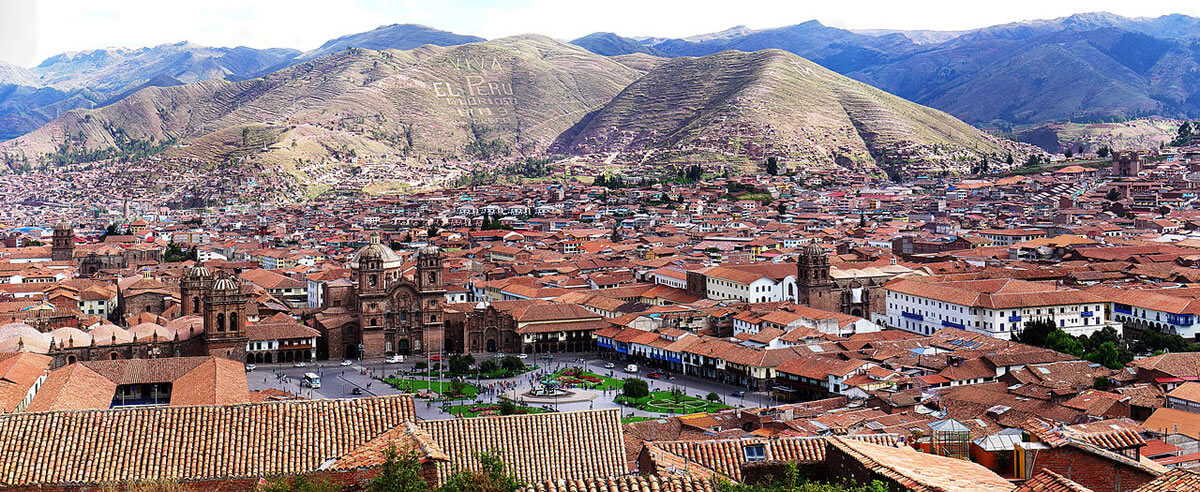
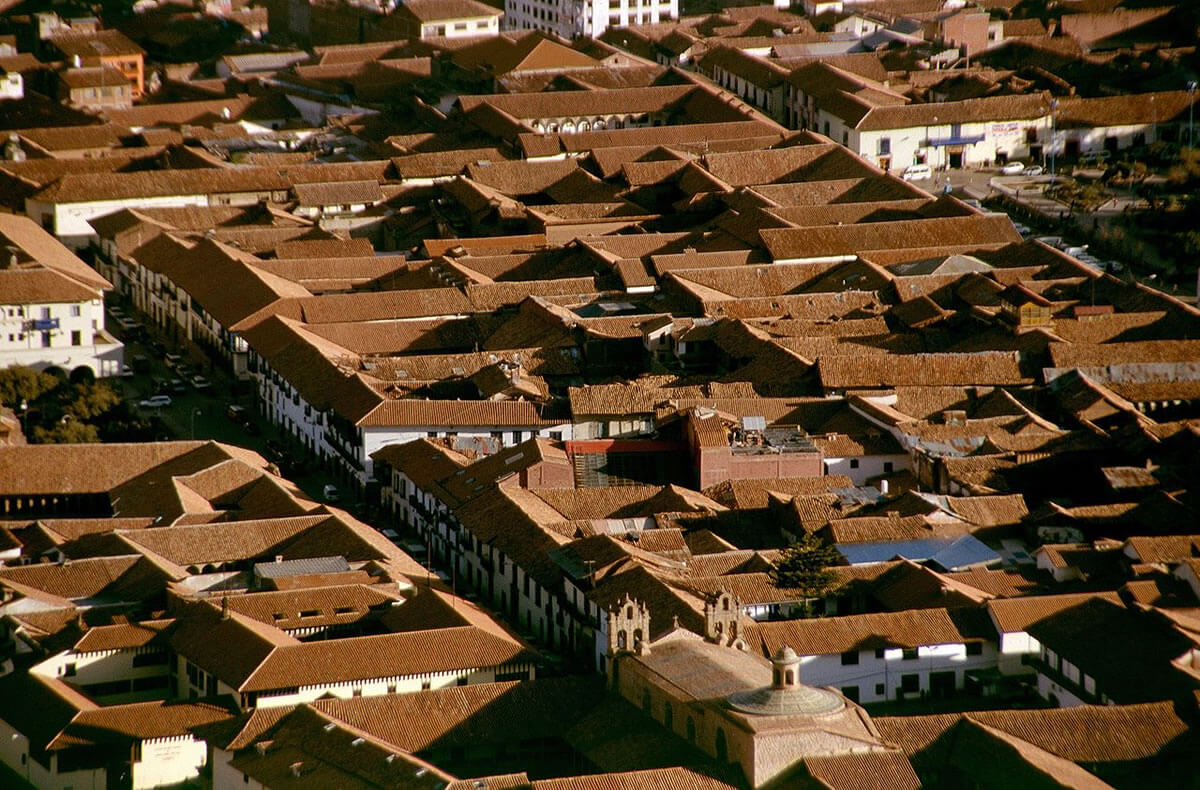
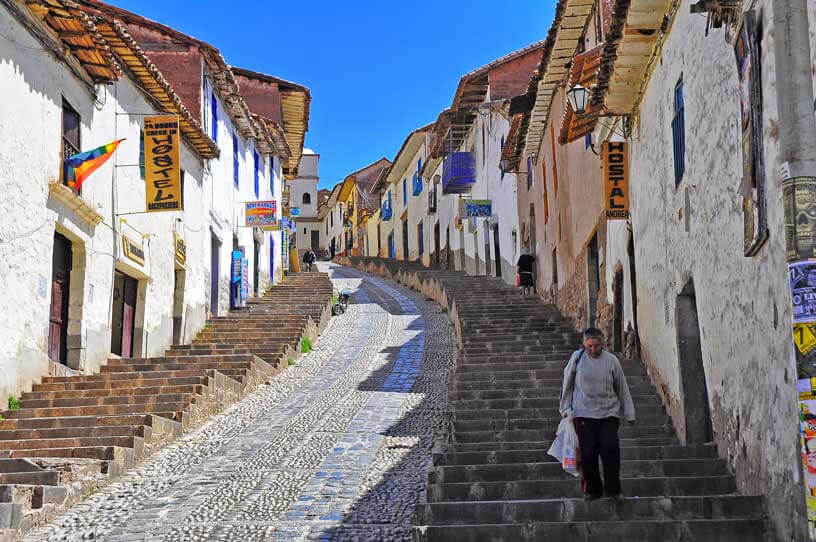
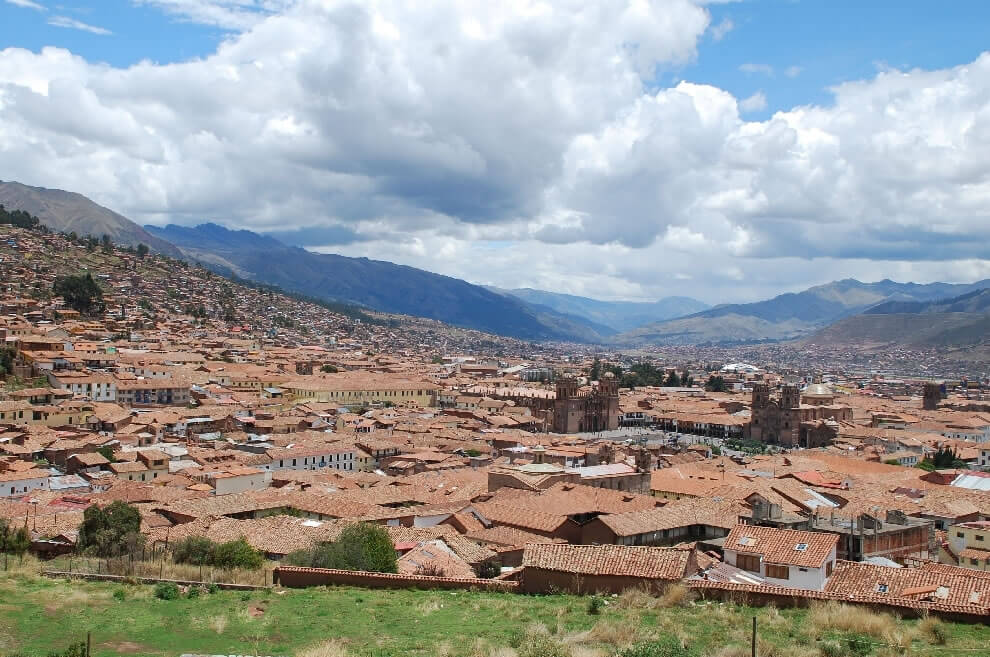
Cusco: Where Ancient Stones Whisper Stories of Empire and Devotion
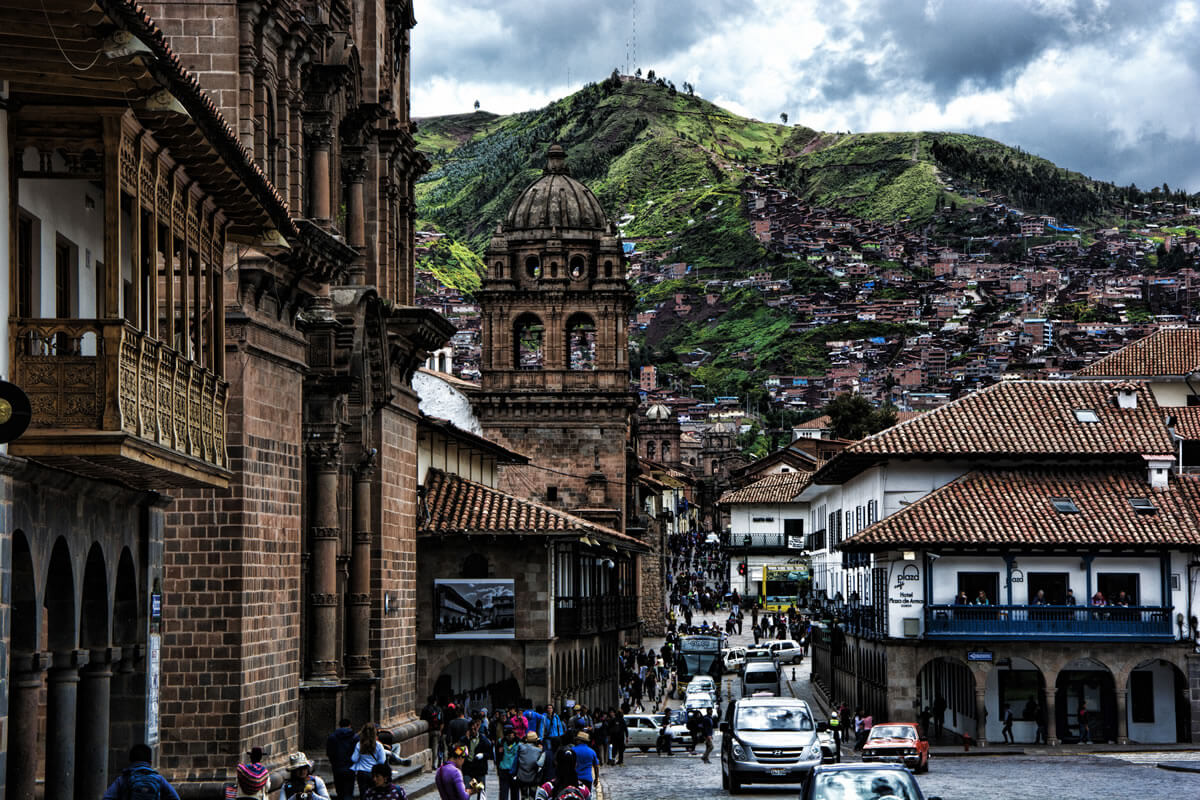
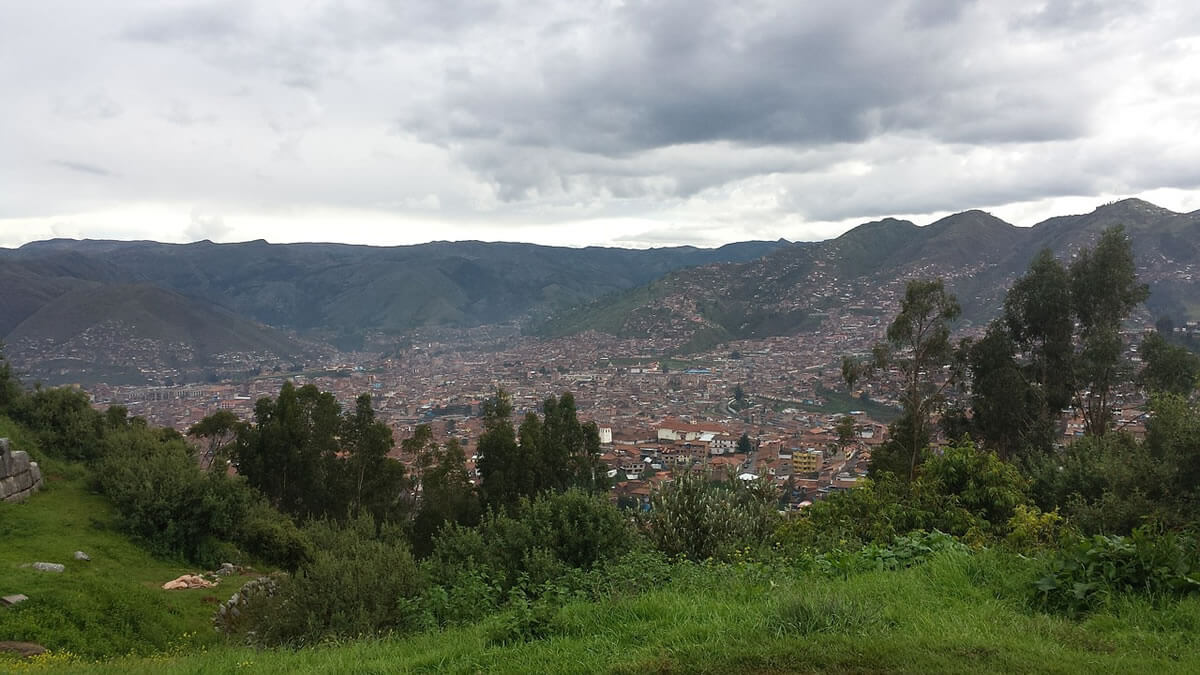
In the embrace of southeastern Peru's rugged terrain, where the Urubamba Valley carves its ancient path through the towering Andes, lies a city that defies the conventional boundaries between past and present. Cusco, perched at a breathtaking altitude of 3,400 meters (11,155 feet) above sea level, stretches across the high-altitude plateau like a living museum, its cobblestone streets echoing with the footsteps of both Inca nobles and modern-day pilgrims.
This remarkable city of 428,450 inhabitants serves as the capital of both the Cusco Region and Province, yet its significance transcends administrative boundaries. Recognized by UNESCO as a World Heritage Site in 1983 for its outstanding universal value, Cusco represents an extraordinary synthesis of Inca and Hispanic architectural achievements. Here, in this rarified air where every breath reminds visitors of the city's celestial proximity, the weight of history presses as tangibly as the thin mountain atmosphere. The city sprawls across approximately 385 square kilometers (149 square miles) of Andean highland, creating an urban tapestry that seamlessly weaves together threads from multiple civilizations.
The Heart of Tawantinsuyu: Cusco's Imperial Dawn
To understand Cusco is to journey back to the 13th century, when this valley witnessed the birth of what would become the most expansive Indigenous empire in the Americas. The city emerged not merely as a settlement but as the spiritual and administrative nucleus of Tawantinsuyu, the Inca Empire that would eventually stretch over 4,000 kilometers (2,485 miles) from present-day Colombia to Chile.
Under the transformative vision of Inca Pachacuteq in the 15th century, Cusco underwent a metamorphosis that would establish its enduring character. The ruler, whose name translates to "earth-shaker," lived up to his moniker by reimagining the city's entire urban structure. Archaeological evidence suggests that Pachacuteq ordered the complete reconstruction of the city center, creating a masterpiece of urban planning that incorporated sophisticated hydraulic systems, earthquake-resistant construction techniques, and symbolic layouts that reflected Inca cosmology.
The city's design embodied the Inca concept of ayni—reciprocity and balance—with its four main roads extending toward the four suyus (regions) of the empire. These thoroughfares, paved with precisely fitted stones, could accommodate the passage of imperial messengers, known as chasquis, who maintained communication across the vast empire through an intricate relay system that rivals modern postal services in its efficiency.
Architectural Poetry in Stone: The Sacred Geography of Cusco
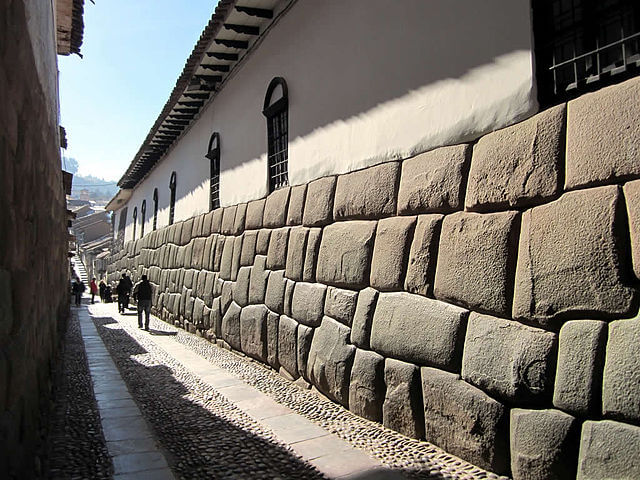
Walking through Cusco today, visitors encounter what renowned archaeologist John Hemming described as "the most impressive stonework in the Americas." The Inca masonry techniques, which required no mortar yet created joints so tight that a knife blade cannot slip between them, represent an engineering achievement that continues to baffle modern architects and seismic engineers.
The Temple of the Sun, or Qoricancha, stands as perhaps the most sublime example of this architectural mastery. Once sheathed entirely in gold sheets that caught and reflected the Andean sunlight like a terrestrial star, this sacred complex served as the spiritual heart of the empire. The temple's walls, constructed from precisely cut andesite blocks, curve in a perfect arc that demonstrates the Incas' sophisticated understanding of both aesthetic beauty and structural engineering. During the winter solstice, sunlight still penetrates the temple's windows at calculated angles, illuminating specific alcoves that once held mummified remains of Inca rulers.
The Aqllahuasi, or "House of the Chosen Women," reveals another facet of Inca architectural sophistication. This complex, covering approximately 2,000 square meters (21,528 square feet), housed the acllas—young women selected for their beauty and intelligence to serve the sun god and assist in religious ceremonies. The building's intricate network of chambers, courtyards, and underground passages reflects the complex social hierarchies and religious practices that governed Inca society. Trapezoidal doorways and windows, a hallmark of Inca architecture, create a sense of permanence and stability while allowing structures to flex during seismic activity.
The Sunturcancha, dedicated to Wiracocha, the creator deity, occupies a strategically elevated position that overlooks the city's main plaza. This ceremonial complex, with its massive stone platforms and precisely aligned astronomical observation points, served as both a temple and an ancient observatory. The Incas' sophisticated understanding of celestial mechanics is evident in the structure's alignment with key astronomical events, including the appearance of the Southern Cross constellation and the annual solar cycles that governed their agricultural practices.
Perhaps most impressive of all was the Kusicancha, the "Enclosure of Gold," which served as the imperial palace complex. Covering an area of approximately 4 hectares (10 acres), this architectural marvel housed not only the ruling Incas' residence but also administrative offices, ceremonial halls, and storage facilities for the empire's vast treasures. Spanish chroniclers reported that the complex contained gardens where golden replicas of plants, complete with leaves, flowers, and even insects, created an otherworldly landscape that blurred the boundaries between art and nature.
The Ecological Tapestry: Flora and Fauna of the Sacred Valley
Cusco's unique position in the Andes creates a fascinating ecological zone where highland species thrive alongside cultivated varieties that have sustained human civilization for thousands of years. The city sits within the montane cloud forest transitional zone, where morning mists roll down from peaks that tower over 6,000 meters (19,685 feet) above sea level.
The streets and plazas of Cusco are graced by ancient specimens of Schinus molle (Peruvian pepper tree), whose drooping branches and delicate pink berries provide both shade and cultural continuity—the Incas considered these trees sacred and used their resin in mummification processes. Towering Eucalyptus globulus trees, introduced during the colonial period, now dominate the city's skyline, their aromatic leaves serving as natural air purifiers in the thin mountain atmosphere.
In the surrounding valleys, traditional agricultural terraces still support crops that were first domesticated by Inca farmers centuries ago. Solanum tuberosum varieties—the potatoes that would eventually transform global cuisine—grow in brilliant purple, yellow, and red varieties alongside Chenopodium quinoa, the "golden grain of the Incas" that provided complete protein for high-altitude populations.
Wildlife adapts remarkably to Cusco's urban-mountain interface. Turdus chiguanco (the Chiguanco thrush) fills the dawn hours with complex melodies that echo off ancient stone walls, while Colibri coruscans (the sparkling violet-ear hummingbird) hovers around the abundant flowering plants that cascade from colonial balconies. High above the city, Vultur gryphus (the Andean condor)—sacred to the Incas as a messenger between earthly and celestial realms—still soars on thermal currents, its massive 3-meter (10-foot) wingspan a reminder of the region's untamed natural heritage.
Colonial Transformation: The Palimpsest of Conquest
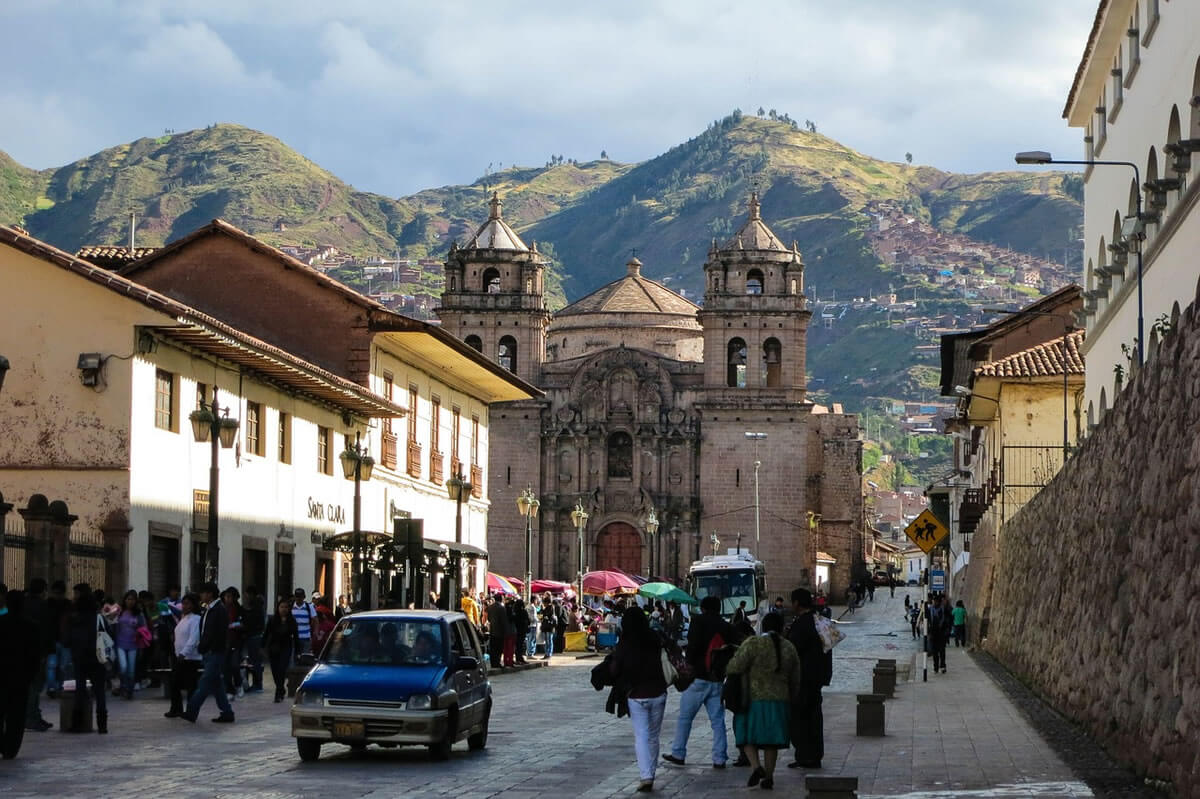
The arrival of Spanish conquistadors in 1533 marked not the destruction of Cusco but its remarkable transformation into a unique architectural palimpsest—a city where each layer of history remains visible beneath subsequent additions. Francisco Pizarro's men, initially awed by the city's grandeur, made a pragmatic decision that would define Cusco's future character: rather than destroying the magnificent Inca stonework, they would build upon it.
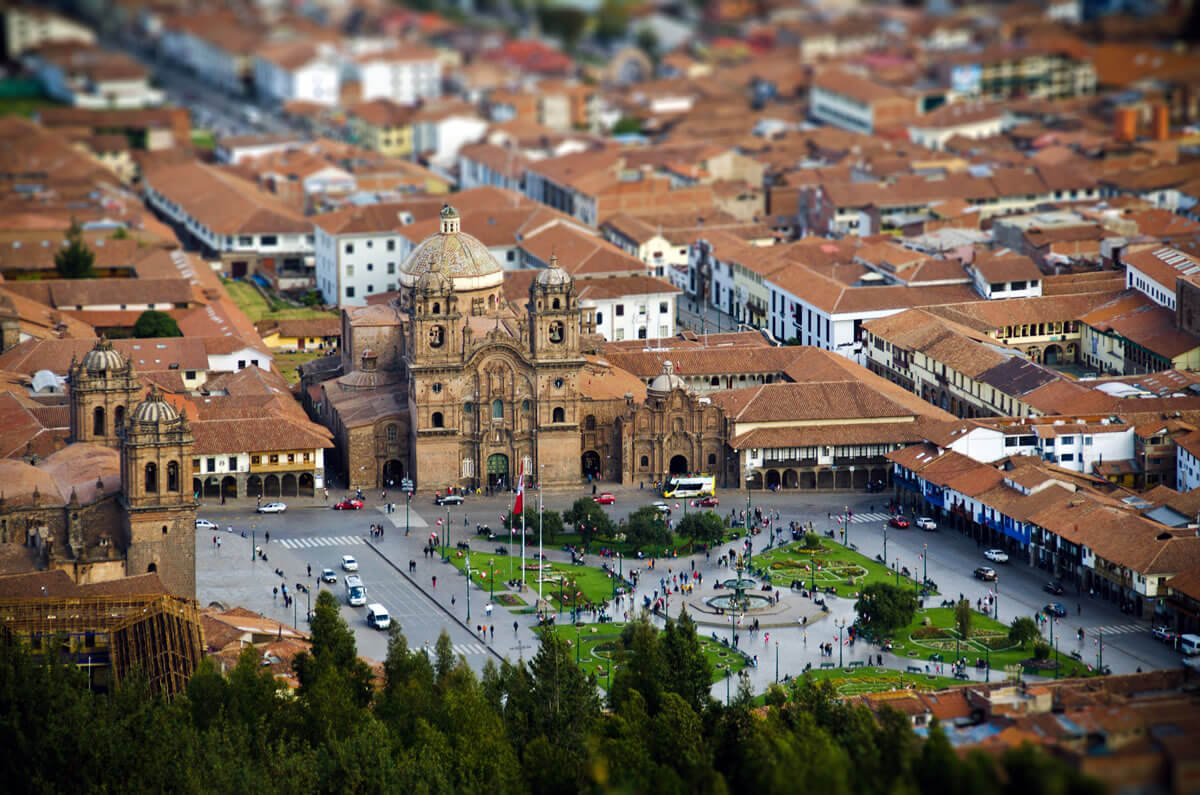
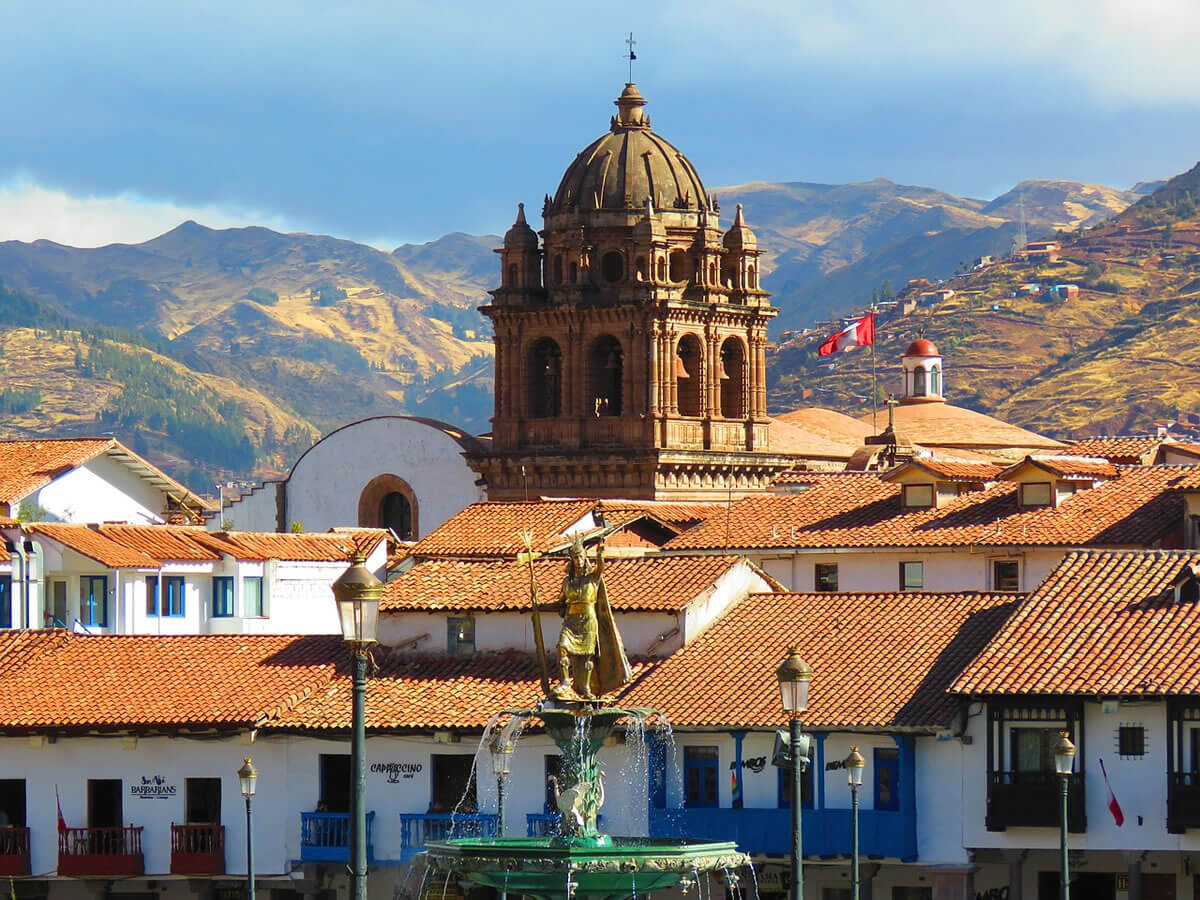
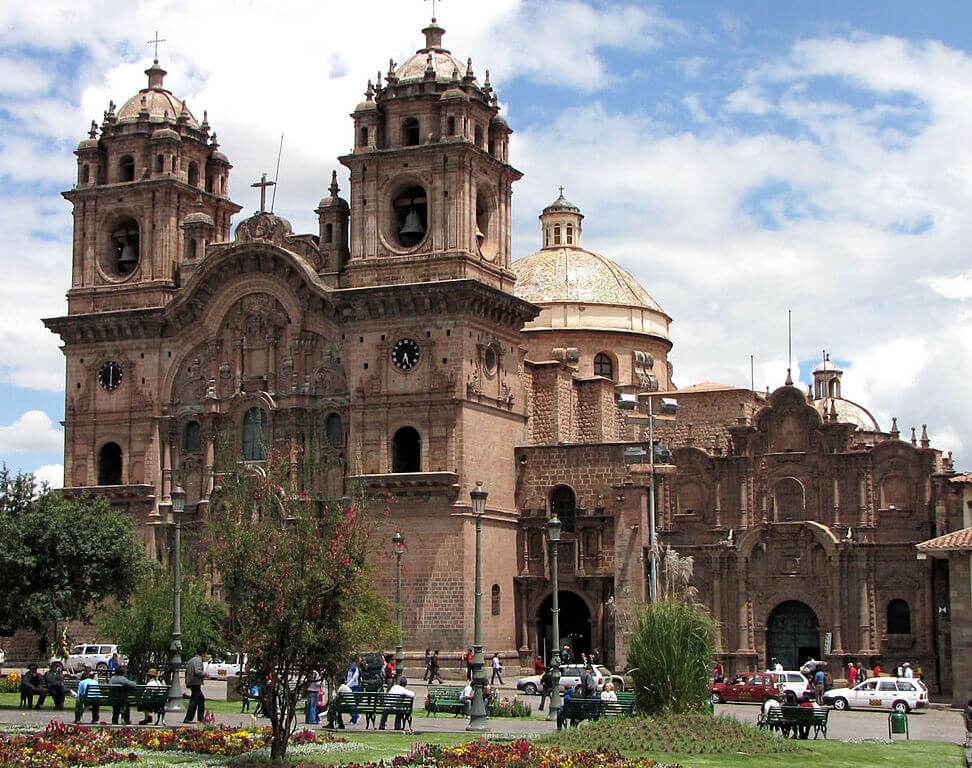
The result is a city where baroque churches rest on Inca foundations, their elaborate altarpieces and gilded retablos creating dramatic contrasts with the austere perfection of pre-Columbian masonry. The Cathedral of Cusco, begun in 1559 and completed nearly a century later, exemplifies this cultural synthesis. Its massive cedar doors, carved by Indigenous artisans who incorporated traditional Andean motifs alongside Christian imagery, open onto a nave where the Last Supper depicts Christ and his disciples sharing guinea pig—cuy—and drinking chicha, the traditional corn beer of the Andes.
This period of cultural mixing, known as mestizaje, gave rise to artistic traditions that were neither purely European nor Indigenous, but something entirely new and distinct. The Cusco School of painting, which flourished from the 16th to 18th centuries, produced thousands of works that adorned churches throughout the viceroyalty. These paintings, characterized by their rich colors and incorporation of local elements—angels wearing feathered headdresses, Virgin Marys dressed in triangular Inca textiles—represent one of the Americas' most distinctive artistic movements.
Colonial architects and engineers also grappled with Cusco's challenging geography and seismic activity. The city experiences frequent earthquakes due to its position along the South American tectonic plate boundary, and colonial builders learned to respect and adapt Inca construction techniques. Many colonial structures incorporate Inca walls as foundations, creating buildings that have survived major earthquakes that devastated purely European-style constructions in other Andean cities.
The Living City: Contemporary Cusco's Cultural Renaissance
Modern Cusco pulses with an energy that reflects both its historical significance and its role as a gateway to one of the world's most celebrated archaeological sites. Nearly two million visitors annually pass through the city's narrow streets, yet Cusco has managed to maintain its authentic character while adapting to the demands of international tourism.
The city's main plaza, known as Huacaypata during Inca times and renamed Plaza de Armas by the Spanish, remains the beating heart of urban life. Here, Quechua-speaking vendors sell textiles woven using techniques that predate European contact, while children play games that their ancestors played centuries ago. The plaza transforms throughout the day: morning markets give way to afternoon strolls, which evolve into evening gatherings where traditional music spills from doorways of colonial buildings.
Contemporary Cusco has embraced sustainable tourism practices that protect both its cultural heritage and natural environment. Local regulations limit building heights to preserve sightlines to surrounding peaks, while restoration projects use traditional materials and techniques to maintain architectural integrity. The city's designation as a UNESCO World Heritage Site in 1983 recognized not only its outstanding universal value but also the ongoing commitment of its inhabitants to preserve their living heritage.
The Qhapaq Ñan, or Inca road system, now recognized as a separate UNESCO World Heritage Site, connects Cusco to dozens of archaeological sites throughout the region. Modern travelers can follow portions of these ancient paths, walking on stones laid by Inca engineers and crossing bridges rebuilt using traditional techniques. These experiences offer profound connections to the landscape and cultural practices that shaped Andean civilization.
The Sacred Landscape: Cusco's Spiritual Geography
Understanding Cusco requires recognizing that for its inhabitants, the city exists within a sacred landscape where every mountain peak, spring, and stone carries spiritual significance. The Inca concept of huacas—sacred places that serve as conduits between the physical and spiritual worlds—continues to influence how many residents relate to their urban environment.
The surrounding peaks of Ausangate, Salkantay, and Huacay Huillca are not merely geographical features but active participants in daily life, affecting weather patterns, agricultural cycles, and spiritual practices. Traditional ceremonies still honor these apu (mountain spirits), with offerings of coca leaves, chicha, and elaborate ritual meals that maintain reciprocal relationships between human communities and the natural world.
The Hatun Rumiyoc, a famous twelve-angled stone in Cusco's historic center, illustrates how individual architectural elements carry cultural meanings that transcend their physical properties. School children routinely touch this stone for good luck, while Indigenous spiritual practitioners leave offerings of coca leaves in its crevices. This single stone represents the continuity of sacred practices across more than five centuries of cultural change.
Culinary Heritage: Flavors of Ancient and Modern Peru
Cusco's culinary landscape reflects the same cultural synthesis that characterizes its architecture and arts. Traditional pachamanca—foods cooked in earth ovens using heated stones—connects contemporary diners with pre-Columbian cooking techniques, while innovative restaurants reinterpret ancient ingredients using modern culinary methods.
Local markets overflow with products that tell stories of cultural exchange spanning centuries. Purple corn, first cultivated in these valleys over 3,000 years ago, becomes chicha morada, a refreshing beverage that combines ancient nutrition with contemporary flavors. Quinoa, once reserved for Inca nobility, now appears in preparations that range from traditional soups to internationally influenced fusion dishes.
The city's restaurants serve as laboratories for Peru's acclaimed culinary renaissance, where chefs experiment with native ingredients like maca root, lucuma fruit, and dozens of potato varieties that originated in the surrounding highlands. These establishments create economic opportunities for local farmers while introducing visitors to flavors and nutritional traditions that sustained Andean civilizations for millennia.
Conclusion: The Eternal City of the Andes
Cusco endures as more than a historic destination or tourist attraction; it represents a living testament to human adaptability, cultural resilience, and the enduring power of place to shape identity across generations. The city's ability to honor its past while embracing its future offers valuable lessons for communities worldwide that struggle to balance preservation with progress.
As dawn breaks over the city each morning, illuminating ancient stones with the same light that blessed Inca ceremonies centuries ago, Cusco reveals itself as both artifact and home, museum and metropolis. Its narrow streets connect not only different neighborhoods but different epochs, creating an urban experience where the boundary between past and present dissolves into something more complex and beautiful than either period could achieve alone.
The city's designation as the "Archaeological Capital of the Americas" acknowledges its historical importance, but this title captures only part of Cusco's significance. More accurately, it stands as a bridge between worlds—Indigenous and Hispanic, ancient and contemporary, sacred and secular—demonstrating that cultural heritage thrives not in isolation but through thoughtful integration of diverse influences across time.
For the nearly half a million people who call Cusco home, and for the millions more who visit each year, the city offers an irreplaceable opportunity to experience how human communities can honor their deepest traditions while adapting to contemporary realities. In walking its streets, touching its stones, and participating in its ongoing cultural life, visitors become part of Cusco's continuing story. This narrative began with the Incas but continues to unfold with each generation that chooses to call this remarkable place home.