Protected Area

Pico da Neblina: Brazil's Pinnacle of Wilderness and Cultural Heritage

Pico da Neblina National Park, located in the far north of Brazil, is a remote and ecologically significant area encompassing Brazil's highest peak, Pico da Neblina. This vast park, bordering Venezuela, is part of the larger Amazon Rainforest biome and remains one of Brazil's most pristine and biodiverse regions. With limited human access and deep cultural ties to Indigenous peoples, the park represents an important symbol of conservation, environmental diversity, and natural beauty.
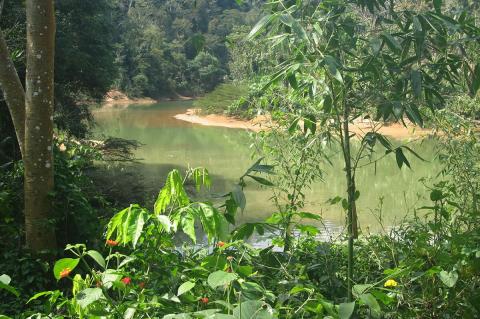
Piedras Blancas National Park: A Tropical Haven in Southern Costa Rica

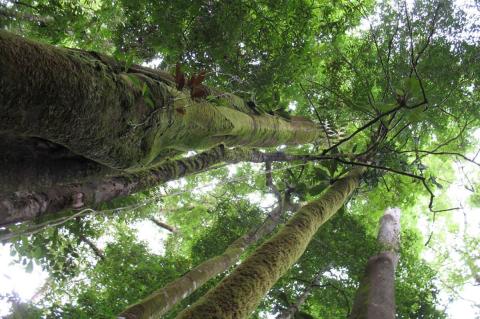
Piedras Blancas National Park is a lush expanse of evergreen primary forest in the Puntarenas Province of southern Costa Rica. It is a vital sanctuary for indigenous plants and wildlife. Situated on the southern Pacific Coast near the town of La Gamba, Piedras Blancas National Park plays a crucial role in conserving Costa Rica's rich biodiversity. This park, part of a more significant ecological corridor, is integral to the environmental health of the Golfo Dulce region.

Pilón-Lajas Biosphere Reserve and Communal Lands (Bolivia)

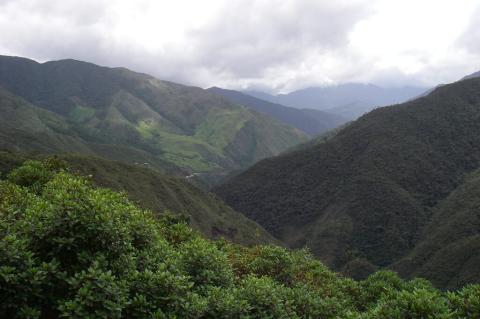
The Pilón Lajas Biosphere Reserve, located in Bolivia on the eastern spur of the Andes, is a remarkable convergence of biodiversity and cultural heritage. Spanning the departments of La Paz and Beni, this reserve encompasses various ecosystems, including humid tropical forests, subtropical forests, and Amazonian plains. Home to many plant and animal species, the reserve protects the cultural heritage of the Tsimane', Mosetene, and Tacana Indigenous communities.

Poás Volcano National Park: A Landscape Shaped by Fire and Ice

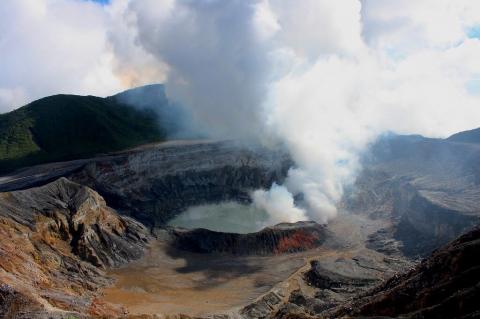
Rising dramatically from Costa Rica's central highlands, Poás Volcano is one of the country's most active and captivating volcanoes. Located within Poás Volcano National Park in Alajuela Province, this stratovolcano has a long history of eruptions, with over 40 recorded since 1828. Its volatile nature, exemplified by significant eruptions in 2017 and 2019, fascinates scientists and tourists. Poás Volcano's enormous crater, acidic lake, and surrounding cloud forests make it an essential site for geological and ecological study.

Podocarpus National Park: Ecuador's Biodiversity Haven

Podocarpus National Park is a remarkable natural sanctuary in the southeastern provinces of Zamora Chinchipe and Loja in Ecuador. This park, part of the Podocarpus-El Condor Biosphere Reserve, is renowned for its immense biodiversity and unique ecosystems. Positioned at the confluence of four ecological systems—the Northern Andes, Southern Andes, Amazonian, and Pacific regions—Podocarpus National Park is a treasure trove of endemic species and diverse habitats.

Preservation of Biodiversity: Brazil's Discovery Coast Atlantic Forest Reserves

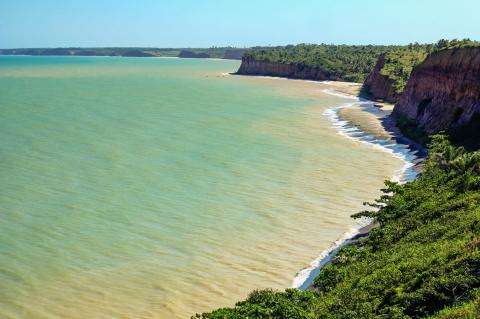
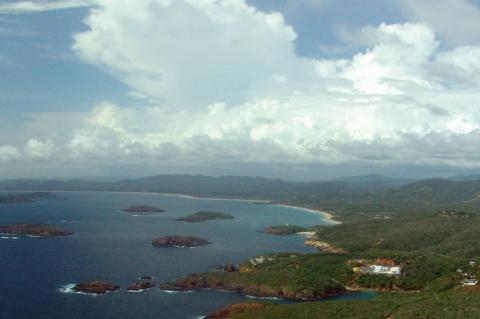
The Discovery Coast Atlantic Forest Reserves in northeastern Brazil exhibit a stunning variety of ecosystems, showcasing the Atlantic Forest biome's evolutionary history and ecological processes. The landscape is characterized by coastal tablelands, sandy beaches, sea cliffs, lagoons, and coral reefs, creating a habitat for a diverse range of flora and fauna. The region boasts an exceptional botanical diversity and is particularly rich in tree species.

Preserving Chile's Natural Heritage: The Bosques Templados Lluviosos Biosphere Reserve

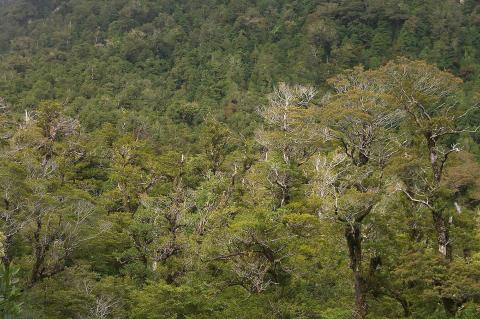
Nestled in the heart of Chile's Los Lagos and Los Ríos regions, the Bosques Templados Lluviosos de Los Andes Australes Biosphere Reserve is a testament to the intricate beauty and ecological importance of the Valdivian temperate rainforest. This expansive protected area includes some of the world's most unique and biologically rich ecosystems. The reserve, featuring volcanic terrains, verdant forests, and a variety of native species, plays a crucial role in conservation and sustainable development.

Preserving Mexico's Tropical Dry Forests: The Chamela-Cuixmala Biosphere Reserve

The Chamela-Cuixmala Biosphere Reserve is a rich mosaic of ecosystems located in the state of Jalisco, Mexico. Stretching along the Pacific coast, this reserve protects one of the most biologically diverse landscapes in the Americas. The reserve is named after the town of Chamela, an important historical port, and the Cuixmala River, which serves as a natural boundary. It is renowned for preserving dry and deciduous tropical forests, some of the world's most endangered and ecologically important ecosystems.

Protecting Paradise: The Islands and Protected Areas of the Gulf of California

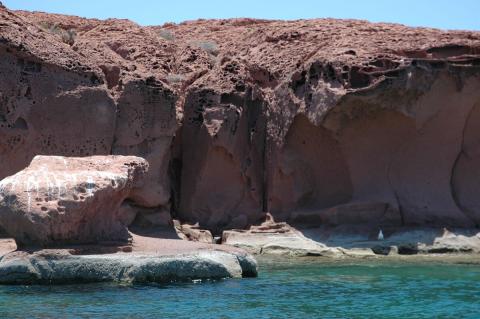
The Islands and Protected Areas of the Gulf of California, inscribed as a UNESCO World Heritage Site, includes 244 islands, islets, and coastal areas in northeastern Mexico. Known as "the world's aquarium," this natural paradise faces major threats leading to its listing as a World Heritage site in danger, especially due to the critically endangered vaquita. The site highlights extraordinary biodiversity and the urgent need for global conservation efforts, symbolizing natural wonder and the challenges of preserving marine ecosystems today.

Pumalín Douglas Tompkins National Park: A Legacy of Conservation

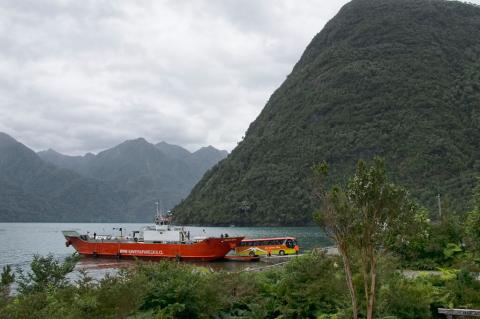
Pumalín Douglas Tompkins National Park in Chile's Los Lagos Region is a testament to the country's rich natural heritage and conservation efforts. Spanning northern Patagonia, it features breathtaking landscapes, including volcanoes, forests, waterfalls, and coastlines. Named after American conservationist Douglas Tompkins, the park is a sanctuary for diverse flora and fauna, including ancient Alerce trees.