Protected Area

Pantanos de Centla Biosphere Reserve: Mexico's Exquisite Wetland Haven

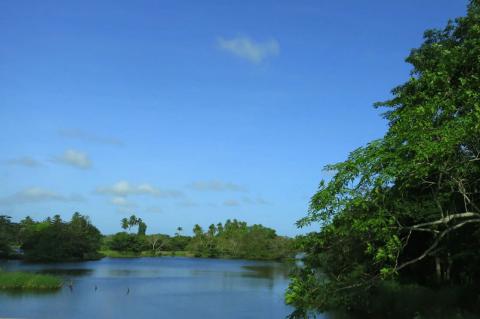
The Pantanos de Centla Biosphere Reserve, an ecological gem nestled in the heart of Tabasco, southern Mexico, is one of the most crucial wetlands in what was once Mesoamerica. This expansive reserve boasts one of the largest tropical moist forest ecoregions in the Americas. With its seasonally flooded forests, vast wetlands, and critical position at the confluence of the Grijalva and Usumacinta rivers, the reserve has rightfully earned its designation as a Ramsar Wetland of International Importance.
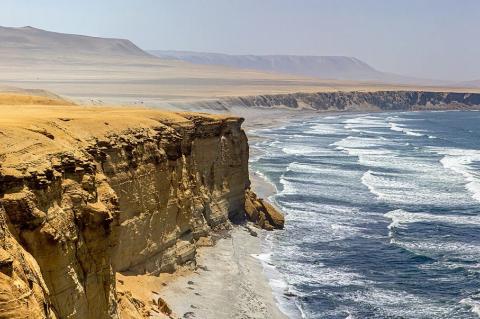
Paracas National Reserve: A Coastal Desert Haven in Peru

Paracas National Reserve is a unique protected area located in the Ica region of Peru, spanning coastal desert and marine ecosystems, making it a critical conservation area in South America. The reserve encompasses the Paracas Peninsula, Independence Bay, and surrounding desert regions, offering a rich mosaic of landscapes supporting diverse wildlife. In addition to its natural beauty, Paracas is steeped in archaeological history, with remnants of the ancient Paracas culture visible in the region. The combination of ecological significance and cultural heritage makes the Paracas National Reserve an exceptional destination.

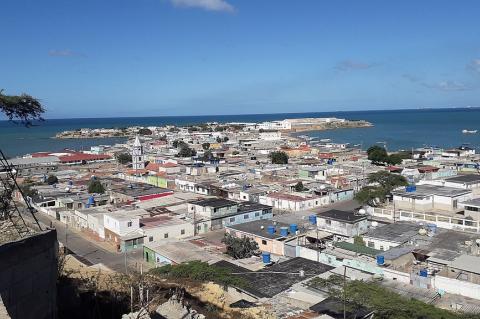
Paraguaná and Médanos de Coro: Where Desert Meets the Caribbean

The Paraguaná Peninsula, nestled between the Caribbean Sea and the Gulf of Venezuela, is rich in natural beauty, history, and economic significance. Connected to the mainland by the sandy Médanos Isthmus, the peninsula is home to Médanos de Coro National Park, a unique desert landscape of wind-sculpted dunes and coastal plains. This juxtaposition of desert and sea, combined with the area's historical role as a hub for pirates and smugglers, creates a compelling destination for ecological study and exploration.

Parima Tapirapecó: Preserving the Amazon’s Natural and Cultural Heritage

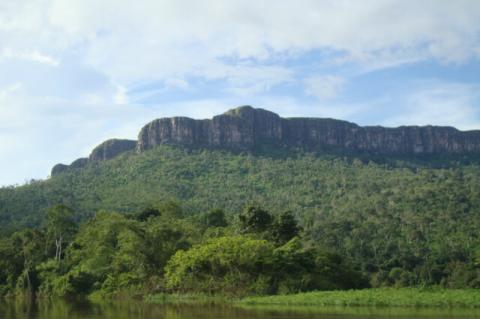
Located in the southeastern corner of Venezuela, Parima Tapirapecó National Park stands as one of the world's largest and most ecologically significant protected areas. This vast wilderness forms a critical part of the Guainan Highlands moist forests ecoregion, renowned for its rich biodiversity. Beyond its natural splendor, the park is also a vital cultural landscape. It is home to the Indigenous Yanomami people, whose deep connection to the land reflects a centuries-old relationship with nature.

Parque Patagonia: Argentina's Rewilded Steppe

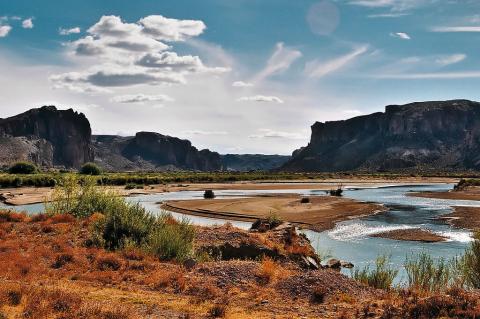
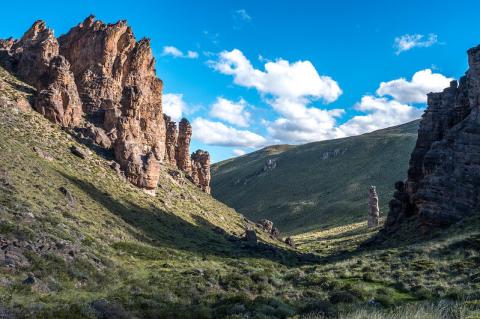
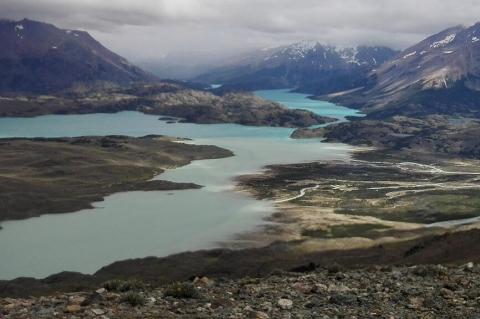
In the windswept plateaus of northeastern Santa Cruz Province, Patagonia National Park protects a landscape of canyons, steppe grassland, and high-altitude lakes that, within living memory, had been stripped of much of its native wildlife by more than a century of sheep ranching. Today it stands as one of Argentina's most ambitious rewilding projects, and its very existence traces back to the fate of a single, critically endangered bird.

Patagonia Azul: Argentina's Coastal Treasure Trove

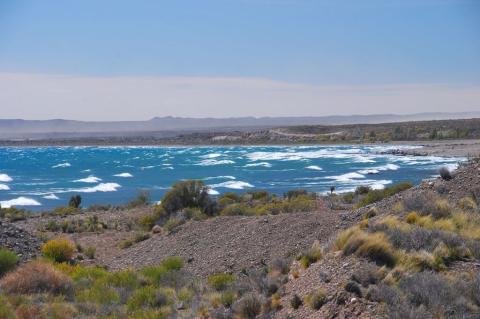
Nestled along the rugged coastline of Chubut Province in Argentine Patagonia, the Patagonia Azul Biosphere Reserve stands as a testament to this region's incredible beauty and biodiversity. Recognized by UNESCO, this vast protected area covers an impressive area, making it Argentina's largest biosphere reserve and one of the most significant marine-terrestrial conservation areas in South America. With its pristine landscapes, unique geological formations, and rich flora and fauna, the Patagonia Azul Biosphere Reserve is a true natural wonder.

Patagonia National Park: The Heart of Chilean Wilderness

Patagonia National Park, located in the Aysén Region of southern Chile, is a vast and diverse protected area that showcases Patagonia's unique natural beauty and ecological significance. The park, encompassing a range of ecosystems from arid steppe grasslands to dense southern beech forests, serves as a crucial habitat for various flora and fauna. With its origins tied to significant conservation efforts, the park is a testament to its dedication to preserving Chile's natural heritage.

Pereyra Iraola Provincial Park and Biosphere Reserve: A Natural Oasis in Buenos Aires

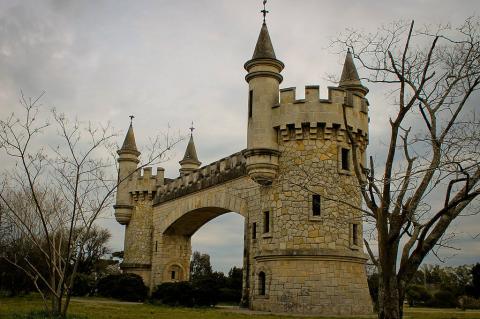
Nestled between the municipalities of La Plata and Berazategui, along the banks of the majestic Río de la Plata, lies the Pereyra Iraola Provincial Park and Biosphere Reserve. This urban oasis is the largest provincial park in Argentina's Buenos Aires Province and a rich center of biodiversity, offering a sanctuary for nature enthusiasts and city dwellers alike.

Perito Moreno National Park: A Patagonian Paradise

Situated in the heart of Patagonia, the southern region of Argentina, lies Perito Moreno National Park, a pristine wilderness area that showcases the beauty and grandeur of this remote corner of the world. Established in 1937, this national park is one of the oldest in Argentina. It is named after the renowned explorer Francisco "Perito" Moreno, who was crucial in establishing Argentina's park system. This protected area immerses visitors in Patagonia's rugged landscapes and diverse ecosystems.

Pic Macaya National Park: Haiti's Biodiversity Haven

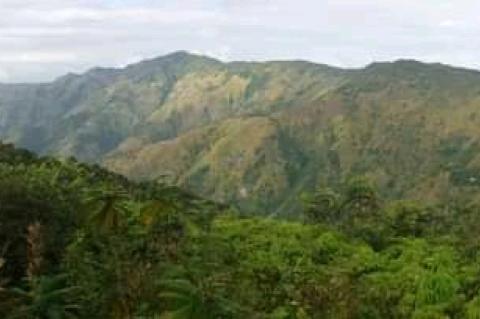
Pic Macaya National Park, one of Haiti's largest protected areas, is situated within the Massif de la Hotte mountain range in the Sud Department. It is renowned for its diverse landscapes, ranging from subtropical lowland forests to montane cloud forests at higher elevations. As part of the larger Massif de la Hotte Key Biodiversity Area, Pic Macaya National Park is crucial for its high levels of endemism and its significant role in conservation efforts within Haiti.