Protected Area

Henri Pittier National Park: Venezuela's First Park, and the World's First Protected Cacao

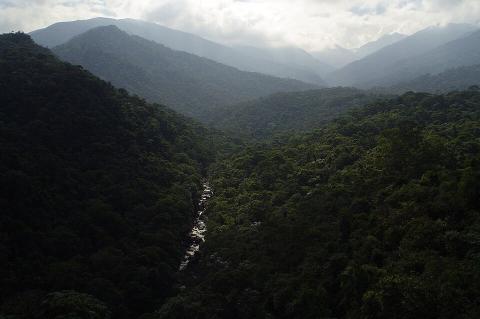
In Venezuela's Aragua and Carabobo states, sandwiched between Lake Valencia and the Caribbean coast, Henri Pittier National Park was Venezuela's first national park. Established under a different name nearly nine decades ago, the park has since become one of the most significant sites for bird conservation in the Americas relative to its size, and its coastal reaches shelter a village whose cacao chocolatiers worldwide consider among the finest on Earth.

Honduras's Biodiversity Haven: Pico Bonito National Park

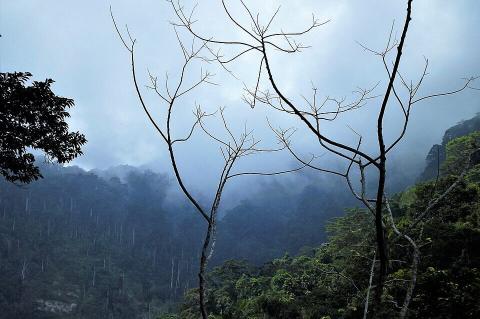
Pico Bonito National Park, nestled in the heart of Honduras, is a breathtaking sanctuary that exemplifies the country's remarkable biodiversity and rugged natural beauty. The park is home to towering peaks, lush tropical forests, and crystal-clear rivers. Its diverse ecosystems harbor a stunning variety of plant and animal species, making it one of Central America's most biologically rich regions. Accessible yet pristine, Pico Bonito offers visitors an unparalleled opportunity to connect with nature.

Huascarán National Park: A Sanctuary of Biodiversity and Human History

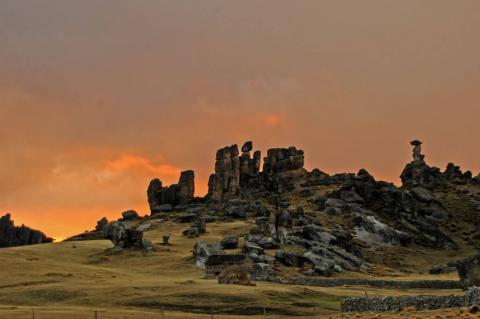
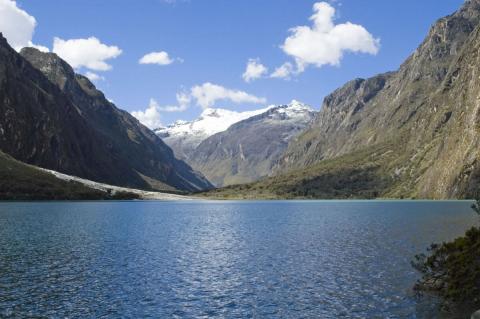
Huascarán National Park and its extension as the Huascarán Biosphere Reserve, located in the Ancash region of Peru, are natural sanctuaries and cultural treasures. Spanning an extensive area, the park and reserve are strategically positioned along the Cordillera Blanca, the world's highest tropical mountain range. This area is significant for its breathtaking landscapes and diverse ecosystems and its rich cultural heritage.

Huatulco National Park and Biosphere Reserve: A Coastal Gem in Oaxaca

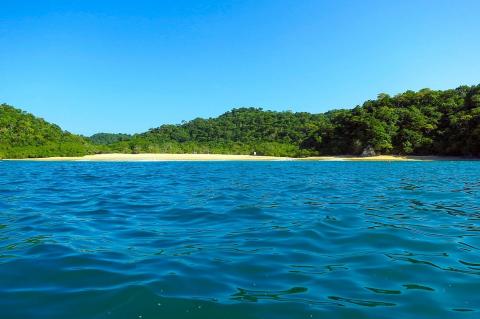
Nestled along the Pacific coast of Oaxaca, Mexico, lies the stunning Huatulco National Park and Huatulco Biosphere Reserve. Bays, cliffs, and rocky escarpments characterize these protected areas. The reserve's terrestrial portion comprises rounded hills, isolated hills, dunes, escarpments, cliffs, mangroves, wetlands, savannas, and lowland deciduous and riparian vegetation. The marine part features bays, beaches, islands, kelp, and coral communities.

Huerquehue National Park: A Verdant Oasis in Chile's Andean Foothills

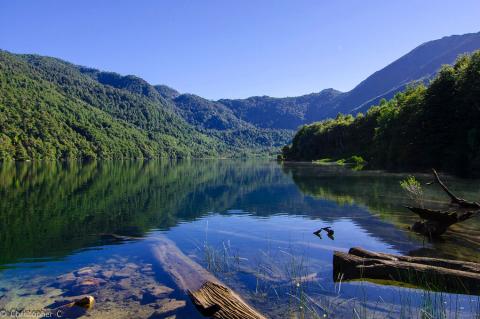
Nestled in the lush, mountainous terrain of Chile's La Araucanía region, Huerquehue National Park stands as a verdant oasis. Ancient Araucaria forests, crystal-clear lakes, and rushing streams converge in a breathtaking display of nature's majesty. This protected area beckons adventurers and nature enthusiasts to immerse themselves in its pristine landscapes and discover its rich tapestry of biodiversity.

Iguazú Falls, Argentina: A Natural Wonder on the Border

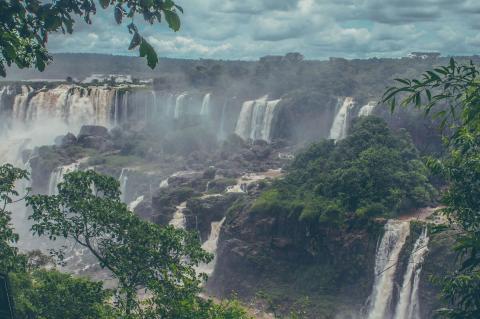
Iguazú Falls, straddling the Argentina-Brazil border, is one of the world's most spectacular natural wonders. This waterfall system is divided into 150 to 300 individual falls, depending on the river's flow, including the iconic Devil's Throat, and draws millions of visitors annually. The falls are surrounded by lush subtropical rainforest protected on both sides of the border, known in Brazil as Iguaçu National Park and in Argentina as Iguazú National Park, together forming a UNESCO World Heritage Site renowned for its biodiversity and conservation significance.

Ischigualasto and Talampaya Natural Parks: Geological Treasures of Argentina

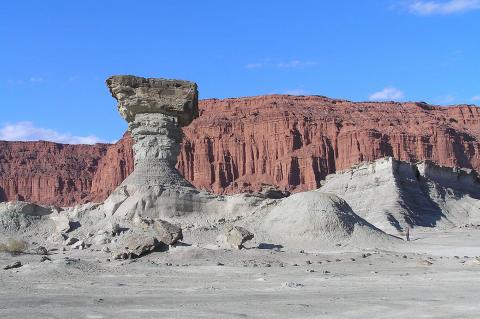
Nestled amidst the rugged and arid landscapes of the Cuyo region in central Argentina, the Ischigualasto and Talampaya Natural Parks emerge as awe-inspiring monuments to the Earth's ancient past, offering a glimpse into the distant worlds of the Triassic Period. These two adjoining protected areas, spanning an expansive pristine wilderness, form a UNESCO World Heritage Site recognized and celebrated for their profound geological and paleontological significance.

Island Sanctuaries: Vieques and Culebra National Wildlife Refuges

The wildlife refuges of Vieques and Culebra are key conservation success stories on Puerto Rico's eastern islands. The Vieques National Wildlife Refuge, on former U.S. Navy lands, covers over half the island, while the Culebra National Wildlife Refuge protects marine and coastal habitats on 23 cays and parts of Culebra's coast. Together, these refuges safeguard some of the most biodiverse and ecologically intact habitats remaining in the U.S. Caribbean, serving as sanctuaries for endangered species while supporting sustainable tourism and scientific research.

Itatiaia National Park: Brazil's First and Finest Natural Sanctuary

Itatiaia National Park, Brazil's first, offers a glimpse into the country's rich biodiversity and stunning landscapes. Nestled in southeastern Brazil, straddling the states of Rio de Janeiro and Minas Gerais, Itatiaia is a testament to conservation efforts and the natural beauty of the Atlantic Forest and high mountain plains. Exploring the park's history, geography, ecological significance, and diverse flora and fauna reveals its unique value and allure.