Natural Regions of South America

Chapada Diamantina: Exploring Nature's Masterpiece in the Brazilian Highlands

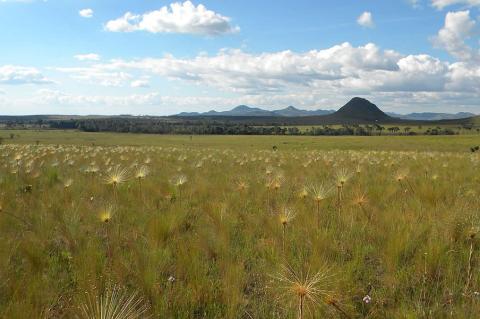
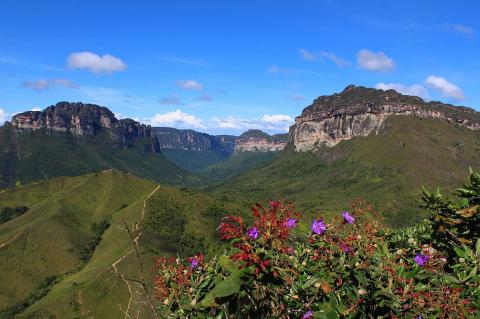
Nestled in the northeastern reaches of Brazil, Chapada Diamantina unfolds as a vibrant region of extraordinary landscapes and rugged mountainous terrain within the Brazilian Highlands. This region is situated within the Brazilian Highlands and is geographically diverse and culturally rich. Chapada Diamantina National Park, an integral part of the Chapada Diamantina region, is a testament to its ecological importance.

Islands in the Sky: Venezuela's Gran Sabana

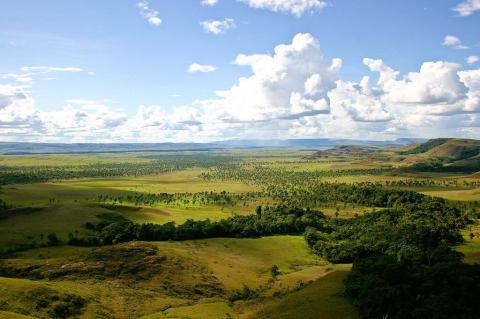
La Gran Sabana is a vast plateau in southeastern Venezuela within Canaima National Park, part of the Guiana Shield. It features spectacular tepuis—isolated tabletop mountains with sheer cliffs above savannas—and hosts over 4,800 plant species, including many endemic and carnivorous plants. The Pemon people have lived here for millennia, and landmarks like Mount Roraima and Angel Falls highlight its ancient, unique landscape, facing threats from fire, mining, and climate change.

Mesopotamia and the Missionary Jungle: A Tale of Ecological Riches and Conservation Challenges

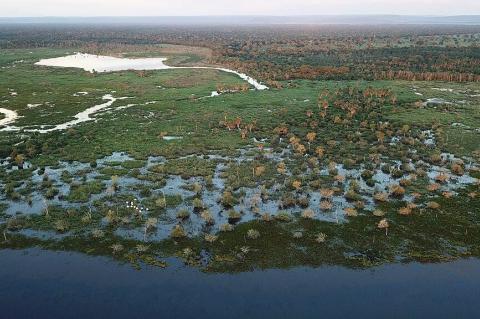
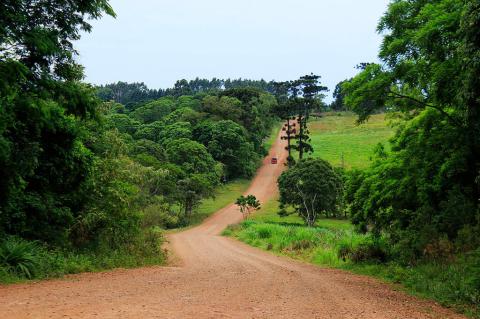
Mesopotamia, a captivating geographical region in Argentina, embraces the provinces of Misiones, Corrientes, and Entre Ríos. Nestled "between the rivers," the Paraná River to the west, and the Uruguay River to the east, Mesopotamia's diverse landscapes and ecosystems offer a unique blend of natural wonders. The Missionary Jungle is a vital component of the region's environmental wealth.

Patagonia: Nature's Last Frontier at the End of the World

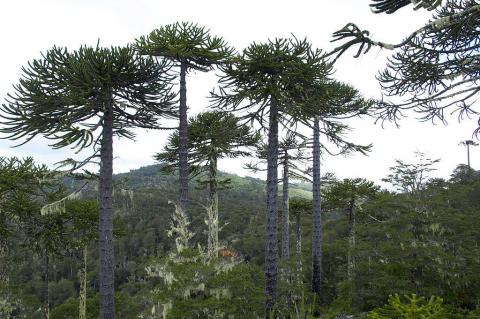
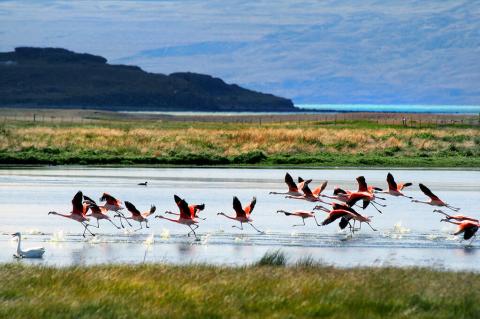
Argentina and Chile share Patagonia, a vast and enigmatic region at the southern tip of South America. It is renowned for its stunning landscapes, rich biodiversity, and cultural heritage. This expansive region, often referred to as one of the world's last remaining "Edens," captivates with its mix of arid plains, towering mountains, sprawling glaciers, and dense forests. Patagonia's geographical, climatic, economic, and cultural aspects reveal a region of immense natural beauty and significance.

The Arid Diagonal: South America's Great Drylands

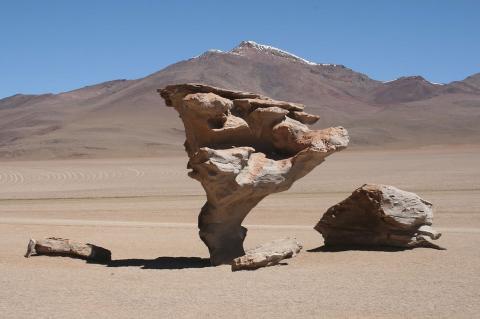
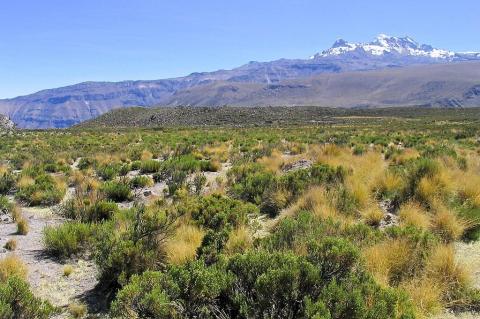
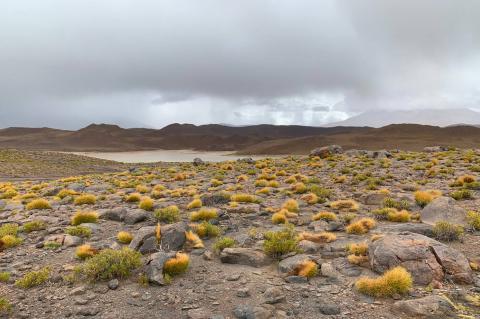
South America's Arid Diagonal is a vast belt of arid and semi-arid ecosystems extending from coastal Peru to southeastern Argentina and northeastern Brazil. The region encompasses diverse desert systems, including the hyperarid Atacama, the ENSO-influenced Sechura, the biodiverse Monte, the wind-swept Patagonian Desert, and the high-altitude Puna. Despite extreme aridity, the diagonal harbors remarkable biodiversity with high endemism levels, particularly in transition zones, though it faces conservation challenges from overgrazing, mining, agricultural expansion, and climate change.

The Iwokrama Rainforest: A Verdant Gem of Guyana

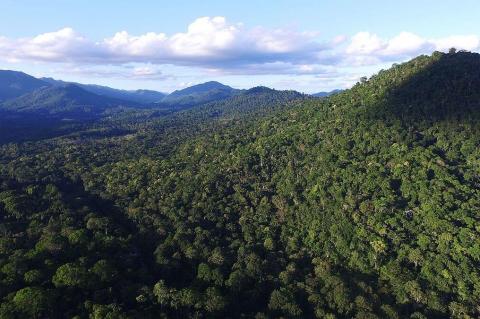
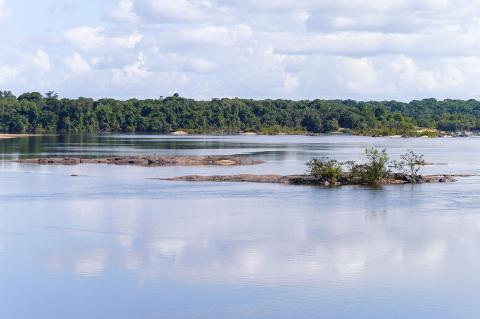
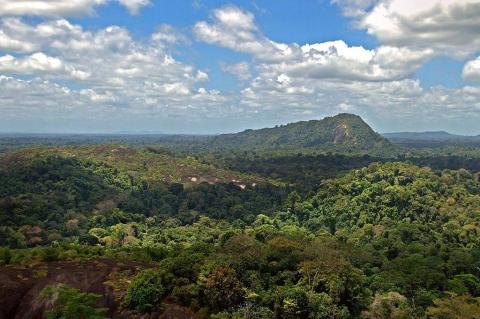
Nestled in the heart of the Guiana Shield region of South America, the Iwokrama Rainforest in Guyana is one of the planet’s last pristine tropical forests. This vast wilderness is renowned for its exceptional biodiversity and is a global sustainable forest management model. Its rich natural and cultural heritage highlights its significance in international conservation efforts.

The Peruvian Andes: Peru's Sierra Region Where Earth Touches Sky

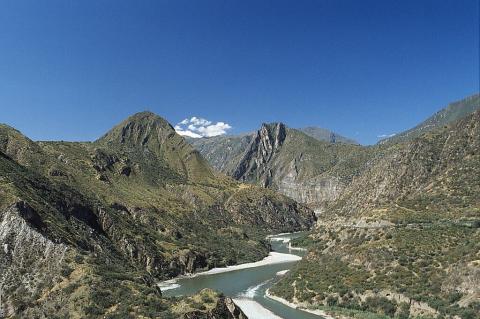
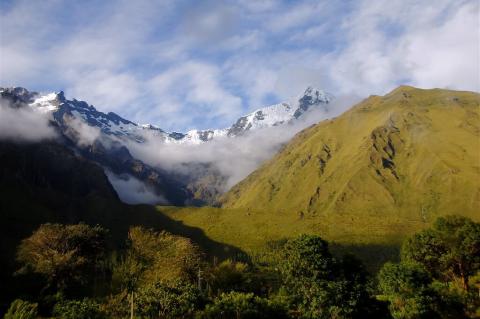
Rising from the Pacific plains to the Amazon Rainforest, Peru's Sierra is one of Earth's most spectacular mountain systems. This vast highland area, the Peruvian section of the Andes, runs through the country like a geological spine, influencing its landscape, climate, biodiversity, and cultural heritage. The region is mainly characterized by three main cordilleras, or mountain ranges, each with unique geological traits, climate conditions, and ecological systems.