Landforms of Chile

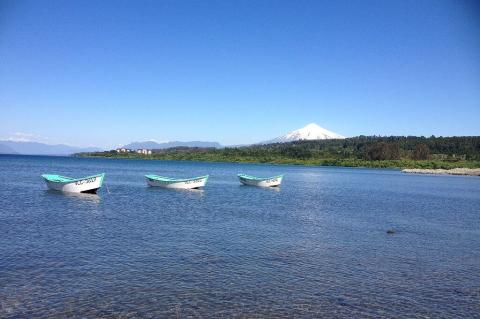
Lake Llanquihue and Osorno Volcano: Treasures of Chile's Lake District

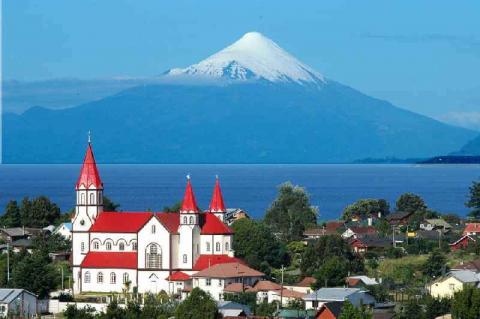
Nestled in the heart of Chile's enchanting Lake District lies Lake Llanquihue, a sprawling body of water renowned for its scenic beauty and cultural significance. With its vast expanse of dark waters and striking black sand shores, Lake Llanquihue captivates the imagination. Situated between Osorno Province and Llanquihue Province, Osorno Volcano commands attention with its snow-capped peak and dramatic silhouette, creating a striking contrast against the azure waters of Lake Llanquihue.

Licancabur Volcano: A Sacred Andean Colossus

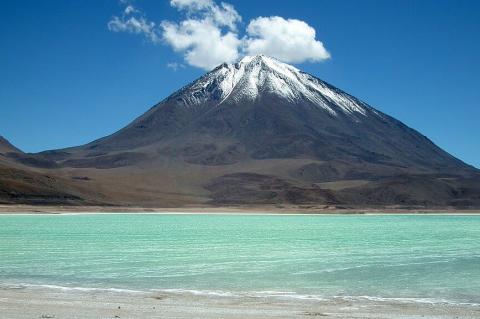
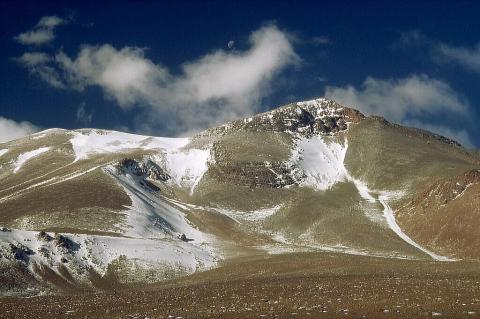
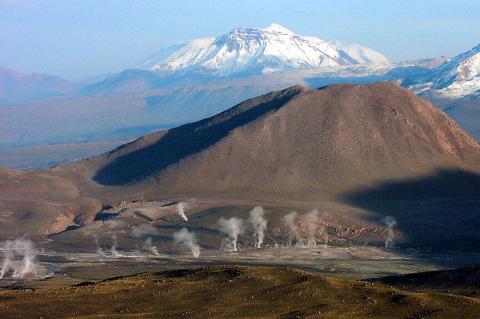
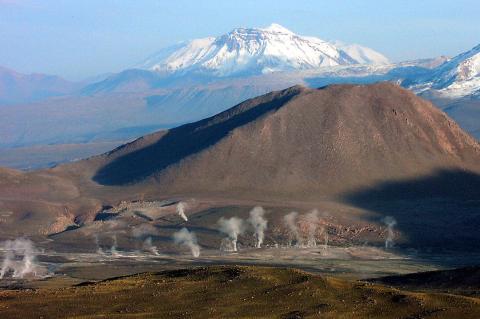
Towering above the arid landscapes of the Atacama Desert, where the borders of Bolivia and Chile converge, stands the majestic Licancabur Volcano. This imposing stratovolcano, with its symmetric cone, is a testament to the geological forces shaping the Andean landscape. Licancabur is a captivating natural wonder and a sacred site revered by the Atacameño people, who have long held it in high esteem. Beyond its cultural significance, this volcanic behemoth offers a unique glimpse into the region's geological history.

Llullaillaco Volcano and National Park: Chile's High-Altitude Archaeological Sanctuary

Rising from the remote stretches where Chile meets Argentina, Llullaillaco volcano stands as one of South America's most remarkable monuments to both natural forces and human achievement. This massive stratovolcano holds the distinction of being the world's second-highest active volcano and, remarkably, the site of the world's highest archaeological discovery. Llullaillaco National Park, which spans the eastern slopes, was established to protect this unique ecosystem and its invaluable cultural heritage.

Melimoyu National Park: The Untouched Wilderness of Chile

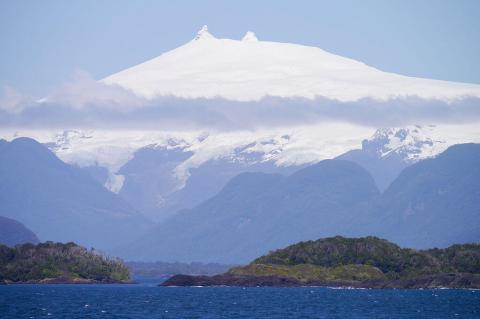
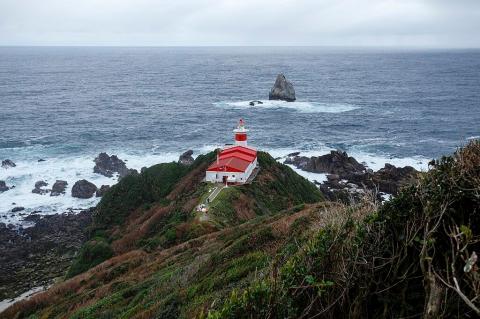
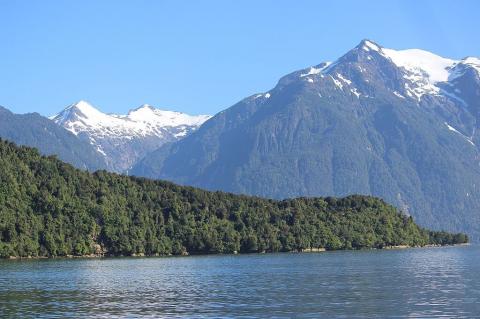
Melimoyu National Park, located in the Aysén Region in southern Chile, is a pristine wilderness offering a unique blend of natural beauty and biodiversity. Dominated by the imposing Melimoyu Volcano, this park is a sanctuary of lush forests, glaciers, fjords, and diverse wildlife. Although it remains largely inaccessible to the public, the park's untouched landscapes and ecological significance make it a notable area for conservation and study.

Nevado Tres Cruces National Park: A High-Altitude Oasis in the Atacama Desert

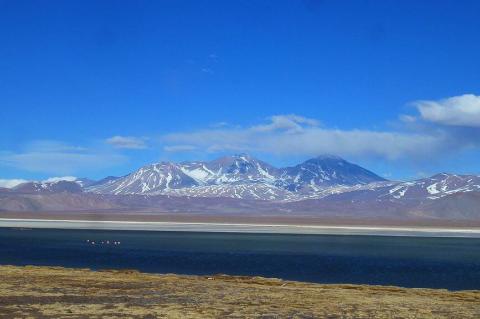
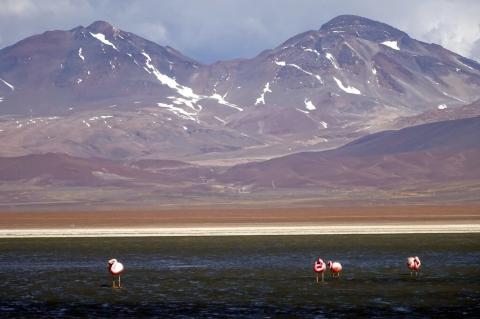
In the heart of the Andes Mountains in northern Chile's Atacama Region, Nevado Tres Cruces National Park is a breathtaking expanse of natural beauty and ecological significance. This park, characterized by its striking landscapes, is renowned for its high-altitude lakes, salt flats, and the imposing peaks of the Nevado Tres Cruces massif. The park is a sanctuary for diverse flora and fauna, and it plays a crucial role in conserving unique Andean ecosystems.

Ojos del Salado: The Dormant Giant of the Andes

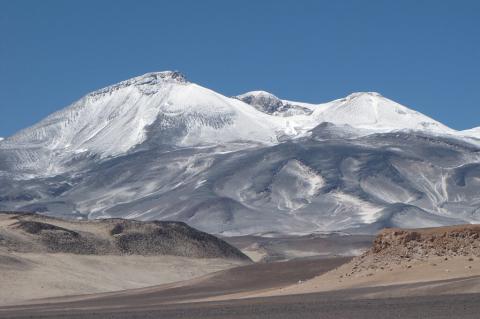
Nestled amidst the vast expanse of the Andes Mountains, Ojos del Salado emerges as a tranquil guardian—a dormant volcanic complex whose majestic demeanor encapsulates the essence of geological wonders. Situated along the border between Chile and Argentina, it claims the title of the highest volcano on Earth, making it a captivating subject for thorough exploration.

Puna de Atacama: An Arid Collage of High Plateaus, Peaks, and Indigenous Heritage

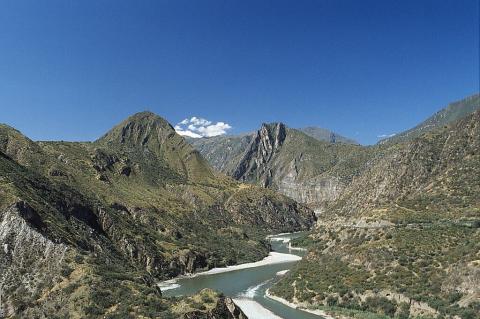
Nestled in the Andes Mountains of South America, the Puna de Atacama is a testament to nature's mesmerizing contrasts, from its cold, desolate high plateaus to the deep river valleys that carve through its eastern expanse. This vast and arid landscape, situated in the southernmost part of the Andean Altiplano, has geographical and cultural significance, stretching across northwestern Argentina and adjacent regions of Chile.

The Altiplano—Puna Volcanic Complex: Unveiling Geological Marvels in South America

The Altiplano—Puna volcanic complex is a testament to the awe-inspiring geological processes shaping the southern portion of the Altiplano—Puna plateau in the central Andes. It spans Argentina, Bolivia, and Chile and was formed when the Nazca Plate subducted beneath the South American Plate. The complex boasts diverse volcanic features and is the largest active magma reservoir. Scientific exploration continues to unravel the region's geological history, revealing insights into subterranean processes.

The Andean Volcanic Belt and the Pacific Ring of Fire: Unveiling Earth's Geological Marvels

The Andean Volcanic Belt, along South America's western coast, forms as the Nazca and Antarctic plates subduct beneath the South American Plate. This process generates various volcanic zones, illustrating the intricate interplay of Earth's crustal plates. The belt showcases diverse geological phenomena, from the hazards in the Northern Volcanic Zone to the silicic systems in the Central Volcanic Zone and the glaciated stratovolcanoes in the Austral Volcanic Zone.

The Chile Triple Junction and the Dynamic Taitao and Tres Montes Peninsulas

The Chile Triple Junction is where the South American, Nazca and Antarctic tectonic plates meet, marked by subduction and divergence. The Taitao Peninsula, extending westward, features diverse landscapes and significant ecological importance. The Tres Montes Peninsula, located southwest, contributes unique vegetation and geological features. Together, they tell a captivating story of tectonic convergence and spreading dynamics, showcasing the Earth's ever-evolving geological saga.