
Llullaillaco Volcano and National Park: Chile's High-Altitude Archaeological Sanctuary
Rising from the remote stretches where Chile meets Argentina, Llullaillaco volcano is the world's second-highest active volcano and the site of the world's highest archaeological discovery. Llullaillaco National Park was established to protect this unique ecosystem and its cultural heritage.
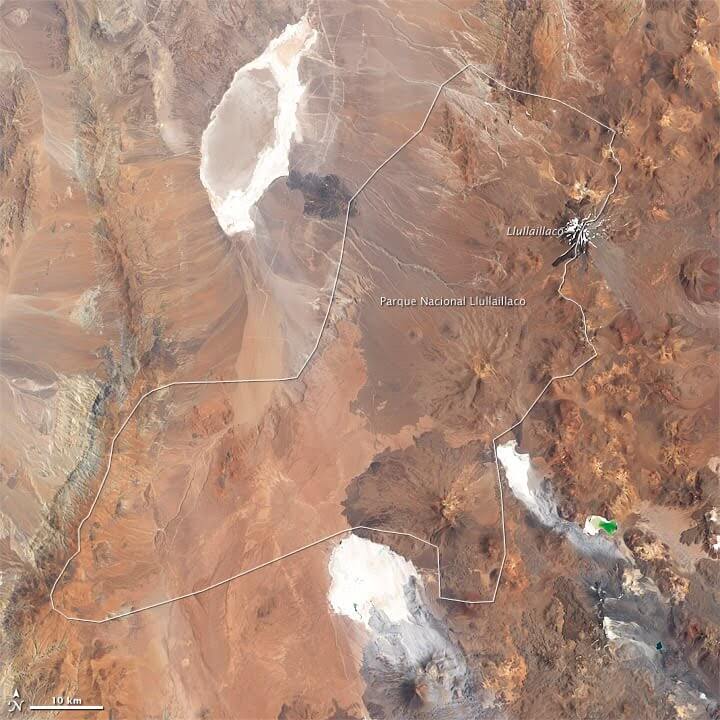
The Sacred Summit: Llullaillaco Volcano and Chile's Highest Protected Landscape
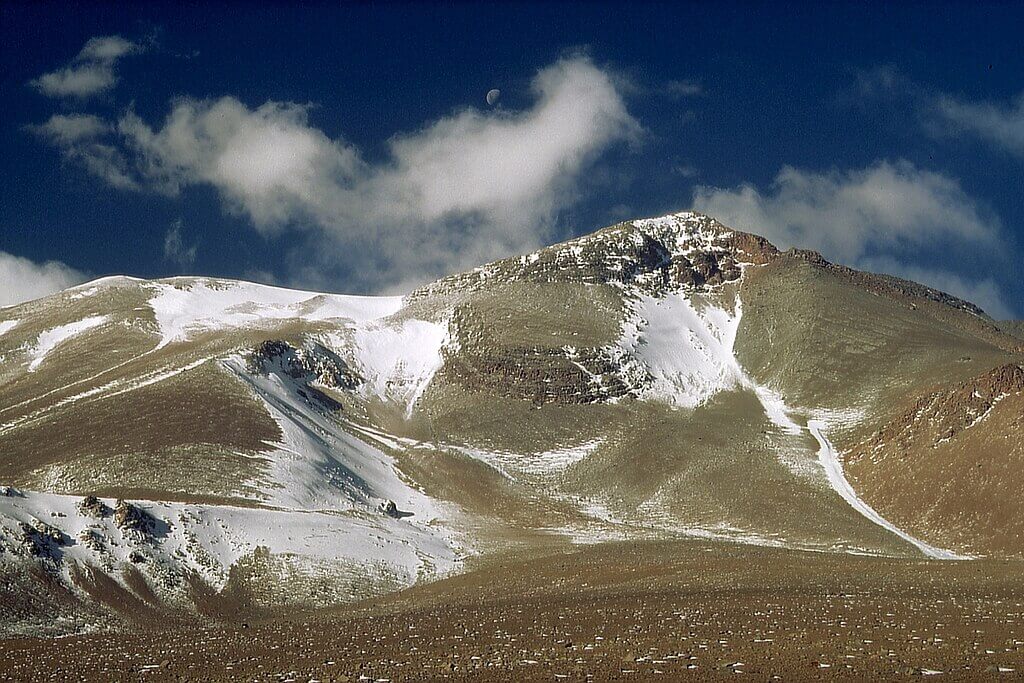
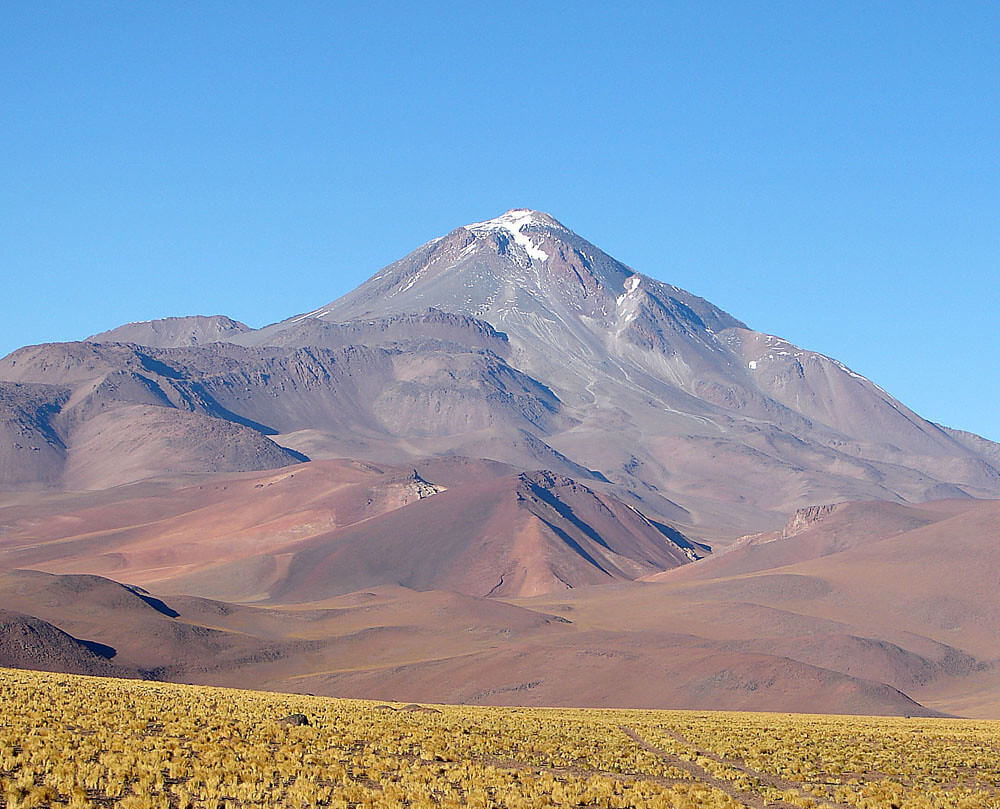
Rising from the remote expanses where Chile meets Argentina, Llullaillaco volcano stands as one of South America's most extraordinary monuments to both natural forces and human achievement. At 6,739 meters (22,109 feet) above sea level, this massive stratovolcano holds the distinction of being the world's second-highest active volcano and, remarkably, the site of the world's highest archaeological discovery.
The volcano's name derives from the Aymara language, meaning "hot water." However, today its snow-capped summit contrasts dramatically with the arid landscape of the Puna de Atacama that surrounds it. Straddling the Chile-Argentina border, Llullaillaco dominates a landscape where the extreme altitude of the Andes meets the world's driest desert, creating conditions found nowhere else on Earth.
Llullaillaco National Park, encompassing 269,000 hectares (664,600 acres), was established to protect this unique ecosystem and its invaluable cultural treasures. The park stretches from the eastern slopes of the Cordillera Domeyko to the international border, preserving one of the planet's most pristine high-altitude desert environments.
Geographic Setting and Geology
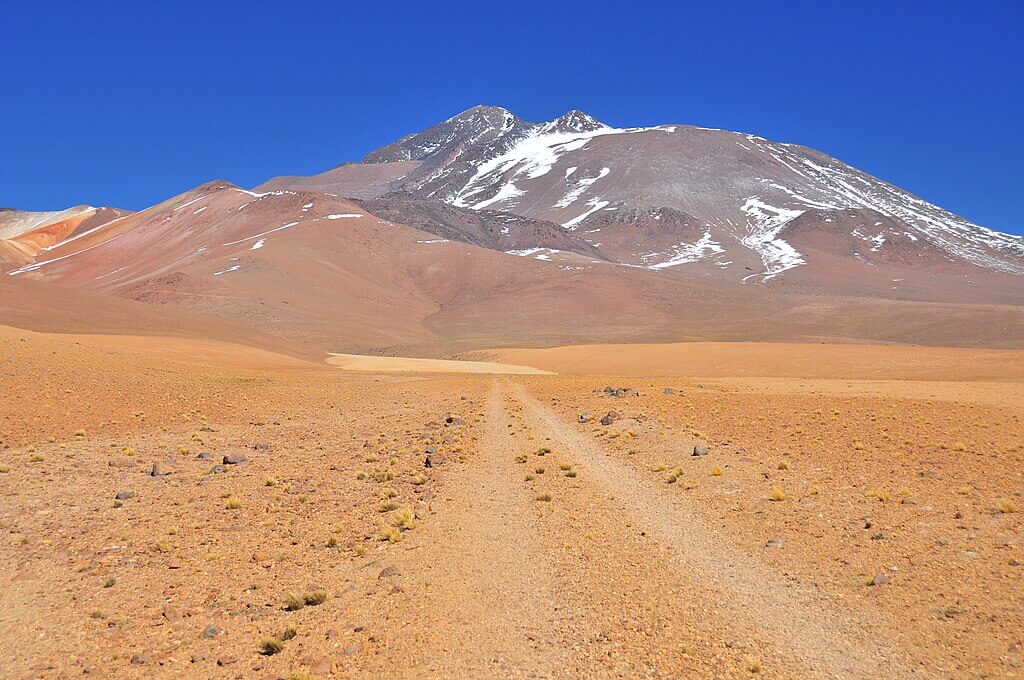
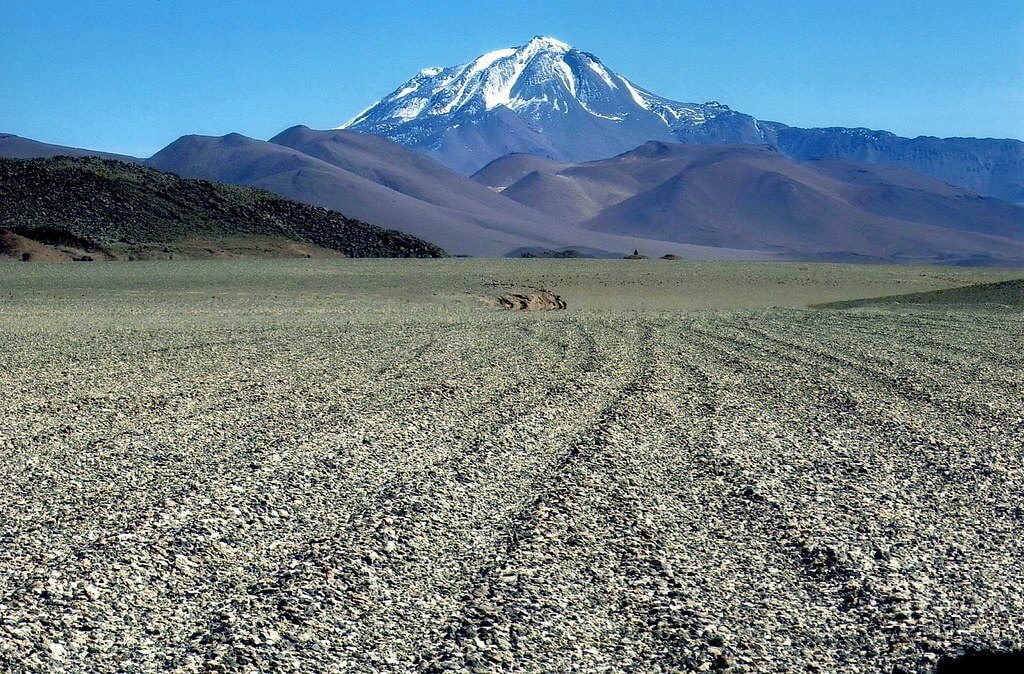
The park's dramatic landscape consists of vast semi-desert plains interrupted by deep quebradas (ravines) that reveal the region's geological history. The terrain rises from plateau areas around 4,000 meters (13,123 feet) to Llullaillaco's summit, creating an altitude gradient of nearly 3,000 meters (9,843 feet) within the park boundaries.
Llullaillaco represents a classic Andean stratovolcano, built through successive eruptions over thousands of years. Despite being classified as active, the volcano has remained dormant throughout recorded history; however, scientists continue to monitor it as part of the Andean Volcanic Belt. The volcano's formation results from the ongoing subduction of the Nazca Plate beneath the South American Plate, the same geological process that built the entire Andes mountain chain.
The surrounding landscape showcases the extreme geological processes of high-altitude desert formation, with volcanic rocks, ancient lake beds, and wind-carved formations creating a terrain that appears almost otherworldly in its stark beauty.
Climate: Life at the Edge
Llullaillaco National Park experiences one of Earth's most extreme climates, combining high-altitude conditions with desert aridity. Annual precipitation rarely exceeds 100 millimeters (3.9 inches), arriving mainly during brief summer thunderstorms between December and March.
Temperature variations are dramatic both daily and seasonally. At lower elevations around 4,000 meters (13,123 feet), summer days may reach 15°C (59°F), while nights frequently drop below freezing year-round. Near Llullaillaco's summit, temperatures remain below freezing most of the year, with winter extremes reaching -30°C (-22°F).
The combination of high altitude and intense solar radiation creates some of the highest ultraviolet levels recorded on Earth. Persistent westerly winds, often exceeding 50 kilometers per hour (31 miles per hour), add another challenge for both plant and animal life in this extreme environment.
Flora and Fauna: Masters of Adaptation
Despite harsh conditions, the park supports 126 plant species, including 21 that are found nowhere else on Earth. These include specialized cushion plants, drought-resistant shrubs, and hardy grasses that have evolved remarkable adaptations to survive intense radiation, temperature extremes, and minimal water.
Notable endemic species include pilaya, papusa, various anawa species, and different types of tola. These plants exhibit extraordinary survival strategies, ranging from water storage capabilities to protective waxy coatings that enable them to thrive in this challenging environment.
The park's wildlife includes some of South America's most impressive high-altitude specialists. Large populations of guanacos (Lama guanicoe) and vicuñas (Vicugna vicugna) roam the lower and higher elevations, respectively. Their enlarged hearts and specialized blood chemistry are perfectly adapted for life in thin air.
More elusive residents include the endangered Andean mountain cat (Leopardus jacobita) and the adaptable puma (Puma concolor), both of which have mastered hunting strategies for high-altitude terrain. Small mammals, such as vizcachas, create complex burrow systems for protection from extreme temperatures.
Bird life, while limited by extreme conditions, includes remarkable high-altitude specialists with enlarged hearts and modified respiratory systems that enable flight in low-oxygen environments.
Archaeological Treasure: The World's Highest Sanctuary
Llullaillaco's greatest claim to fame lies in its archaeological significance. In 1999, researchers made one of the most significant discoveries in Andean archaeology: three naturally mummified Inca children were found at an elevation of approximately 6,730 meters (22,080 feet), making this the world's highest archaeological site.
These remarkably preserved mummies, now housed in Argentina's Museum of High Altitude Archaeology, represent the culmination of the Inca capacocha ceremony—one of the empire's most sacred rituals. The children, aged between 6 and 15, were discovered with extraordinary artifacts, including textiles, pottery, and gold and silver figurines that showcase the finest Inca craftsmanship.
The discovery reveals the profound spiritual significance the Inca attributed to high mountains, which they believed were dwelling places of powerful deities called apus. The ability to conduct ceremonies at such extreme elevation demonstrates a sophisticated understanding of high-altitude survival and represents one of pre-Columbian America's most remarkable mountaineering achievements.
Remnants of the famous Inca Trail (Qhapaq Ñan) also wind through the park, part of the vast road network that connected the Inca Empire across the Andes. These ancient pathways required exceptional engineering skills and route-finding knowledge to navigate some of Earth's most challenging terrain.
Conservation and Management
The park faces unique conservation challenges due to its extreme conditions and the volcano's position directly on the Chile-Argentina border. Climate change poses the greatest long-term threat, as even modest temperature increases can dramatically alter ecosystems where species are adapted to very specific conditions.
Cooperation between Chilean and Argentine authorities is essential for effective protection, requiring ongoing coordination to ensure consistent management approaches across national boundaries. Both countries recognize the global significance of the site's natural and cultural resources.
Tourism management requires a careful balance between providing access to this world-renowned site and protecting fragile ecosystems and irreplaceable archaeological resources. The extreme conditions naturally limit visitor numbers to experienced high-altitude travelers who are properly prepared and equipped.
Access and Visitor Experience
Reaching Llullaillaco National Park requires permits from CONAF (Chile's National Forest Corporation) and careful preparation for extreme high-altitude conditions. The 57-kilometer (35-mile) access road follows the Domeyko Mountain Range, ending at basic facilities at Quebrada de Zorritas, which include kitchen facilities, bathrooms, and simple accommodations.
Visitors must be prepared for altitude sickness, intense solar radiation, extreme temperature fluctuations, and the challenges of operating at elevations where the air contains roughly half the oxygen available at sea level. The park attracts specialized tourists interested in extreme environments, archaeology, and some of Earth's finest astronomical viewing conditions.
The night sky above Llullaillaco offers extraordinary celestial observations due to the combination of high altitude, dry air, and minimal light pollution. Stars appear with a brilliance that provides visitors with a profound connection to the cosmos and insight into how ancient civilizations experienced the heavens.
Research and Scientific Value
Llullaillaco serves as an invaluable natural laboratory for multiple scientific disciplines. Archaeological research continues to reveal new insights into Inca civilization and pre-Columbian mountain worship. Biological studies focus on how life adapts to extreme conditions, providing insights into understanding the limits of life both on Earth and potentially on other planets.
The park's extreme conditions and stability make it ideal for climate research and atmospheric monitoring. Volcanological studies help scientists understand high-altitude volcanic processes and assess potential future hazards.
Conclusion
Llullaillaco National Park represents a unique intersection of natural wonder and cultural achievement. This high-altitude sanctuary preserves not only an extraordinary ecosystem adapted to Earth's most extreme conditions but also protects archaeological resources that provide unprecedented insights into pre-Columbian civilization.
The park's significance extends far beyond Chile's borders, contributing to global understanding of extreme environment biology, archaeological heritage, and volcanic processes. As one of the world's most challenging yet pristine landscapes, Llullaillaco continues serving as both a natural laboratory and a testament to human cultural achievement in one of the planet's most demanding environments.
Through careful conservation management and international cooperation, this remarkable landscape will continue inspiring scientific discovery while preserving irreplaceable natural and cultural heritage for future generations. For those fortunate enough to visit this remote sanctuary, Llullaillaco offers an unparalleled experience of standing where Earth meets sky in one of the planet's most extraordinary places.