
Serra da Bocaina: Guardian of the Atlantic Forest
Stretching along the border of São Paulo and Rio de Janeiro states, the Serra da Bocaina rises as a mountain sanctuary, protected as a National Park. It showcases some of the Atlantic Forest's most pristine areas and serves as a vital link between Brazil's coastal and inland ecosystems.
The Last Sanctuary: Serra da Bocaina's Atlantic Forest Legacy
In the rugged borderlands between São Paulo and Rio de Janeiro states, where ancient mountains meet the modern world, rises the Serra da Bocaina—a magnificent testament to Brazil's commitment to preserving its most precious natural heritage. This mountainous sanctuary, protected as Serra da Bocaina National Park since 1971, encompasses 1,040 square kilometers (401 square miles) of some of the most pristine Atlantic Forest remaining on Earth and serves as a living bridge between Brazil's coastal and inland ecosystems.
A Landscape Forged by Time
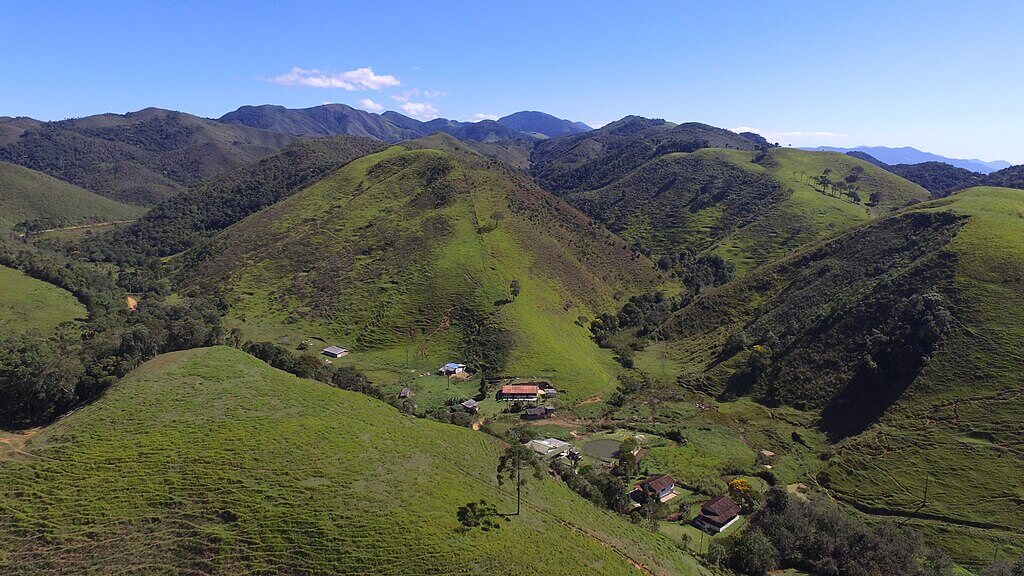
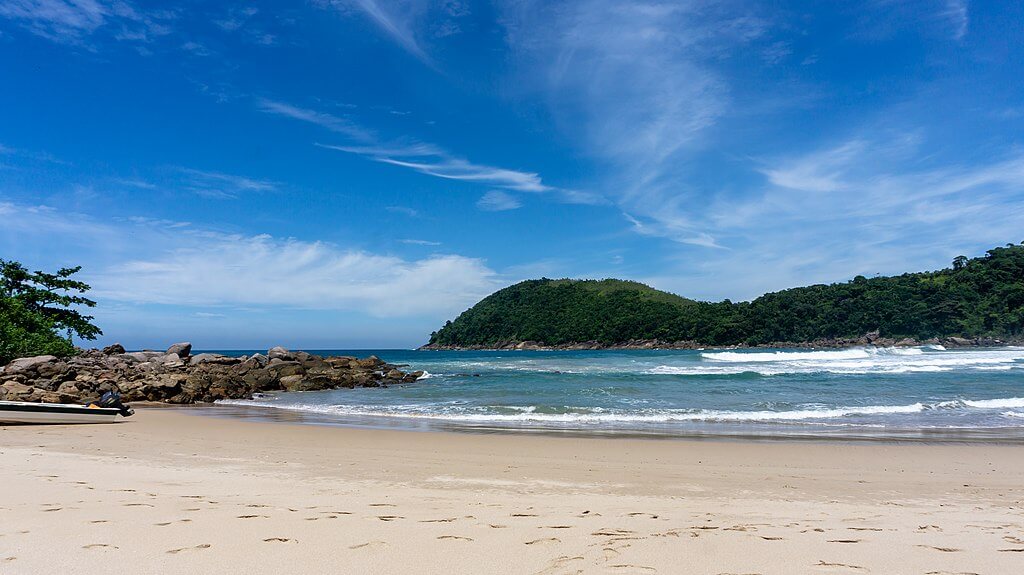
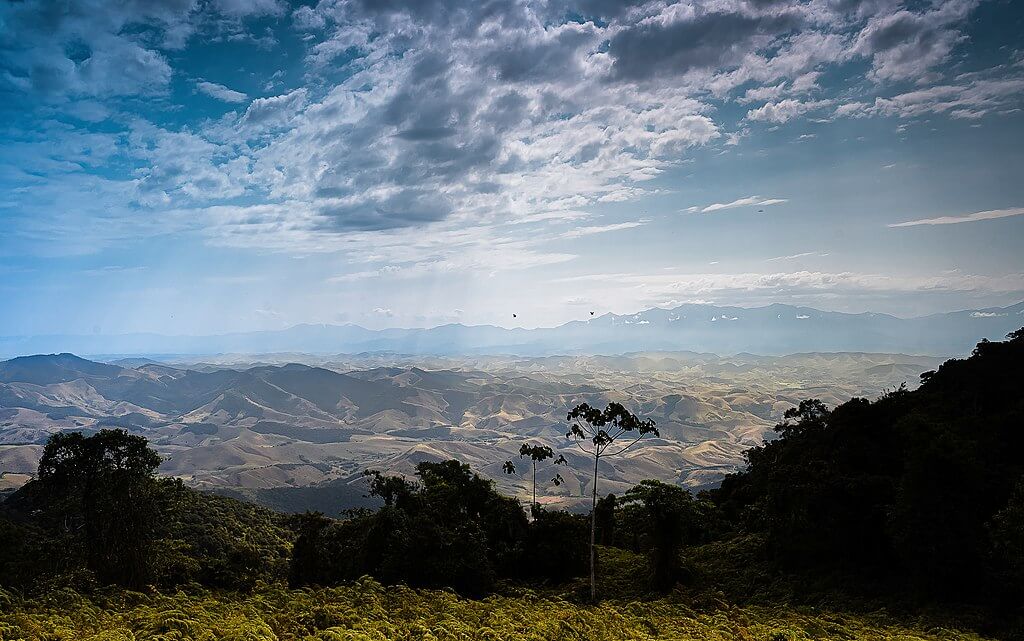
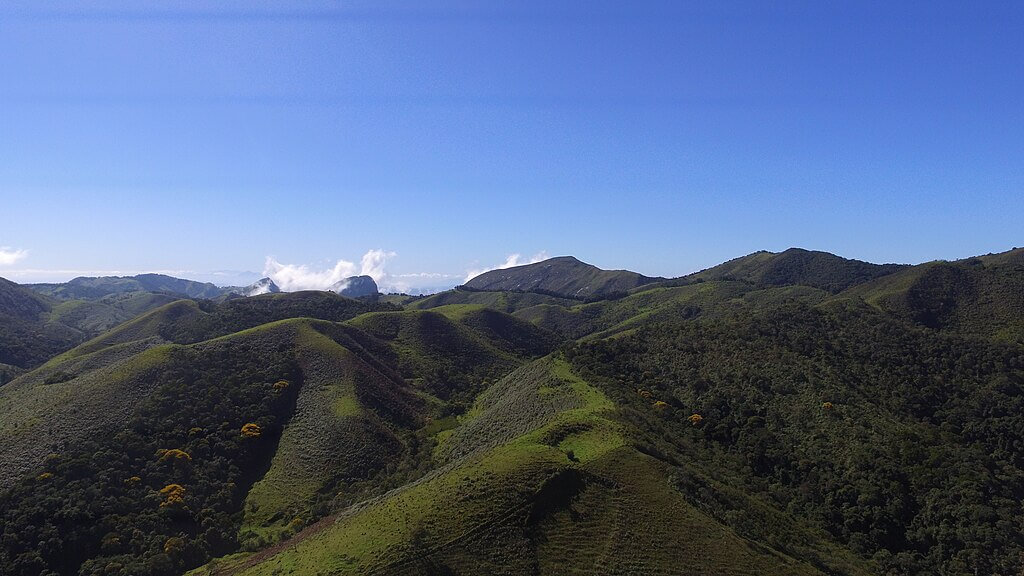
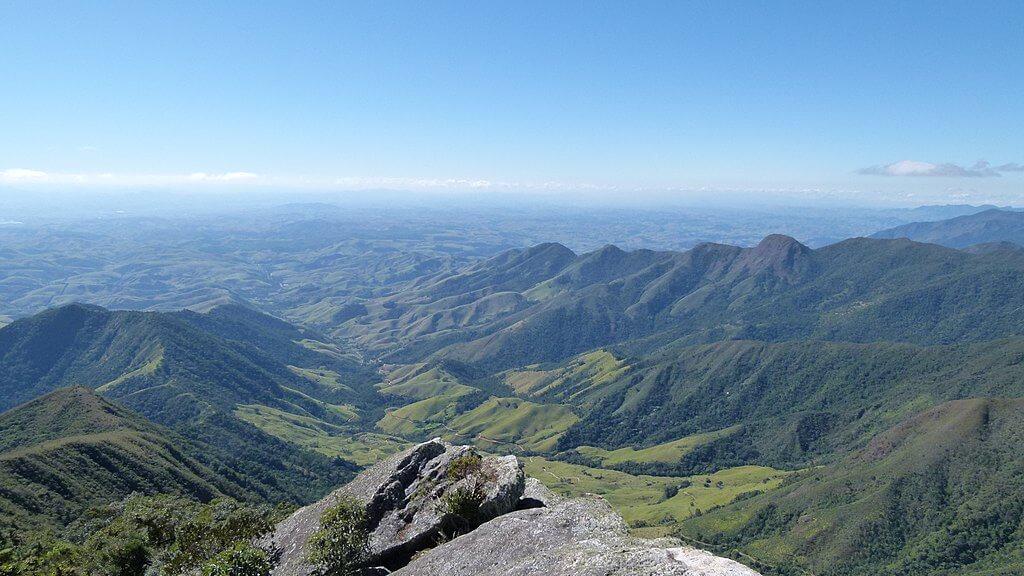
The Serra da Bocaina represents one of the most dramatic sections of Brazil's Great Escarpment, where the Brazilian Highlands plunge toward the Atlantic in a series of precipitous slopes and mist-shrouded peaks. The range's highest point, Pico do Tira o Chapéu, commands the landscape from its lofty perch, offering panoramic views that stretch from the emerald valleys below to the distant shimmer of the Atlantic Ocean.
Geologically, this ancient mountain system belongs to the Precambrian crystalline basement that forms the backbone of southeastern Brazil. Over millions of years, weathering and erosion have carved deep valleys and sculpted towering peaks, creating a complex topography that supports an extraordinary diversity of microclimates and habitats. The interplay between elevation, rainfall, and temperature has created distinct ecological zones, from coastal lowland forests to high-altitude cloud forests that remain shrouded in perpetual mist.
The landscape transitions dramatically from sea level to elevations exceeding 2,000 meters (6,562 feet), creating one of the steepest gradients found anywhere in the Atlantic Forest biome. This vertical diversity has profound implications for biodiversity, as species adapt to the unique conditions found at different elevations, often evolving into endemic forms found nowhere else on Earth.
Biodiversity Sanctuary
An estimated 60% of the vegetation consists of native Atlantic Forest, with the remainder comprising secondary forest that has been regenerating for over 30 years, creating a complex mosaic of primary and recovering ecosystems. This mixture provides valuable insights into forest succession and the remarkable resilience of the Atlantic Forest when allowed to recover.
The park's fauna reads like a catalog of South American wildlife treasures. Among the park's inhabitants are jaguars, pumas, and woolly spider monkeys, the largest primates in the Americas—magnificent creatures that serve as flagship species for conservation efforts throughout the region. The presence of these apex predators indicates the health and integrity of the entire ecosystem, as they require vast territories and abundant prey populations to survive.
Birds, such as the channel-billed toucan (Ramphastos vitellinus) and the Brazilian tanager (Ramphocelus bresilia), add splashes of color and song to the verdant canopy, while countless other species fill specialized ecological niches throughout the forest layers. The park supports an impressive array of endemic species, many of which remain poorly studied and may represent discoveries for science.
The plant communities of Serra da Bocaina showcase the incredible botanical diversity of the Atlantic Forest. Ancient trees tower overhead, their trunks draped with epiphytic gardens of bromeliads, orchids, and ferns that create vertical ecosystems within the forest itself. Understory plants have adapted to filtered light, developing large leaves and specialized reproductive strategies to thrive in this competitive environment.
Conservation Legacy and Challenges
Established by national decree in 1971, Serra da Bocaina National Park represents one of Brazil's early commitments to protecting the rapidly disappearing Atlantic Forest. The Chico Mendes Institute for Biodiversity Conservation (ICMBio) administers the park and faces the ongoing challenge of balancing conservation needs with the pressures of surrounding development.
The park's location straddling two of Brazil's most populous states creates unique management challenges. Urban expansion, agricultural pressure, and tourism development all threaten the park's ecological integrity. Yet these same pressures underscore the critical importance of maintaining this protected area as a refuge for biodiversity and a source of essential ecosystem services for surrounding communities.
As one of the last conservation stretches of the Atlantic Forest in Brazil, Serra da Bocaina carries enormous responsibility for preserving genetic diversity and maintaining ecological processes lost in much of the region. The park serves as a crucial corridor for species movement and genetic exchange, connecting fragmented forest patches across the broader landscape.
Natural Wonders and Visitor Experience
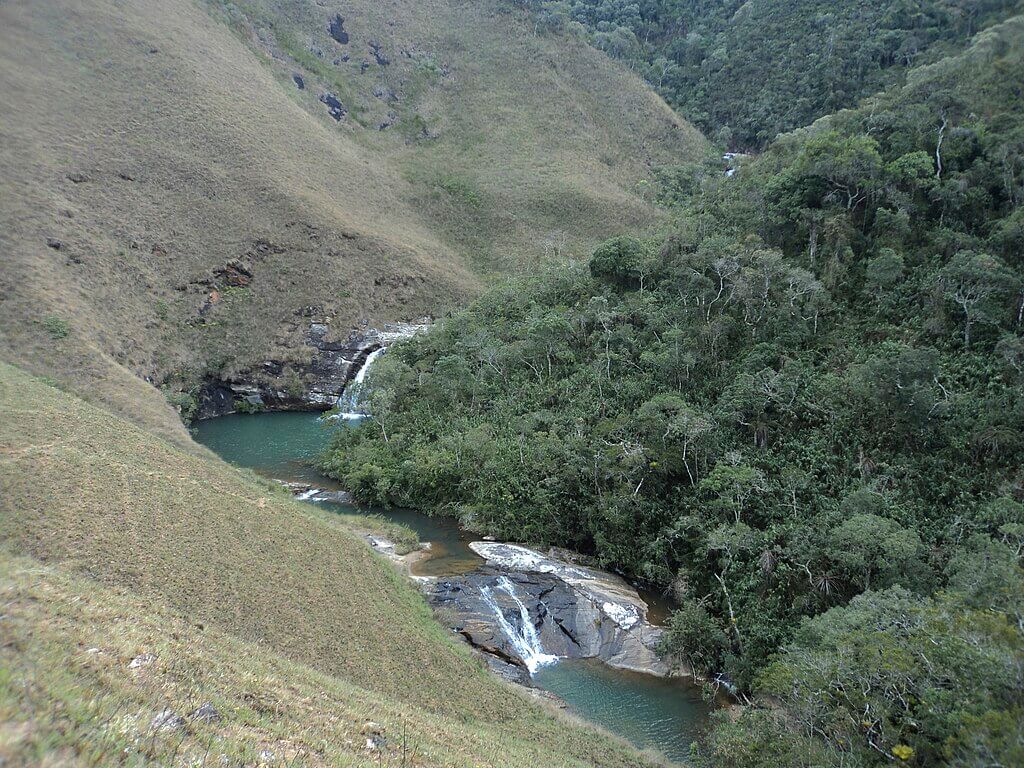
Visitors can expect to be mesmerized by the lush Atlantic Forest, which is one of the most biodiverse ecosystems in the world. The park's landscape is a paradise for nature enthusiasts, featuring waterfalls, mountains, and pristine rivers. These natural features provide not only spectacular scenery but also critical habitat for countless species and essential watershed protection for surrounding communities.
The park's trail systems offer visitors opportunities to experience different elevational zones and their associated ecosystems, from valley floors where crystal-clear streams cascade over granite boulders to ridge tops where stunted vegetation battles constant winds and temperature extremes. Each habitat tells a different story of adaptation and survival.
Waterfalls throughout the park create natural amphitheaters where the sound of falling water mingles with bird calls and the rustle of wind through ancient trees. These aquatic features serve as focal points for wildlife activity, where animals come to drink and bathe while providing visitors with some of the park's most memorable experiences.
Cultural Heritage and Human History
The Serra da Bocaina region holds profound cultural significance that extends far beyond its biological treasures. Indigenous peoples inhabited these mountains for millennia before European colonization, developing sophisticated knowledge systems about forest ecology and sustainable resource use. Their legacy endures in place names, traditional practices, and the profound spiritual connections that local communities maintain with the landscape.
During Brazil's colonial period, the challenging terrain of the Serra da Bocaina served as both barrier and refuge. The mountains provided sanctuary for escaped enslaved people who established quilombola communities in remote valleys, while also challenging early explorers and settlers who sought routes between the coast and interior. These historical layers add depth and meaning to the contemporary conservation mission.
Future Horizons
As Brazil faces the challenges of the 21st century, Serra da Bocaina National Park stands as a beacon of hope for Atlantic Forest conservation. Climate change brings new uncertainties, with shifting precipitation patterns and rising temperatures potentially altering the delicate conditions that support the region's unique ecosystems. Yet the park's protected status and management infrastructure provide essential tools for adaptation and resilience.
Scientific research continues to reveal new aspects of the park's biodiversity and ecological processes. Each study contributes to our understanding of how these complex systems operate and what is required to sustain them for future generations. The park serves as a natural laboratory where researchers can study a wide range of topics, from forest succession to climate adaptation strategies.
In the early morning hours, when mist rises from the valleys and the first light illuminates the forest canopy, Serra da Bocaina reveals its timeless beauty. Here, where ancient mountains guard one of Earth's most precious ecosystems, where jaguars still prowl primeval forests, and where every dawn brings the promise of new discoveries, we find a living reminder of what Brazil once was and what it still can be. The Serra da Bocaina stands not just as a park, but as a promise—a commitment to preserving the irreplaceable natural heritage that belongs not just to Brazil, but to all humanity.